

Traditional sweets
Pangiallo
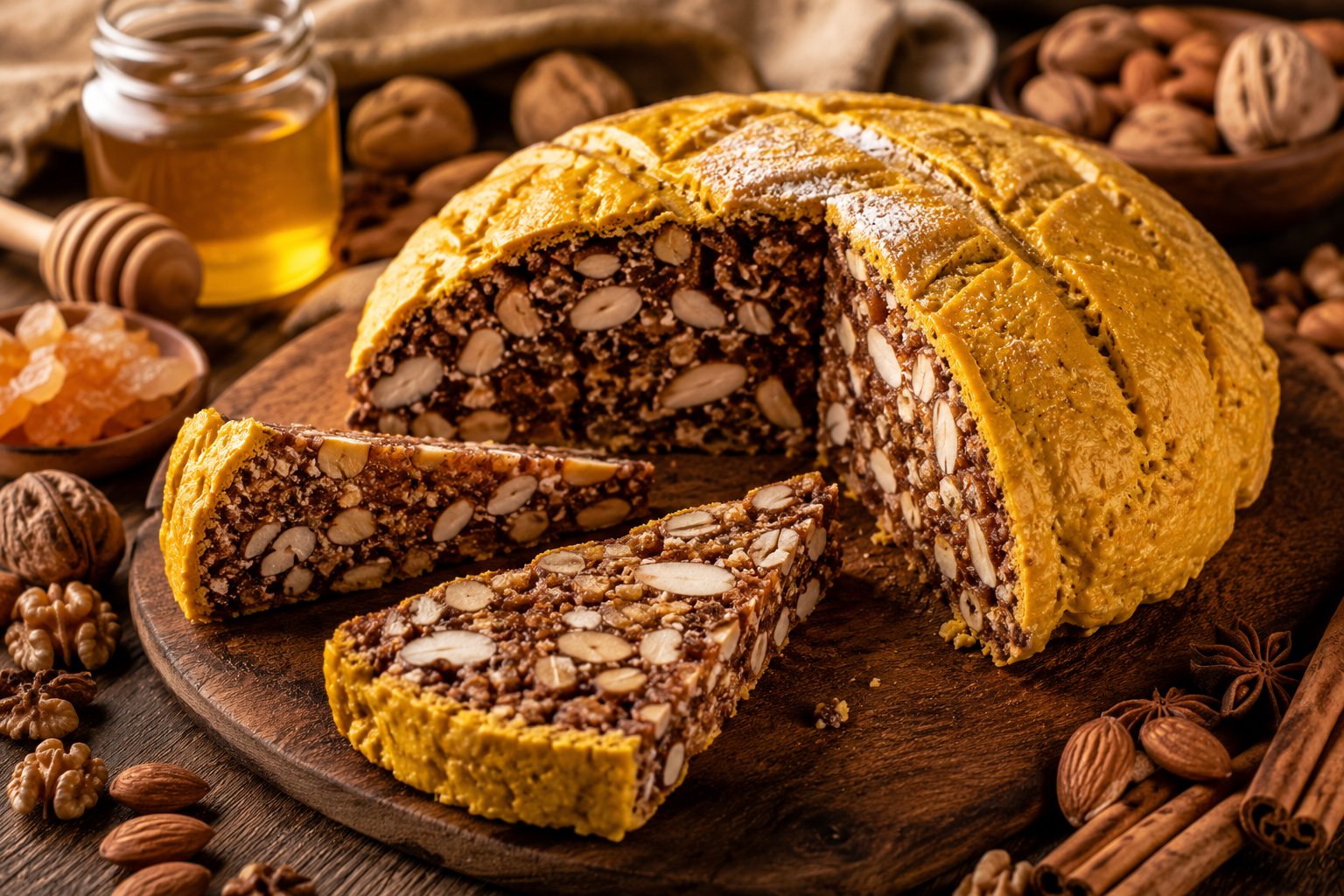
An ancient sweet from Lazio and Sabina tradition, rich in dried fruit, honey, candied peel and spices. Its golden colour recalls winter festivities, home cooking and the full flavours of Christmas baking.
The recipe
A golden sweet for the festive season
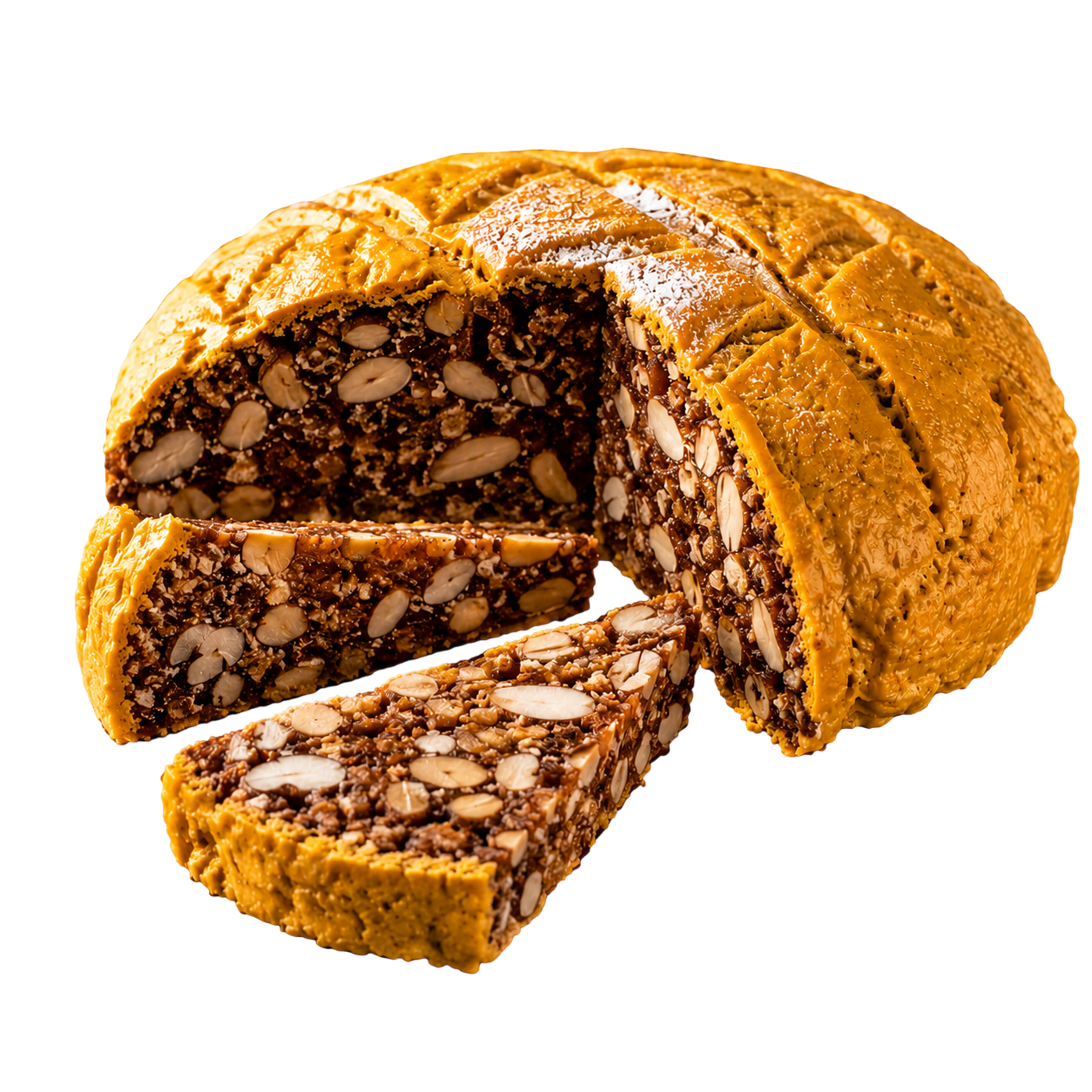
Pangiallo is an ancient sweet from Lazio and Sabina tradition, prepared mainly during the Christmas season. Rich in dried fruit, honey, candied peel and spices, it was regarded as a symbol of prosperity and abundance for the family.
Its golden colour recalls the sun, making this sweet not only fragrant and intense but also deeply connected to popular culture and the celebrations of country tradition.
Dolce natalizio
Nuts and dried fruit
Miele e spezie
Glassa dorata
Dolce delle feste
Consiglio della tradizione
For a more aromatic Pangiallo, leave the mixture to rest for a few hours before baking so the honey, dried fruit and spices blend more fully.
Dried fruit and nuts, honey and spices
A rich and ancient sweet made with dried fruit, honey, cocoa, candied peel, raisins and warming spices, finished with its characteristic golden saffron glaze.
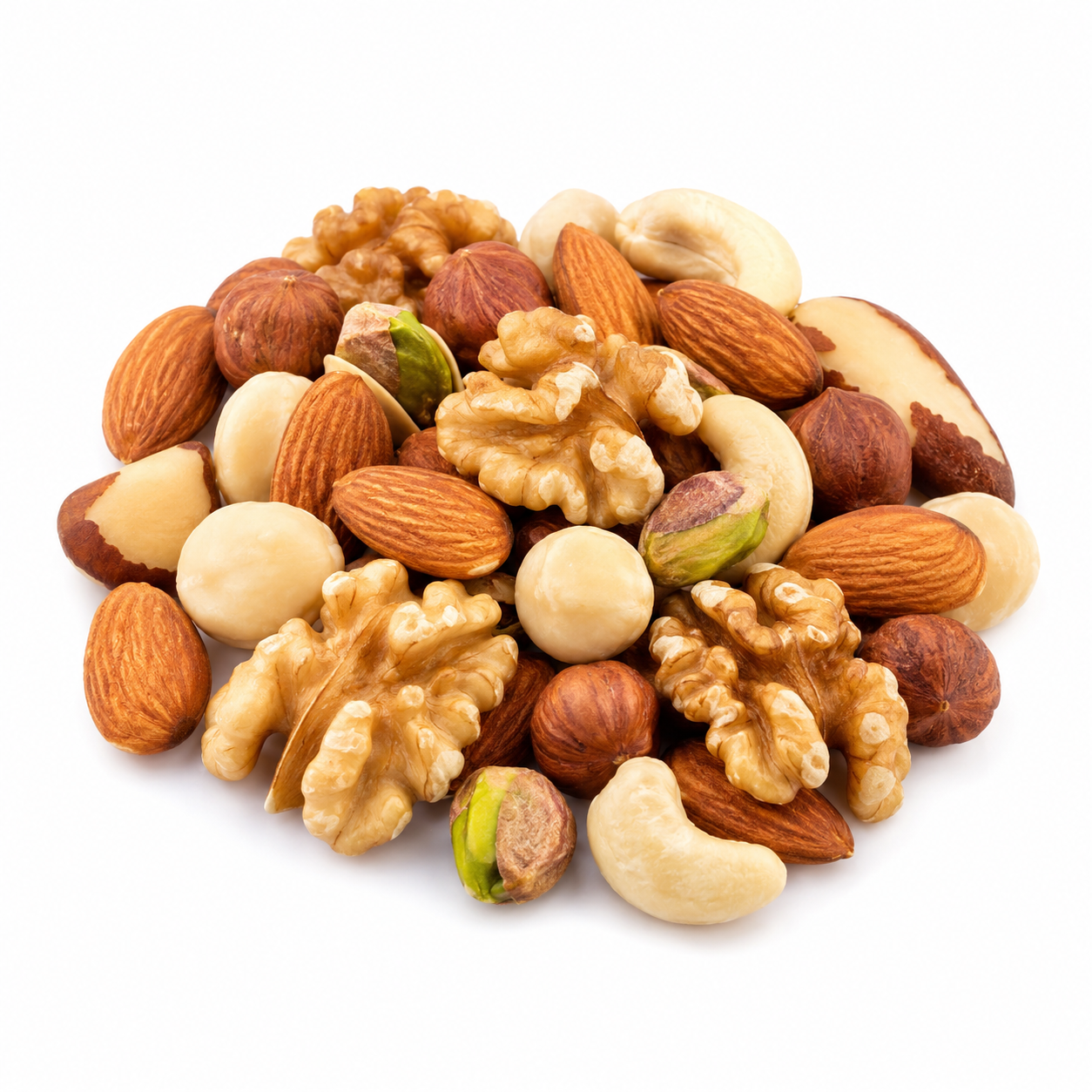
Mixed dried fruit and nuts
300 g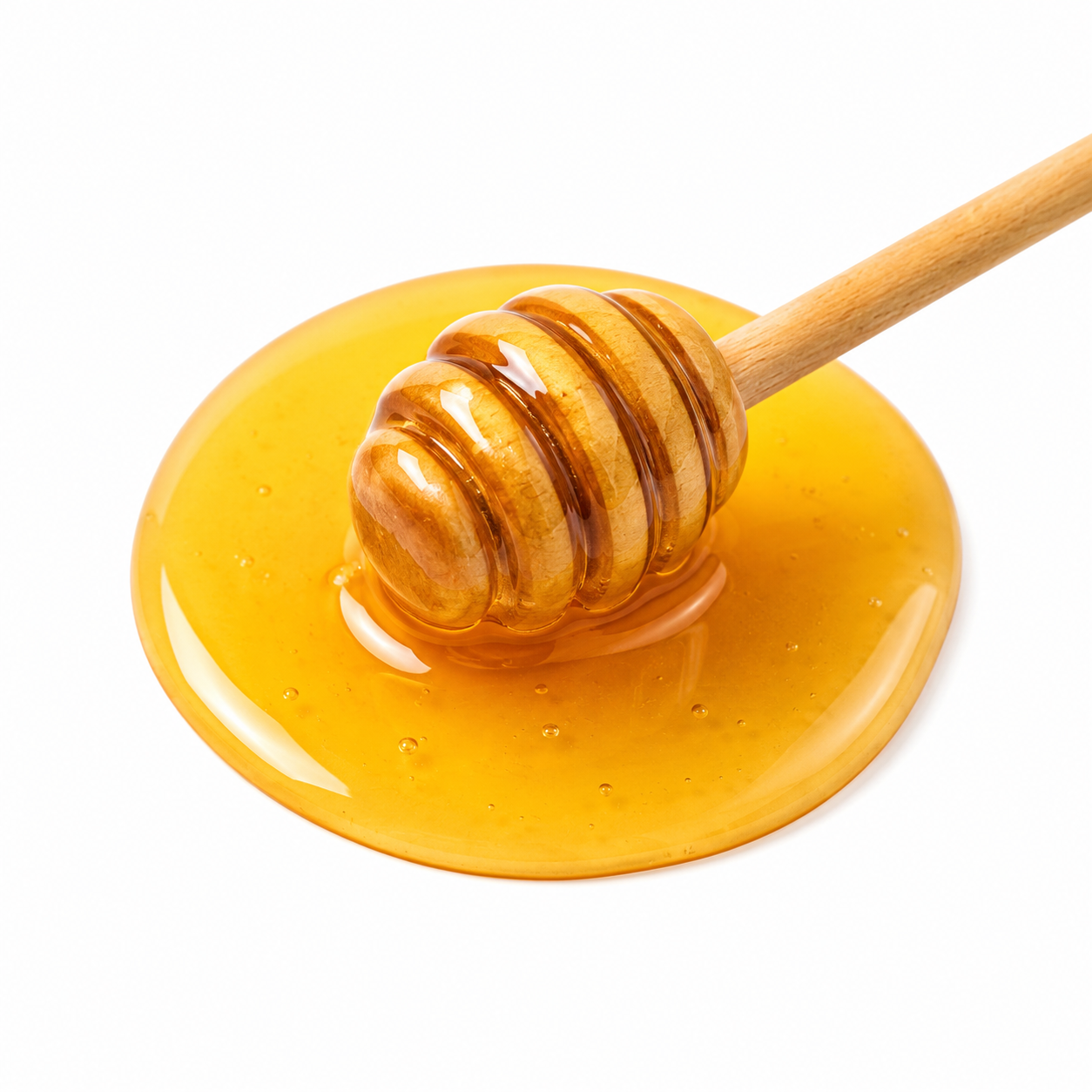
Honey
150 g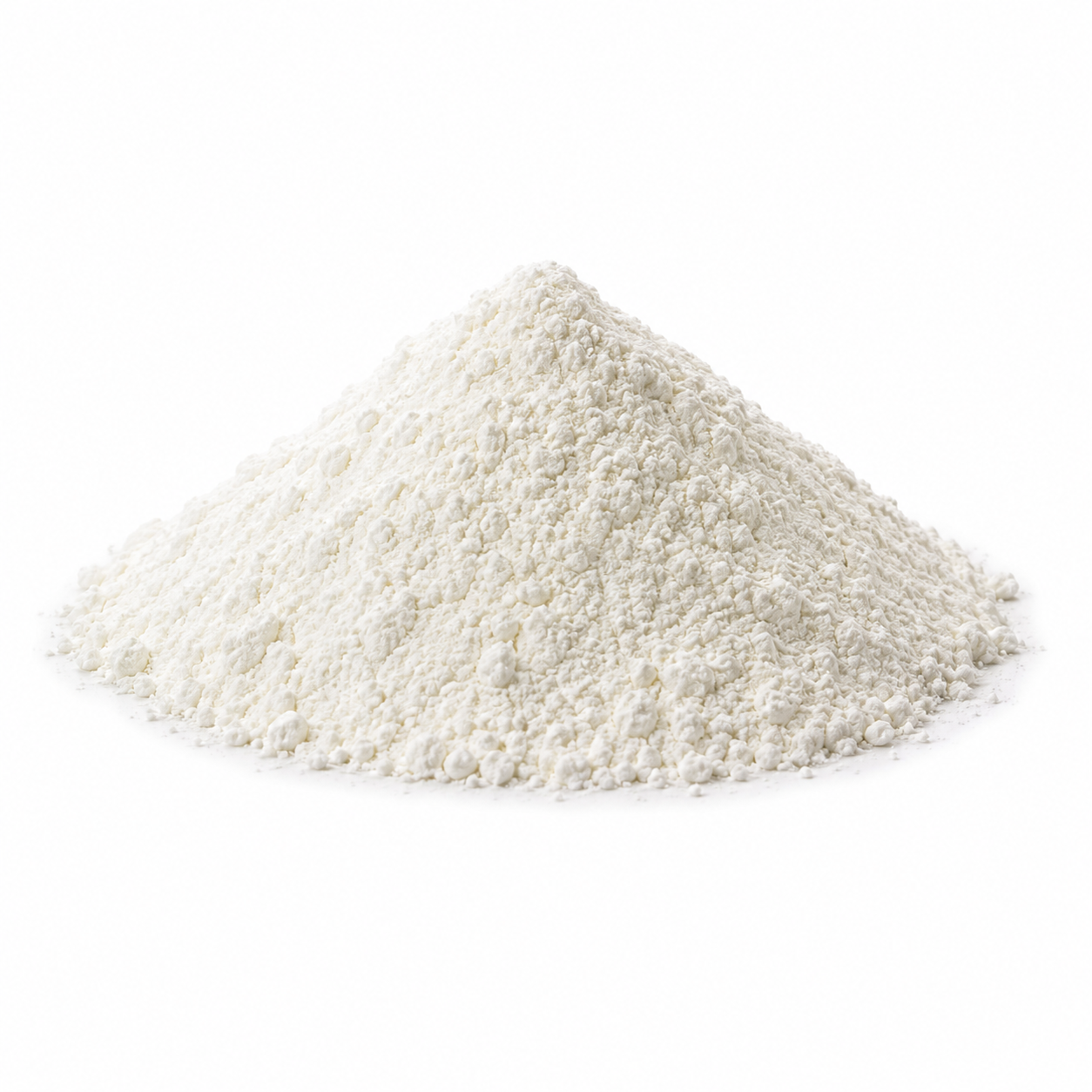
Type 00 flour
100 g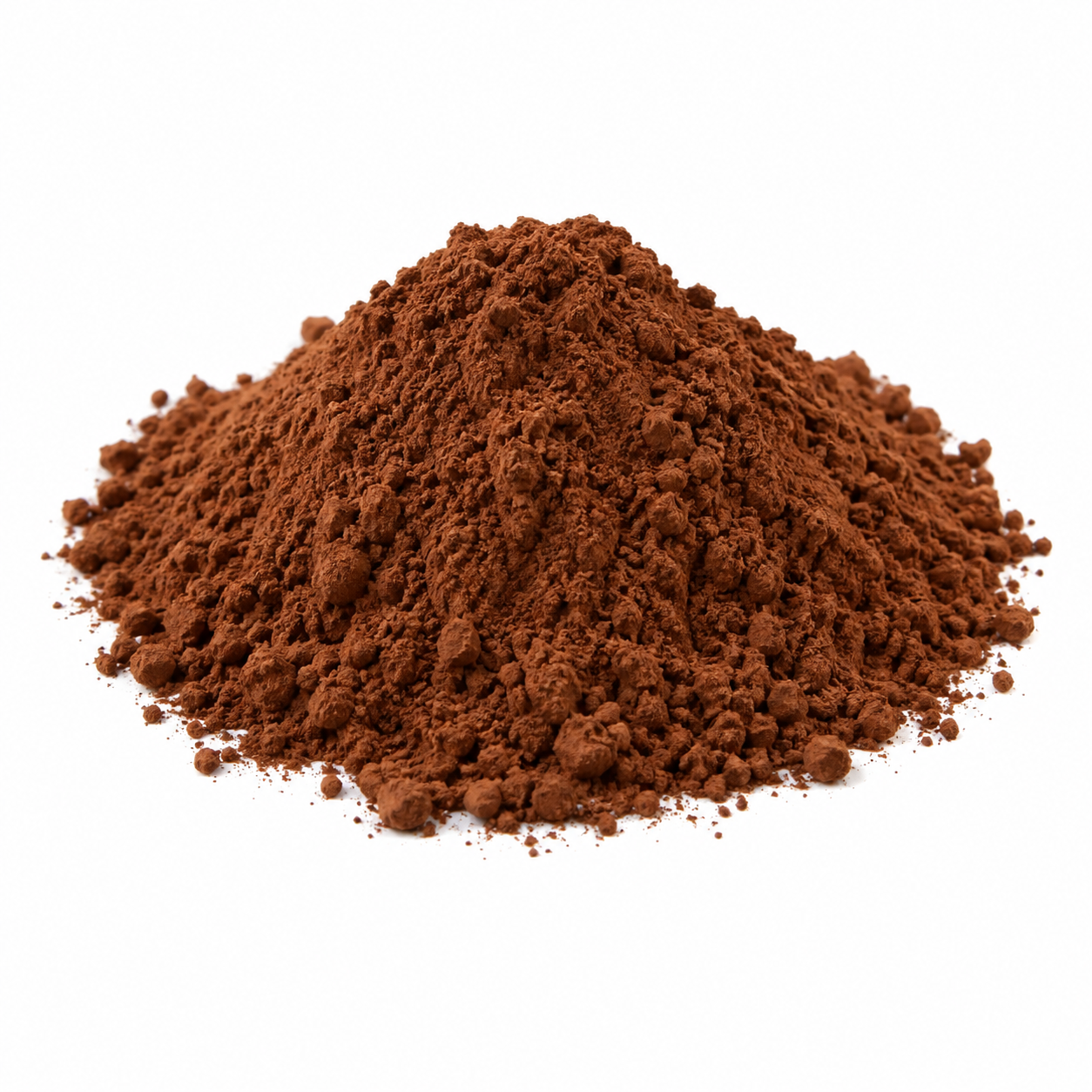
Unsweetened cocoa
50 g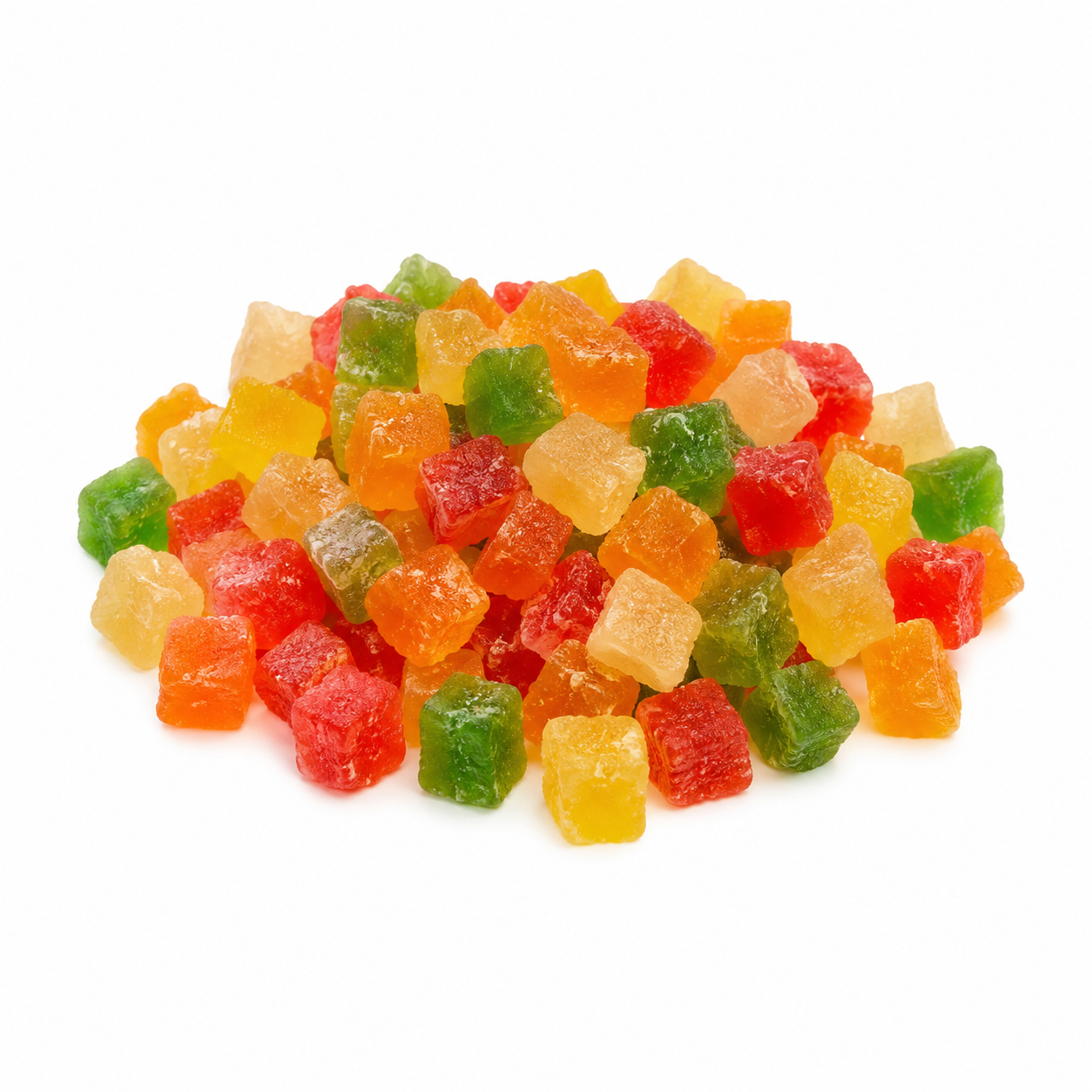
Mixed candied peel
50 g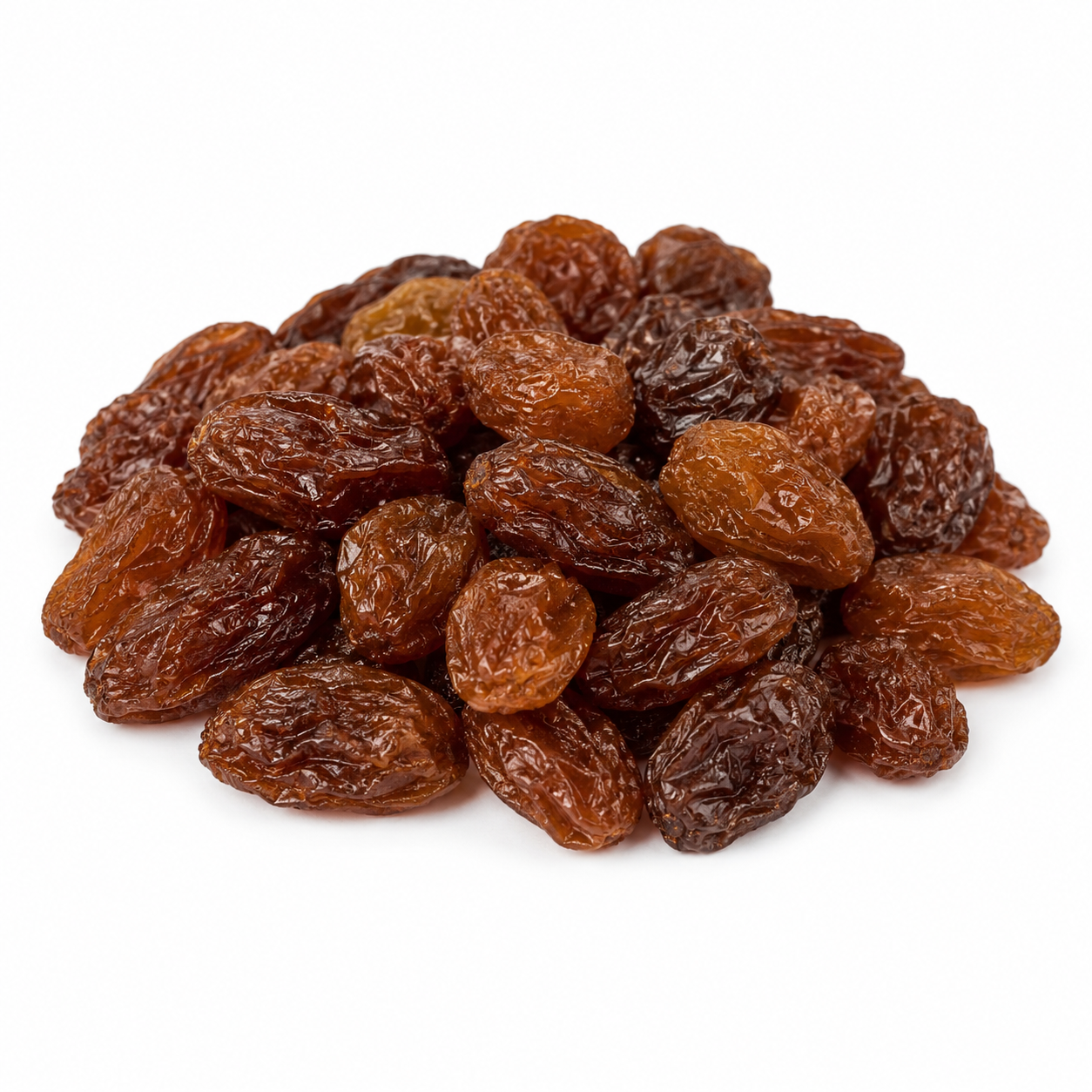
Raisins
50 g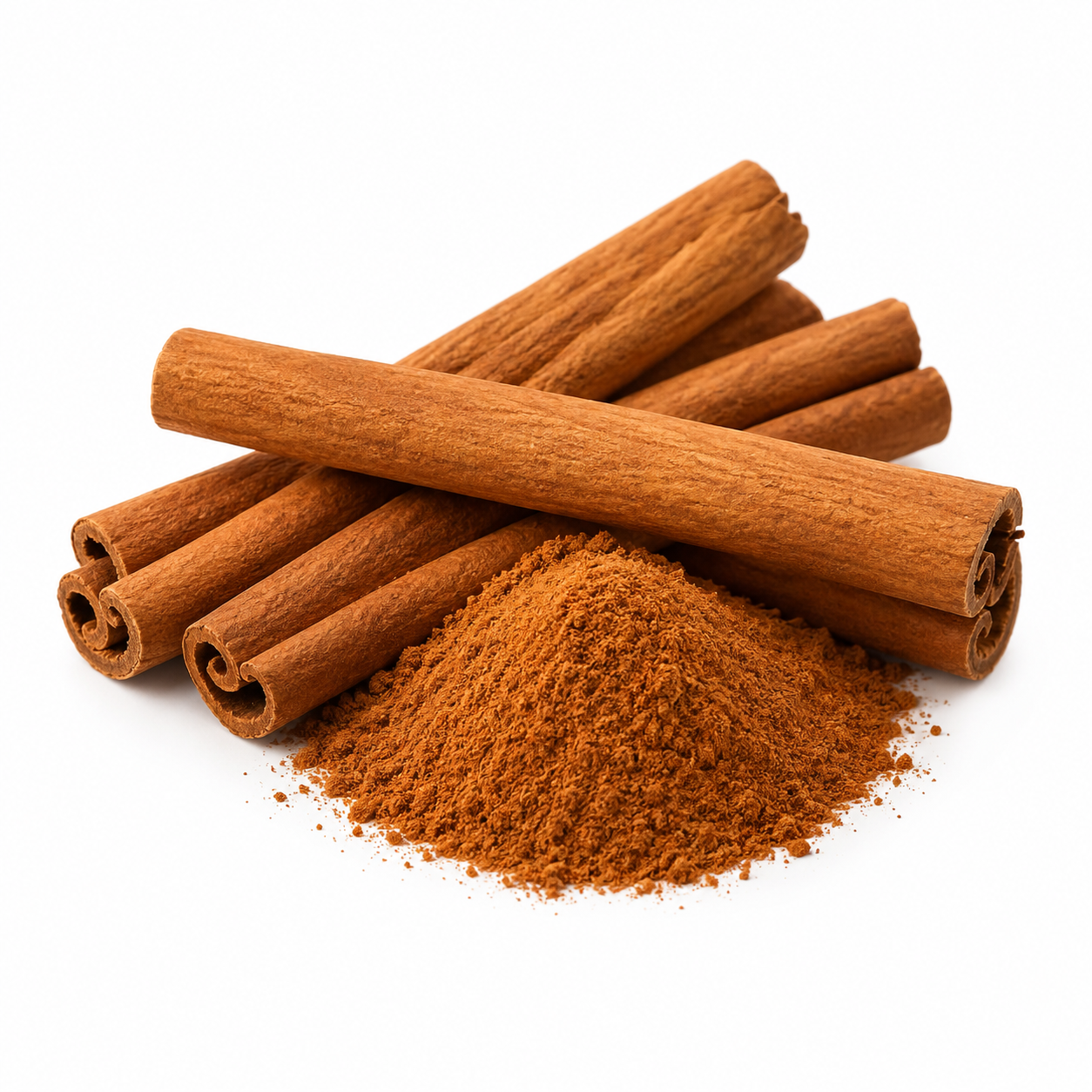
Cinnamon
1 teaspoon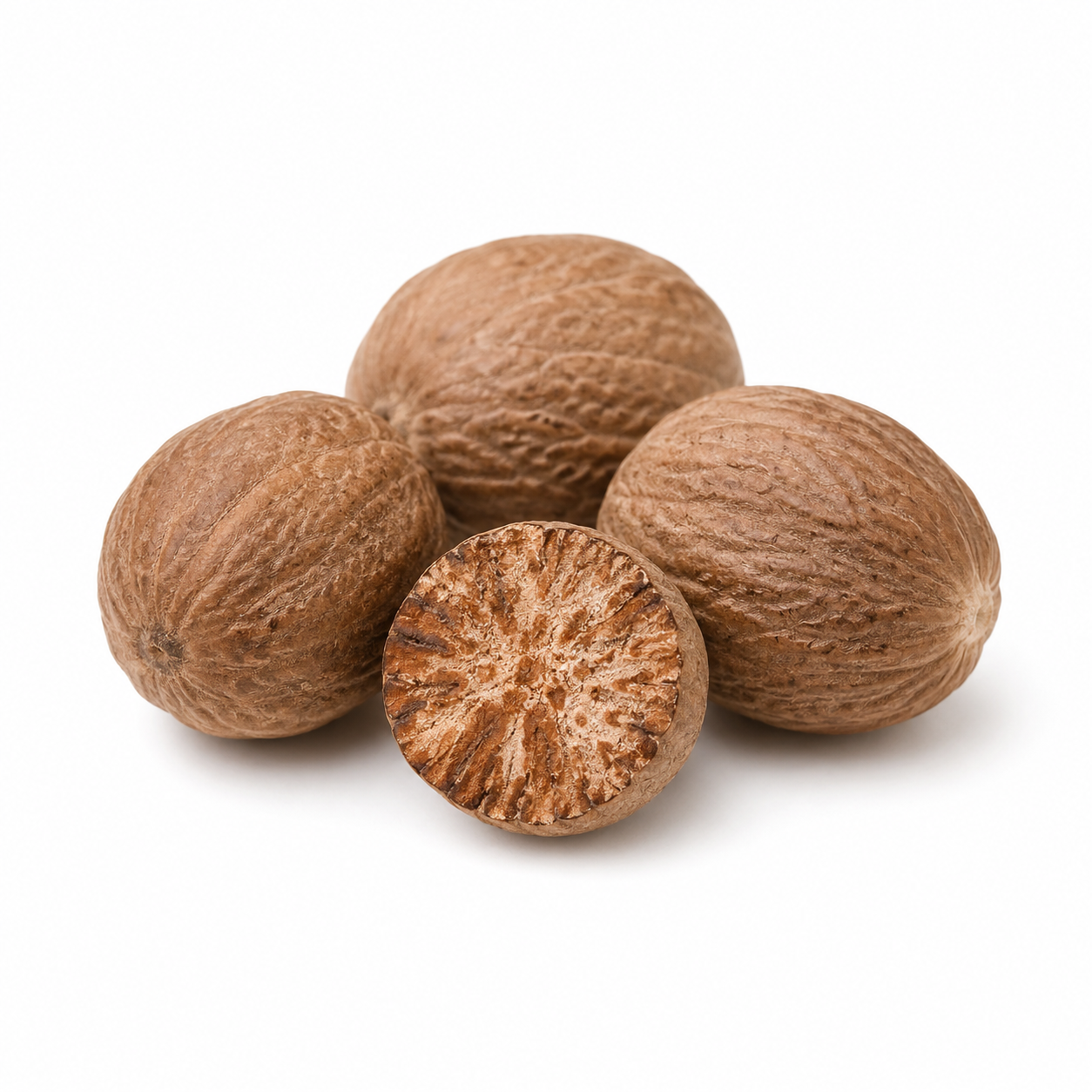
Nutmeg
as needed
Water
as needed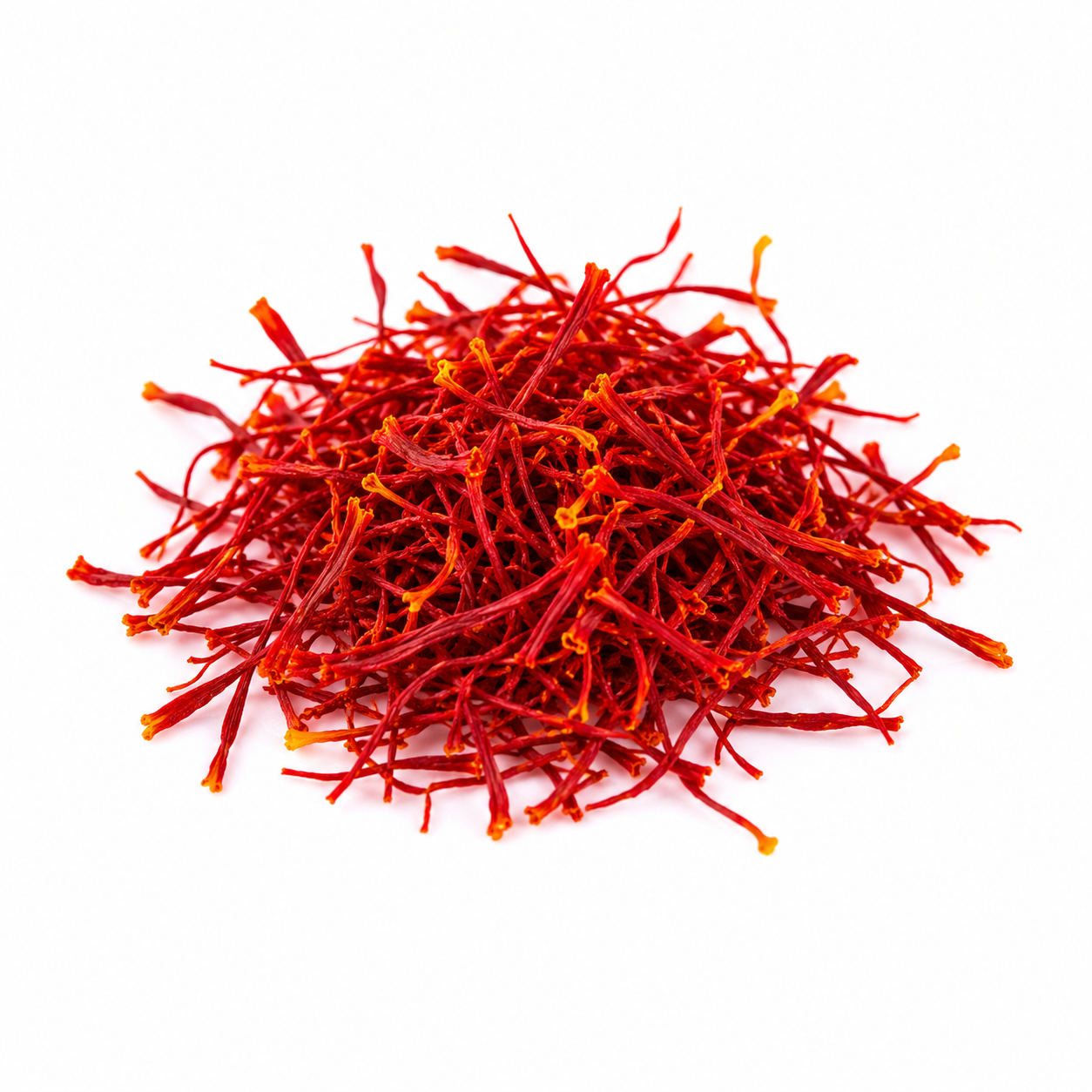
Saffron
for the glazeThe secret is not to make the mixture too soft: it should remain firm, rich and easy to shape so it holds its form while baking.
Step by step
From the dried fruit to the golden glaze: a few richly scented steps create an ancient, compact and intensely flavoured sweet.
01
Nuts and dried fruit
Prepare the dried fruit and nuts
Roughly chop the almonds, hazelnuts and other nuts, then combine them in a bowl with the candied peel and raisins.
Use now
Nuts and dried fruit
Candied peel
Raisins
Nuts and dried fruit
Candied peel
Raisins
02
Miele e spezie
Add the honey and spices
Pour in the gently warmed honey and add the cocoa, cinnamon and nutmeg, mixing all the ingredients thoroughly.
Use now
Honey
Cocoa
Cinnamon
Nutmeg
Honey
Cocoa
Cinnamon
Nutmeg
03
Impasto
Work in the flour
Add the flour a little at a time until the mixture is firm, fragrant and easy to handle.
Use now
Flour
Flour
04
Forma
Shape the pangiallo
Shape the mixture into a rounded loaf, slightly flattened on top.
Press the sweet firmly with your hands before adding the glaze.
05
Glassa
Prepare the glaze
Mix flour, water and saffron to make a soft yellow cream, then spread it over the surface of the sweet.
Use now
Flour
Water
Saffron
Flour
Water
Saffron
06
Servizio
Bake and leave to cool
Bake in a preheated oven at 180°C for about 35–40 minutes, then leave to cool completely before serving.
Remember
Honey
Saffron
Honey
Saffron
Frequently asked questions
Recipe FAQ
Six practical answers about the ingredients, preparation, serving and storage of Pangiallo.
What is Pangiallo?
It is a traditional sweet from Lazio made with honey, dried fruit and nuts, spices, cocoa, candied peel and other simple but deeply flavourful ingredients. It is an ancient preparation often associated with Christmas and festive tables.
What ingredients are used?
The most common ingredients are honey, almonds, walnuts, hazelnuts, raisins, cocoa, candied peel, spices and flour. Each family may have its own version, passed down over time according to local tradition.
Why is it called Pangiallo?
The name refers to the golden or yellow colour of the outer coating, associated with light, abundance and celebration. In traditional versions this colour came from a pale glaze enriched with spices such as saffron.
When is it prepared?
The recipe is mainly prepared during the Christmas season, although it can also be enjoyed at other times of year as a traditional dry sweet. It is ideal at the end of a meal with sweet wine, liqueurs or other local products.
How should it be stored?
It keeps well for several days in a cool, dry place, preferably wrapped or sealed in a suitable container. The honey and dried fruit help it remain firm, fragrant and rich in flavour.
Si può preparare in anticipo?
Sì. Preparato uno o due giorni prima, il pangiallo ha il tempo di assestarsi e sviluppare meglio i profumi di miele, frutta secca, canditi e spezie.

Ricette della Sabina
Sabina comes to the table
Handmade pasta, olive oil, pulses, festive sweets and family recipes: keep exploring the flavours born in Sabina’s villages and kitchens.