

EVO and the local supply chain
From harvesting to milling, every producer shapes their oil through cultivars, blends, processing times and individual production choices.

Olive trees, landscape and tradition
Among historic olive groves, mills and producers, Sabina olive oil tells the story of a farming culture that brings together landscape, quality and local identity.
Olive groves, mills and olive oil culture in the Sabina landscape.
Discover the olive oilIn Sabina, olive oil is not a single label but an entire production landscape: olive groves, cultivars, mills, farms and families turning every harvest into a different expression of the area.
At the heart of the story are the extra virgin olive oils produced in the area, differing by cultivar, harvest year, blend, farming methods and milling choices. Sabina DOP and Olio di Roma IGP are separate designations reserved for products that meet their respective specifications; alongside them are estate EVO oils and local products that express the supply chain without holding a certification.
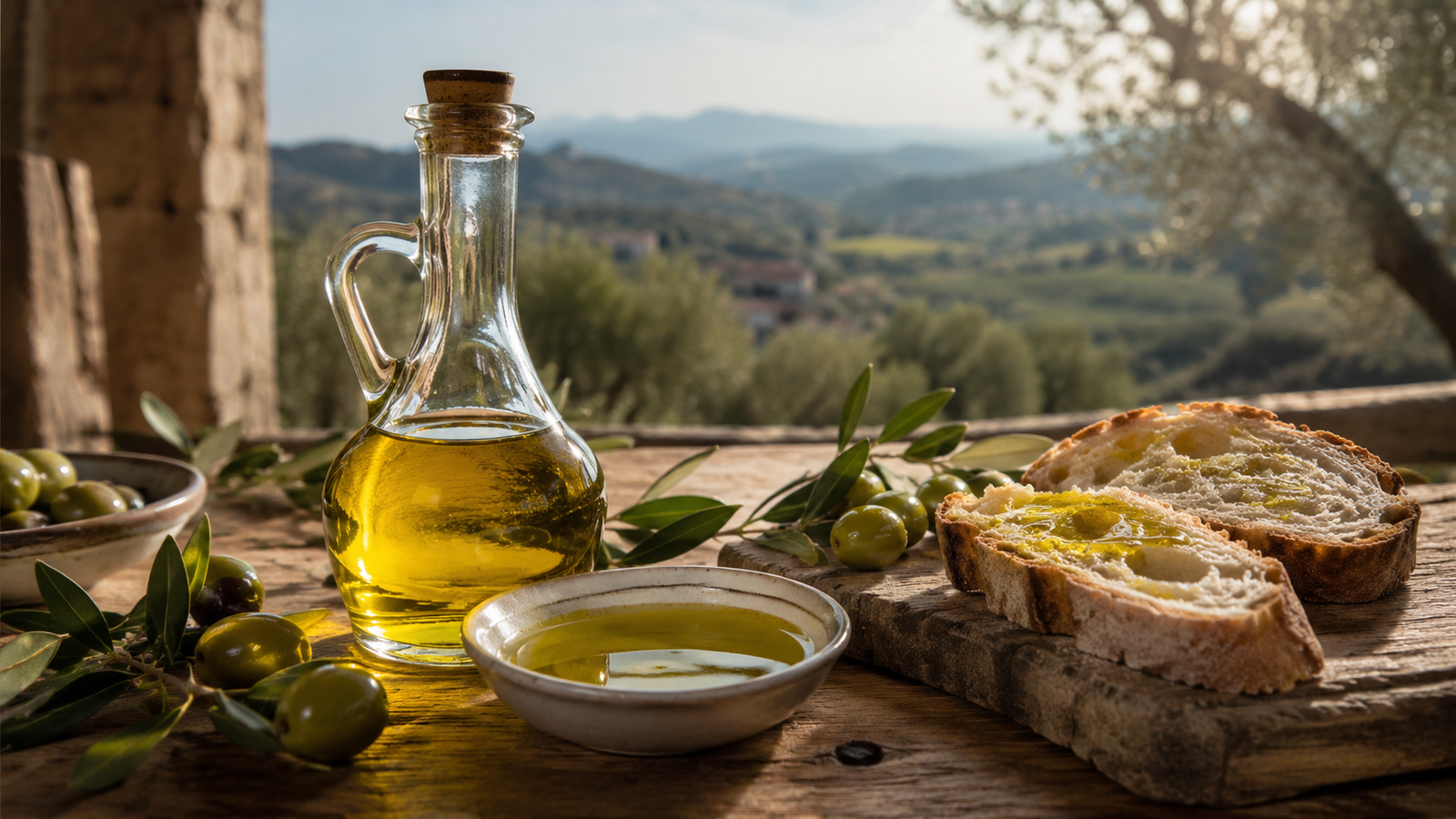
Every harvest changes with the cultivar, season and choices made by those who work with the olives.
From harvesting to milling, every producer shapes their oil through cultivars, blends, processing times and individual production choices.
Carboncella, Olivastrone, Rosciola, Salviana and other varieties contribute to the olive-growing richness of Lazio and Sabina.
Sabina DOP and Olio di Roma IGP follow different specifications; BDS also showcases local EVO oils and mentions certifications only when they are genuinely held.
The quality of an olive oil develops throughout the supply chain: from the health of the olives and the timing of the harvest to transport, milling, extraction, storage and the producers' daily work.
Extra virgin olive oil is obtained directly from olives using mechanical processes only. Cultivar, ripeness, harvest year, milling times and mill choices all help create different oils: delicate or intense, monovarietal or produced from a balanced combination of varieties.
Sabina DOP and Olio di Roma IGP follow separate specifications covering territory, cultivars, processing and product characteristics. The designations must appear only on genuinely certified oils; an estate EVO oil can describe its origin without using those marks.
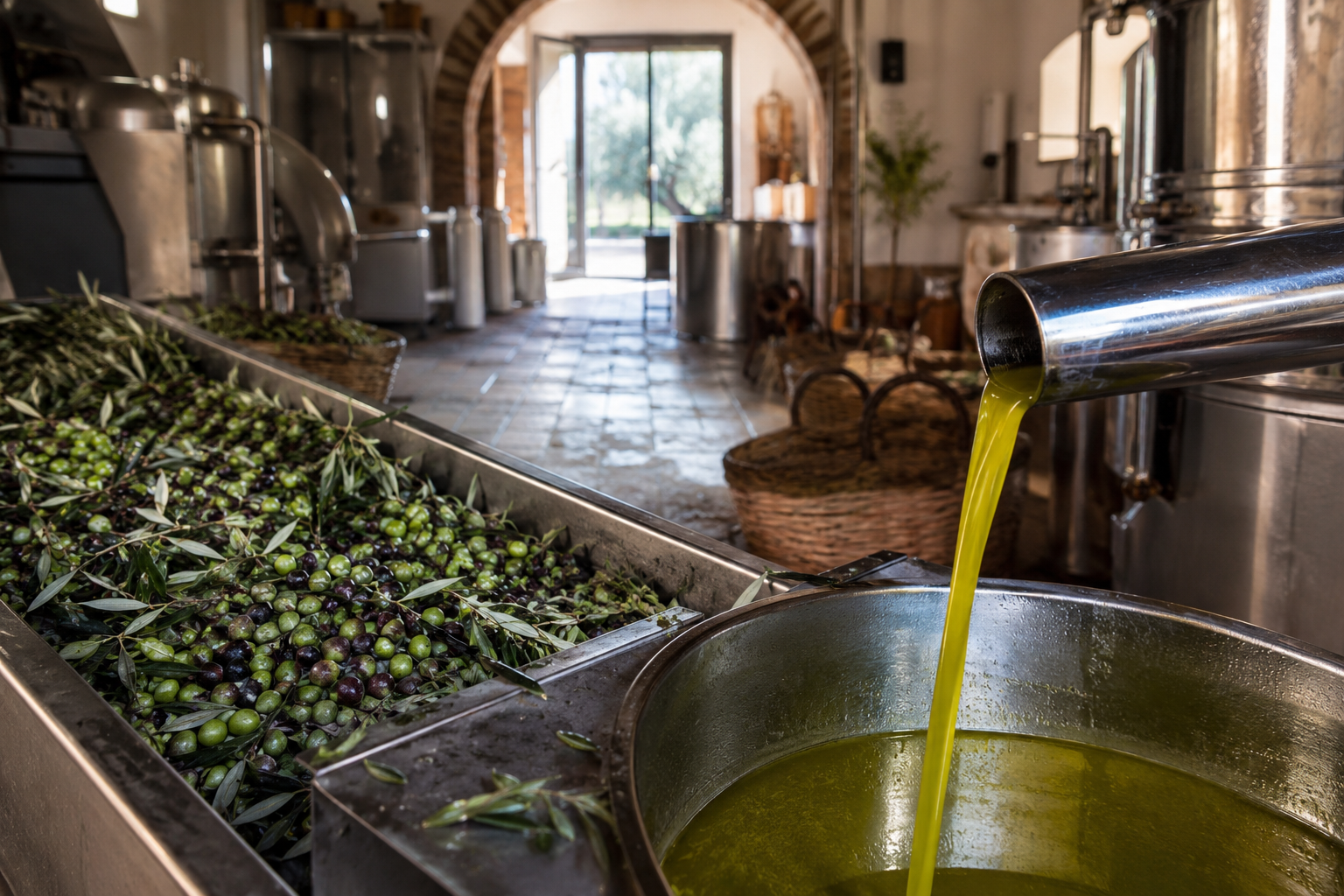
Quality does not come from a designation alone, but from olives, timing, technique and place.
Healthy olives, careful harvesting, rapid delivery, mechanical extraction and correct storage all influence the oil's profile and stability over time.
Olive varieties influence aroma, intensity and harmony. An oil may be monovarietal or made from a blend designed by the producer to achieve balance and consistency.
DOP and IGP identify controlled oils that comply with a specific production specification. They are not generic labels and should be associated only with products and businesses that genuinely hold the certification.
It is oil obtained directly from olives using mechanical processes only. To qualify as extra virgin, it must have acidity no higher than 0.8%, no sensory defects and a perceptible fruity character. Acidity alone, however, is not enough to describe its overall quality.
Sabina DOP and Olio di Roma IGP each have their own production areas, permitted cultivars, rules and parameters. Both may apply within Sabina, but neither automatically represents every oil produced here.
Check the oil category, declared origin and any DOP or IGP marks. Also consider the producer, harvest campaign when stated, and storage guidance: light and heat are enemies of quality.
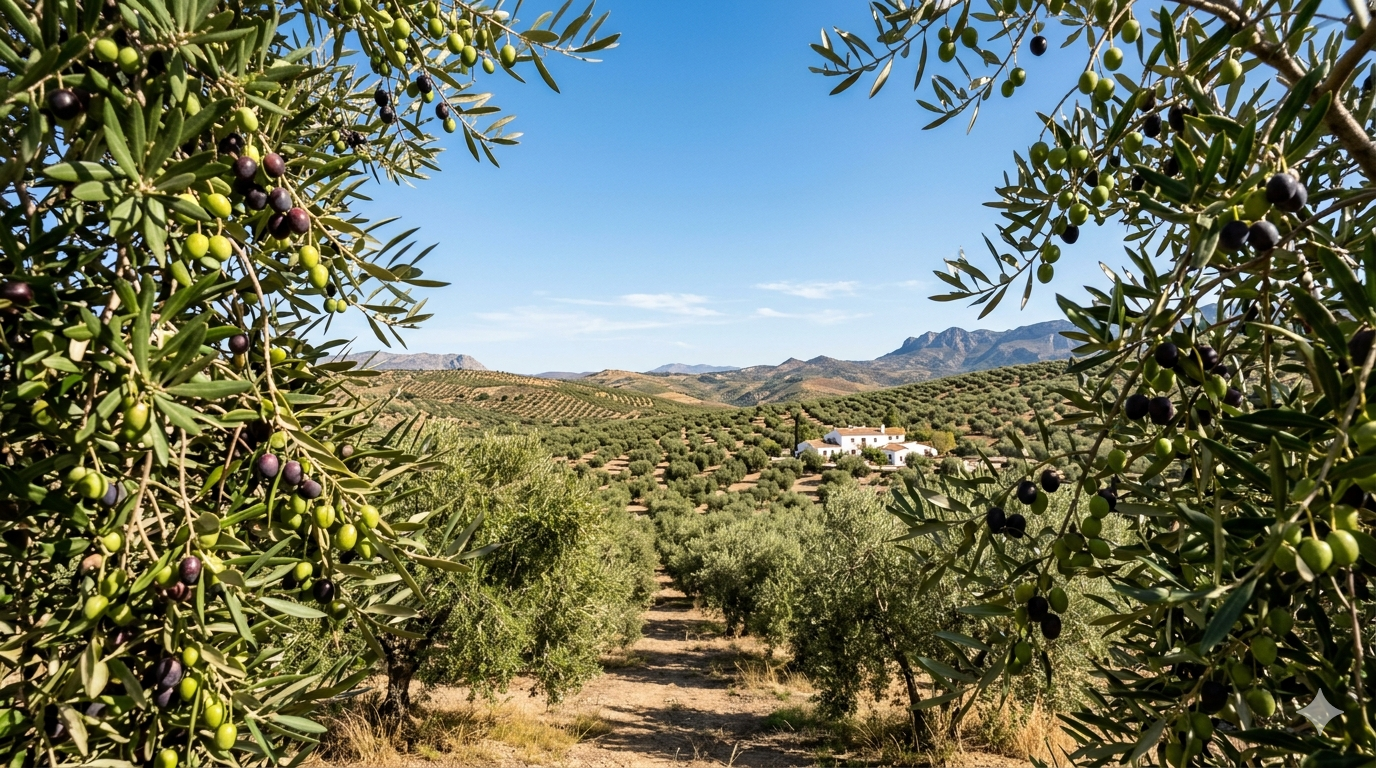
An area shaped by villages, countryside, olive groves and farming tradition.
Sabina olive oil comes from an area where olive growing is not merely agriculture but part of the landscape, lining roads, countryside, slopes, historic villages and local tables.
Telling the story of this olive oil also means telling the story of where it comes from: farms, mills, producers, restaurants and villages where olive oil culture remains a living part of local cooking and identity.
Sabina area across the provinces of Rome and Rieti.
Olive groves, countryside, villages and hills.
Producers, olive mills and farming tradition.
Sabina extra virgin olive oil accompanies local cooking in its simplest gestures: a slice of warm bread, a rural soup, homemade pasta or a dish served in the area's trattorias and agriturismi.
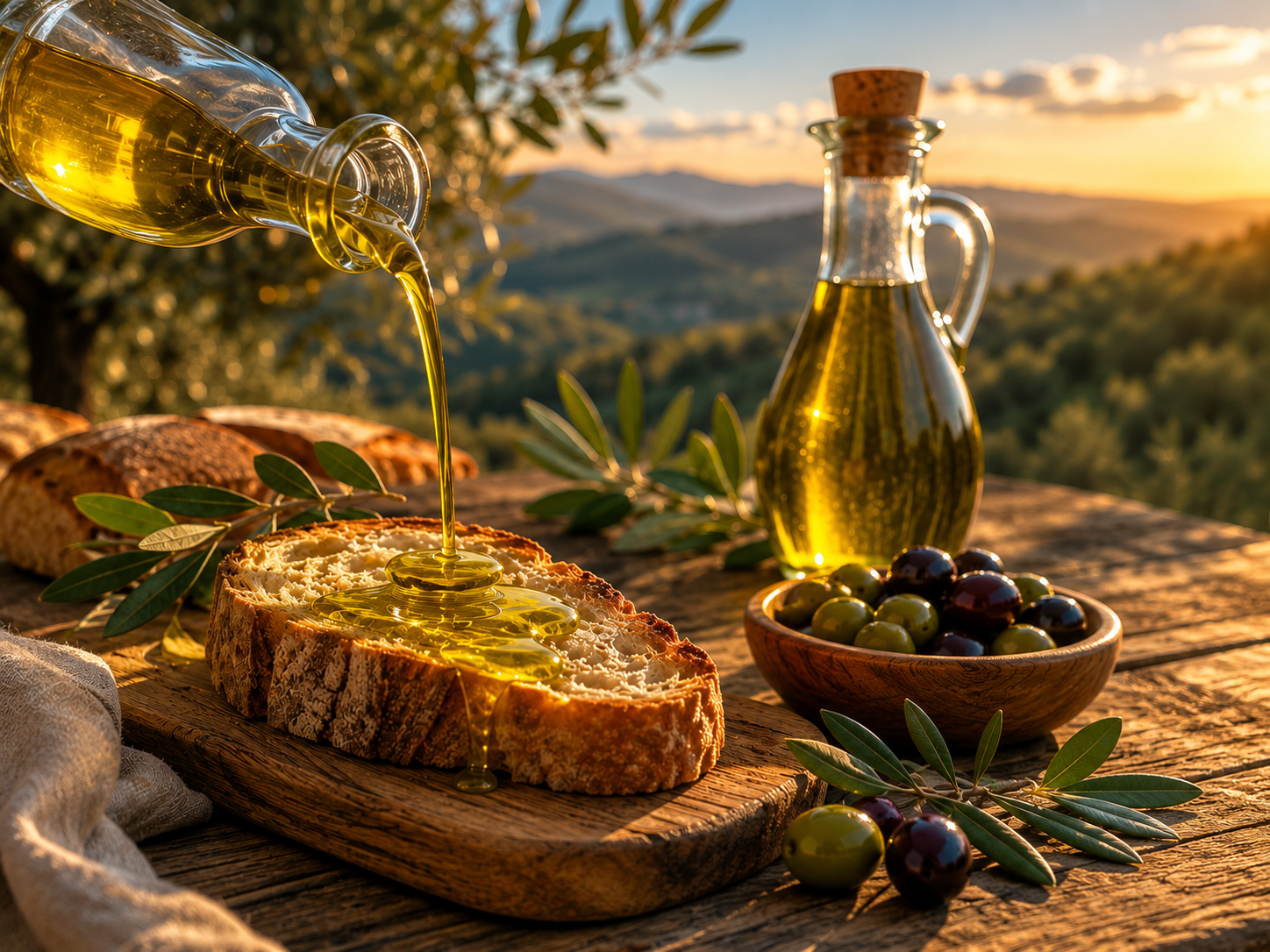
Bread, olive oil and a few ingredients: an essential combination that immediately expresses the character of Sabina cooking.
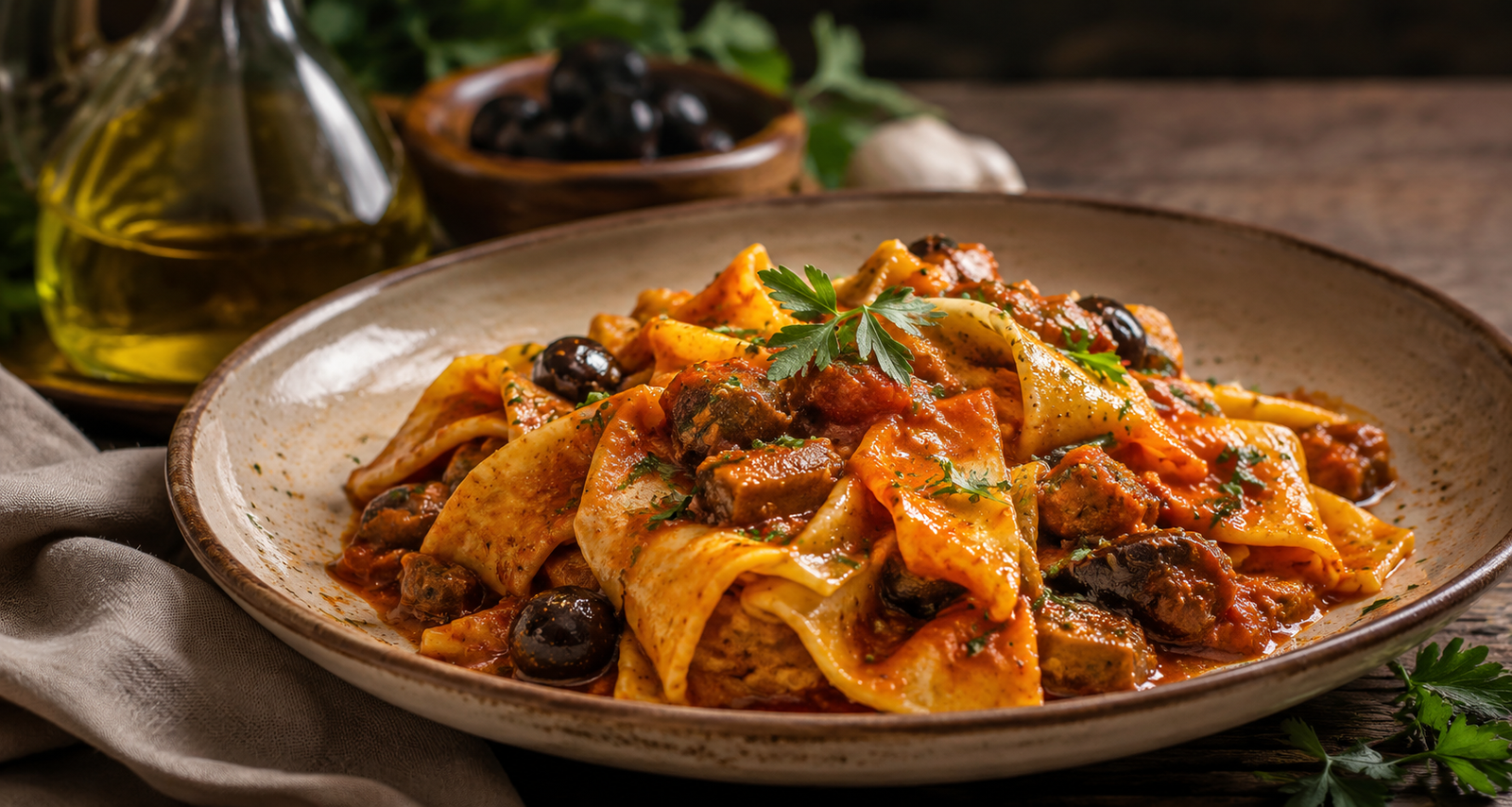
Olive oil accompanies sauces, dressings and simple recipes rooted in home cooking.
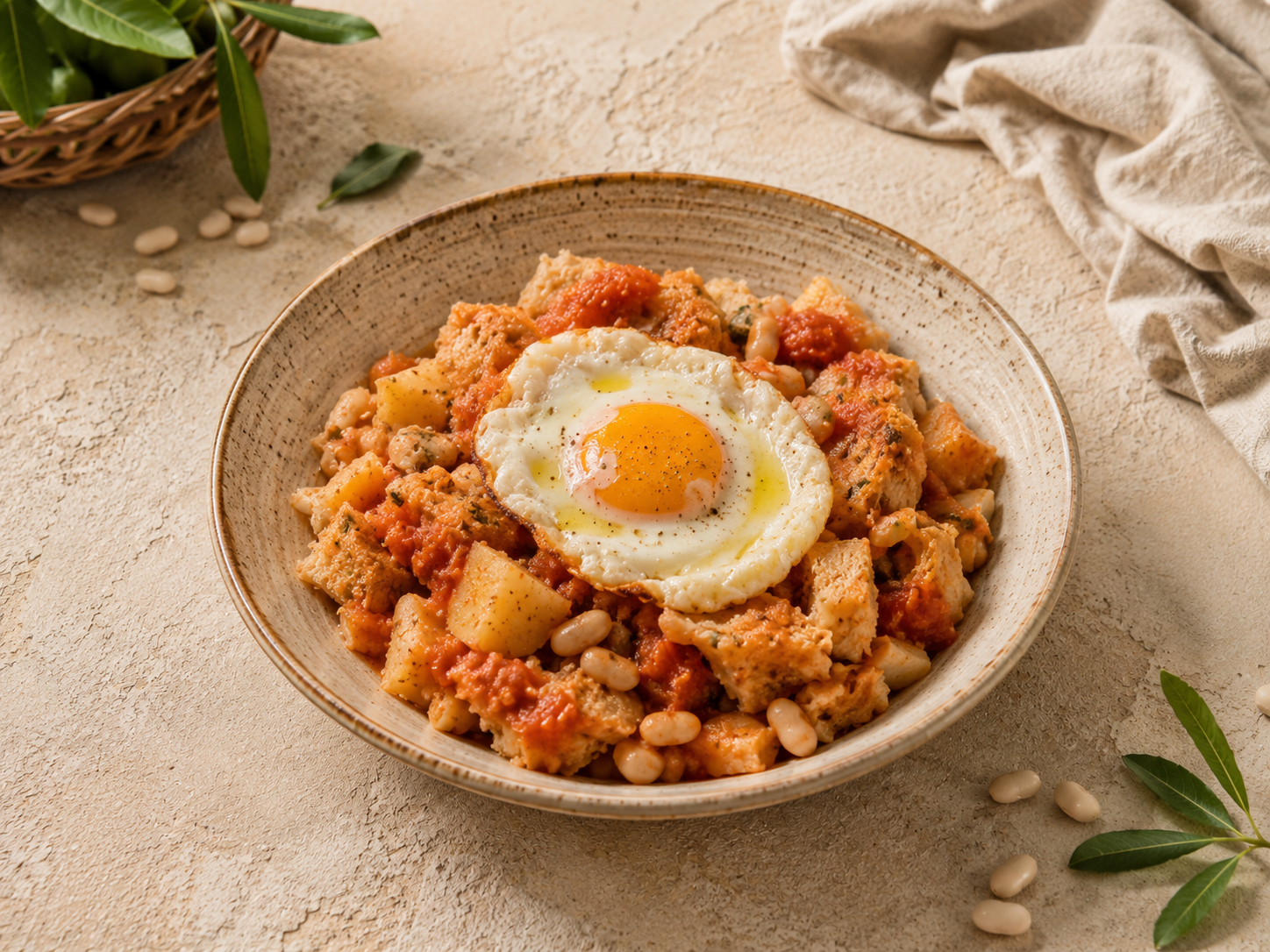
Recipes born from thrift and simplicity, where olive oil adds aroma and depth.
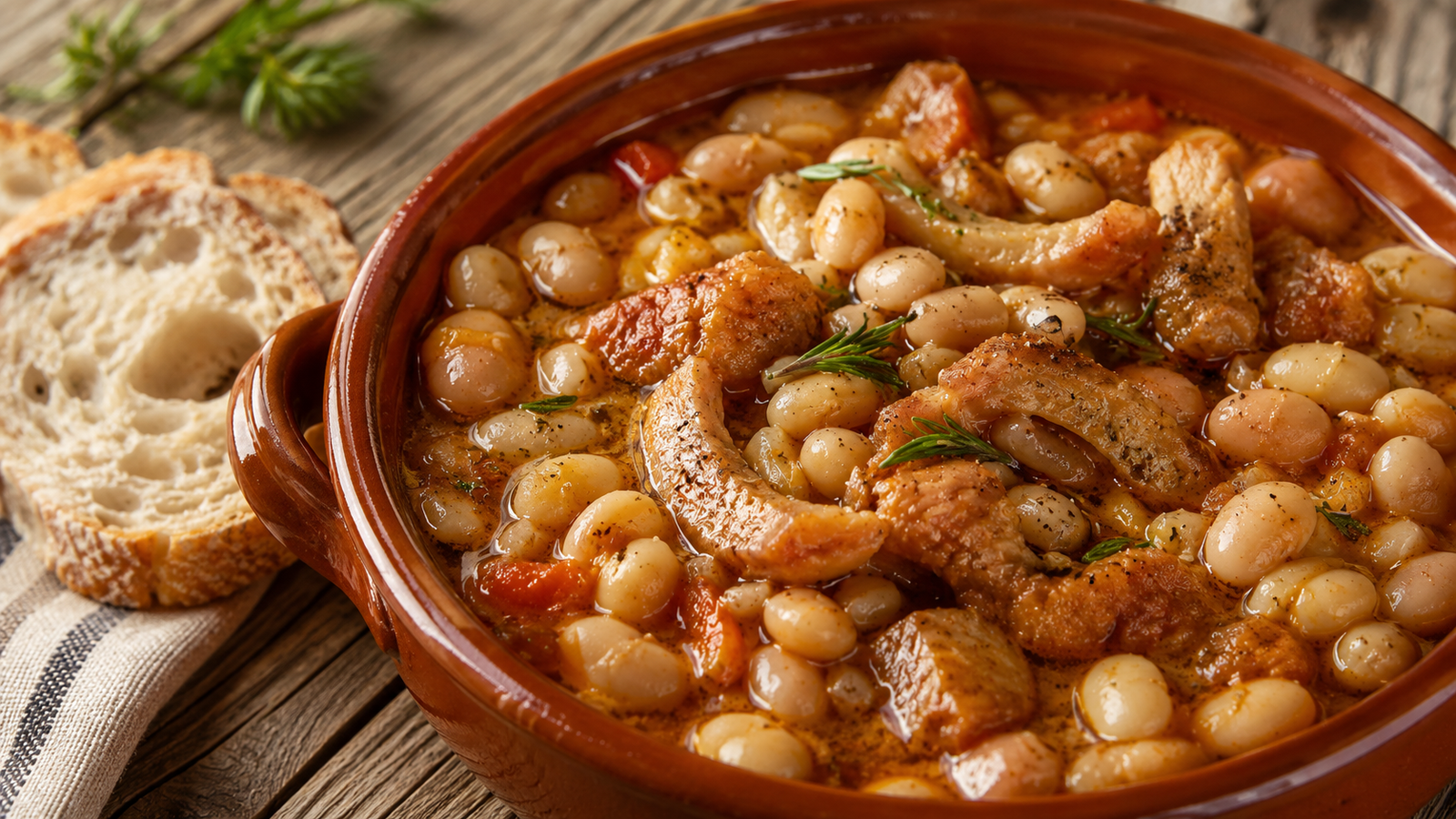
In richer dishes, olive oil remains a valuable foundation of regional cooking.
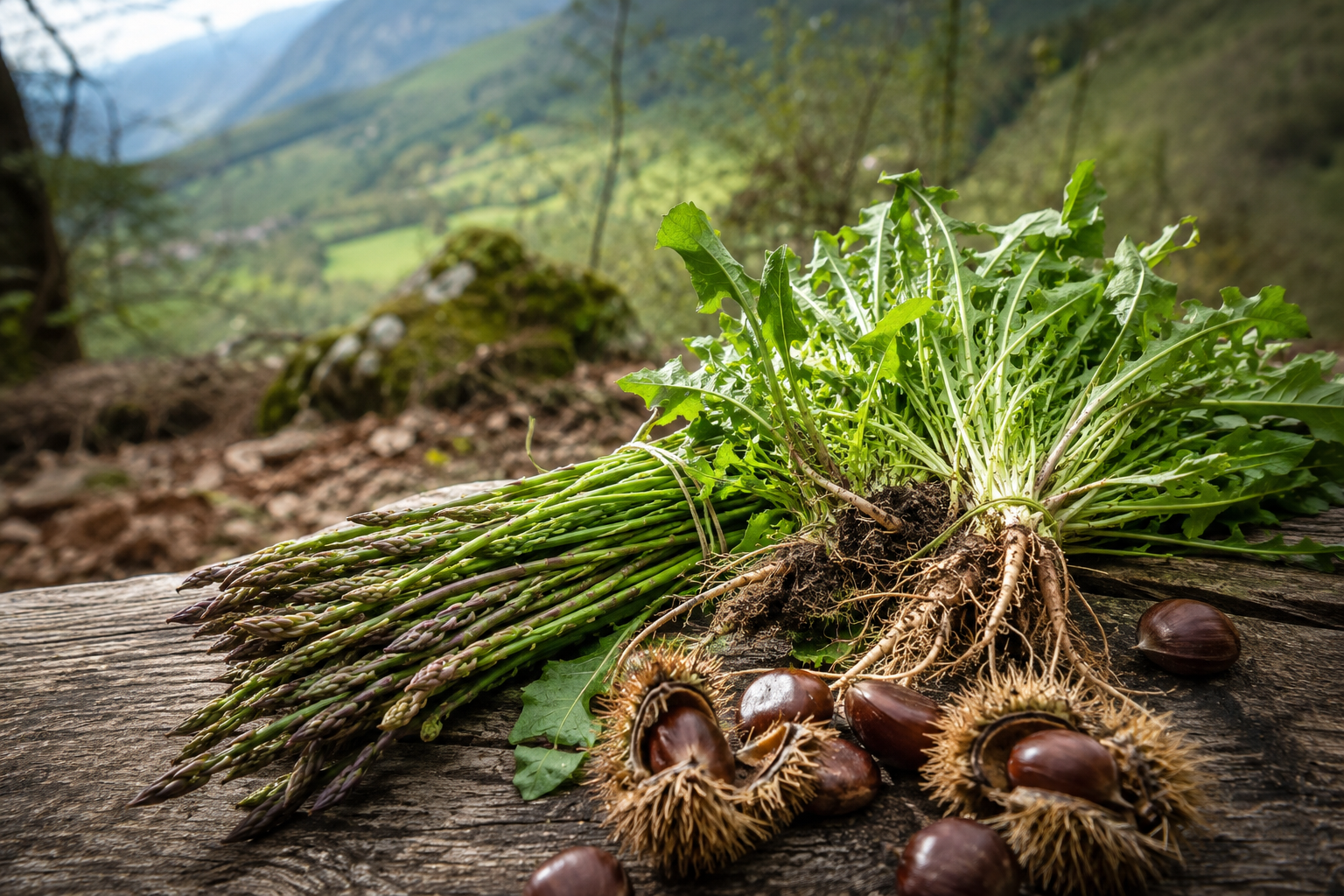
Vegetables, field herbs and seasonal produce find their natural dressing in olive oil.
Behind Sabina olive oil are farms, producers, mills and families keeping alive the relationship between the land, harvesting, processing and quality.
Visiting a local producer reveals the work that shapes the olive oil: the groves, harvest timing, care of the olives and the relationship between the product and Sabina's villages.
Places where olive oil is created through daily work on the land.
The essential step that transforms olives into extra virgin olive oil.
A direct way to discover the area's flavours, aromas and producers.
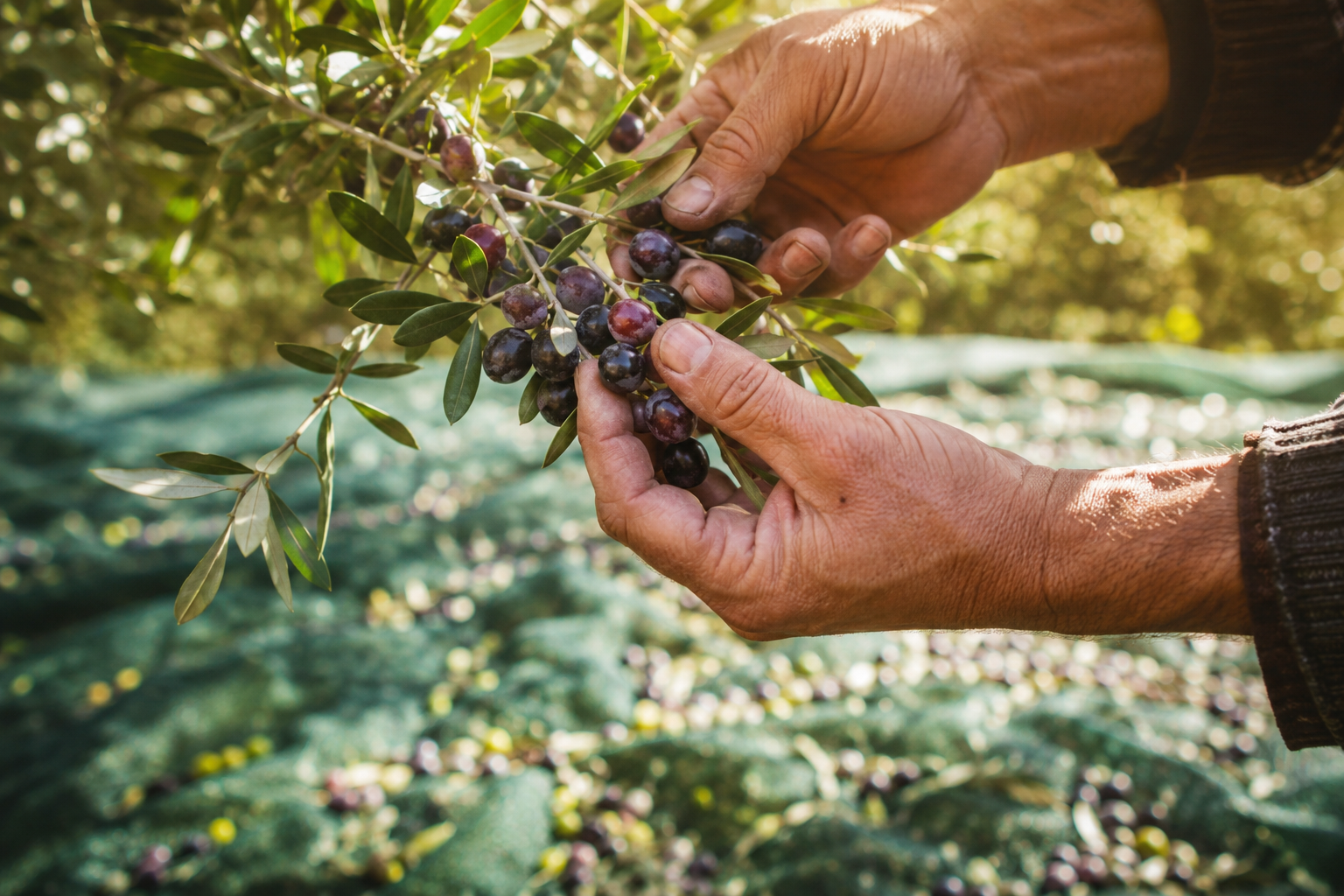
A journey connecting olive groves, producers, mills and local tables.
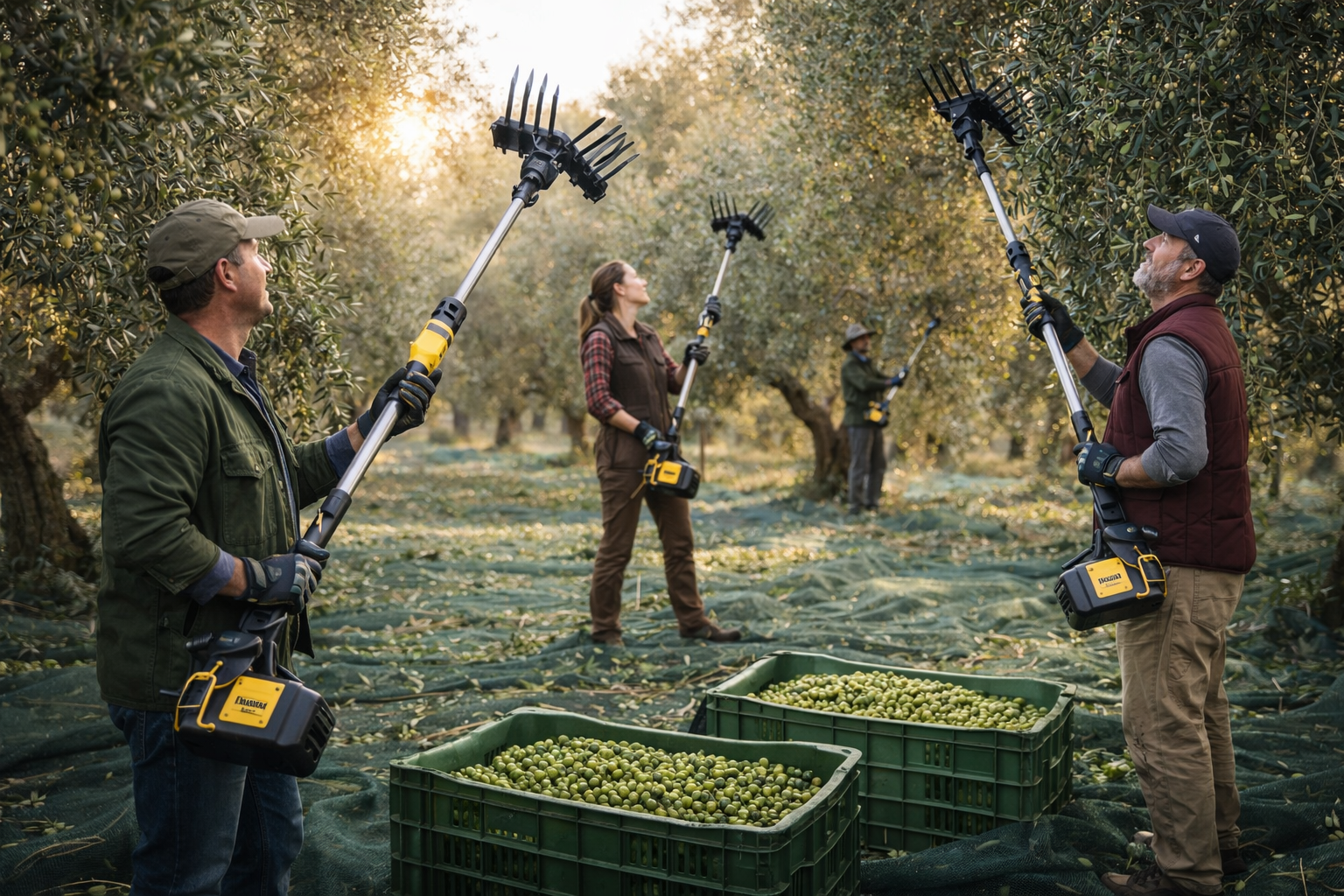
Olive oil is not discovered only at the table: you encounter it where it is made, in producers' stories, during farm visits, in villages and across the landscapes shaped by Sabina's olive-growing culture.
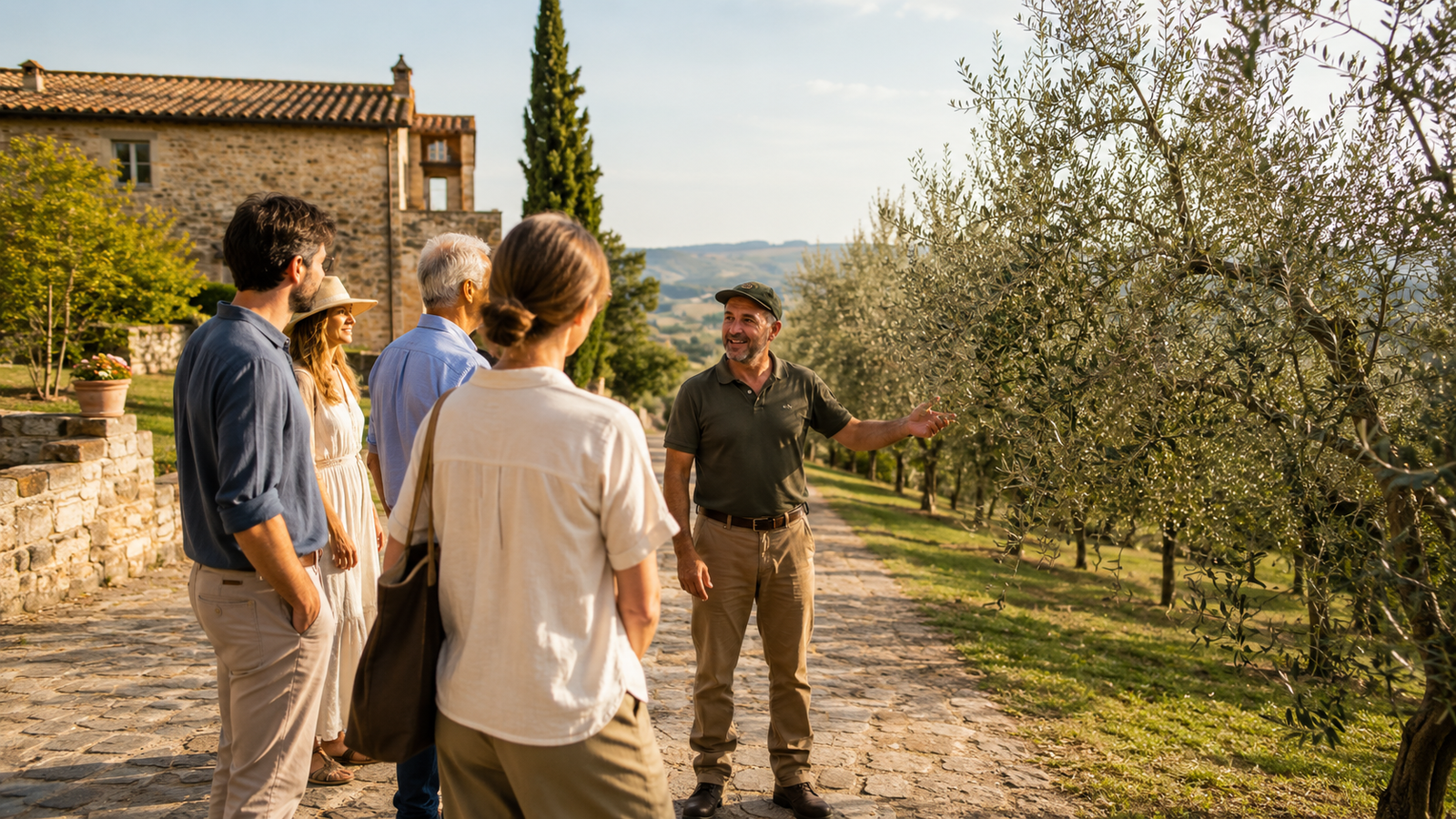
Meeting olive oil producers reveals aromas, methods, seasons and small details that make the product more immediate and recognisable.
Olive groves accompany many views across Sabina and become part of the visitor experience among countryside, villages and scenic roads.
Tasting olive oil helps you recognise intensity, balance, green notes and the character of its place of origin.
In local dishes, olive oil becomes part of the area's food identity, from bruschetta to rural recipes.
Every village can reveal a different part of olive oil culture: landscape, cooking, producers and traditions.
Six answers to help you recognise, choose, taste and store extra virgin olive oil produced in the area.
We are describing an entire production landscape: olive groves, cultivars, harvesting, mills, farms, direct sales and food culture. The page does not place every local oil under a single certification; it presents estate EVO oils, certified products and different supply-chain choices together.
Extra virgin olive oil is obtained directly from olives by mechanical means and must meet precise chemical and sensory requirements. These include free acidity no higher than 0.8%, no sensory defects and a perceptible fruity attribute during tasting.
They are two separate geographical indications, each governed by its own specification. Their production areas, permitted cultivars, percentages, requirements and labelling rules differ. Both protect origin, but they are not synonyms and cannot be used as generic terms for every local olive oil.
Check the oil category, declared origin, producer or packer, quantity, best-before date, batch and storage instructions. When DOP or IGP appears, the designation and symbol must refer to an actual certification, not merely to geographical provenance.
Farms, olive mills, shops, agriturismi, restaurants and local events are the best places to look. Buying directly lets you learn about the harvest year, cultivar, picking times, processing method and any certifications, as well as the real story of the people who make the oil.
Keep it tightly closed and away from light, heat and temperature changes. It can be used both raw and in cooking, choosing the profile that best suits the dish: bruschetta, pulses, soups, vegetables, meats, pasta dishes and traditional recipes are among the most natural pairings in Sabina cuisine.
From olive groves to mills, discover Sabina DOP, learn how to read the label and meet the people preserving a thousand-year-old tradition between Rome and Rieti.