

Recipes from Sabina
Sagne alla Molinara
An ancient and genuine dish from Sabina tradition: handmade pasta prepared with a few simple ingredients and served with a rich, rustic and fragrant sauce that tells the story of the region’s country cooking.
The recipe
Country-style pasta alla molinara
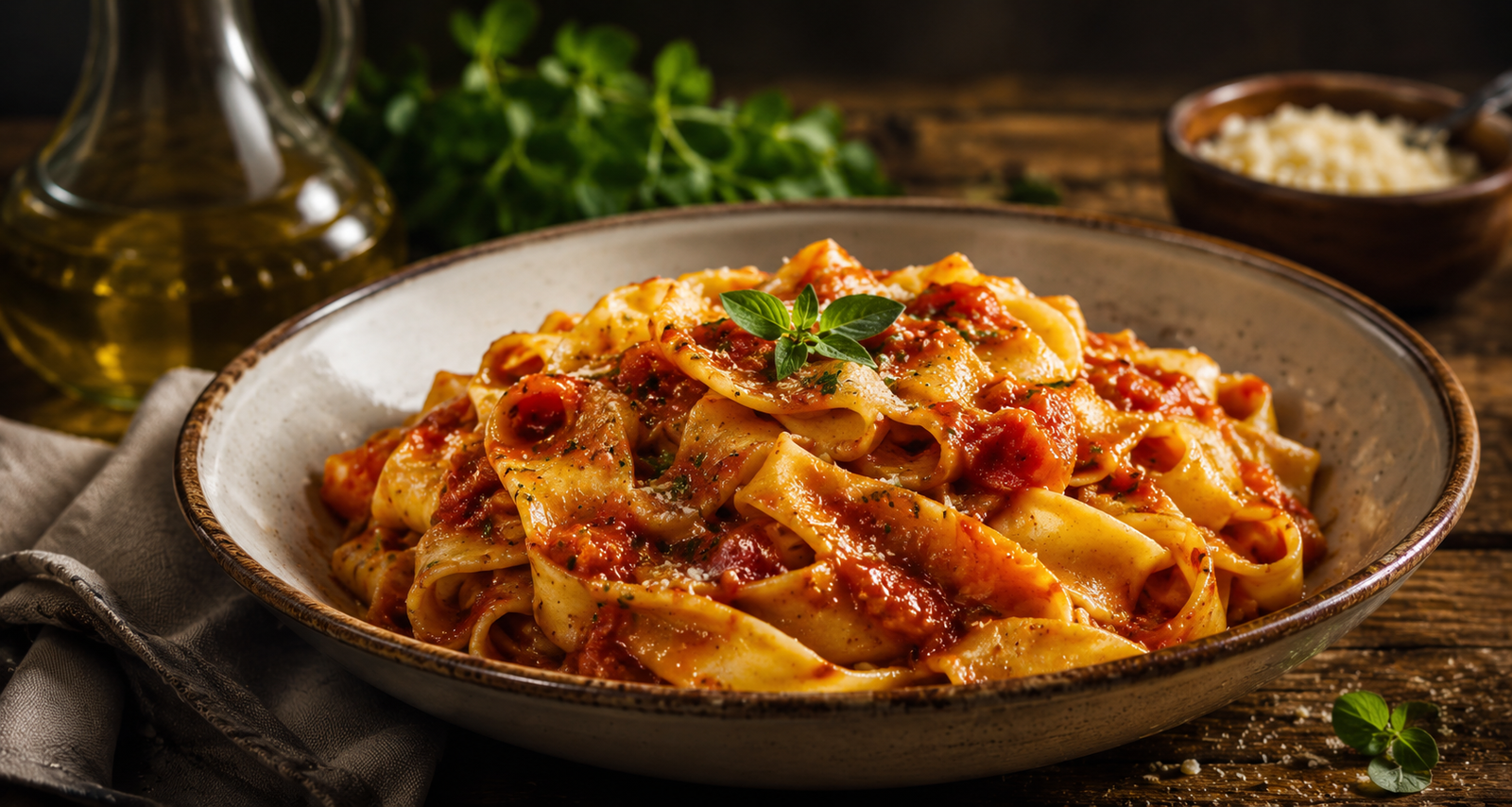
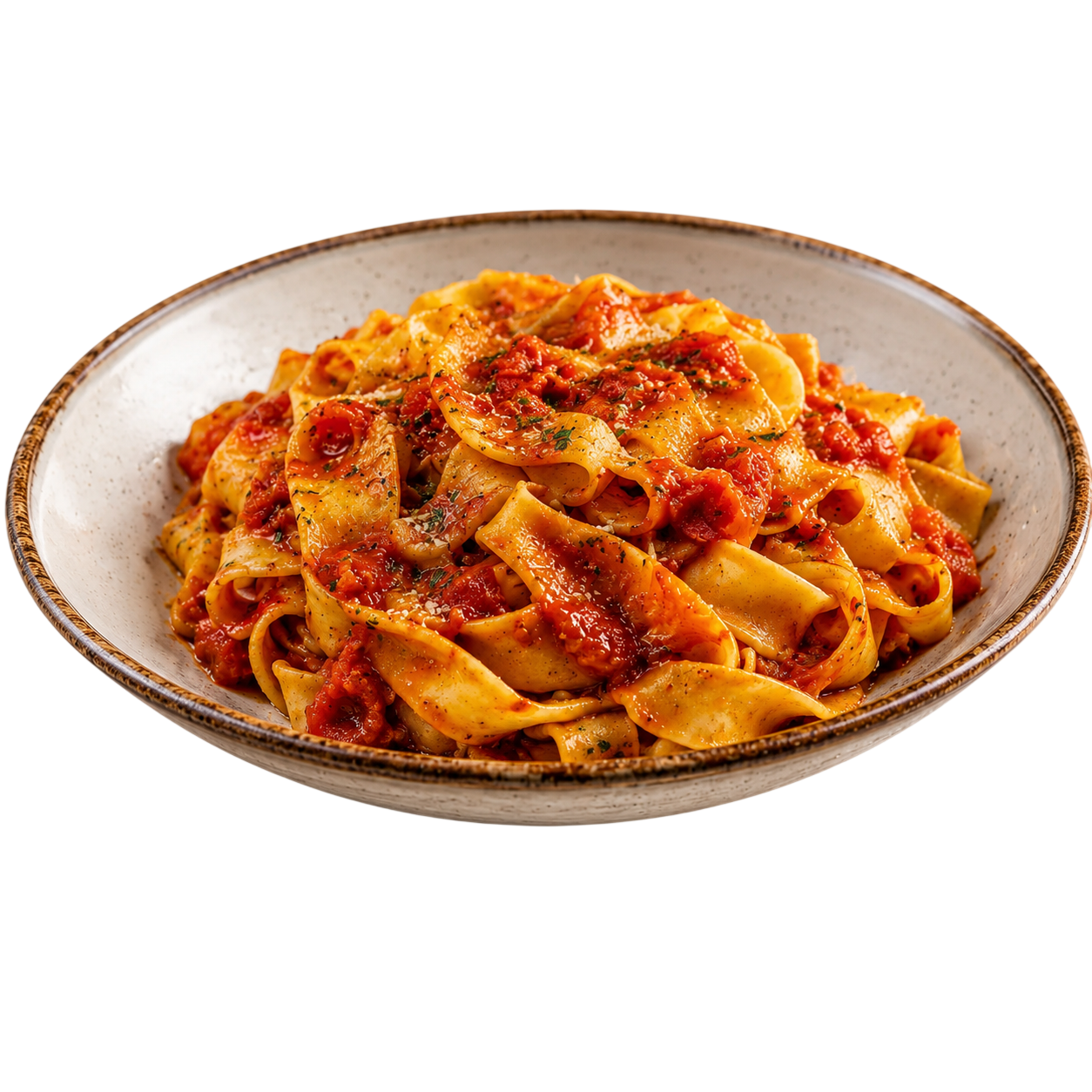
Sagne alla Molinara preserve the soul of Sabina country cooking: thick, rustic handmade pasta made from a few simple ingredients and dressed with a tomato sauce enriched with extra virgin olive oil, garlic, chilli pepper and fresh marjoram.
It is a dish that recalls village tables, where every element comes from simplicity and the quality of the ingredients. The pasta’s irregular texture holds the sauce and makes every mouthful generous, warming and authentic.
Handmade pasta
Olio EVO della Sabina
Sugo rustico
Cucina di paese
Ricetta contadina
Consiglio della tradizione
To enhance the flavour of Sagne alla Molinara, add freshly torn marjoram at the end and toss the pasta directly in the sauce with a little cooking water.
Few ingredients, the taste of home
Thick, rustic handmade pasta meets a simple and fragrant sauce of tomato, extra virgin olive oil, garlic, chilli pepper, marjoram and local pecorino.
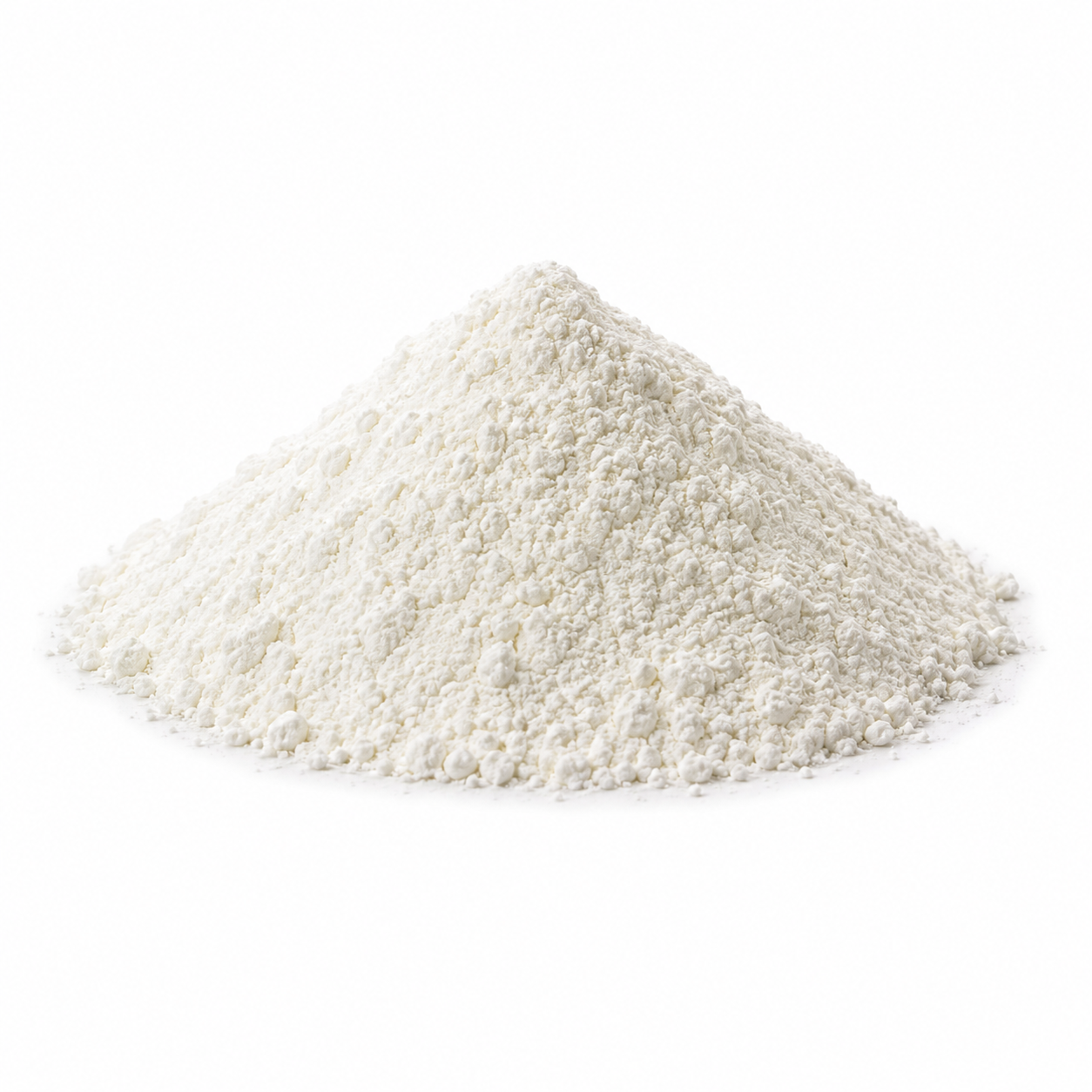
Type 0 flour
400 g
Warm water
as needed
Salt
a pinch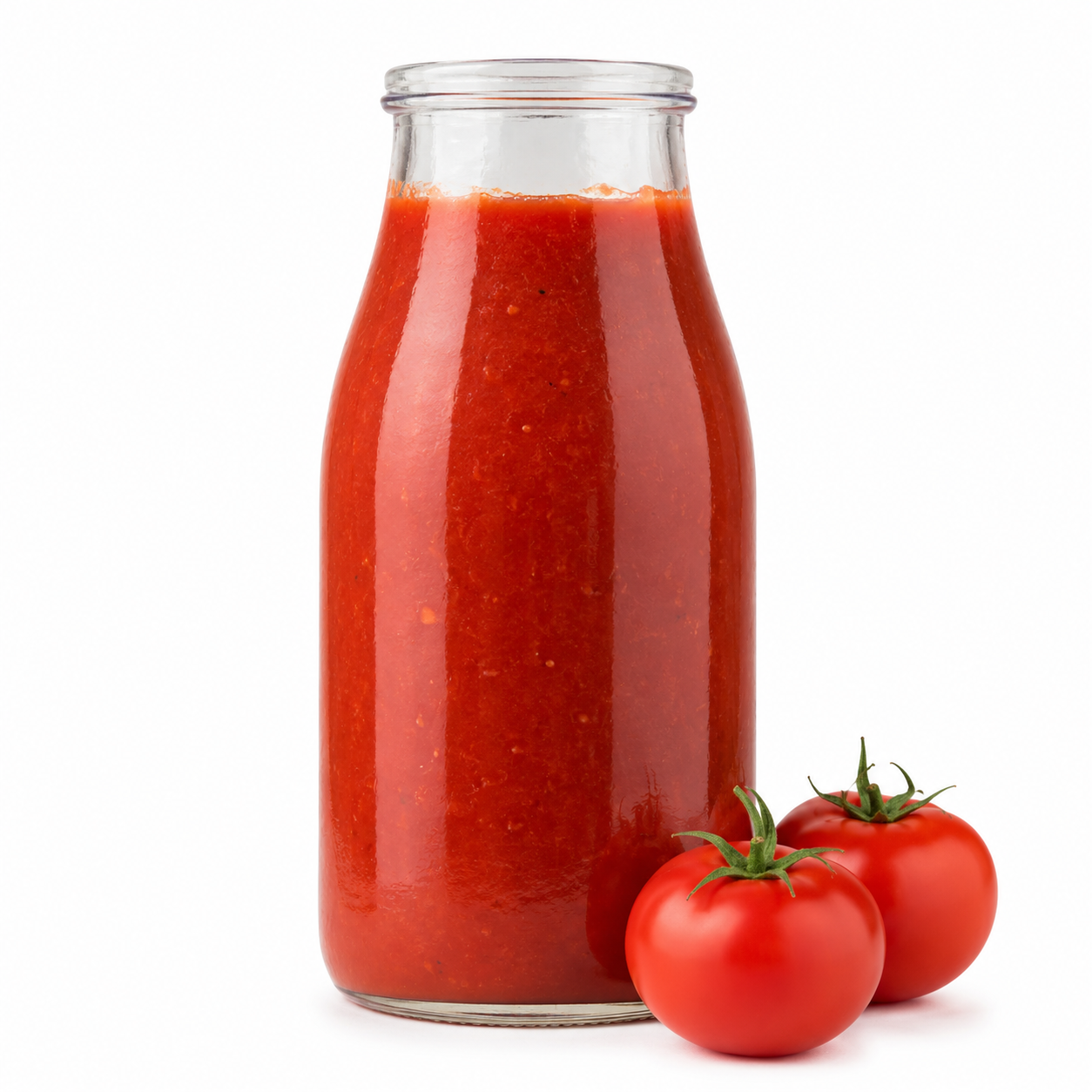
Rustic tomato passata
500 ml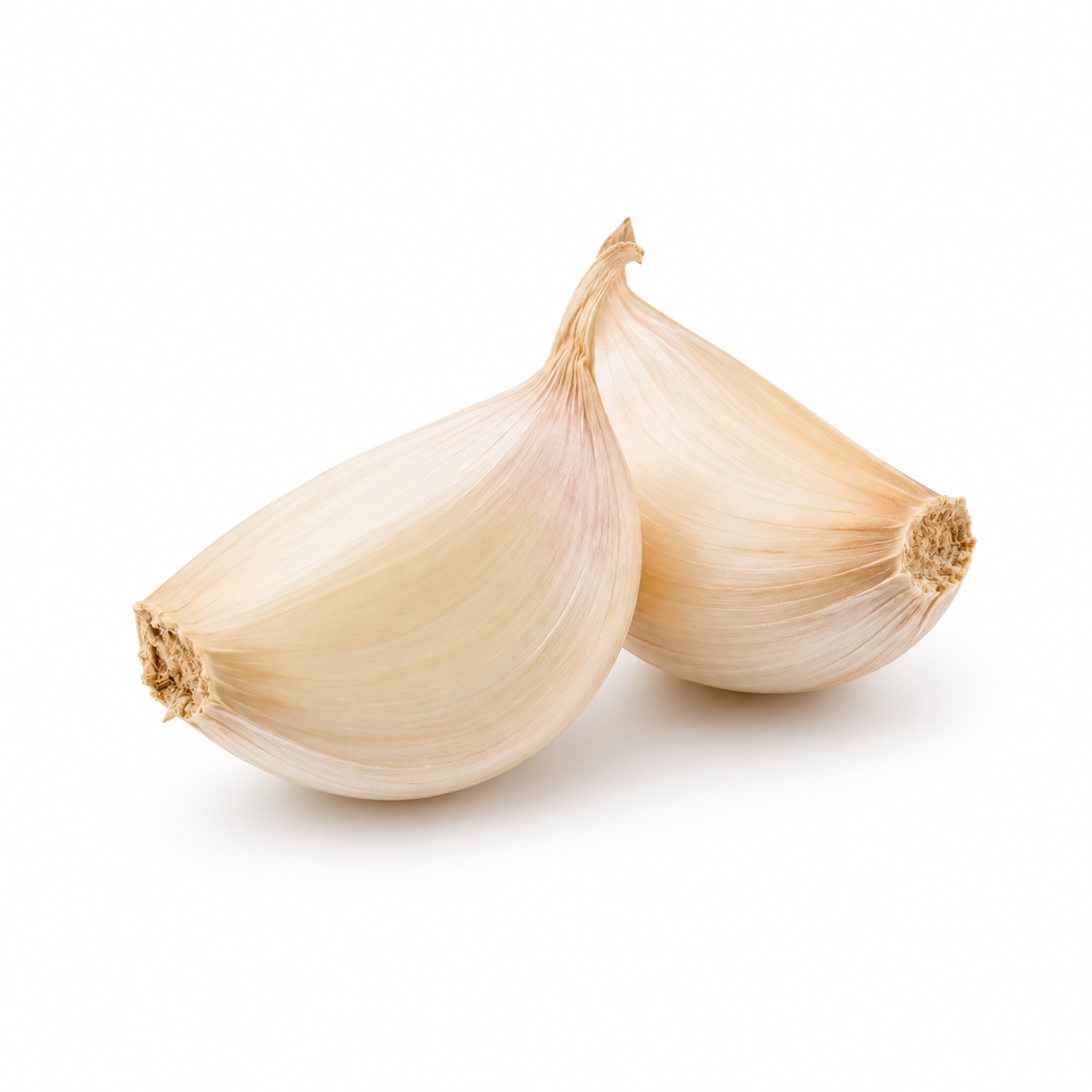
Garlic
2 cloves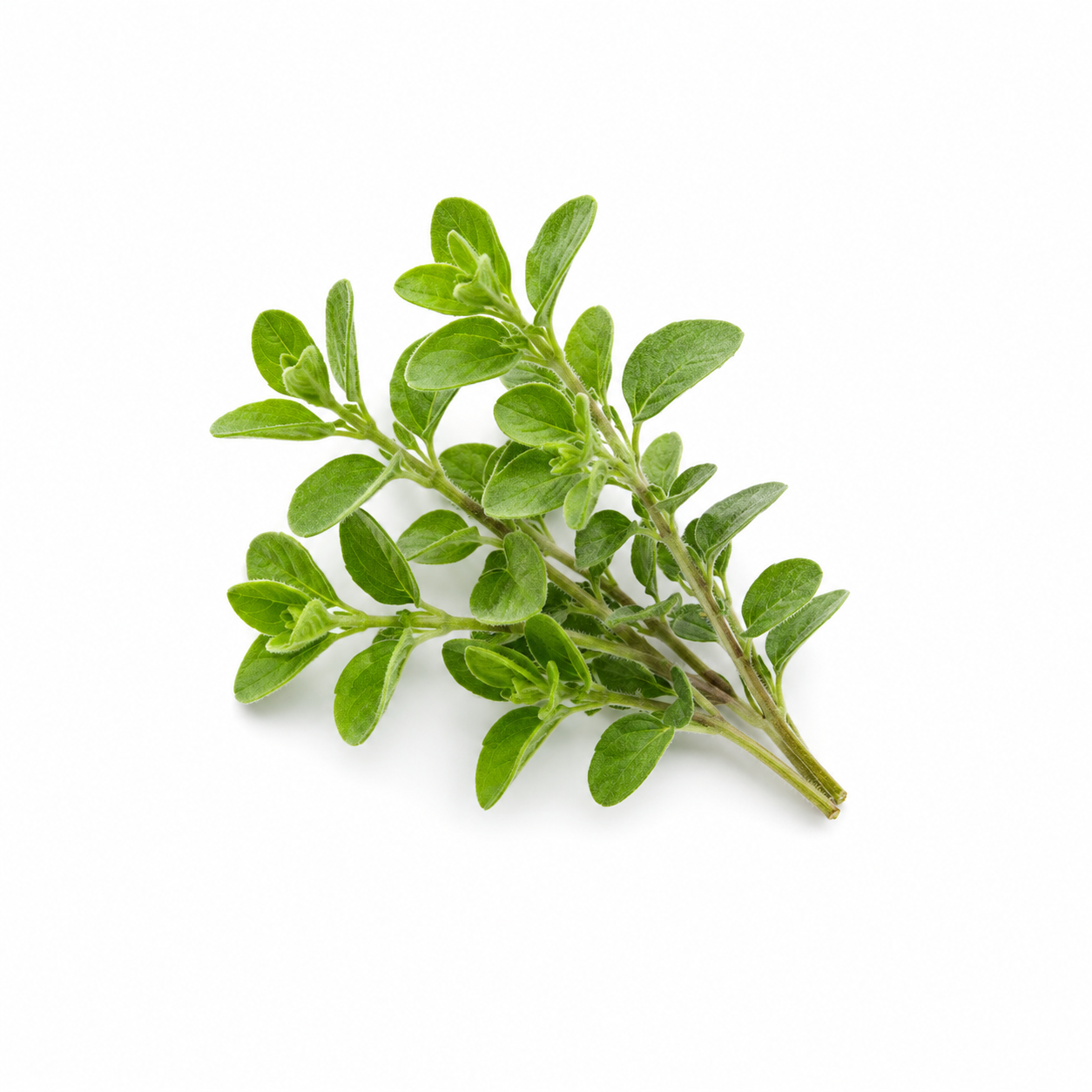
Fresh marjoram
as needed
Sabina DOP extra virgin olive oil
as needed
Chilli pepper
as needed
Salt for the sauce
as needed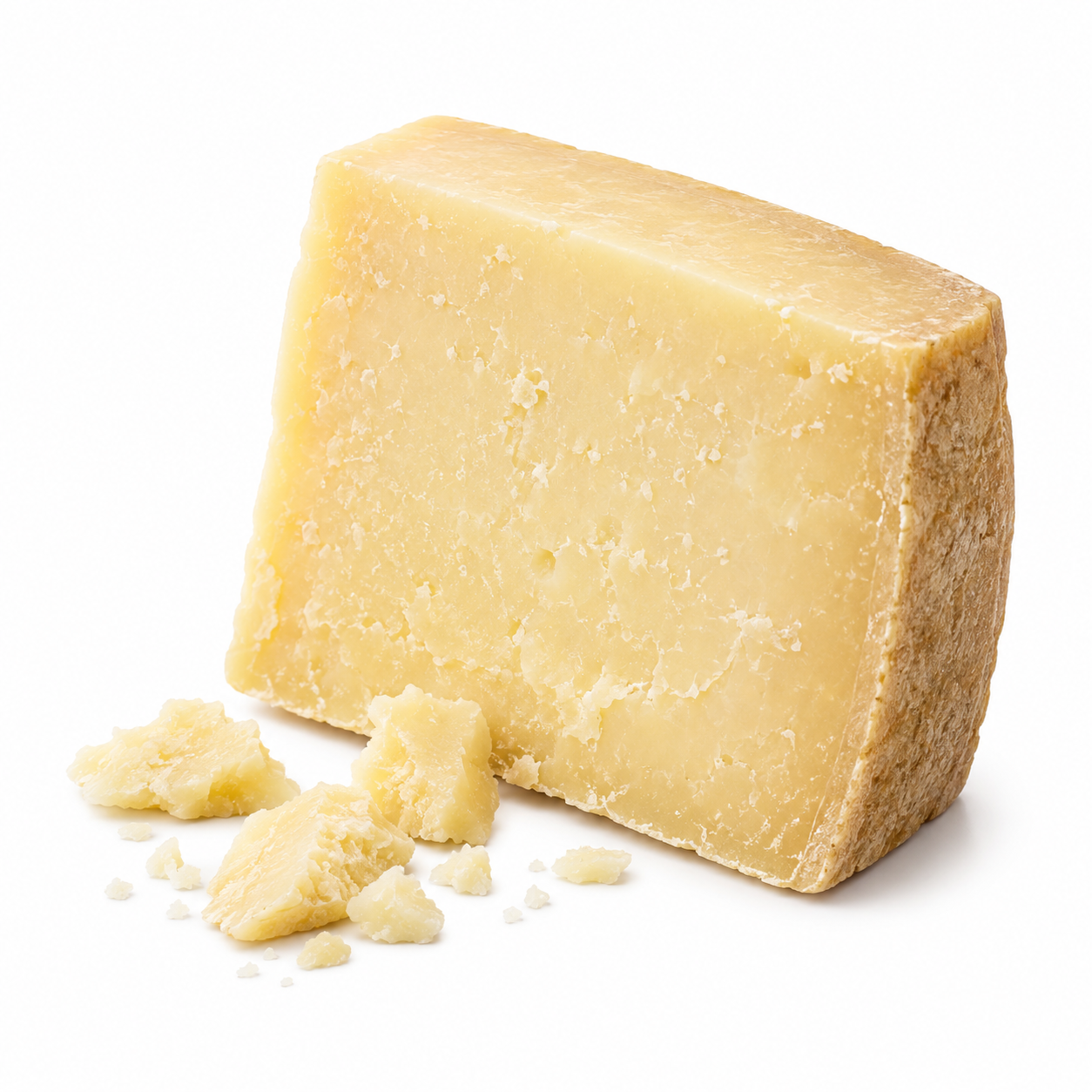
Local pecorino
maturedThe secret is to add the marjoram only at the end of cooking, so the sauce remains fragrant and preserves the rustic character of Sagne alla Molinara.
Step by step
From the handmade dough to the rustic sauce with fresh marjoram: a few simple steps bring a warming, country-style and unmistakably Sabina recipe to the table.
01
Impasto
Prepare the dough
Place the flour on a pastry board, add the salt and gradually work in the warm water. Knead until the dough is firm, compact and easy to roll out.
Use now
Flour
Water
Salt
Flour
Water
Salt
02
Sfoglia
Roll out the pasta
Leave the dough to rest for about 20–30 minutes, then roll it to a thickness of roughly 4–5 mm. The sheet should remain rustic and substantial.
Recommended resting time: about 20–30 minutes.
03
Taglio
Cut the sagne
Cut broad, irregular strips without aiming for perfect shapes: the character of Sagne alla Molinara comes precisely from their simple, handmade preparation.
Use now
Flour
Flour
04
Sugo
Prepare the sauce
Heat the extra virgin olive oil in a pan with the garlic and chilli pepper. Add the rustic tomato passata, season with salt and cook for about 15–20 minutes, until the sauce is fragrant and full-bodied.
Use now
Extra virgin olive oil
Garlic
Chilli pepper
Tomato passata
Salt
Extra virgin olive oil
Garlic
Chilli pepper
Tomato passata
Salt
05
Aroma
Add the marjoram
At the end of cooking, perfume the sauce with plenty of fresh marjoram. It is one of the ingredients that gives the dish its distinctive and recognisable aroma.
Use now
Marjoram
Marjoram
06
Servizio
Cook and dress the pasta
Cook the sagne in plenty of salted water for 6–8 minutes, drain and toss them directly in the sauce with a little cooking water. Serve with mature local pecorino and a drizzle of raw extra virgin olive oil.
Use now
Water
Salt
Pecorino
Extra virgin olive oil
Water
Salt
Pecorino
Extra virgin olive oil
Frequently asked questions
Recipe FAQ
Six practical answers about the ingredients, preparation, serving and storage of Sagne alla Molinara.
What are Sagne alla Molinara?
They are a traditional first course from Sabina, made with rustic handmade pasta and dressed with tomato, marjoram, extra virgin olive oil and pecorino. The recipe is rooted in country cooking and the authentic flavours of the area.
What ingredients are used?
The main ingredients are type 0 flour, warm water, salt, rustic tomato passata, extra virgin olive oil, garlic, chilli pepper, fresh marjoram and mature local pecorino.
What kind of pasta are sagne?
Sagne are a simple homemade pasta, often made without eggs, rolled by hand and cut into rustic strips. Their thick, irregular texture holds the sauce well and makes the dish genuine, substantial and deeply traditional.
When are they prepared?
They can be prepared throughout the year, especially for family lunches, convivial occasions and days devoted to traditional cooking. They are a simple first course with plenty of character.
What do they pair with?
They pair well with Sabina DOP olive oil, country bread, seasonal vegetables and local wine. The tomato, marjoram and pecorino dressing makes them ideal as a rustic first course in a Sabina-inspired menu.
Si possono preparare in anticipo?
Puoi preparare impasto e sugo in anticipo, ma è preferibile cuocere le sagne poco prima del servizio per mantenere la consistenza e legarle bene al condimento.

Recipes from Sabina
Sabina comes to the table
Handmade pasta, olive oil, pulses, festive sweets and family recipes: keep exploring the flavours born in Sabina’s villages and kitchens.