
Valle del Salto
Borgorose
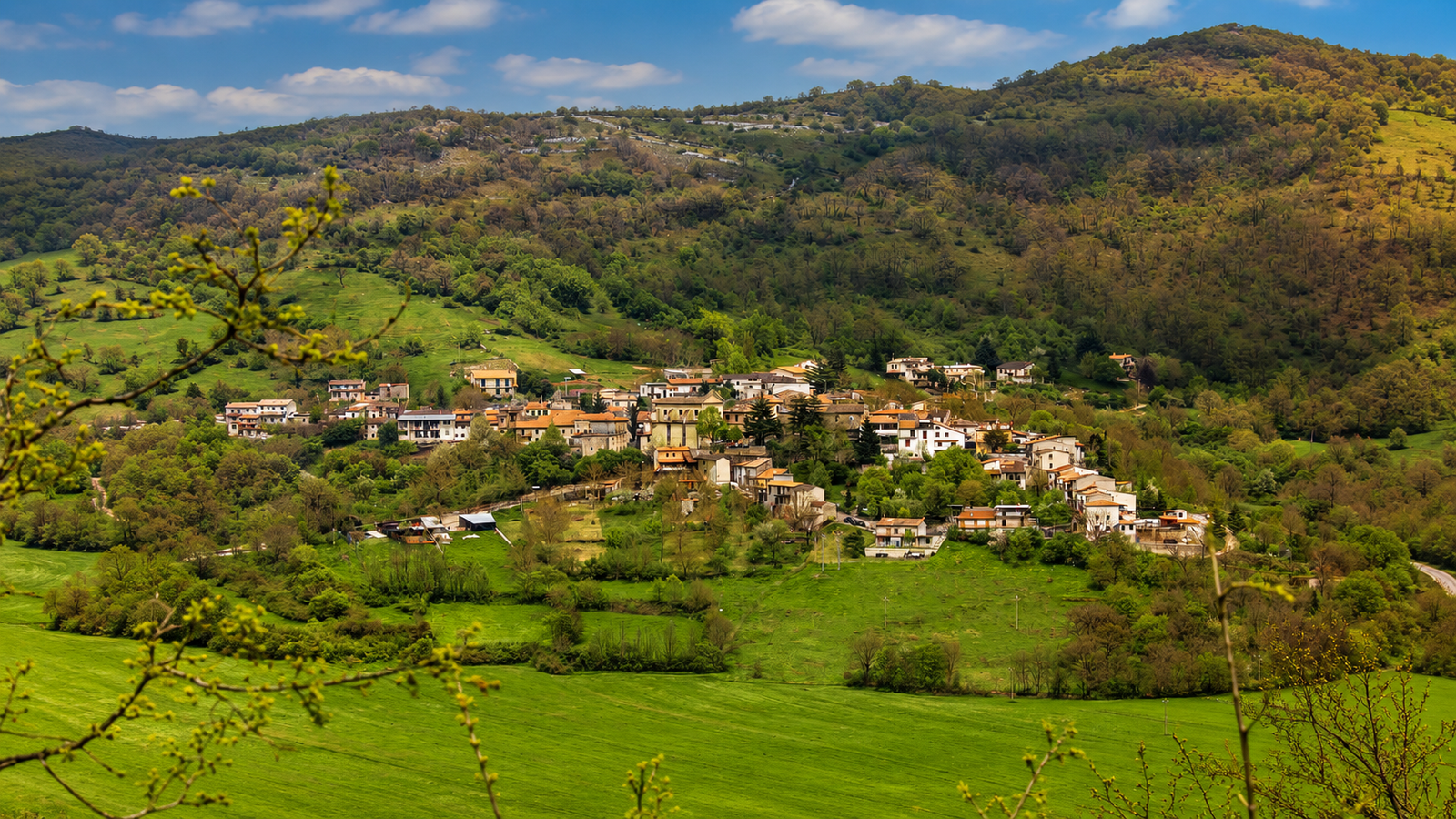
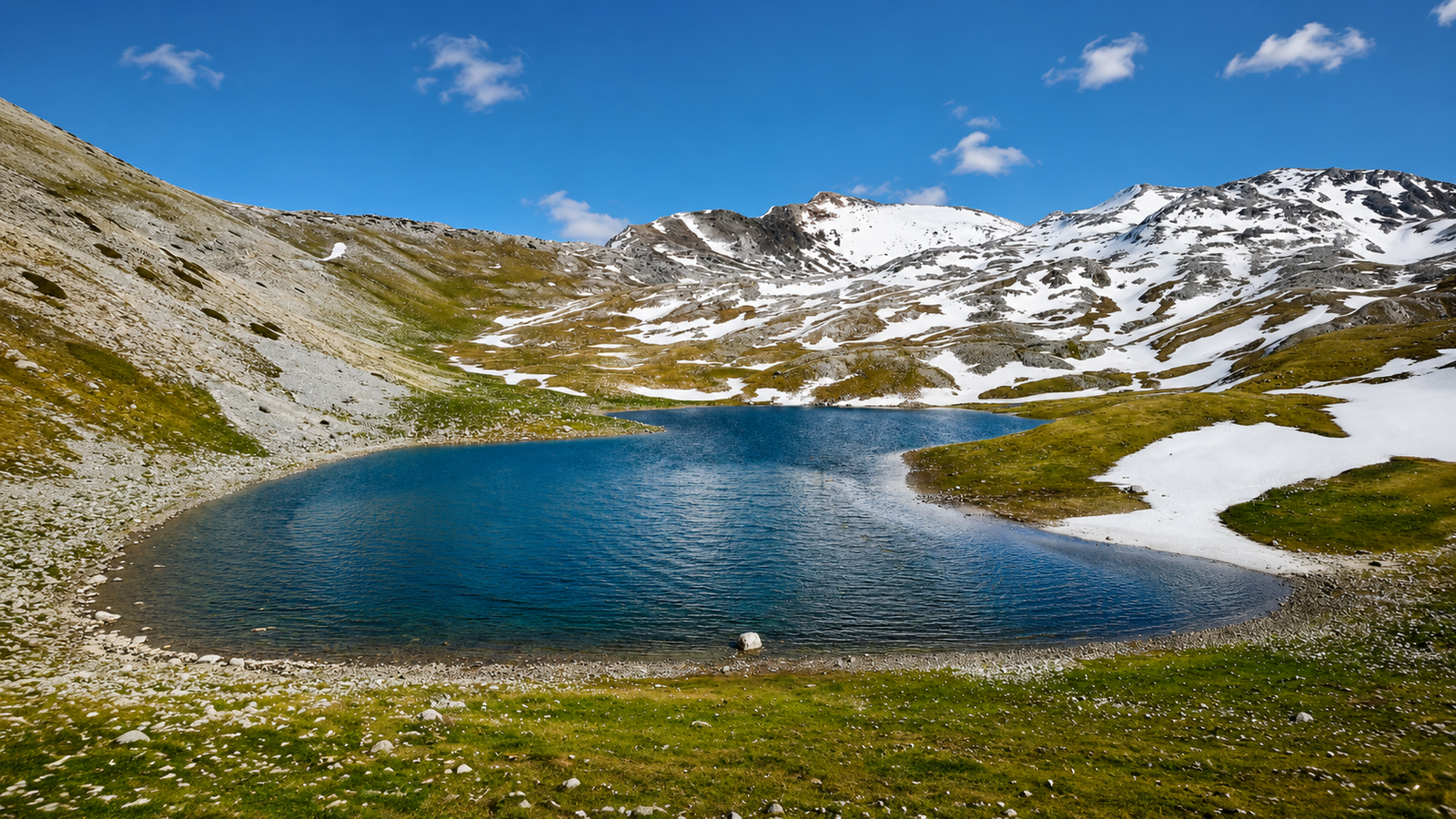
Borgorose is far more than its municipal centre: it is a broad Cicolano territory of plains, hamlets and mountains. Corvaro preserves the memory of the Equicoli, Cartore opens the way to Val di Fua and, higher still, Lago della Duchessa takes the journey to 1,788 metres.
Valle del Salto
Borgorosebetween Corvaro and the Duchessa
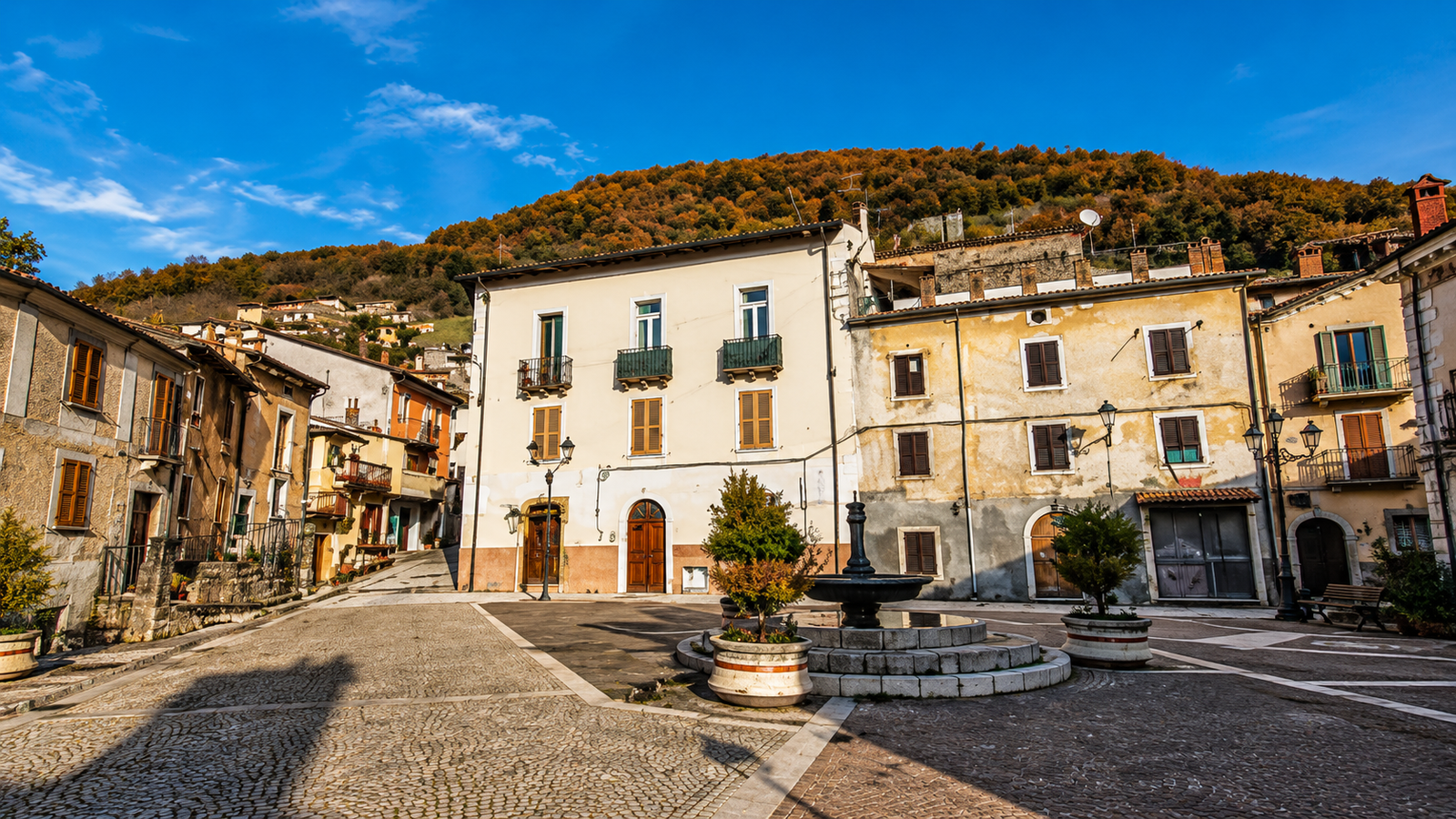
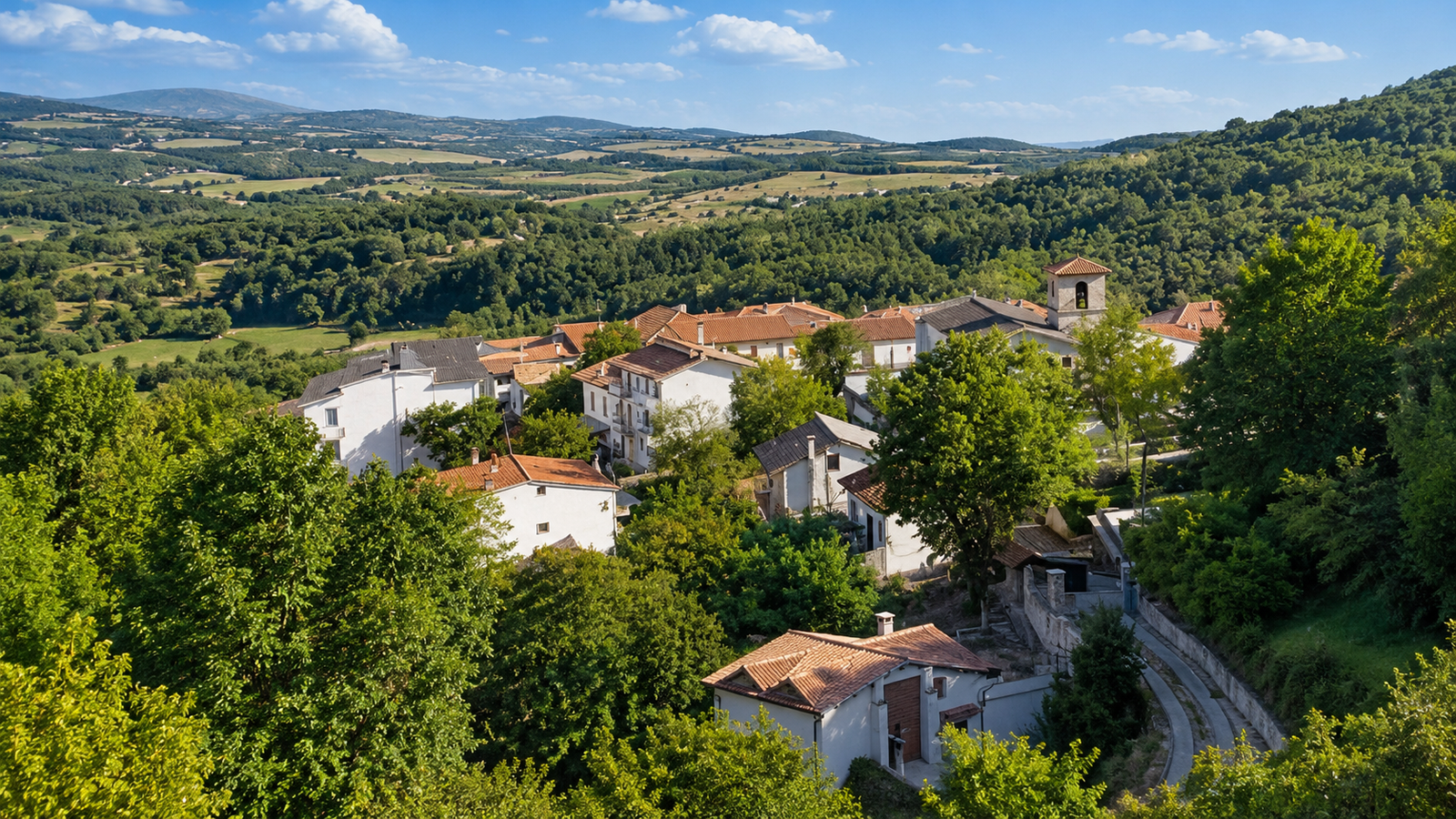
Borgorose is the name of a municipality, but visiting it feels like a journey. The territory is spread across hamlets, plains and mountains: Corvaro concentrates archaeology and medieval ruins, Sant’Anatolia preserves its sanctuary, and Cartore marks the entrance to the Montagne della Duchessa.
The scale changes constantly. From the Corvaro burial mound, which preserves the memory of the Equicoli, the route continues to Cartore’s stone houses, through Val di Fua and up to the high-altitude lake. This contrast defines Borgorose: not one centre to walk through, but an entire part of Cicolano to connect stage by stage.
On this page you can
- Follow the traces of the Equicoli between the Corvaro burial mound and the Museo Archeologico Cicolano
- Travel from old Corvaro to Cartore and the trails of the Montagne della Duchessa
- Plan hikes, local food, places to stay and itineraries in the Valle del Salto
Lake at 1,788 m
Lago della Duchessa is Borgorose’s most iconic mountain landmark.
Archaeological Corvaro
The burial mound and museum document the Equicoli before Romanisation.
Cartore e Val di Fua
The small mountain hamlet opens onto the best-known trail to the Duchessa.
Sant’Anatolia
Its sanctuary, pilgrimages and food traditions give Sant’Anatolia a distinct identity.
What to see
ExploreBorgorose
From the Equicoli to Lago della Duchessa
Borgorose is not one village but a broad territory scattered across plateaus, hamlets, ruins and mountains. The journey runs from Lago della Duchessa to Cartore, from the Equicoli of Corvaro to the medieval castle and the sanctuary of Sant’Anatolia.
- Lago della Duchessa at 1,788 metres in the heart of the nature reserve
- Cartore, a small mountain hamlet and gateway to Val di Fua
- The Corvaro burial mound and Museo Archeologico Cicolano, preserving the memory of the Equicoli
- Old Corvaro, the castle and the Sanctuary of Sant’Anatolia
In the village and nearby
Local producers
A useful, up-to-date selection, ordered by relevance, quality and proximity.
History and identity
From the Equicoli to Borgorosea municipality formed from many villages
Before the castles and hamlets, the Corvaro plain belonged to the world of the Equicoli. The great burial mound and finds now preserved in the Museo Archeologico Cicolano document an ancient presence rooted in this passage between the Apennines and the Valle del Salto.
During the Middle Ages the area was organised into fortified centres and fiefs, including those associated with the Mareri family. The municipality was long known as Borgocollefegato: in 1927 it moved from the province of L’Aquila to Rieti and in 1960 officially adopted the name Borgorose.
- Equicoli · pre-Roman period
- Mareri fiefs
- Borgorose · 1960
In the village and nearby
Local services
A useful, up-to-date selection, ordered by relevance, quality and proximity.
 Pharmacy
Featured
Pharmacy
Featured Ascrea · 19,8 km
Test
This is a test entry for a local pharmacy.
Village events calendar
Events in Borgorose
Events, festivals and local initiatives selected for Borgorose.
Calendar being updated
No events published
New events will be added as soon as they become available.
Browse the full calendar→Village flavours
At the tableto discover
From the almond Serpentone of Sant’Anatolia to Pizza sfogliata and polenta gnocchetti, three flavours link hamlets, religious festivals and the mountain cooking of Cicolano.
Serpentone alle mandorle di Sant’Anatolia
The area’s most distinctive sweet: almond dough shaped as a snake, associated with the festival and legend of Sant’Anatolia.
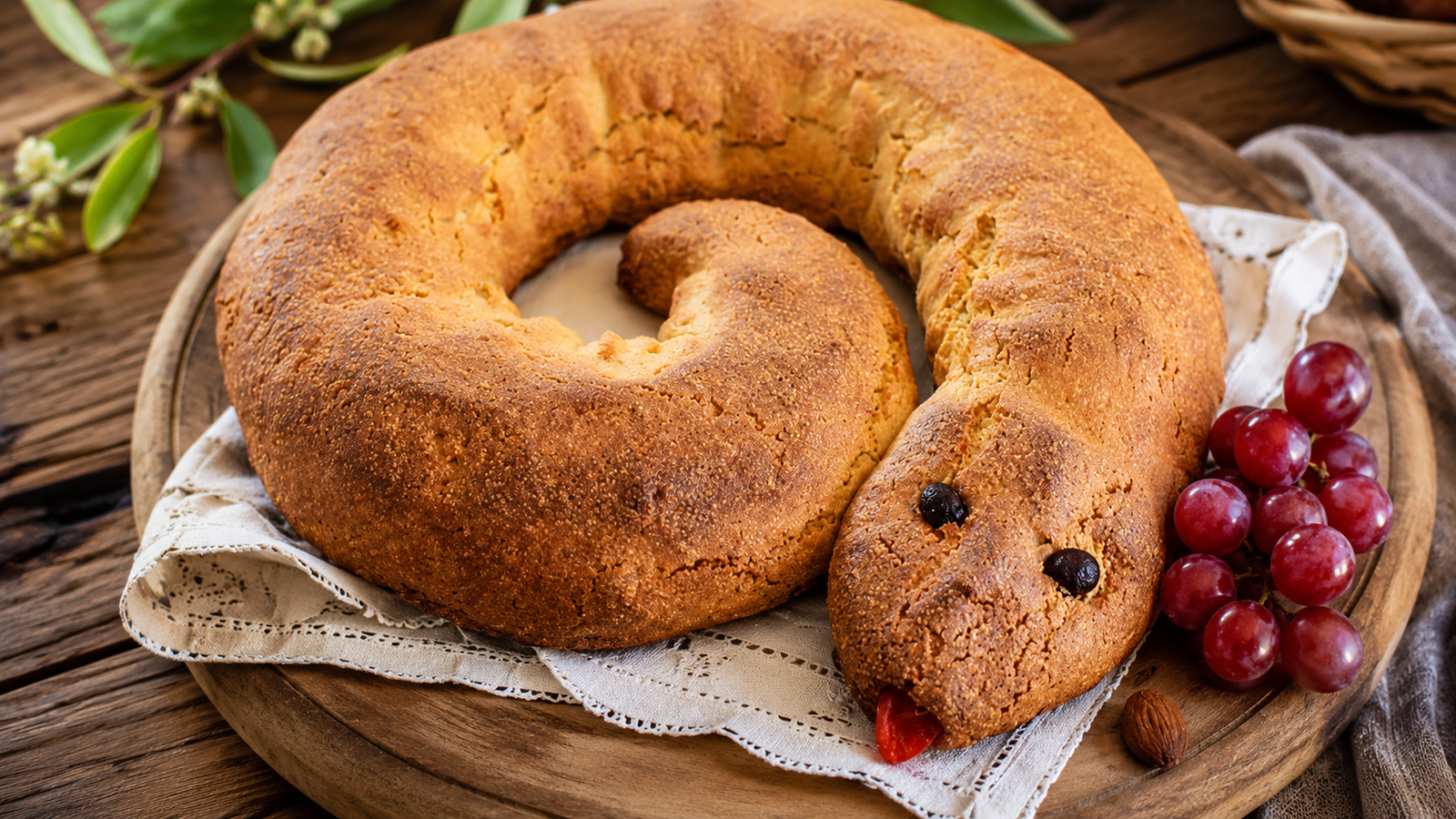
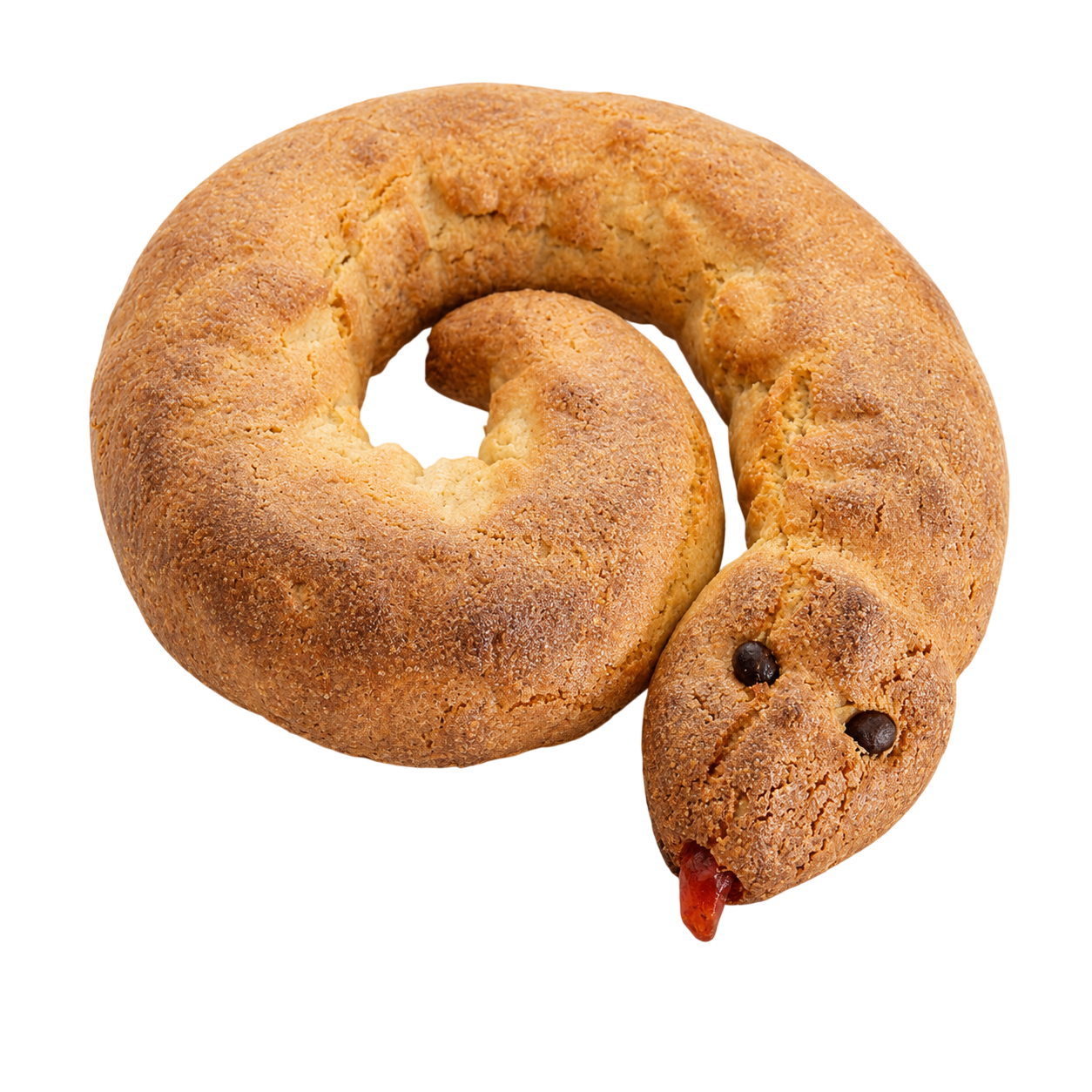 Traditional sweetSerpentone alle mandorleSant’Anatolia’s sweet, shaped as a snake and associated with the saint’s festival.
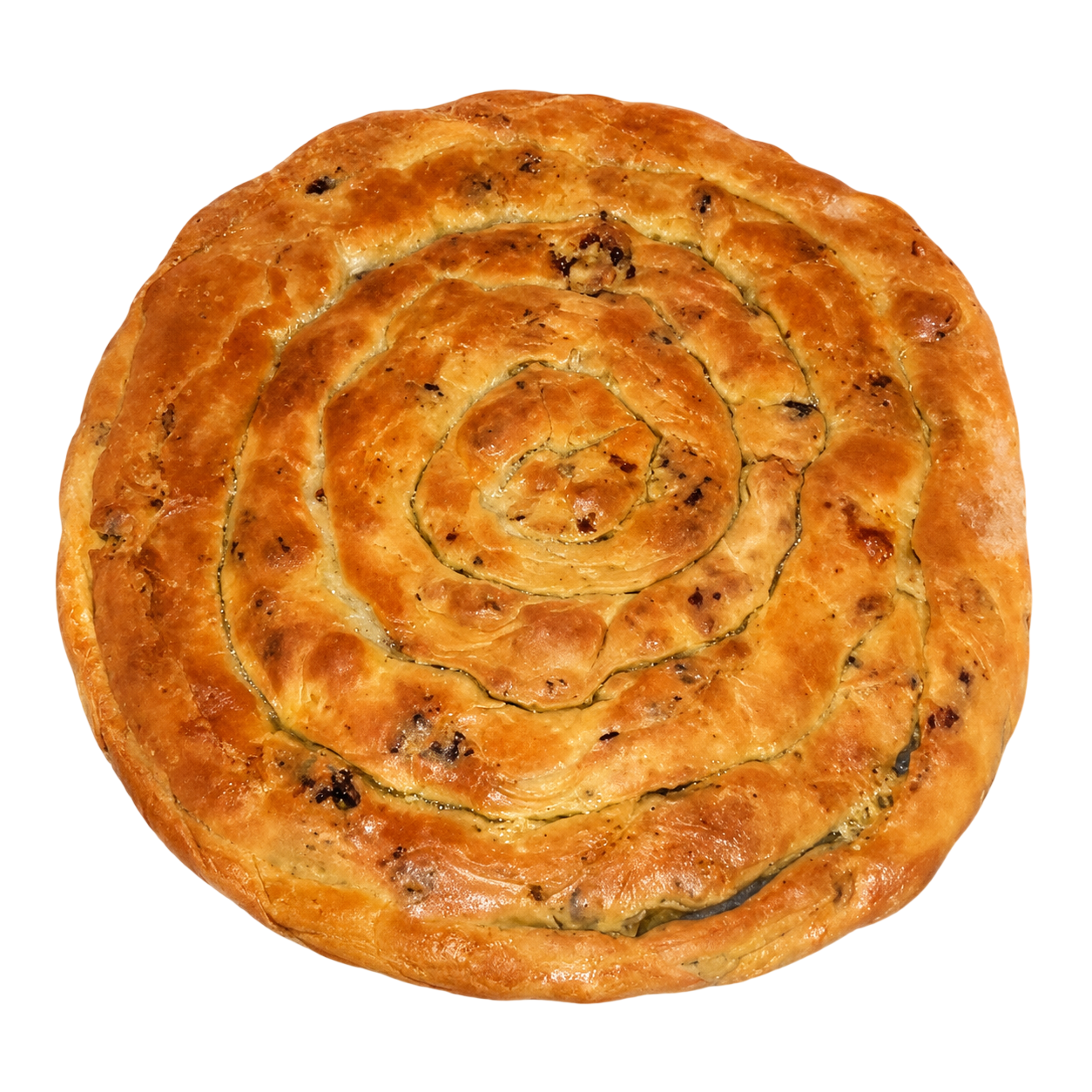 Savoury piePizza sfogliataA large golden spiral, rustic and made for sharing, among the area’s most recognisable foods.
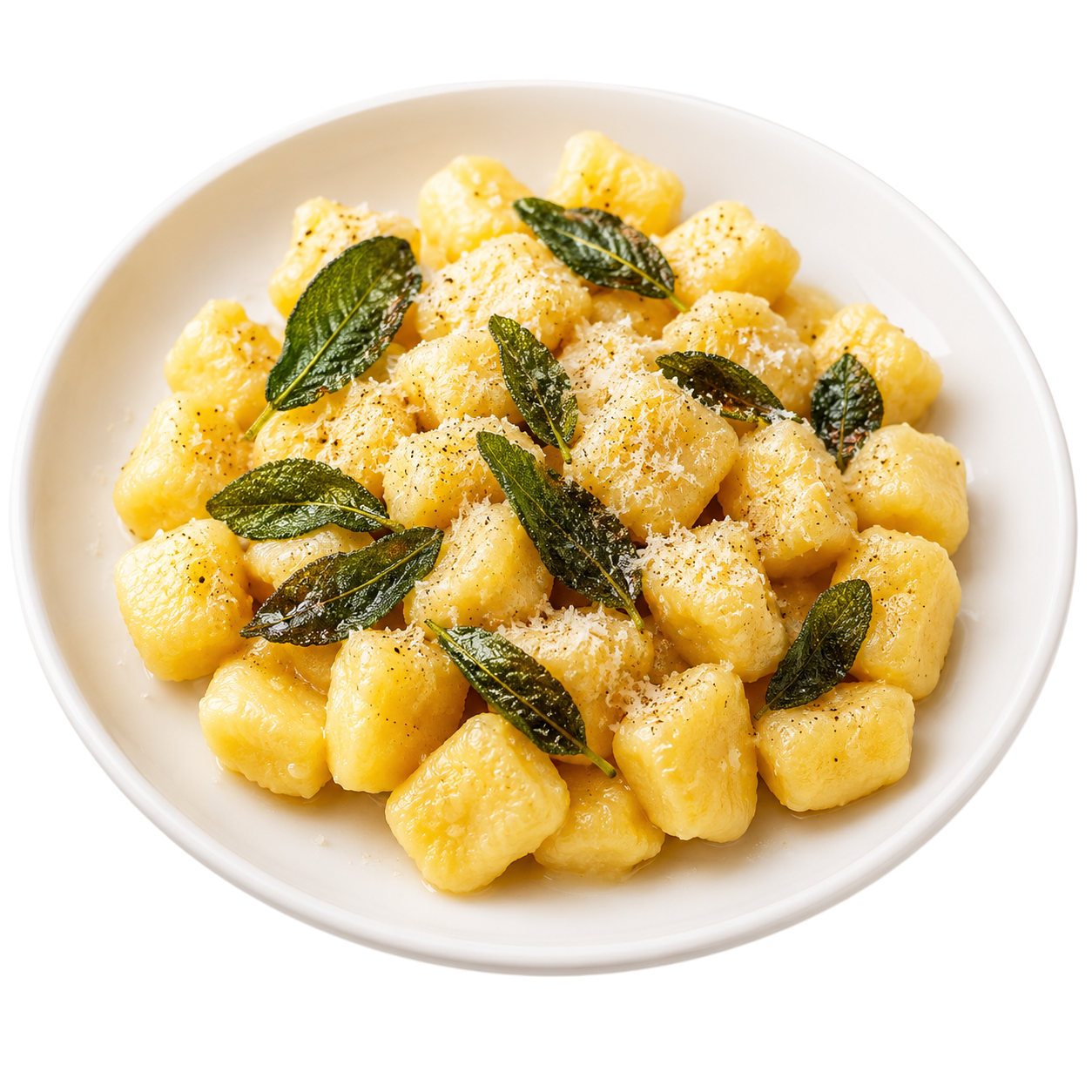 Mountain first coursePolenta gnocchettiSmall golden bites that bring the mountain cooking of Cicolano to the table.
Flavours of Borgorose
Ingredients
Method
In the village and nearby
Where to eat
A useful, up-to-date selection, ordered by relevance, quality and proximity.
Pizzeria
Castel di Tora · 22,4 km
Pizzeria Test 02
Pizza is always a delight, especially when it is made in the Neapolitan style.
The village in figures
Borgorosefigures for a vast territory
From the elevation of the municipal centre to the area of the municipality and the 1,788 metres of Lago della Duchessa, Borgorose’s figures describe a territory far larger than a single settlement, spread across plains, hamlets and high mountains.
Elevation
elevation of the municipal centre
Residents
residents on 31 December 2024
Area
one of the largest municipalities in Cicolano
Lago della Duchessa
elevation of the high-altitude lake
In the village and nearby
Where to stay
A useful, up-to-date selection, ordered by relevance, quality and proximity.
FAQs about Borgorose
Six practical answers for planning your visit, finding your way around the village and connecting the day with other places in Sabina.
What should I see in Borgorose?
The main places are Lago della Duchessa, Cartore and Val di Fua, the Corvaro burial mound and Museo Archeologico Cicolano, old Corvaro and its castle, and the Sanctuary of Sant’Anatolia. They are spread across a very large territory.
Is Borgorose one village or a territory of hamlets?
Borgorose is a dispersed municipality made up of many centres and hamlets. A visit therefore does not focus on one historic centre: Corvaro, Cartore, Sant’Anatolia and the other localities require separate journeys and allow very different itineraries.
How do I reach Lago della Duchessa?
The classic route starts at Cartore and climbs Val di Fua. The official itinerary is graded EE, covers about 4.5 km uphill, gains 872 metres and takes approximately 2 hours 40 minutes. Preparation, suitable equipment and favourable weather are essential.
What is the Corvaro burial mound?
It is a large collective funerary monument associated with the Equicoli. About 50 metres wide, the mound yielded hundreds of burials and numerous finds. A visit is completed by the Museo Archeologico Cicolano in Corvaro.
What remains of Corvaro Castle?
Old Corvaro preserves the remains of the medieval castle built between the tenth and eleventh centuries. The keep, sections of the fortified enclosure, round towers and the old entrance known as Porta Calata can still be identified.
What are the traditional foods of Borgorose?
The portal features the almond Serpentone of Sant’Anatolia, Borgorose Pizza sfogliata and polenta gnocchetti. These three very different preparations are associated with a religious festival, hamlet cooking and the mountain tradition of Cicolano.

From this village a new itinerary begins
After the historic centre, connect your visit with another village, a local place to eat or a walking route and build a complete day in Sabina.