
Valle del Turano
Collalto Sabino
Collalto Sabino is a fortified village in the Turano Valley, perched in a commanding position among woodland, ridges and ancient border routes. Its baronial castle, medieval lanes and high viewpoints reveal a place with a powerful historic identity, suspended between Sabina and Abruzzo.
Valle del Turano
Collalto Sabinofortress village
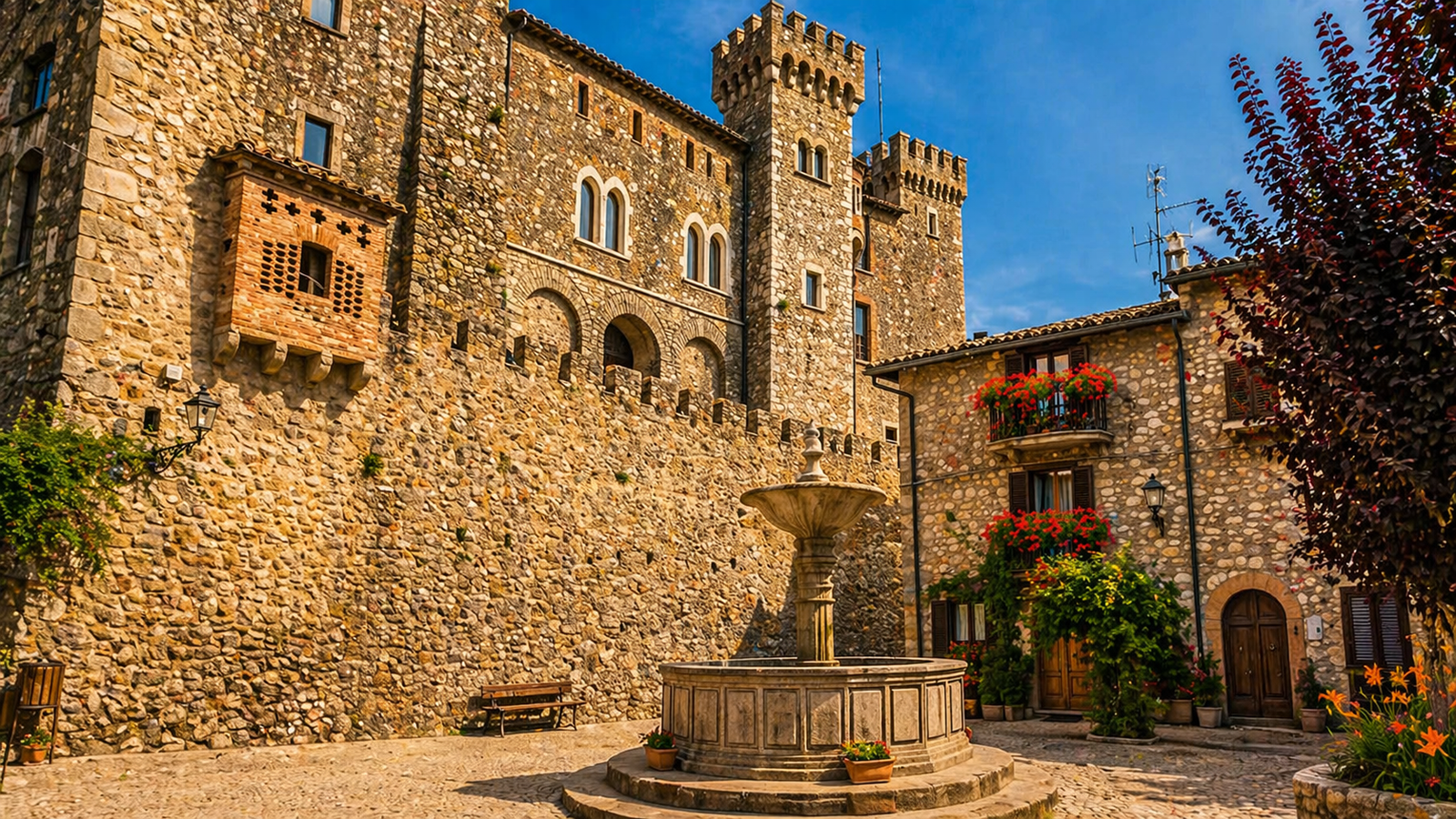
Collalto Sabino stands on a mountain ridge in the Turano Valley, in a strategic position between Lazio and Abruzzo. Its almost entirely pedestrian historic centre preserves cobbled lanes, arches, stone gateways and houses gathered around the fortress overlooking the village.
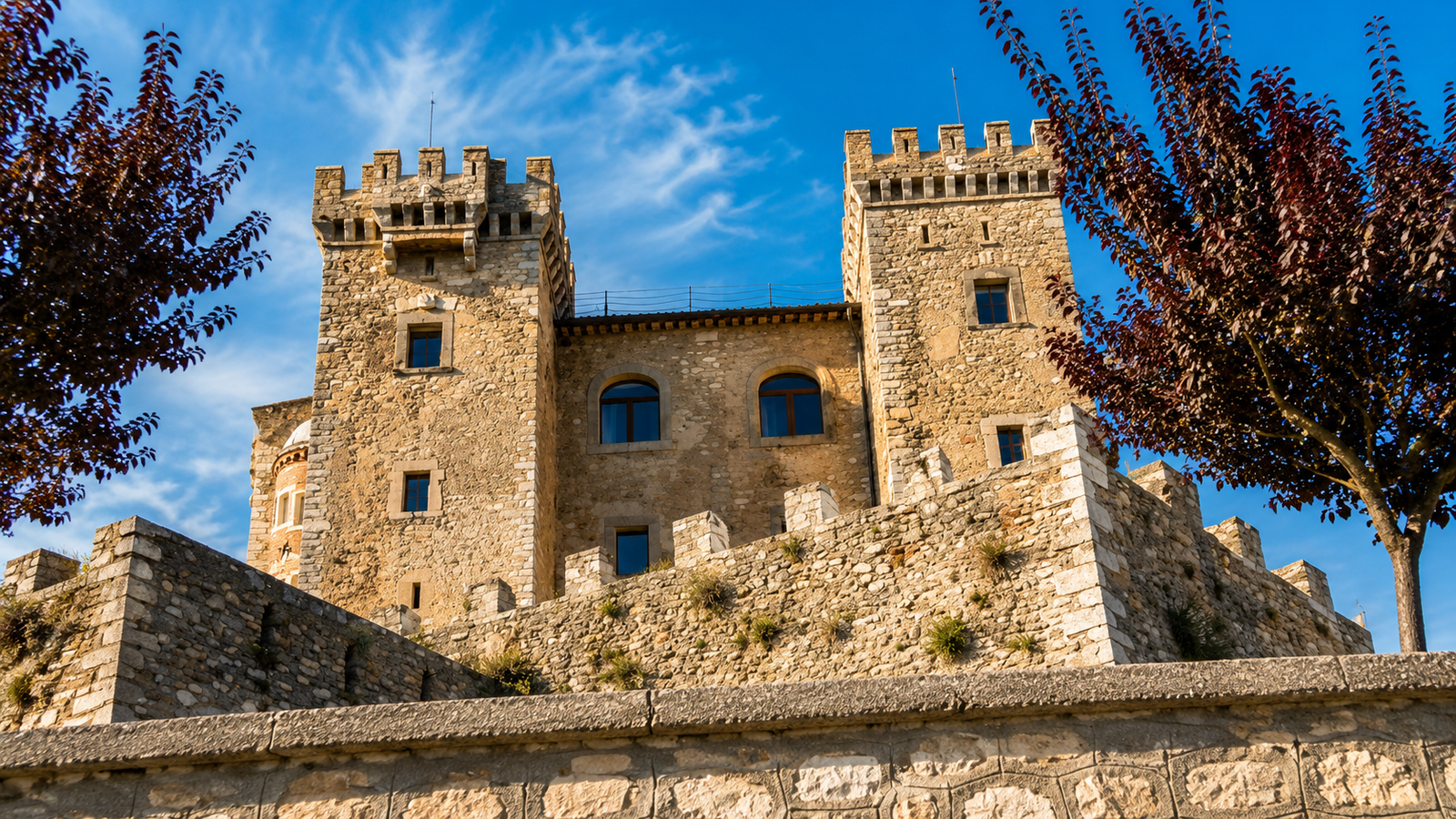
The village developed during the medieval fortification of Sabina. Its name recalls Collis Altus, the “high hill”, and the earliest records date to the tenth century. The Baronial Castle, transformed into a fortified residence between the sixteenth and seventeenth centuries, remains Collalto’s most recognisable landmark.
On this page you can
- Explore the historic centre, the fortress and views towards the Apennines
- Discover the Baronial Castle, the Church of San Gregorio Magno and the village walls
- Find your way among stone gateways, trails, woodland and traces of this borderland
Baronial Castle
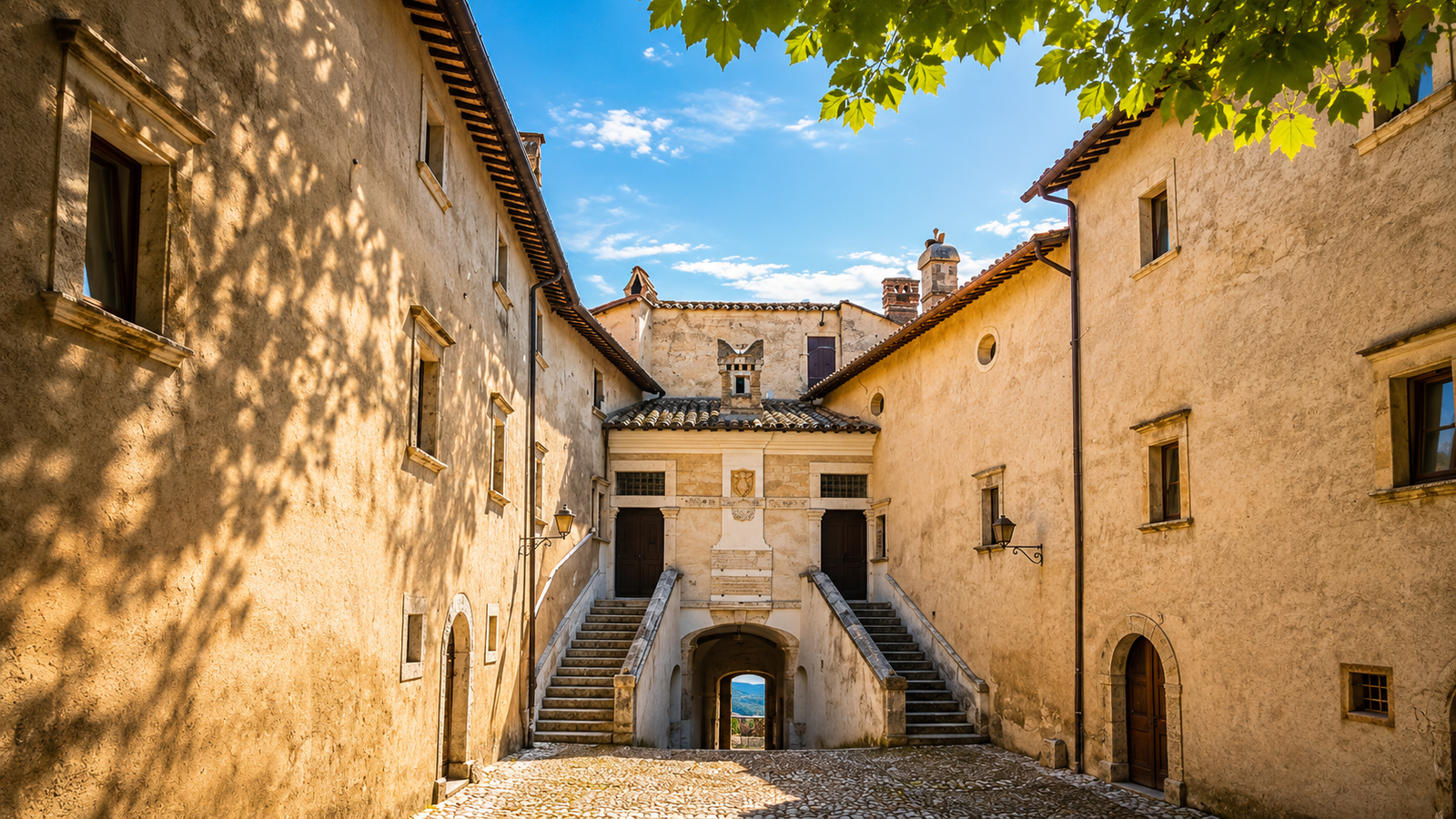
The fortress dominates the historic centre with towers, bastions, sentry boxes and sweeping views.
Medieval village
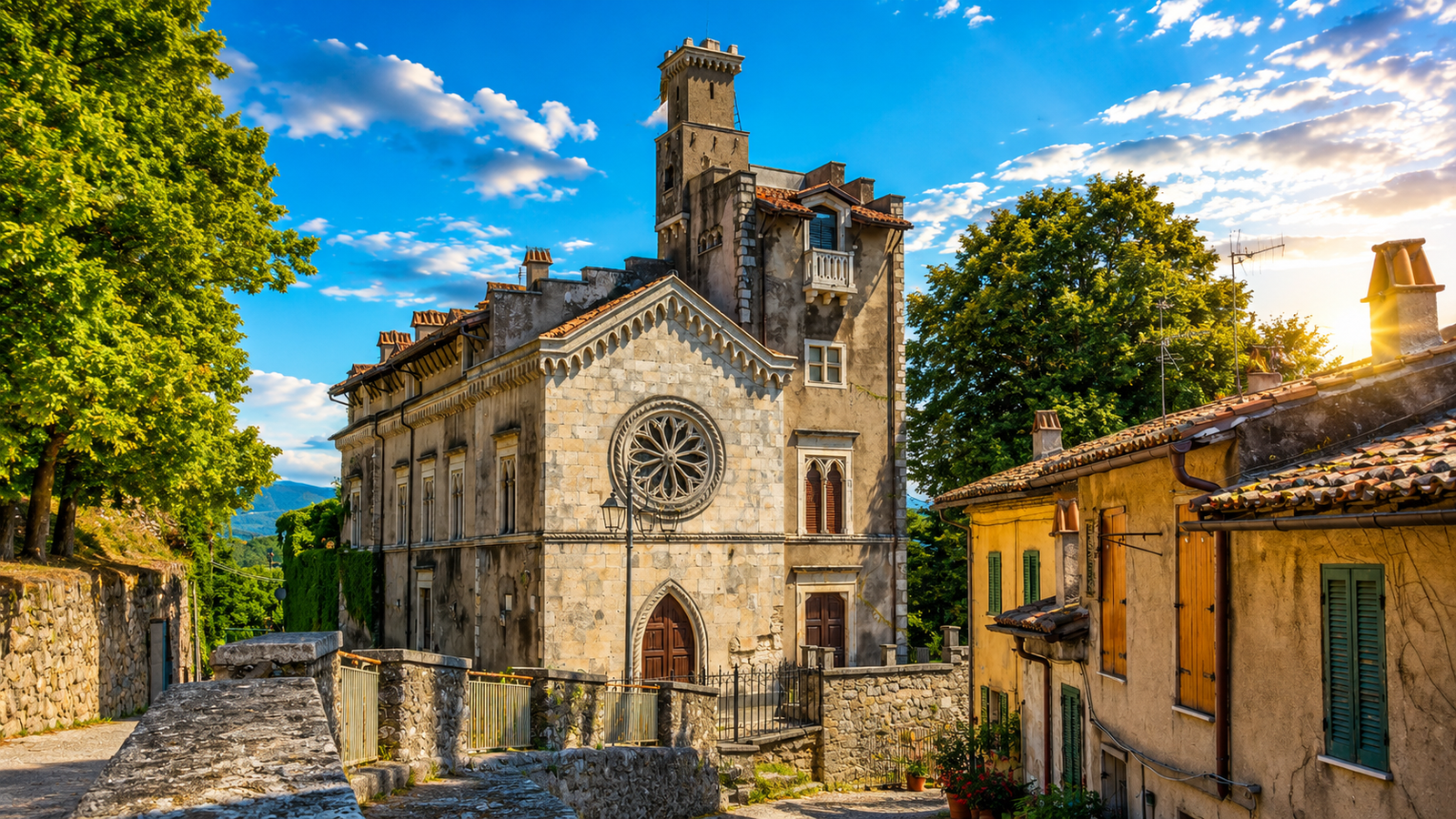
Cobbled lanes, arches and stone gateways preserve the village’s historic layout.
Collis Altus
The name recalls the high hill and the defensive position that shaped its history.
Santa Maria
Outside the village, the convent preserves a notable fifteenth-century portal.
What to see
CollaltoSabino
Castle, lanes and borderland stone
Collalto Sabino is a hilltop village in the Rieti area of Sabina, distinguished by the Baronial Castle above its historic centre and a medieval fabric of cobbled lanes, stone gateways, walls and panoramic views. This guide leads through the fortress, old village, Piazza della Podesteria, the Church of San Gregorio Magno and the Convent of Santa Maria.
- Baronial Castle with towers, sentry boxes, bastions and views of the Apennines
- Cobbled lanes, stone houses and gateways in the medieval village
- Piazza della Podesteria with its octagonal fountain
- Church of San Gregorio Magno and Convent of Santa Maria
In the village and nearby
Local producers
A useful, up-to-date selection, ordered by relevance, quality and proximity.
History and identity
Collalto Sabino, fortress villageon the high hill
Collalto Sabino stands on the mountain of the same name, the Collis Altus, in a naturally strategic position between the Rieti area of Sabina and the Apennines. Its compact fortified centre is formed by cobbled lanes, stone gateways, houses pressed against the fortress and views that still reveal the village’s defensive role.
The Baronial Castle is the village’s defining landmark. It retains its sixteenth- and seventeenth-century appearance, with a square central tower, two round corner towers, sentry boxes, bastions and defensive positions. From its commanding site, views extend across the Apennines from Gran Sasso and Terminillo to the Maiella, confirming Collalto’s historic role as a highland stronghold.
- Collis Altus
- Baronial Castle
- Fortified village
In the village and nearby
Local services
A useful, up-to-date selection, ordered by relevance, quality and proximity.
Village events calendar
Events in Collalto Sabino
Events, festivals and local initiatives selected for Collalto Sabino.
No events found
Try changing the selected filters.
Village flavours
at the tablefood traditions to discover
Handmade pasta, simple flours, warming farmhouse dishes and woodland flavours create a culinary journey through highland recipes, ember cooking, broad beans, porcini mushrooms and authentic food from the Rieti area of Sabina.
Cordicelle
Handmade strips of pasta prepared with eggs, flour, water and salt, then dressed with a simple sauce of olive oil, garlic and tomato. A traditional speciality of Collalto Sabino.
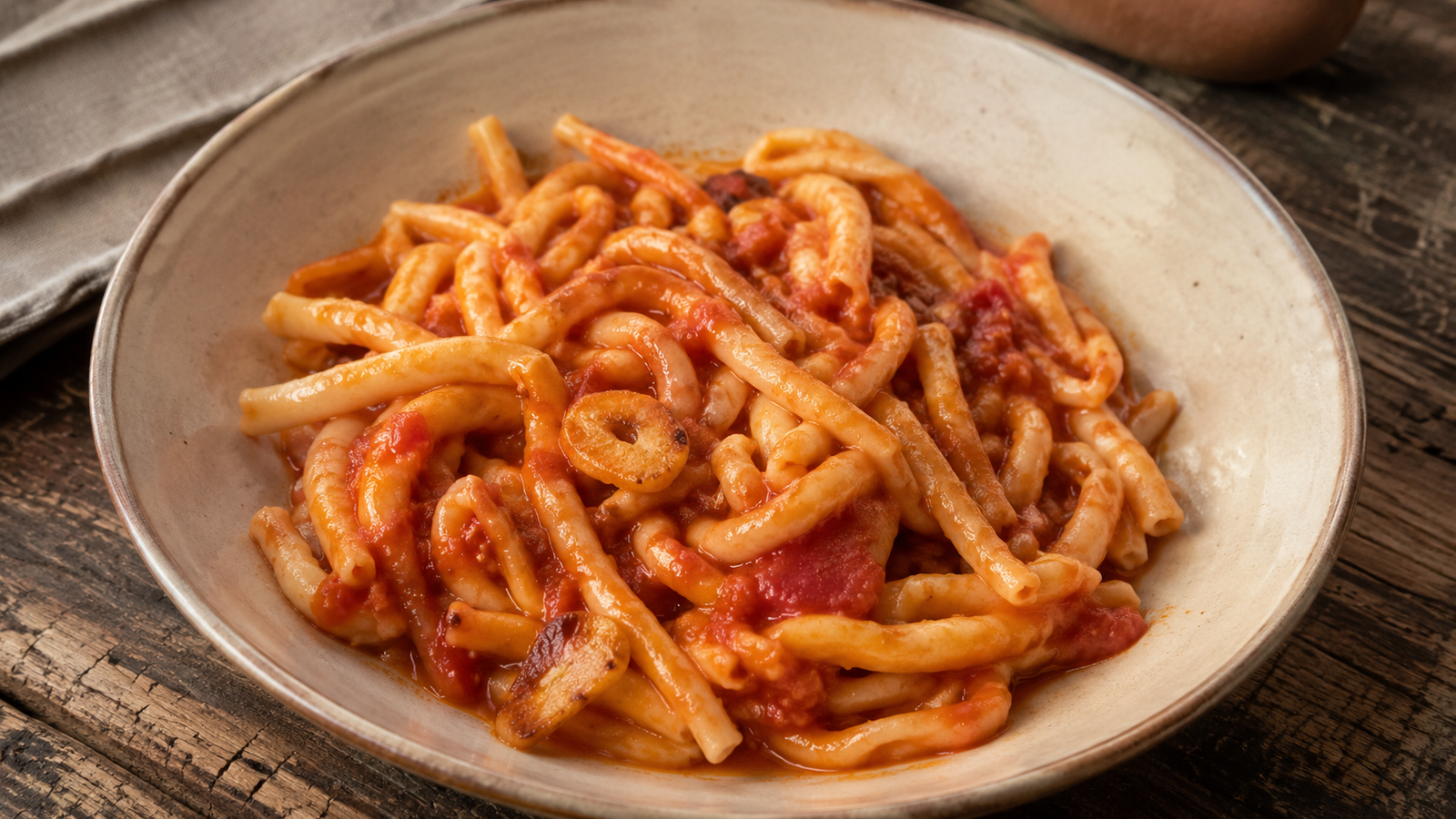
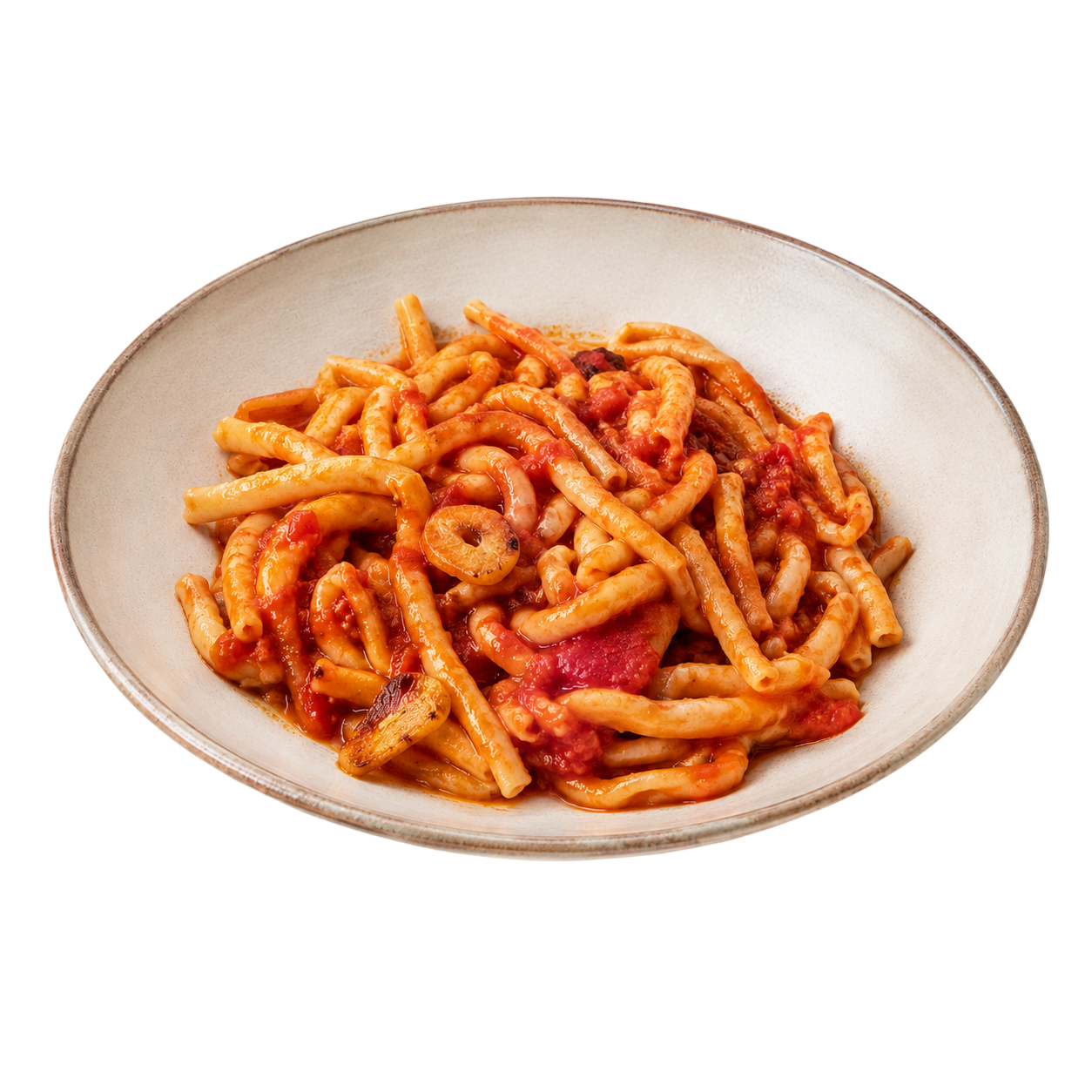 First courseCordicelleHandmade pasta with olive oil, garlic and tomato.
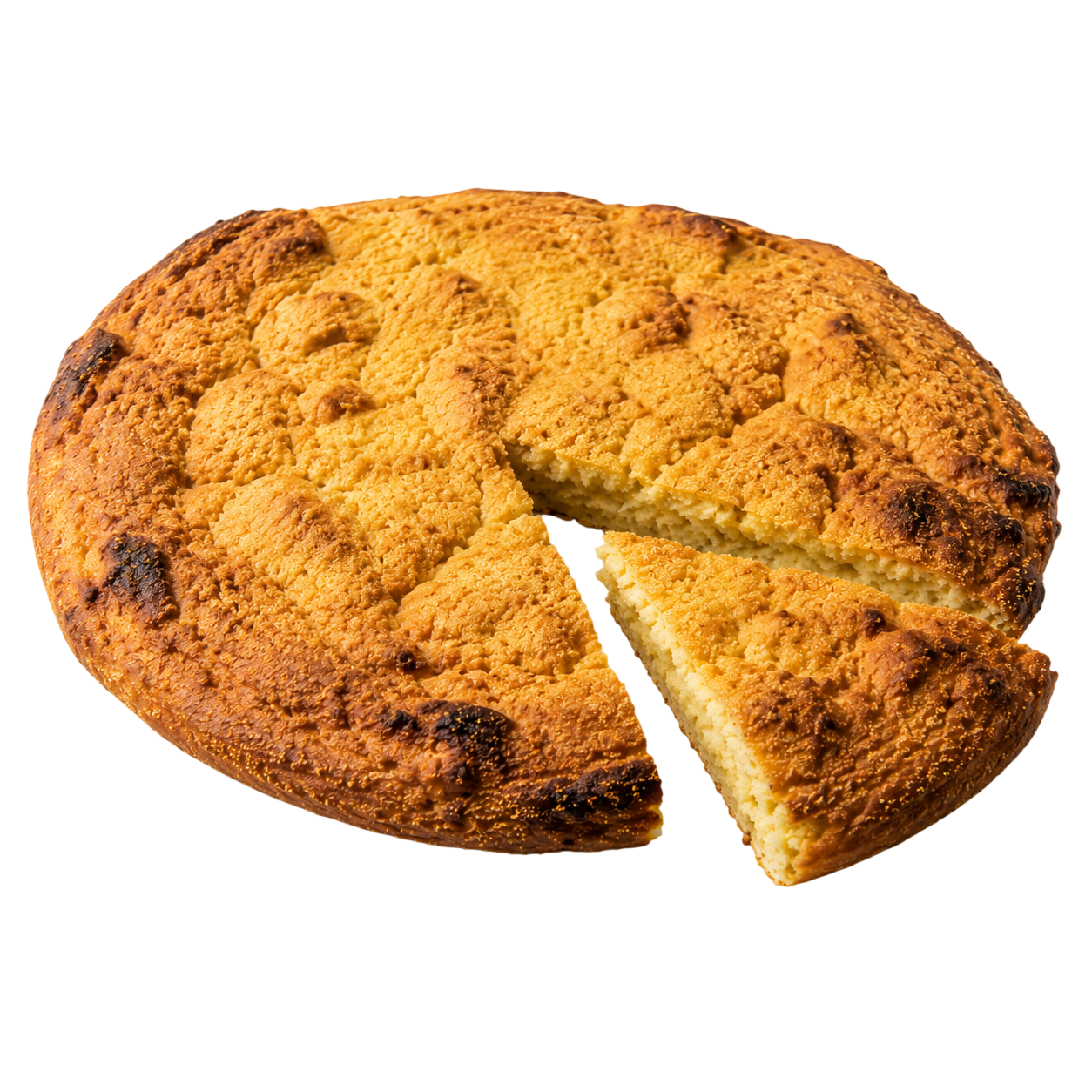 Baked traditionPizza de ’nfrascoA rustic wheat-and-maize flatbread traditionally cooked beneath the embers.
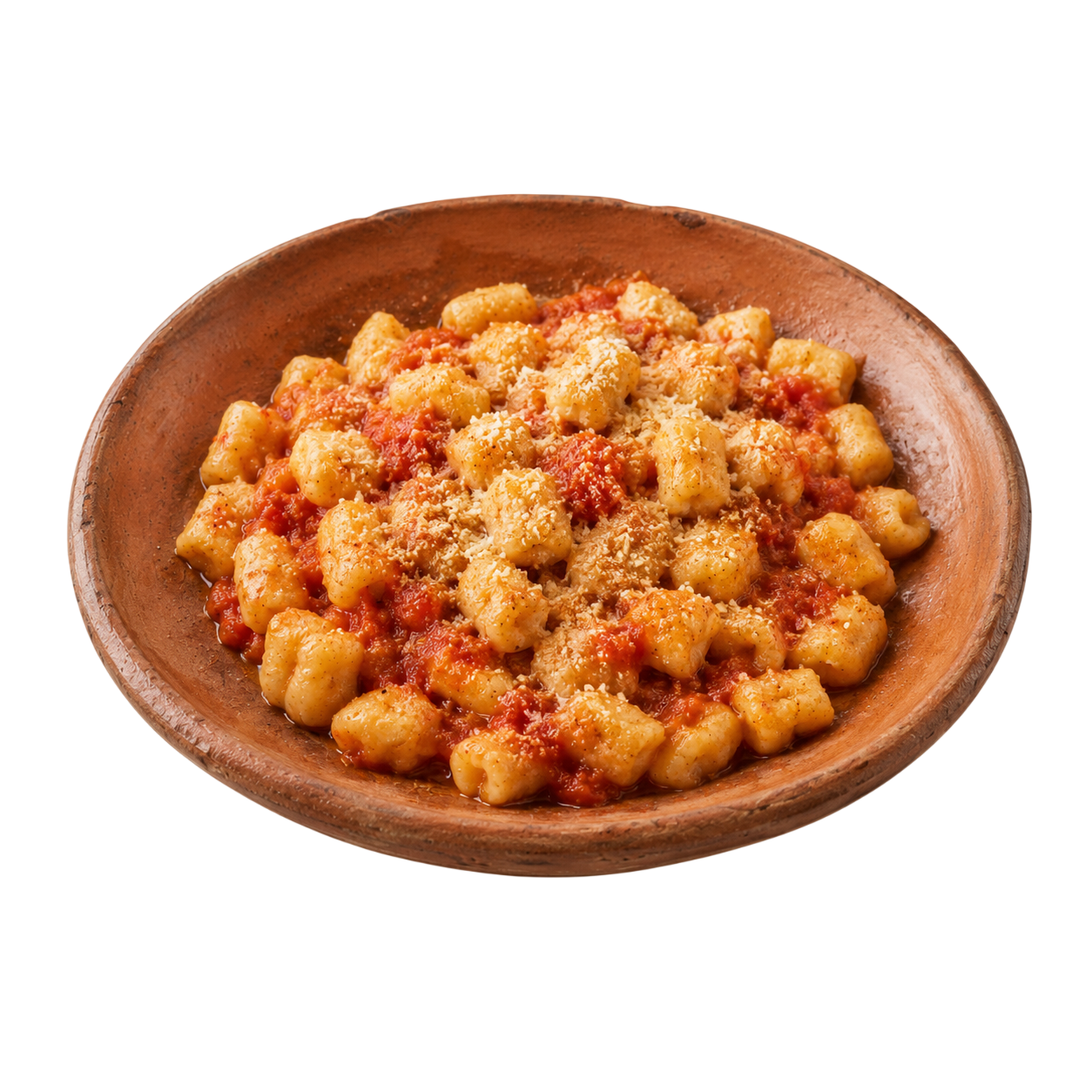 First courseGnocchettiSmall rustic dumplings made with wheat and maize flour.
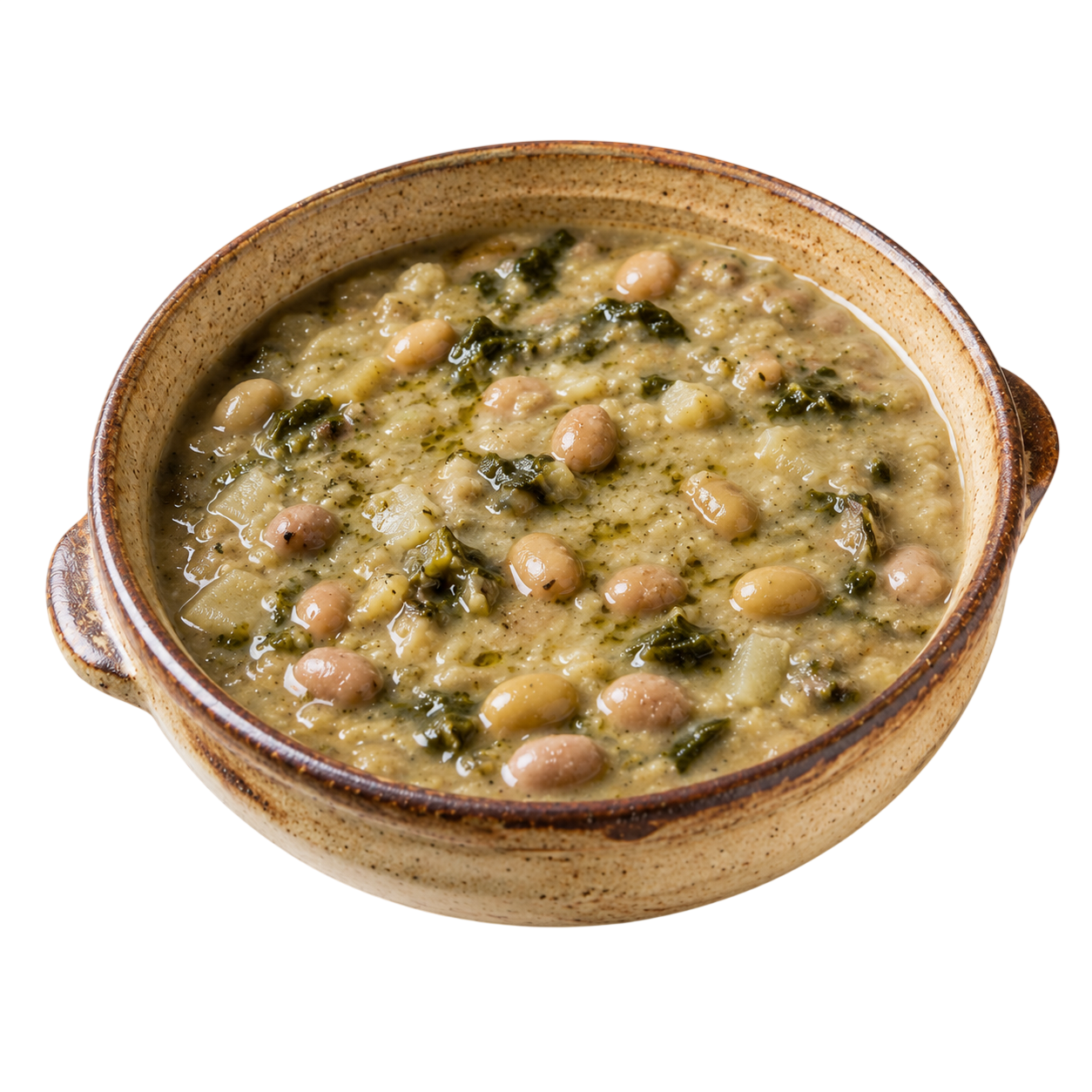 SoupsBroad bean soupBroad beans, toasted bread, simple vegetables and raw extra virgin olive oil.
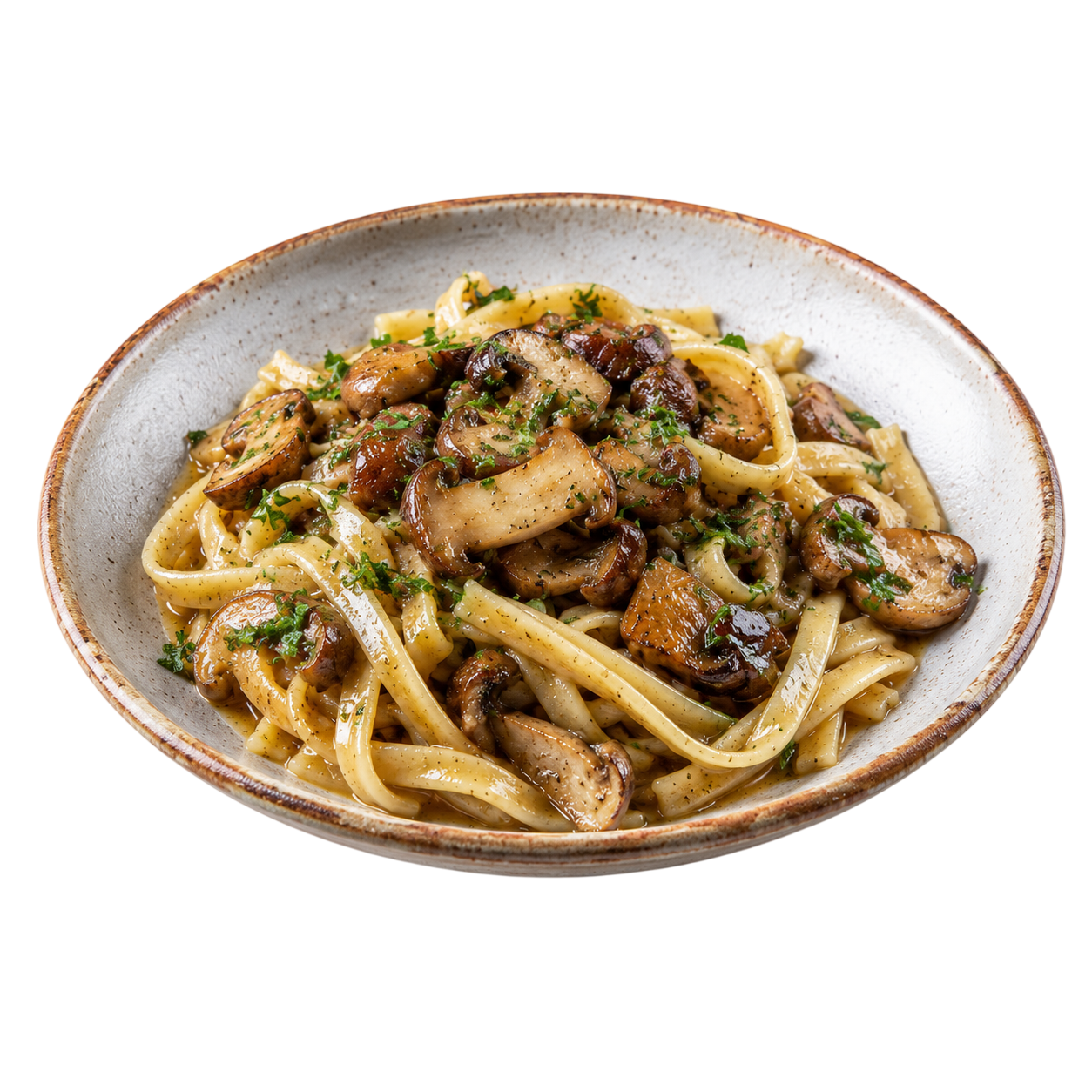 First courseFettuccine with porcini mushroomsFresh pasta with porcini mushrooms, olive oil, garlic and parsley.
Flavours of Collalto Sabino
Ingredients
Method
In the village and nearby
Where to eat
A useful, up-to-date selection, ordered by relevance, quality and proximity.
The village in figures
Collalto Sabino,hilltop village
A few essential figures to understand the area: elevation, residents, municipal area and approximate distance from Rome.
Elevation
at the municipal centre
Residents
within the municipality
Area
of the municipal area
From Rome
approximate driving time
In the village and nearby
Where to stay
A useful, up-to-date selection, ordered by relevance, quality and proximity.
FAQs about Collalto Sabino
Six practical answers for planning your visit, finding your way around the village and connecting the day with other places in Sabina.
What should I see in Collalto Sabino?
In Collalto Sabino, visit the Baronial Castle, the medieval village with its cobbled lanes and stone gateways, Piazza della Podesteria and its octagonal fountain, the Church of San Gregorio Magno and the Convent of Santa Maria just outside the centre. Nearby, the ruins of Montagliano Castle and the area of San Giovanni in Fistola are also worth exploring.
Where is Collalto Sabino?
Collalto Sabino is in the province of Rieti, in the Rieti area of Sabina, on high ground between the Turano Valley and the Apennines. Its name recalls the ancient Collis Altus, the “high hill”, perfectly expressing the village’s panoramic and defensive character.
How do I get to Collalto Sabino?
The most practical way to reach Collalto Sabino is by car, following the roads through the Rieti area of Sabina and the Turano Valley. Once there, explore the historic centre on foot, leaving the car in permitted areas before continuing through lanes, squares, walls and panoramic viewpoints.
Why visit Collalto Sabino?
Collalto Sabino is ideal for travellers seeking an authentic, dramatic and instantly recognisable village. The Baronial Castle dominates the settlement, while the historic centre preserves its medieval arches, stonework, gateways and intimate views. It is perfect for photography, village walks, highland panoramas and routes through the Rieti area of Sabina.
Which foods are associated with Collalto Sabino?
Local cooking reflects the flavours of highland villages: Cordicelle with olive oil, garlic and tomato, wheat-and-maize gnocchetti, broad bean soup, fettuccine with porcini mushrooms and Pizza de ’nfrasco cooked beneath the embers. Local produce also includes chestnuts, honey and cheese.
What can I do around Collalto Sabino?
Nearby you can discover the Convent of Santa Maria, the ruins of Montagliano Castle, San Giovanni in Fistola and the landscapes of the Turano Valley. Collalto Sabino fits naturally into a route combining fortified villages, Apennine nature, traditional cooking and panoramic views across the Rieti area of Sabina.

From this village a new itinerary begins
After the historic centre, connect your visit with another village, a local place to eat or a walking route and build a complete day in Sabina.