

Rieti Plain and Valle Santa
Contigliano
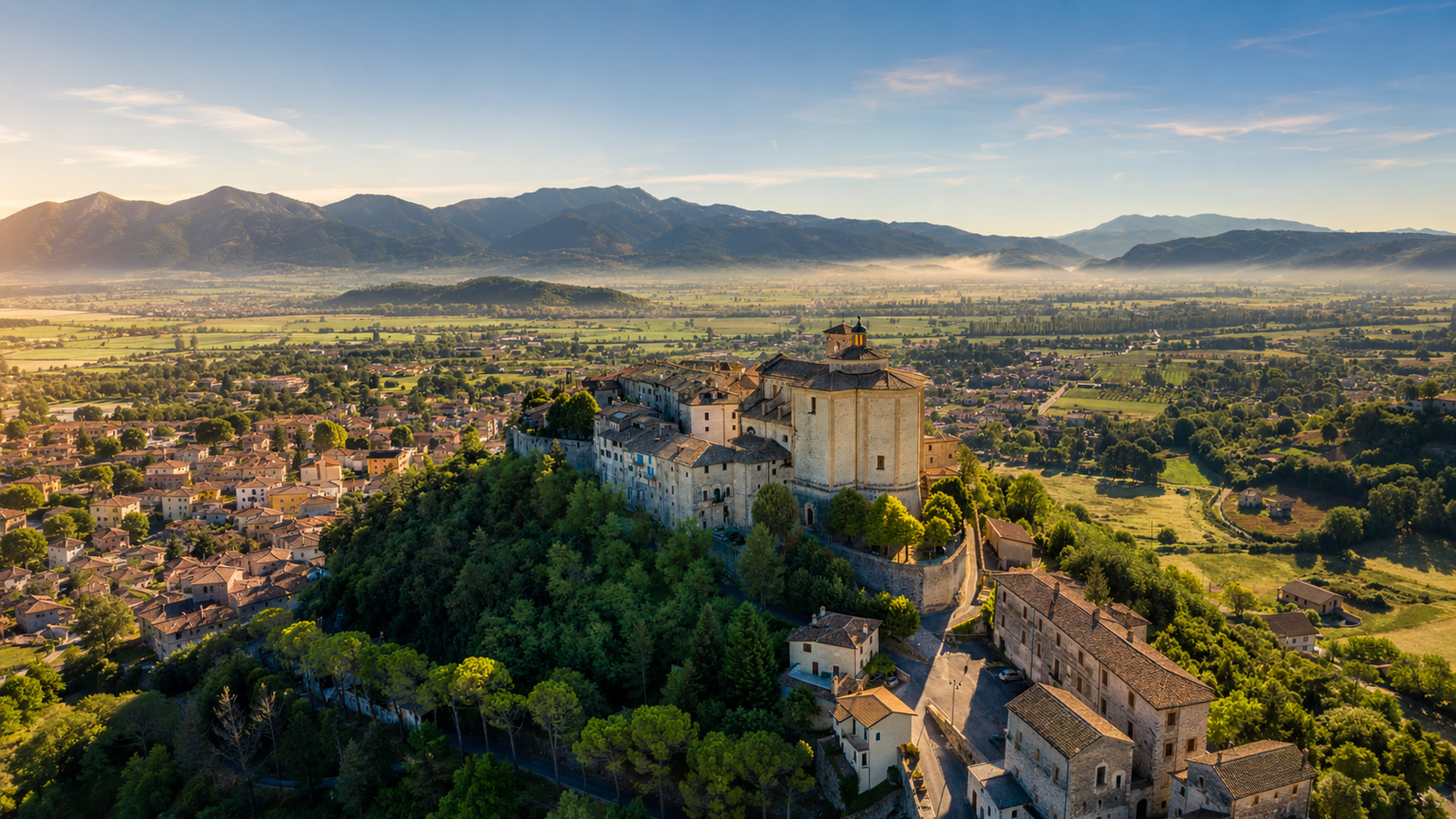
Contigliano rises on the western edge of the Rieti Plain, with its fortified centre gathered around the Collegiate Church of San Michele Arcangelo. Historic gates, ancient churches, San Pastore Abbey and the musical memory of Mattia Battistini make the area unexpectedly rich.
Rieti Plain and Valle Santa
Contiglianobetween walls and the Rieti Plain
Contigliano occupies a hill on the south-western edge of the Rieti Plain. The upper centre preserves the shape of a fortified settlement: Porta dei Santi, Porta Codarda, uphill lanes and close-set houses lead towards the great Collegiate Church of San Michele Arcangelo, which dominates the village skyline.
The territory then broadens beyond the walls: the Pieve di San Lorenzo preserves its oldest traces, San Pastore Abbey brings the Cistercian presence into the landscape, and Villa Battistini at Collebaccaro links Contigliano with the great baritone Mattia Battistini and the history of music.
On this page you can
- Enter the fortified village through its historic gates
- Discover the Collegiate Church, Pieve di San Lorenzo and San Pastore Abbey
- Follow the musical thread linking Villa Battistini with the territory

Fortified village
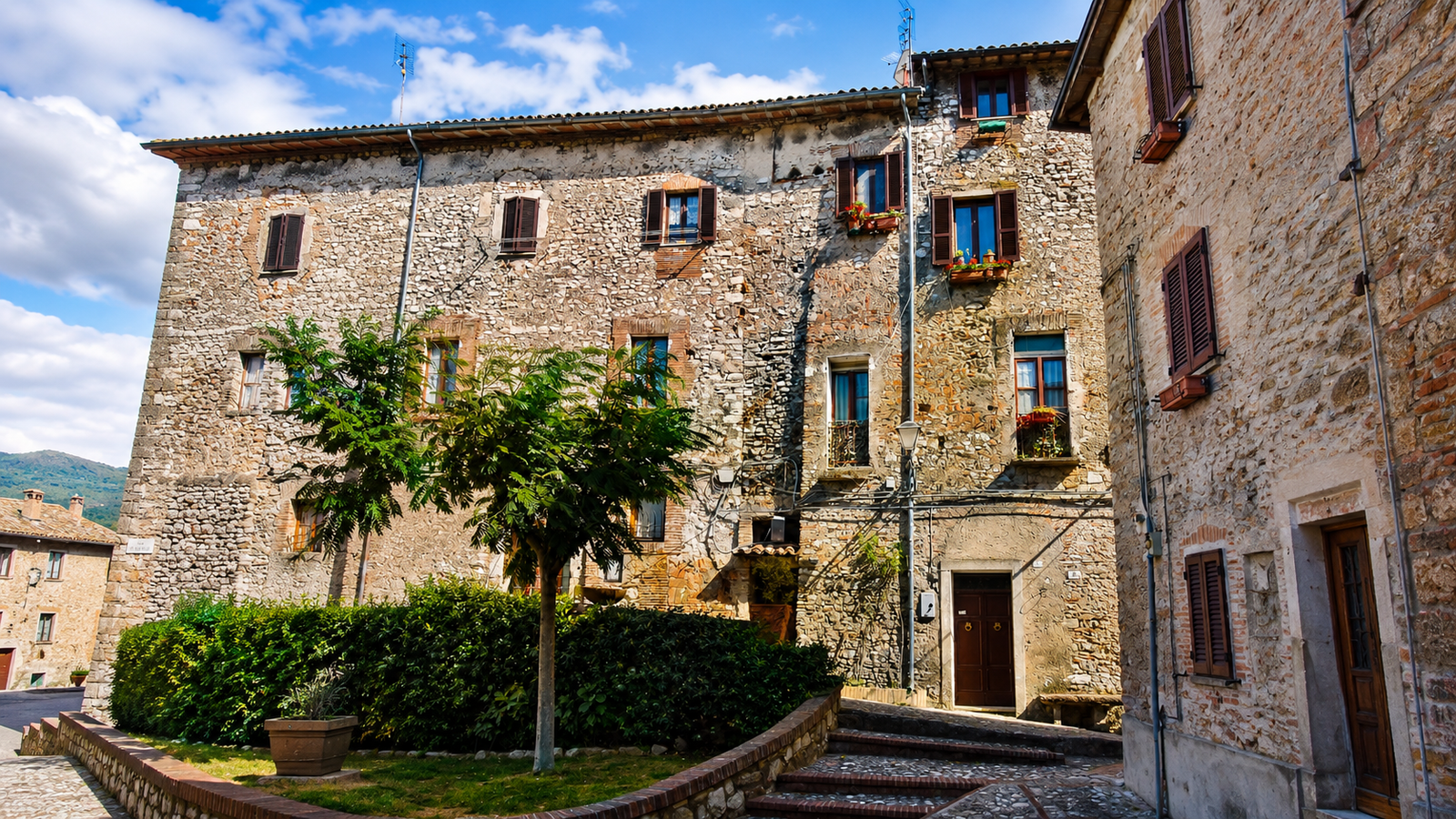
Gates, slopes and walls still reveal the form of the medieval castle.
San Michele
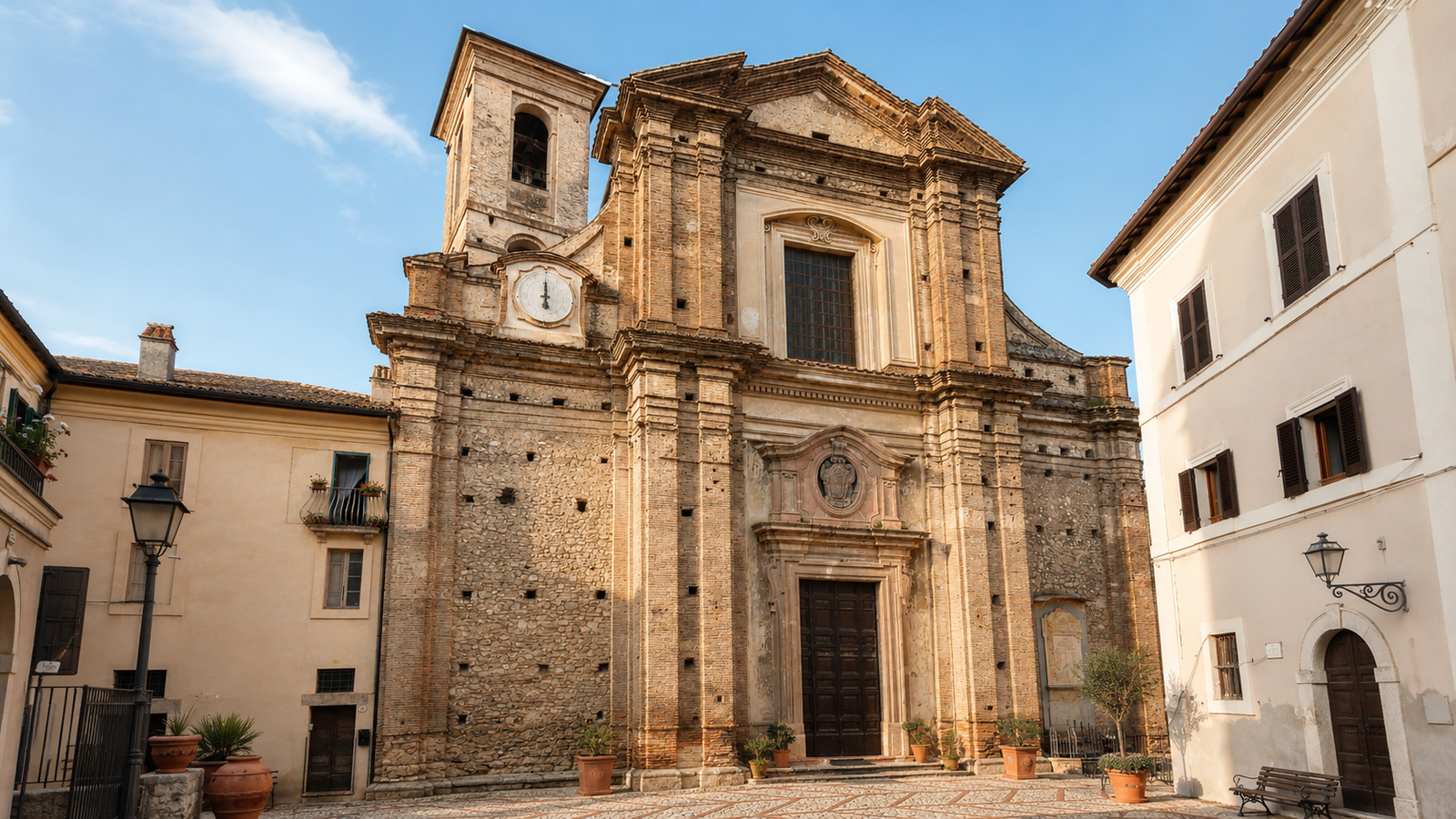
The great Collegiate Church dominates the upper village and defines its skyline.
San Pastore
The Cistercian abbey opens the journey towards the countryside and monastic history.
Music and Battistini
Villa Battistini preserves the area’s connection with one of Italy’s great baritones.
What to see
Contiglianoto discover
Village, abbeys and music
Contigliano is one of the richest and most scenic villages of the Rieti Plain: a medieval centre gathered around its historic gates, dominated by the Collegiate Church of San Michele Arcangelo and open towards Cistercian abbeys, ancient parish churches and places connected with music. This section guides you through the village, sacred art and the wider territory.
- Medieval centre between Porta dei Santi, lanes and views over the plain
- Collegiate Church of San Michele Arcangelo in the heart of the village
- Pieve di San Lorenzo and San Pastore Abbey in the surrounding area
- Villa Battistini and the Music Park between memory and culture
In the village and nearby
Local producers
A useful, up-to-date selection, ordered by relevance, quality and proximity.
History and identity
Contigliano, from Quintilianito the disputed castle
The name Contigliano is traced back to ancient Quintiliani: the place is recorded as early as the 8th century and in the Middle Ages developed as a fortified castle on the edge of the Rieti Plain. Gates, walls and the urban fabric still preserve the defensive logic of that settlement.
The most dramatic event came in 1501, when the troops of Vitellozzo Vitelli attacked the castle. In later centuries Contigliano rebuilt its identity around the Collegiate Church of San Michele, the surrounding abbeys and, between the 19th and 20th centuries, the baritone Mattia Battistini.
- Quintiliani
- Attack of 1501
- Mattia Battistini
In the village and nearby
Local services
A useful, up-to-date selection, ordered by relevance, quality and proximity.
Village events calendar
Events in Contigliano
Events, festivals and local initiatives selected for Contigliano.
Calendar being updated
No events published
New events will be added as soon as they become available.
Browse the full calendar→Village flavours
at the tableto discover
Three flavours express Contigliano’s identity: Lu Pizzicottu, the signature first course of local tradition, Pizza Sucia for festive occasions, and Pomodoro Corno di Toro, a historic local tomato variety. The section brings together village recipes, family memory and products that have made Contigliano’s cooking distinctive.
Lu Pizzicottu
Lu Pizzicottu is Contigliano’s most distinctive flavour: small pieces of bread dough pinched by hand, boiled and served with a simple, tasty tomato sauce. It is the signature dish of local tradition and of the historic summer festival dedicated to it.
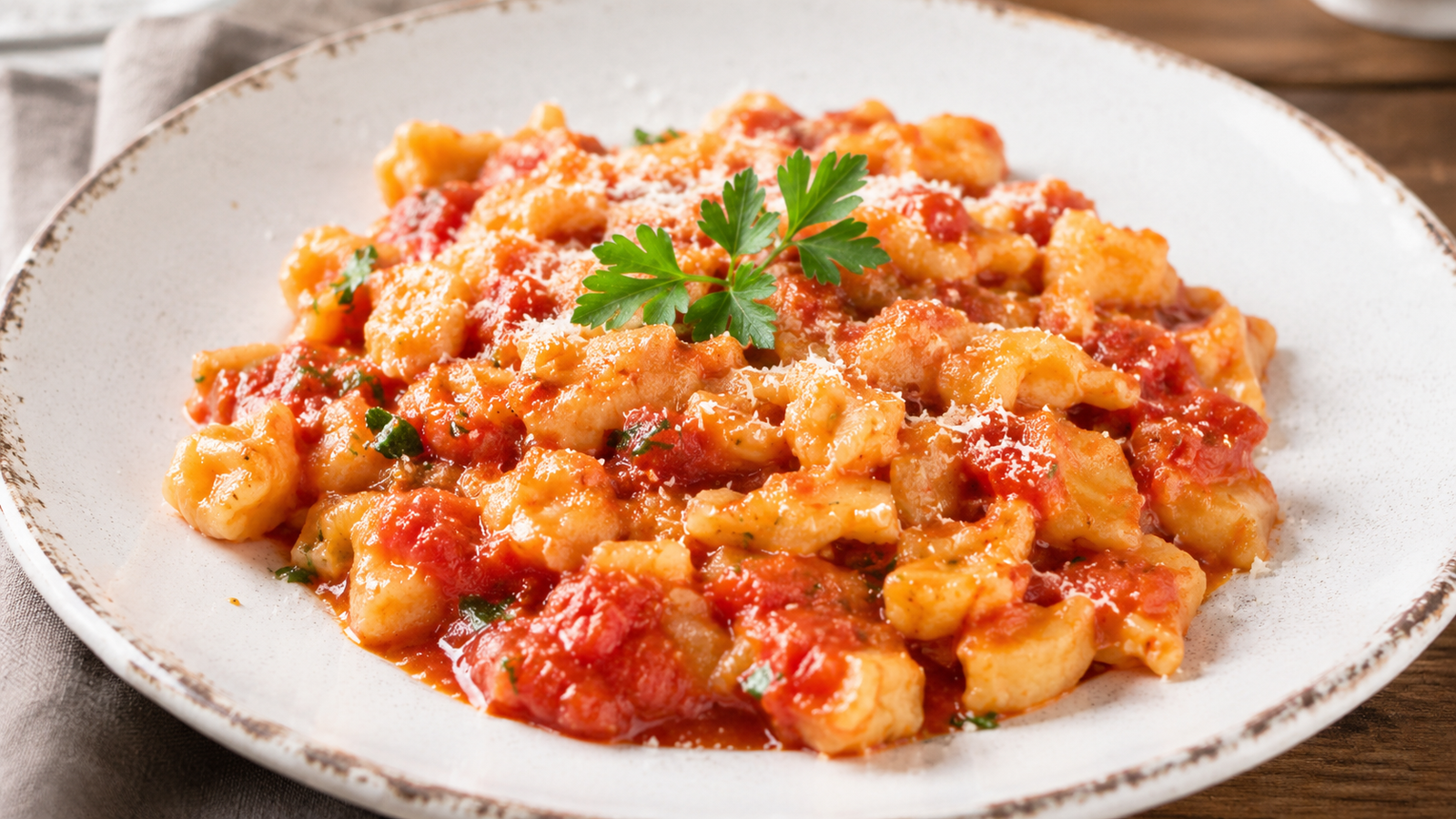
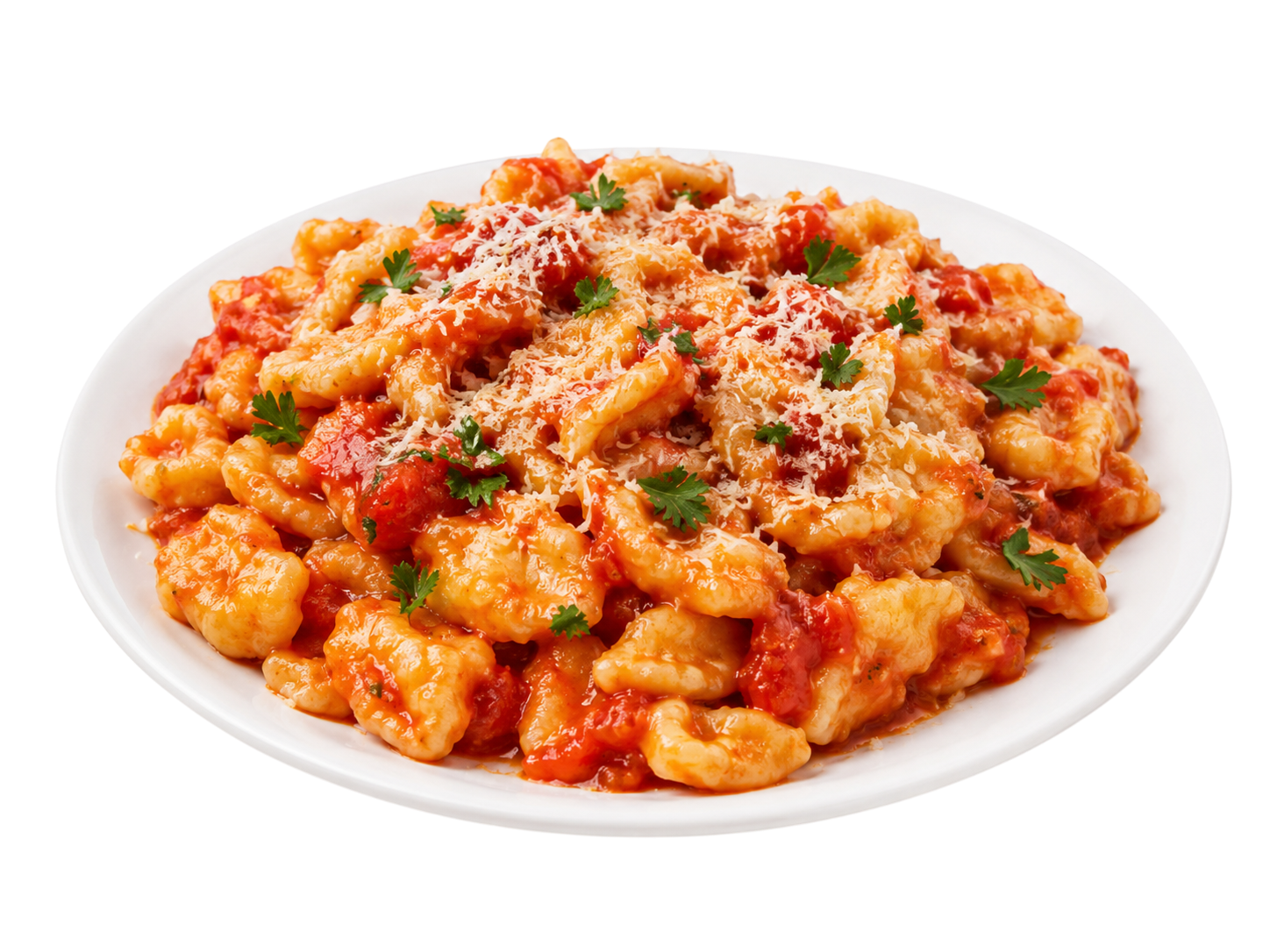 First courseLu PizzicottuHand-pinched bread dough, boiled and served with tomato sauce.
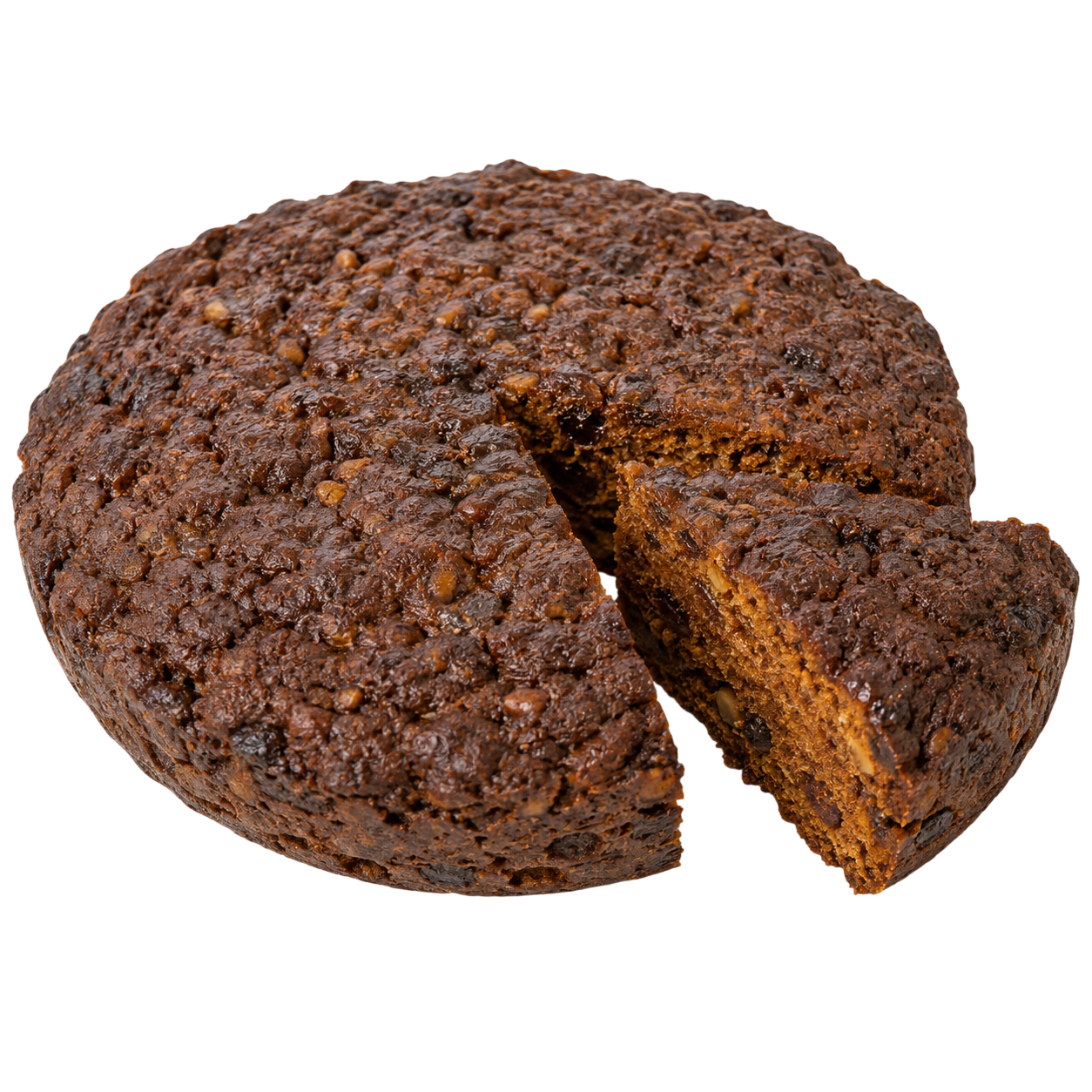 SweetPizza SuciaA dark, rich sweet made with cooked grape must, honey, walnuts, figs and raisins.
 Local productCorno di ToroThe area’s signature tomato, elongated and fleshy with an intense flavour.
Flavours of Contigliano
Ingredients
Method
In the village and nearby
Where to eat
A useful, up-to-date selection, ordered by relevance, quality and proximity.
The village in figures
Contigliano,between village and Rieti Plain
Four figures to understand the scale of the territory: the elevation of the upper village, municipal population, area and distance from Rieti.
Elevation
above sea level
Residents
within the municipality
Area
of the municipal area
From Rieti
approximate driving time
In the village and nearby
Where to stay
A useful, up-to-date selection, ordered by relevance, quality and proximity.
FAQ about Contigliano
Six practical answers for planning your visit, finding your way around the village and connecting the day with other places in Sabina.
What should I see in Contigliano?
Main stops are the medieval village with Porta dei Santi, the Collegiate Church of San Michele Arcangelo, Pieve di San Lorenzo, San Pastore Abbey, and Villa Battistini with the Music Park. These very different places reveal Contigliano from the Middle Ages to its musical culture.
Where is Contigliano?
Contigliano is in the province of Rieti, on the south-western edge of the Rieti Plain. The upper village occupies a hill at the foot of the Monti Sabini and lies about ten kilometres from Rieti, connecting the plain with the Valle del Canera.
How do I get to Contigliano?
The village is easily reached by car from Rieti and the main roads across the plain. Once there, leave the car in the lower area or authorised parking spaces and continue on foot through the gates and uphill lanes of the historic centre.
Why visit Contigliano?
Contigliano brings together a very scenic fortified village, a major collegiate church, parish churches and abbeys beyond the walls, and a rare connection with musical history. It suits visitors looking for architecture, history and landscape rather than a single monument.
What are the traditional foods of Contigliano?
The signature dish is Lu Pizzicottu, made with pinched bread dough and tomato sauce. Other distinctive flavours include Pizza Sucia, a traditional festive sweet, and Pomodoro Corno di Toro, a historic tomato variety associated with the local territory.
What can I see around Contigliano?
Nearby you can explore the Rieti Plain, Greccio and other places in Valle Santa. The municipal territory itself encourages you to move between the historic centre, San Pastore, Collebaccaro and the countryside below the Monti Sabini.

From this village a new itinerary begins
After the historic centre, connect your visit with another village, a local place to eat or a walking route and build a complete day in Sabina.