
Sabine Mountains
Cottanello
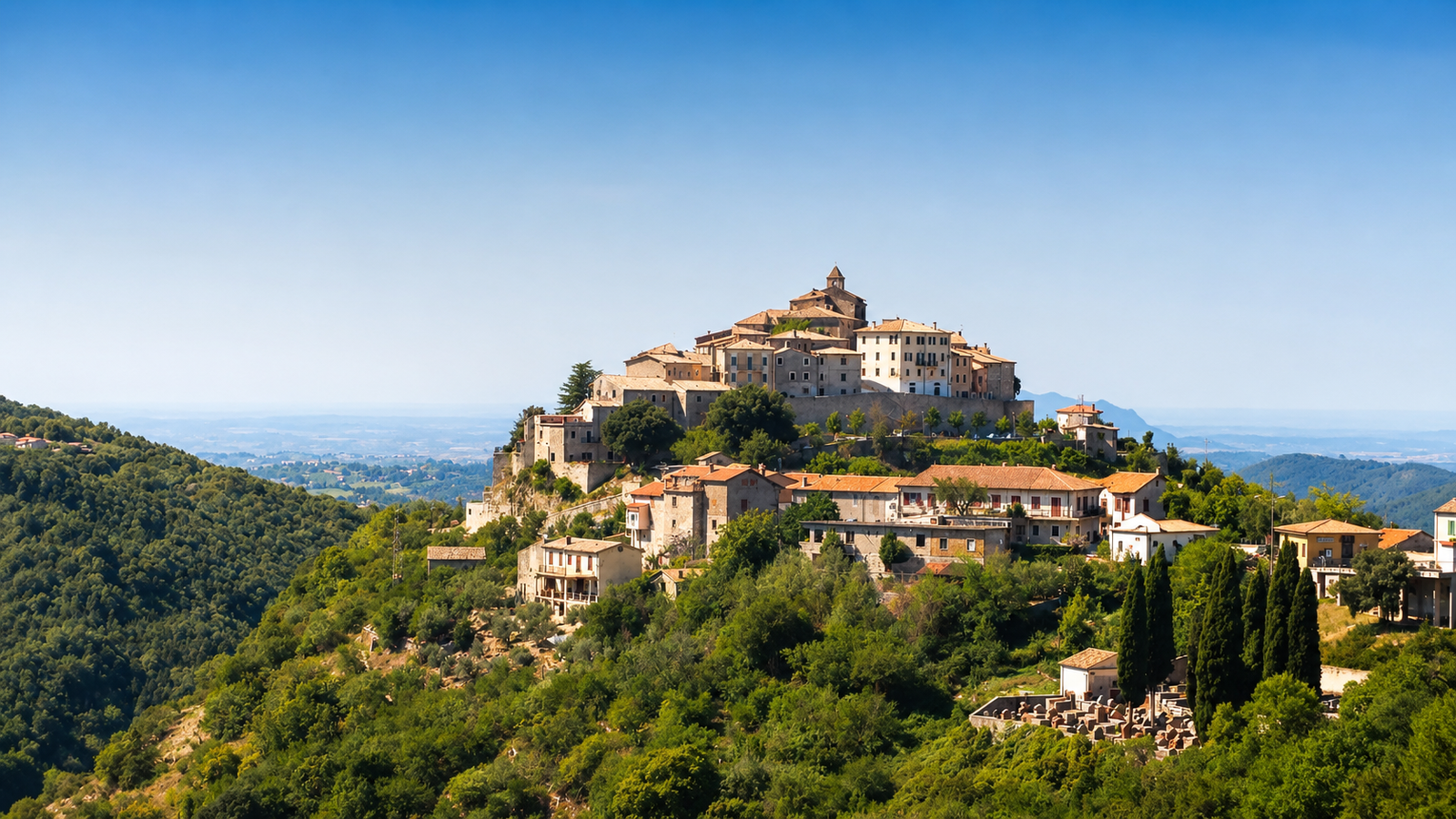
Cottanello is a village in the Sabine Mountains where stone tells stories from different eras: from the Roman villa of the Aurelii Cottae and the local red marble to the Hermitage of San Cataldo embedded in the rock. A fortified settlement surrounded by woodland, upland meadows and mountain scenery.
Sabine Mountains
Cottanellobetween rock and history
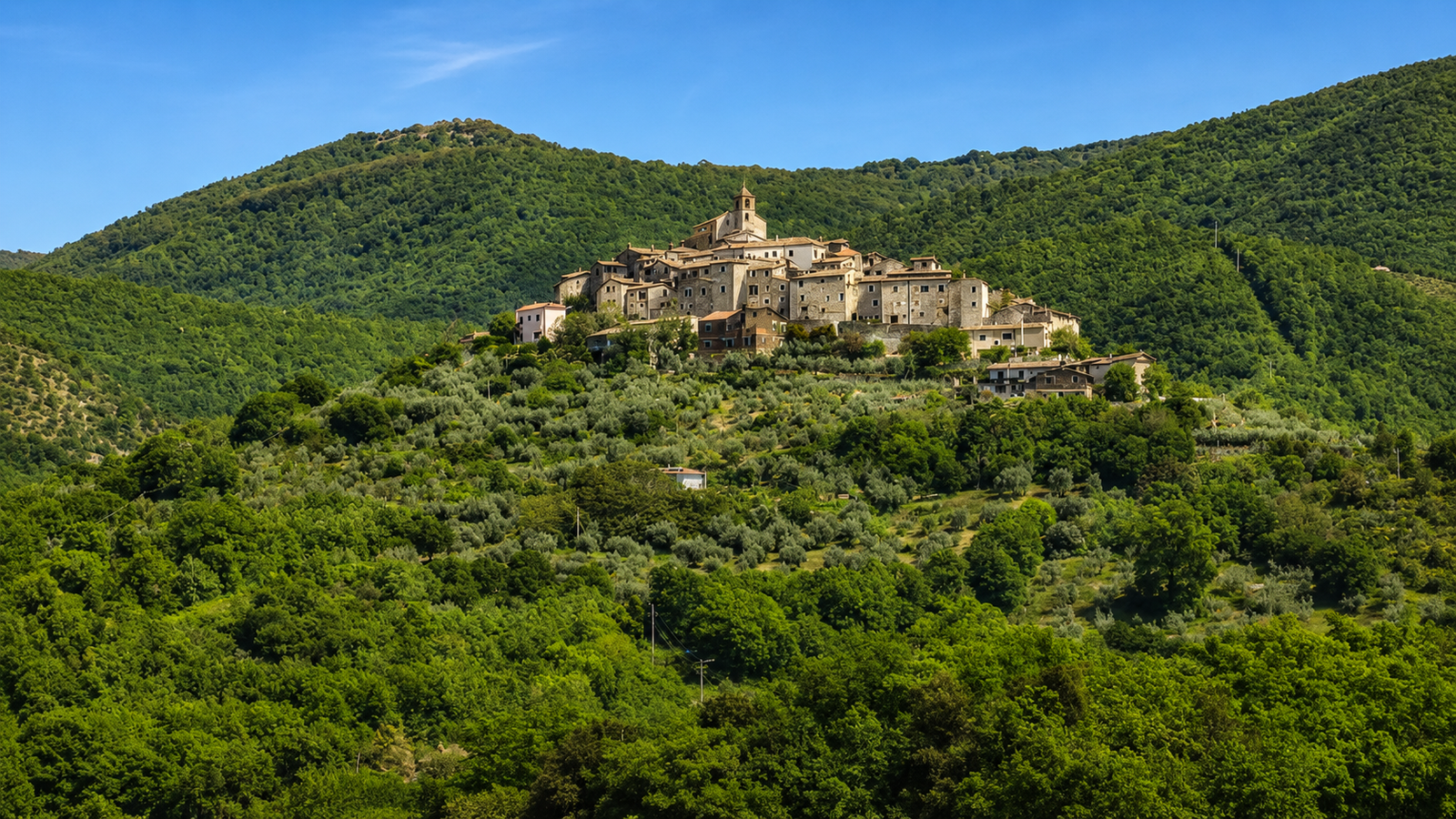
Cottanello stands at 551 metres among the ridges of the Sabine Mountains, where the fortified centre meets woodland, olive groves and broad upland spaces. Porta del Regno introduces a stone village, while just beyond the houses the mountain shelters the Hermitage of San Cataldo.
Its identity crosses very different centuries: the Roman villa of the Aurelii Cottae, the old red-marble quarries and the castle walls describe a place shaped by material and history. Higher up, the Prati di Cottanello open towards pastureland and wooded ridges.
On this page you can
- Enter the village through Porta del Regno and discover the historic centre
- Learn about the Hermitage of San Cataldo, the Roman villa and the red marble
- Find your way among the Prati di Cottanello, woodland and landscapes of the Sabine Mountains

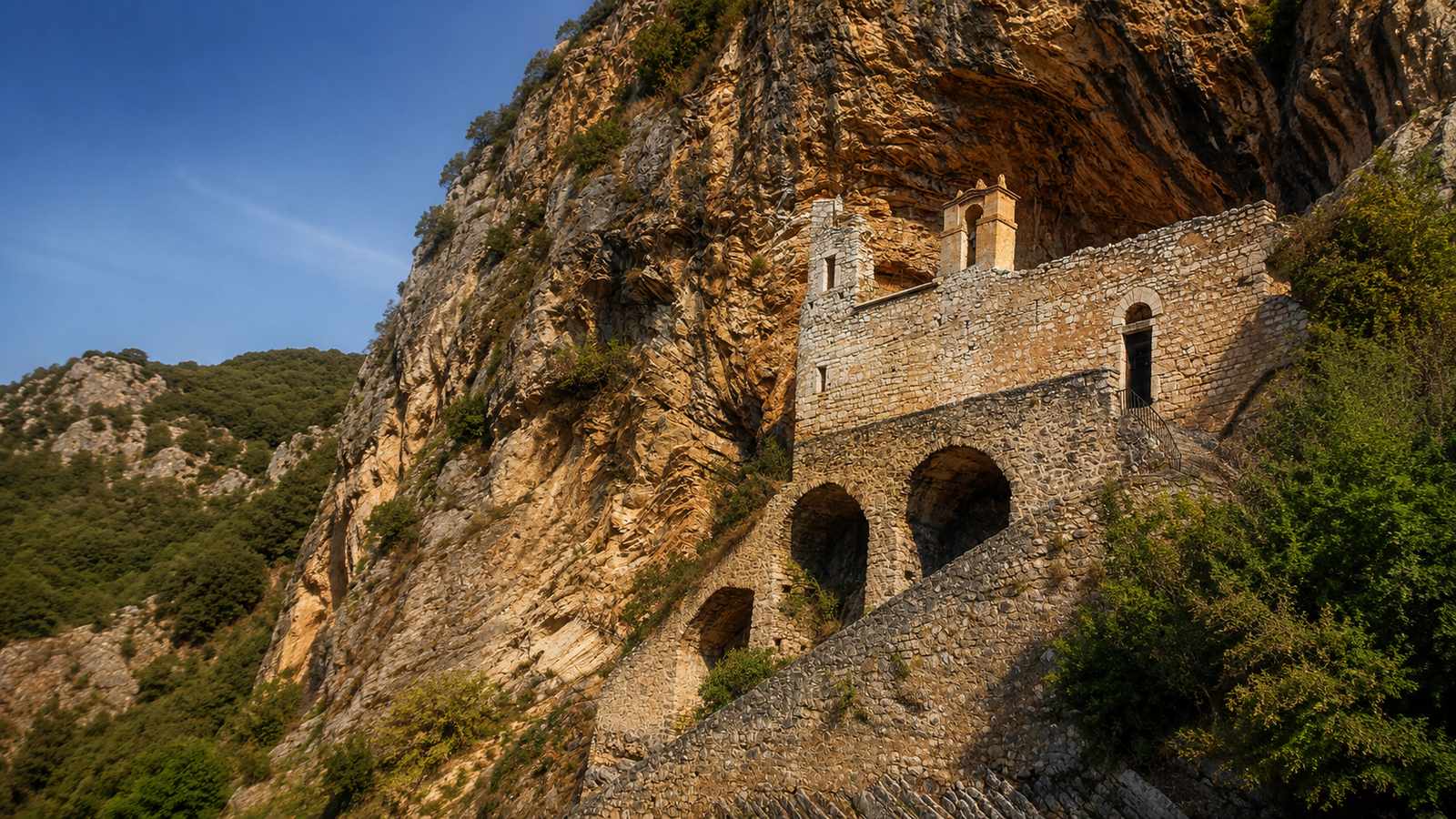
Hermitage of San Cataldo
A rock-cut sanctuary built beneath a great cliff.
Red marble
Cottanello’s symbolic stone links quarries, history and architecture.
Roman villa
The Aurelii Cottae left one of the territory’s most important archaeological sites.
Prati di Cottanello
Upland meadows, seasonal flowers and wooded ridges open the village towards the mountains.
What to see
Cottanelloto discover
Stone, archaeology and mountains
In Cottanello history seems to emerge from the rock. The Hermitage of San Cataldo clings to the cliff, red marble recalls old quarries, and the Roman villa returns the landscape to the age of the Aurelii Cottae. Between them, Porta del Regno and the broad meadows reveal two contrasting but complementary faces: the built village and the open mountain.
- The Hermitage of San Cataldo embedded in the rock face
- The Roman villa among mosaics, columns and ancient rooms
- The red-marble quarry, Cottanello’s symbolic stone
- Porta del Regno and the broad meadows of the Sabine Mountains
In the village and nearby
Local producers
A useful, up-to-date selection, ordered by relevance, quality and proximity.
History and identity
Cottanello, carvedin stone
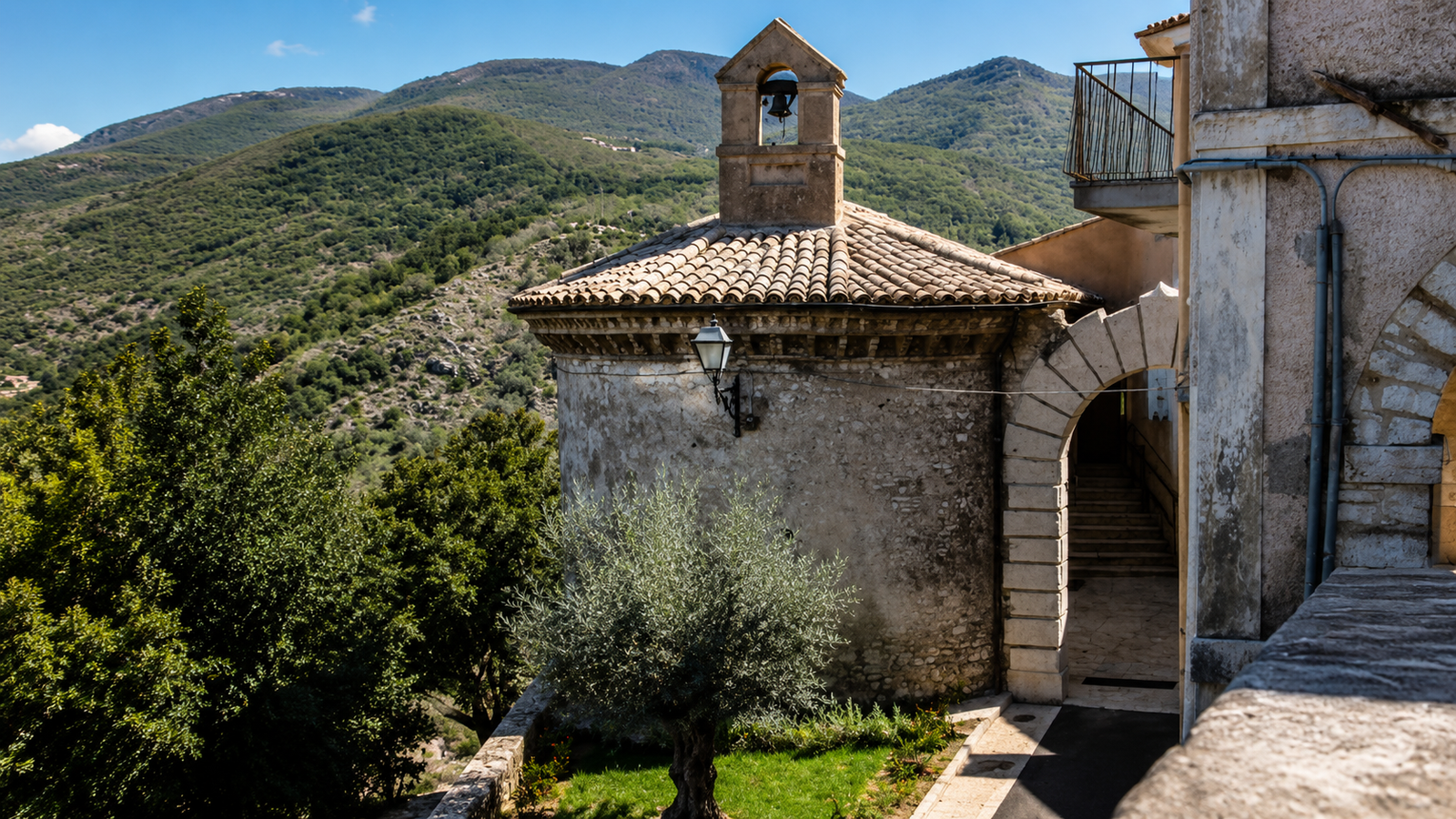
The earliest certain records of Cottanello date to 1027. During the Middle Ages the castle consolidated its fortified form and, under Orsini rule, the settlement developed within several circuits of walls. Porta del Regno, rebuilt in 1572, still marks the entrance to the historic nucleus.
The village’s story, however, begins long before the medieval walls. The Roman villa of the Aurelii Cottae and the ancient red-marble quarries connect Cottanello with the Roman world, while the Hermitage of San Cataldo records a religious presence in the rocky landscape of the Sabine Mountains.
- Roman villa
- Orsini rule
- Red marble
In the village and nearby
Local services
A useful, up-to-date selection, ordered by relevance, quality and proximity.
Village events calendar
Events in Cottanello
Events, festivals and local initiatives selected for Cottanello.
Calendar being updated
No events published
New events will be added as soon as they become available.
Browse the full calendar→Authentic flavours
Cottanellotastes of home
Cottanello’s cooking speaks the language of village tables: fried dough, steaming polenta and handmade pasta dressed with bold sauces and a hint of chilli.
Fried pizza opens the story with irresistible simplicity; polenta with sausage brings the robust flavour of mountain cooking to the table, while handmade pasta with a spicy sauce completes a practical, familiar trio deeply connected with convivial meals.
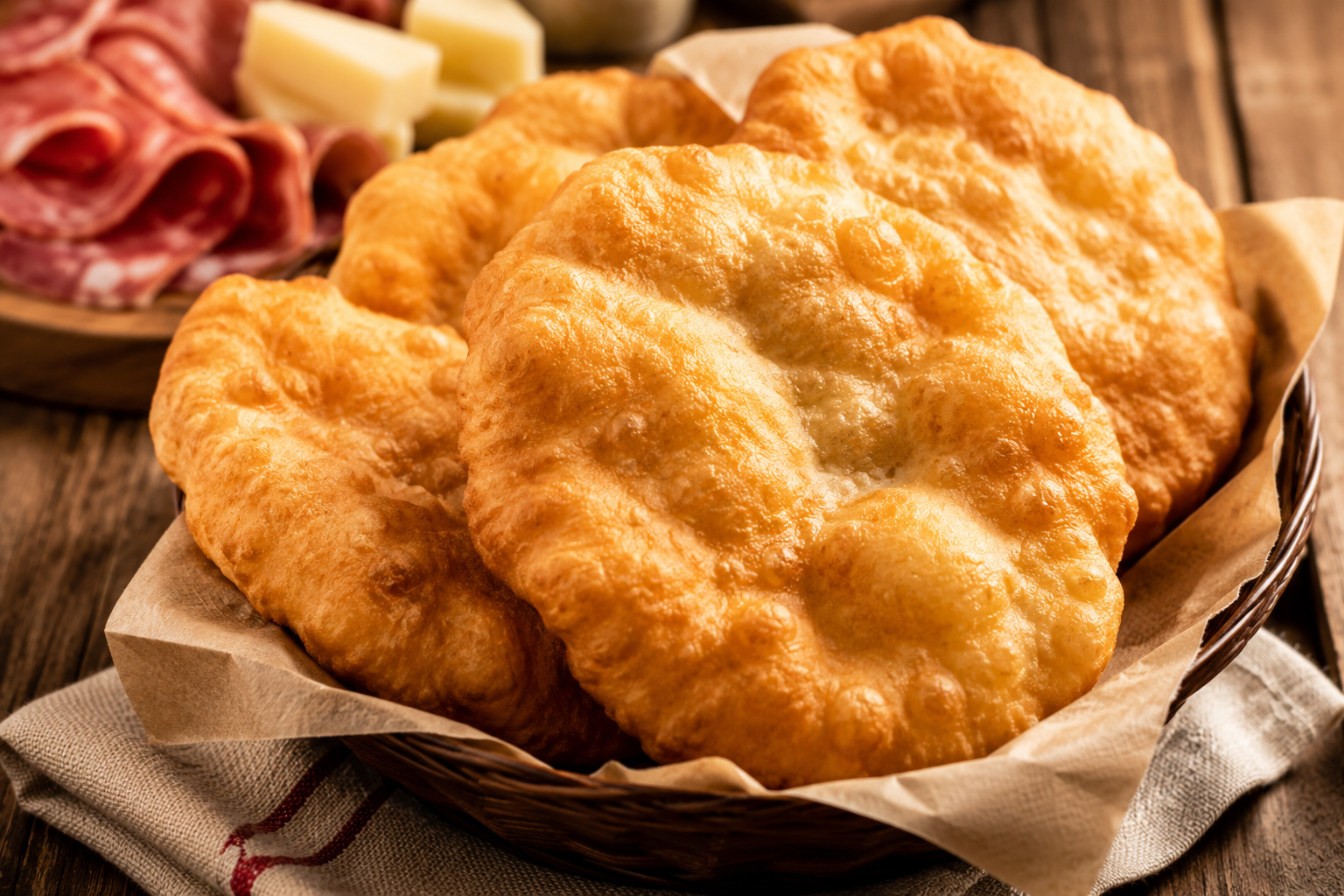
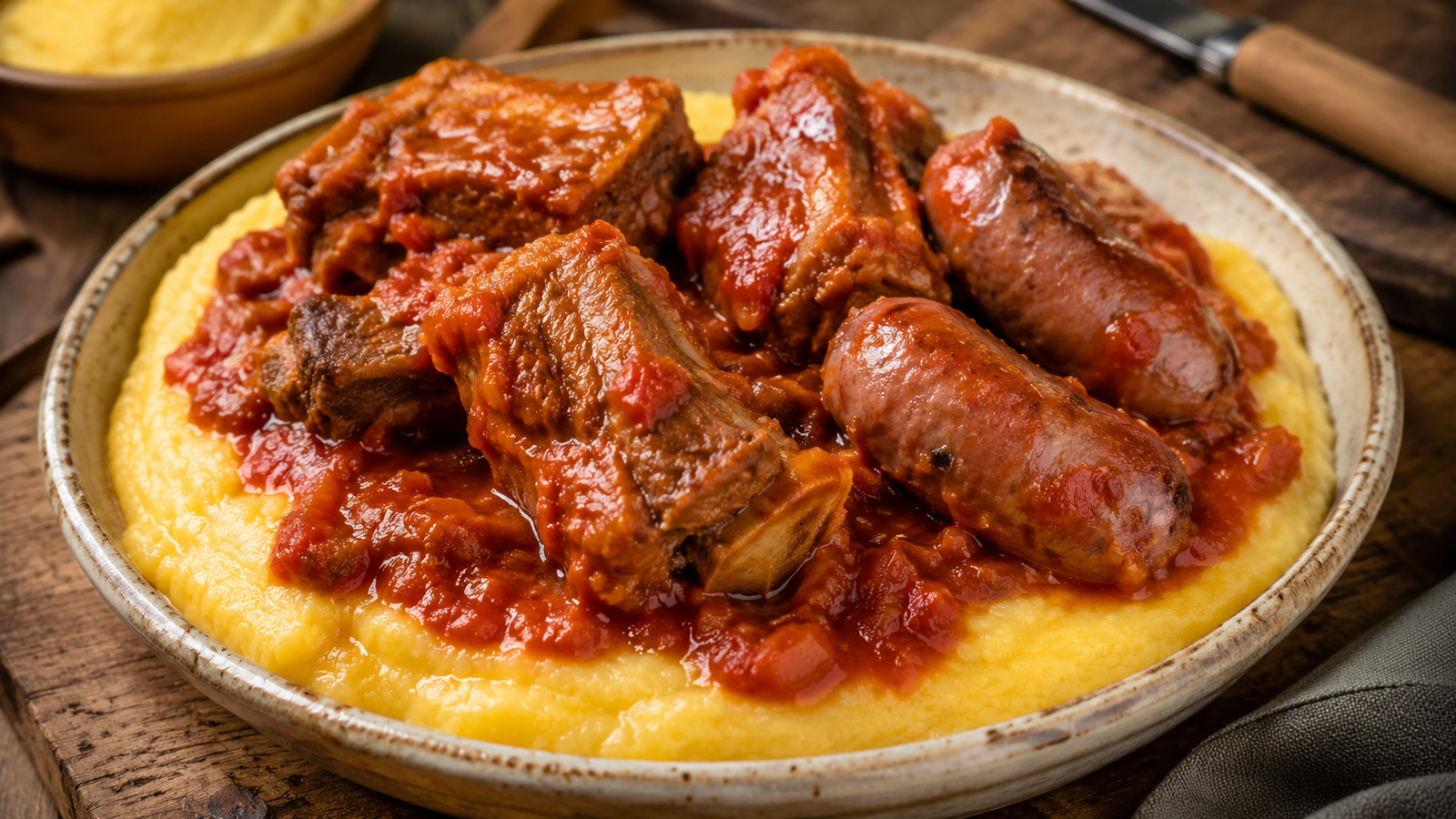
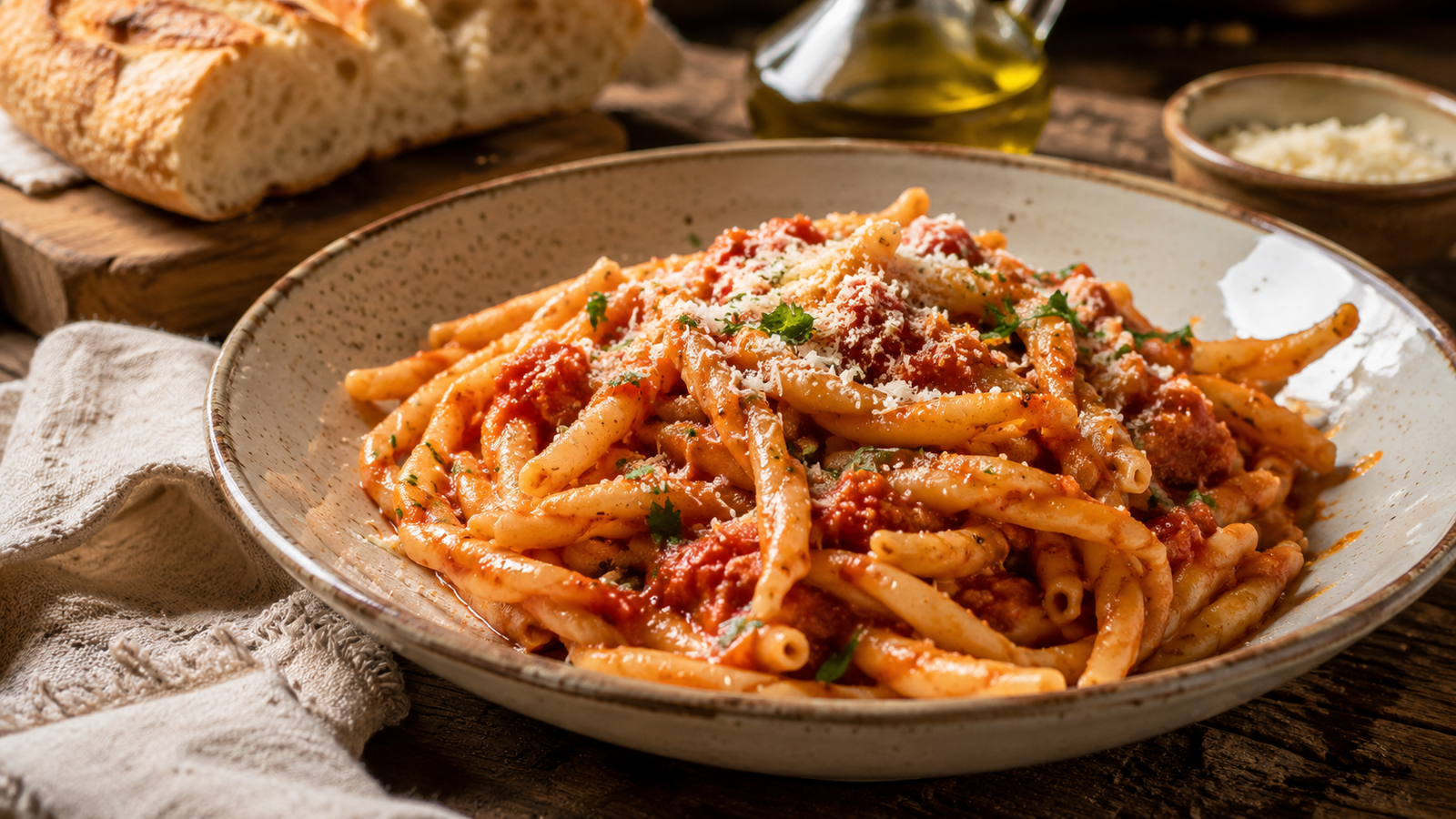
Here flavour comes from dough, cauldrons and sauces that warm the table.
In the village and nearby
Where to eat
A useful, up-to-date selection, ordered by relevance, quality and proximity.
The village in figures
Cottanello,stone and history
Elevation, population and two essential dates for reading the village between the Middle Ages and Porta del Regno.
Elevation
above sea level
Residents
within the municipality
Earliest record
the earliest certain references to the village
Porta del Regno
year of the historic rebuilding
In the village and nearby
Where to stay
A useful, up-to-date selection, ordered by relevance, quality and proximity.
FAQ about Cottanello
Six practical answers for planning your visit, finding your way around the village and connecting the day with other places in Sabina.
What should you see in Cottanello?
The main stops are the Hermitage of San Cataldo, the Roman villa of the Aurelii Cottae, the red-marble quarry, Porta del Regno and the Prati di Cottanello. Lanes, passages and stone architecture in the historic centre complete the visit.
Where is Cottanello?
Cottanello is in the province of Rieti, within the Sabine Mountains. The village stands at 551 metres and is surrounded by woodland, olive groves, ridges and grazing land.
How do you get to Cottanello?
The easiest way to reach Cottanello is by car. From Rieti the journey takes roughly half an hour and crosses the interior landscape of the Sabine Mountains before reaching the village.
Why visit Cottanello?
Cottanello brings together Roman archaeology, medieval architecture and mountain scenery in a single territory. The rock-built hermitage and red-marble quarry give it an identity quite unlike other Sabina villages.
What are Cottanello’s traditional flavours?
The flavours chosen to represent Cottanello are fried pizza, polenta with sausage and handmade pasta with spicy sauce: hearty, convivial dishes connected with village cooking and family tables.
What can you do around Cottanello?
Beyond the historic centre, visitors can reach the Hermitage of San Cataldo, the Roman villa, the red-marble quarry and the Prati di Cottanello. The territory also suits walks and routes through woodland and mountains.

From this village a new itinerary begins
After the historic centre, connect your visit with another village, a local place to eat or a walking route and build a complete day in Sabina.