
Heart of Sabina
Fara in Sabina
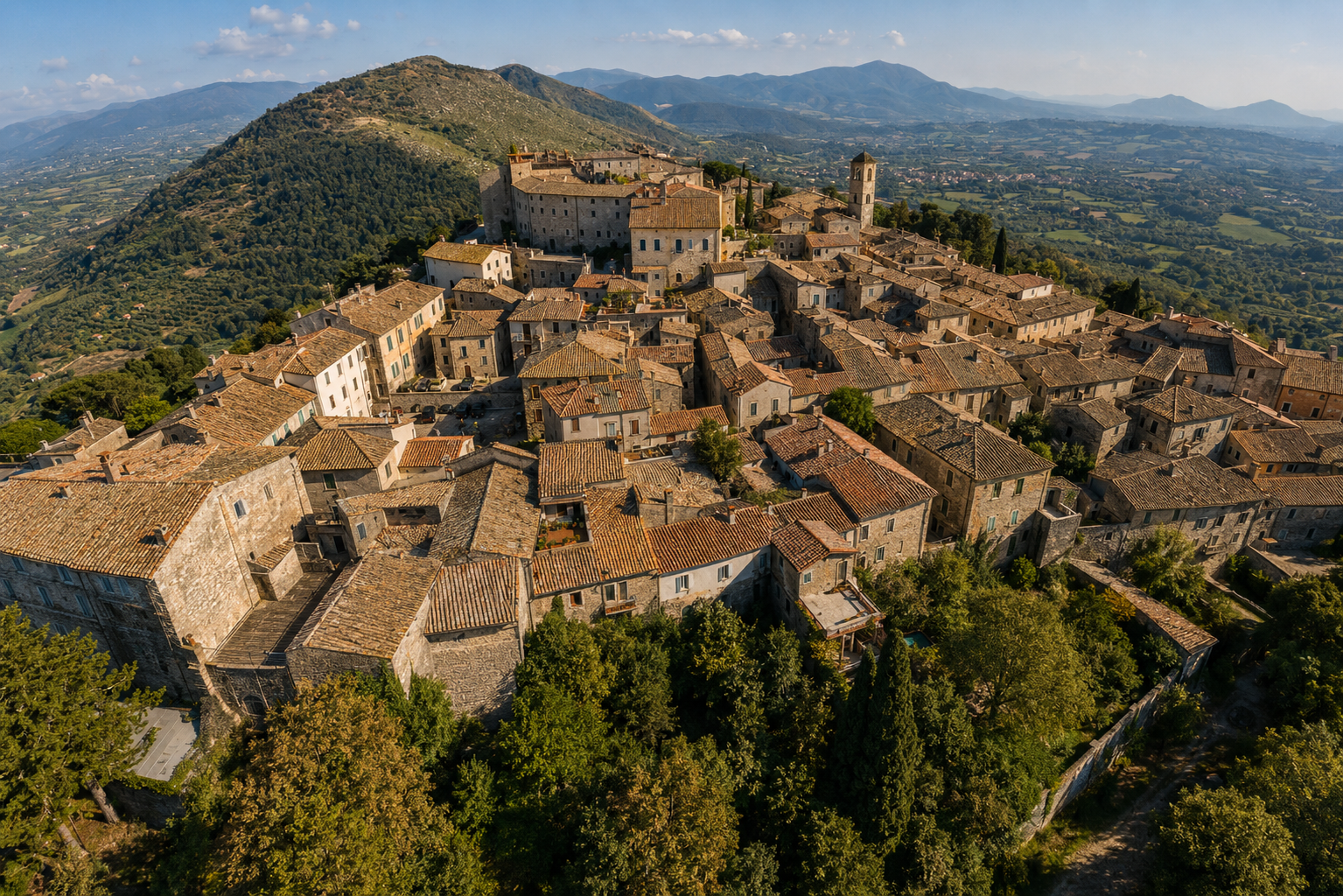
Fara in Sabina is one of the most important historic centres in the Sabina territory: a hill village near Farfa Abbey, overlooking a broad landscape of olive groves, hamlets, ancient routes and views towards the Tiber Valley. Here Sabina reveals one of its most complete identities through medieval history, spirituality, olive oil, local life and connections with Rome.
Farfa Valley
Fara in Sabinaamong history, Farfa and olive groves
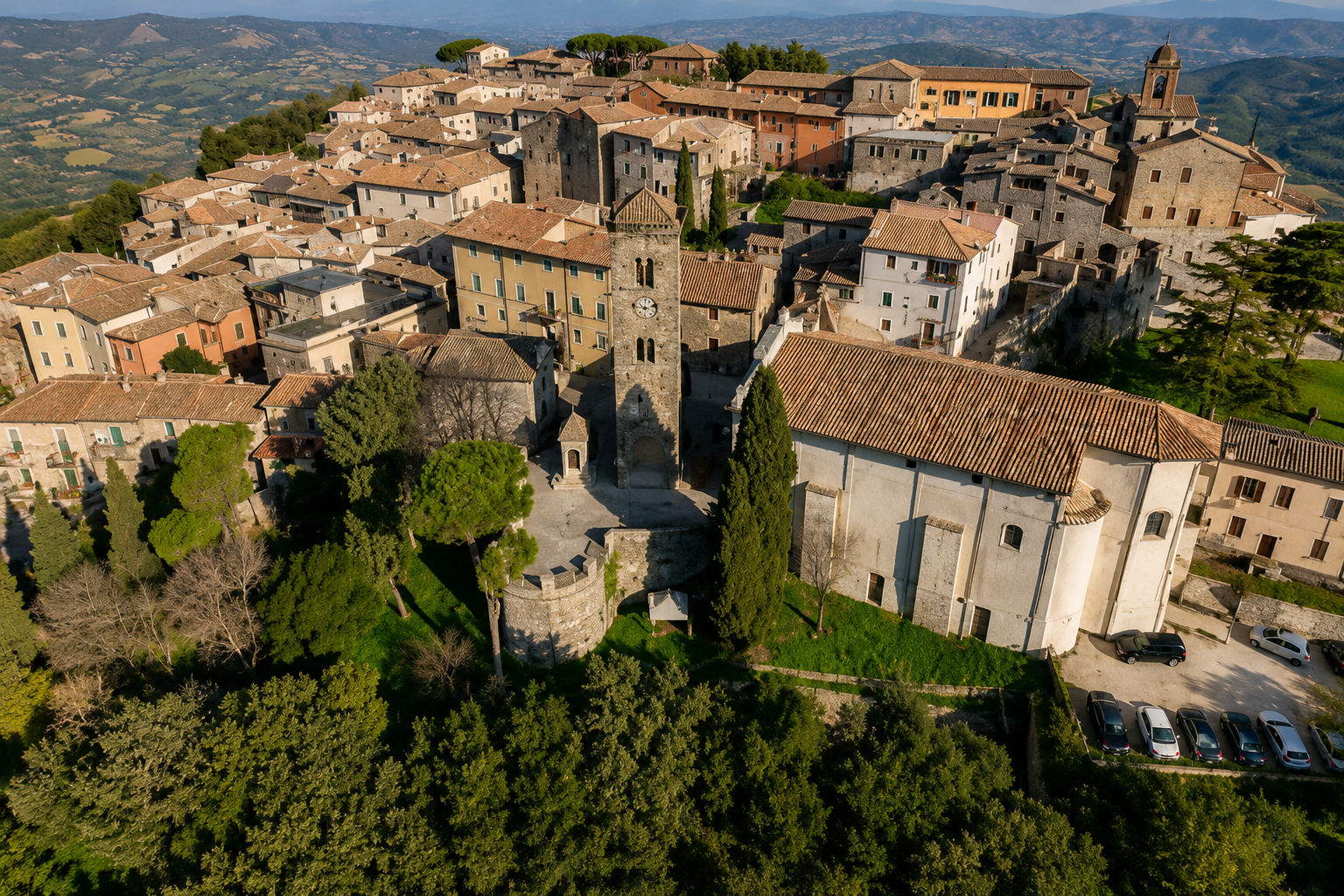
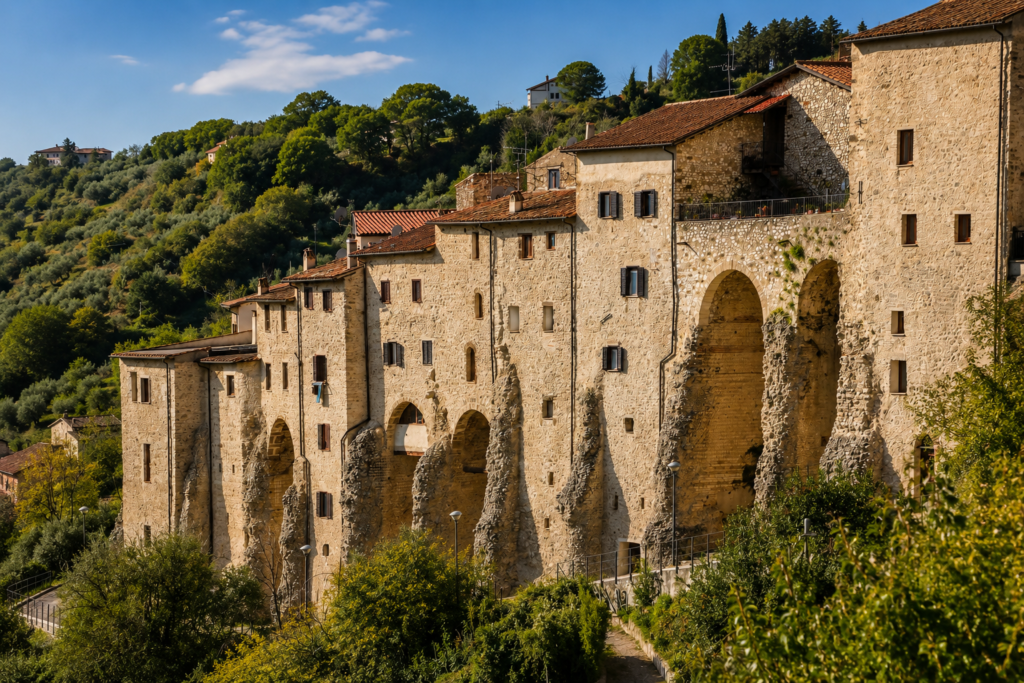
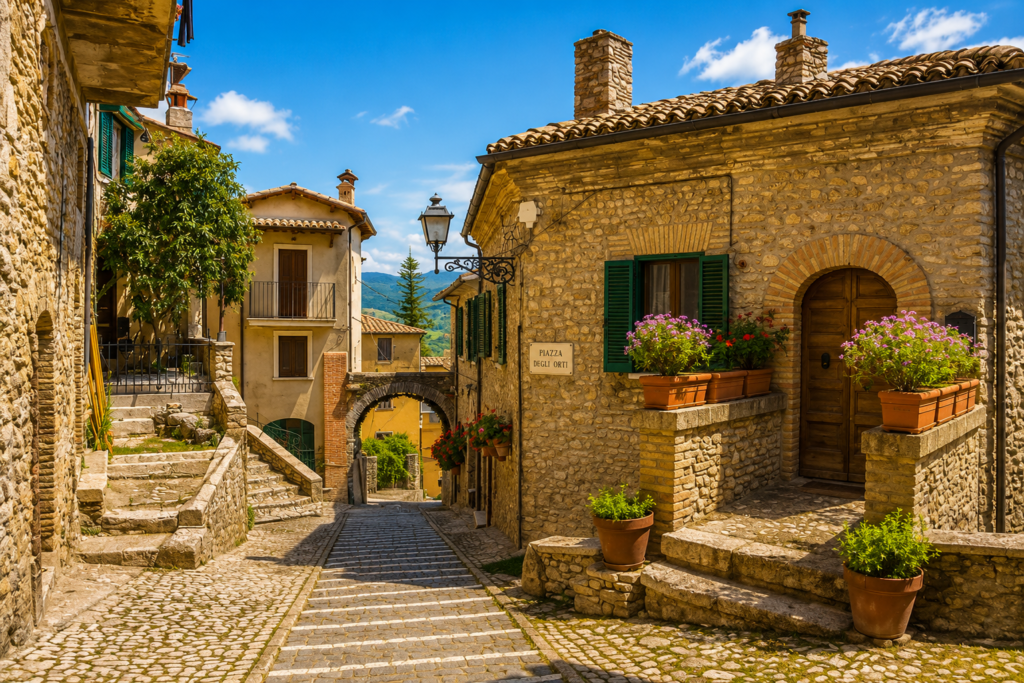
Fara in Sabina is one of the territory’s most representative centres: a hilltop village overlooking the Rieti hills, with a compact historic centre, old palaces, countryside views and a deep relationship with the Farfa Valley.
Its territory brings together places of great cultural value and clearly recognisable agricultural landscapes: from Farfa Abbey to the Civic Archaeological Museum, from the hamlets to the plain of Passo Corese and the olive groves expressing one of Sabina’s strongest vocations. It is an essential stop for understanding the history, landscape and contemporary life of this part of Lazio.
On this page you can
- Discover the historic centre, Farfa Abbey and the Civic Archaeological Museum
- Find your way among the hill village, its hamlets, the Farfa Valley and connections with Rome
- Learn about Sabina flavours, olive oil, cultural places and agricultural landscapes
Farfa Abbey
One of Sabina’s defining places and a historic and spiritual landmark for the territory.
MUSAF
The Civic Archaeological Museum preserves finds and stories connected with ancient Sabina.
Historic centre
Lanes, palaces and hill views create the intimate face of the upper village.
Olive oil and hills
Olive groves shape the landscape and express one of Sabina’s main productive identities.
What to see
Fara in Sabinato discover
Terraces, museums and historic places
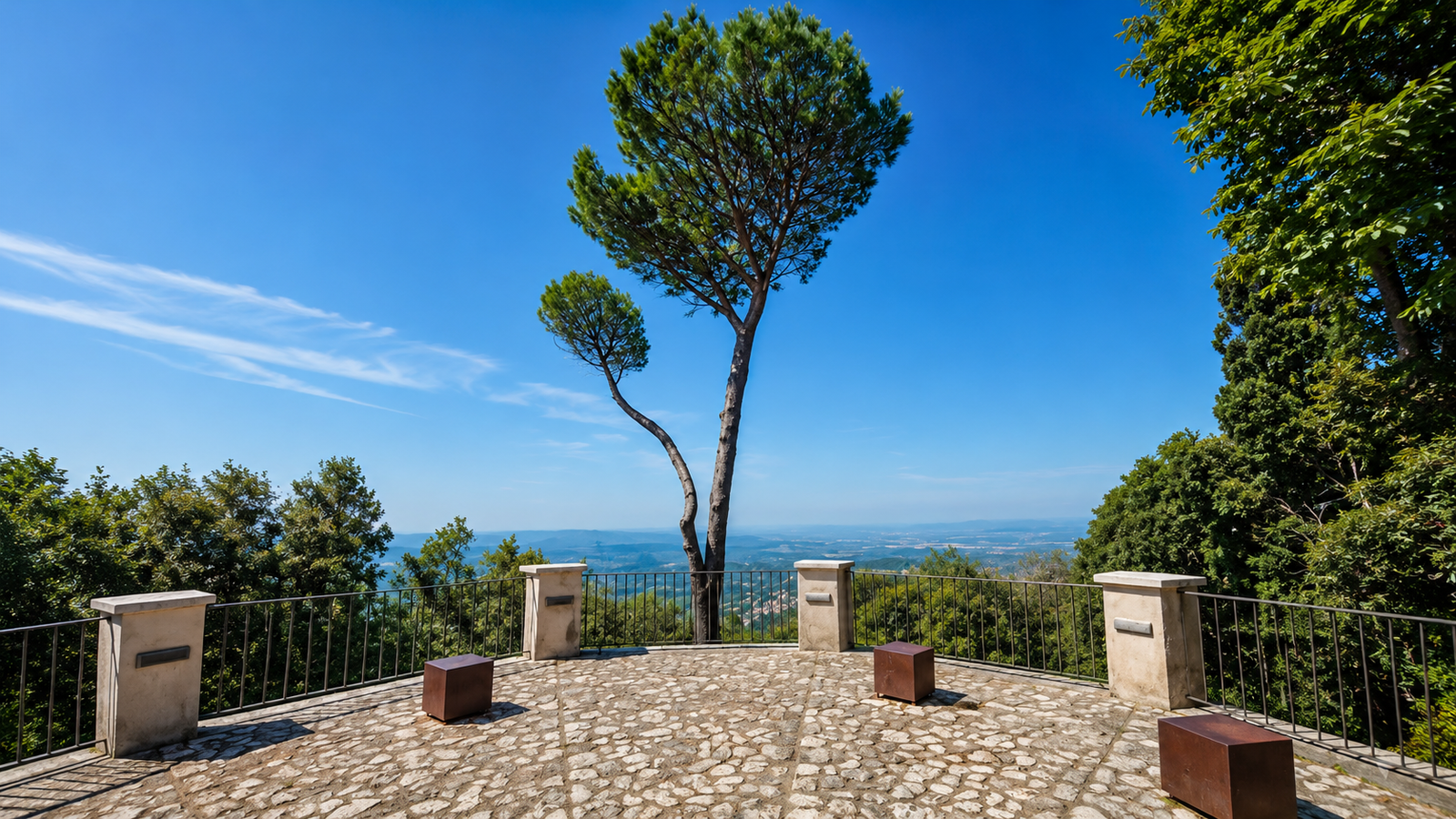
The upper village of Fara in Sabina contains some of the municipality’s most representative places: panoramic terraces, intimate squares, noble palaces, historic churches and museum spaces revealing the cultural depth of this Sabina centre before the journey continues towards its hamlets.
- The panoramic terrace, a privileged viewpoint across the Sabina hills
- Piazza del Duomo and the Collegiate Church of Sant’Antonino
- Palazzo Brancaleoni and the Archaeological Museum of the Tiber Sabina
- Monastery of the Hermit Poor Clares and the Museum of Silence
In the village and nearby
Local producers
A useful, up-to-date selection, ordered by relevance, quality and proximity.
 Olive oil mill
Monteflavio · 14,0 km
Olio di Stanlio
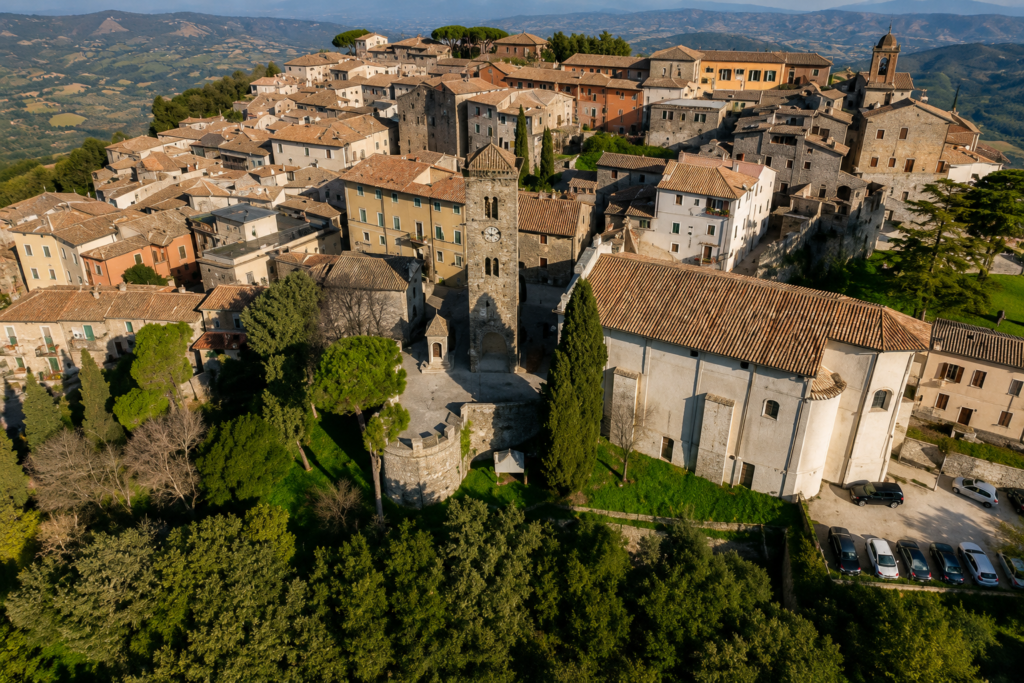
A test entry for a local olive oil mill.
History and identity
Fara in Sabina,an ancient heart
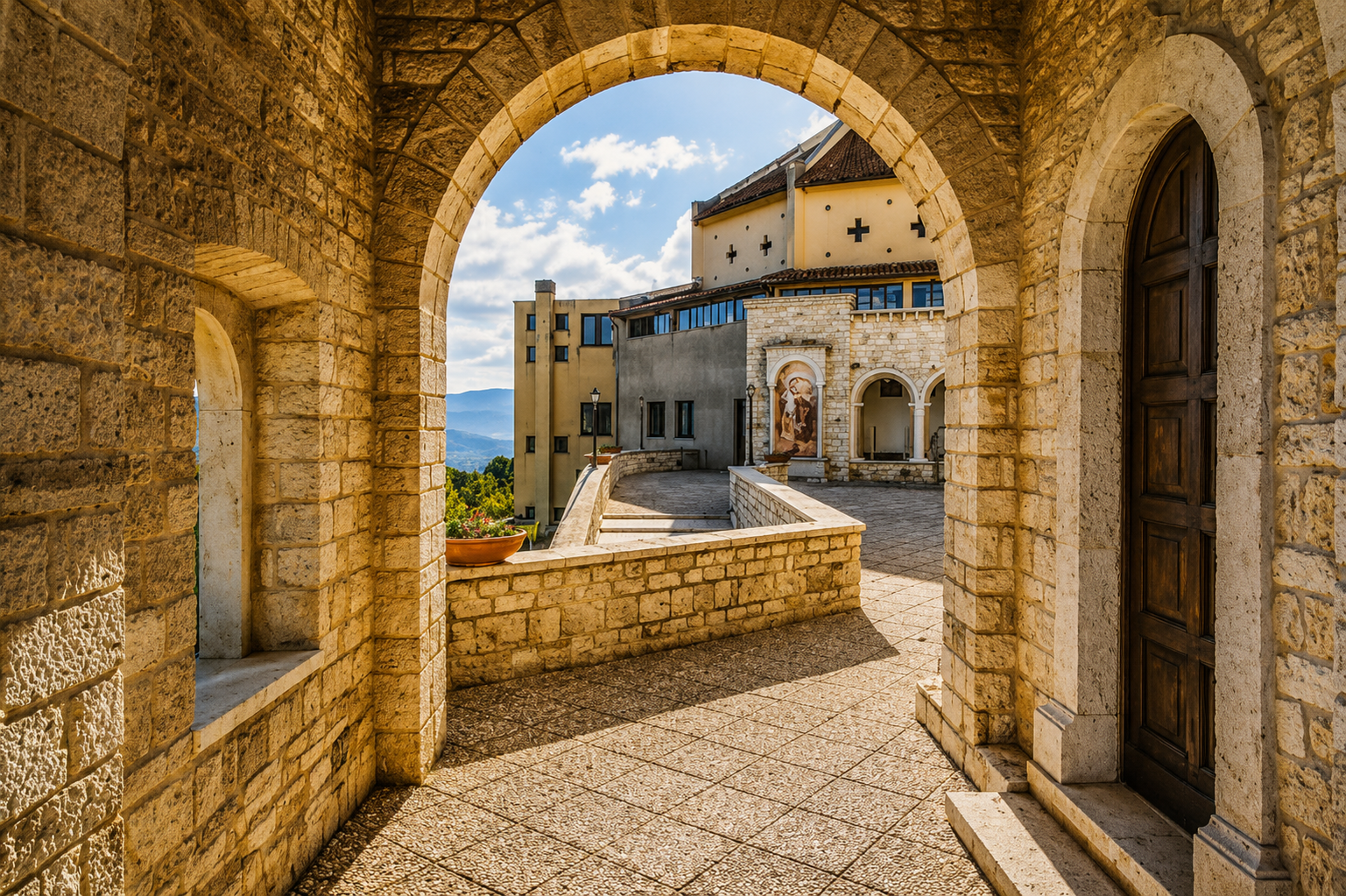
Fara in Sabina is one of the places where Sabina history can be read most deeply. Its territory overlooks the Tiber Valley, preserves the memory of ancient Cures Sabini and maintains a strong connection with the earliest origins of the Tiber Sabina.
In the upper village, Palazzo Brancaleoni and the Archaeological Museum tell this past through artefacts, evidence and cultural itineraries. Around the main centre, Farfa, the hamlets, olive groves and connections towards Rome complete Fara’s identity: not one village alone, but a broad, historic and living territory combining archaeology, spirituality, landscape and contemporary life.
- Cures and ancient Sabina
- Palazzo Brancaleoni
- Farfa and the territory
In the village and nearby
Local services
A useful, up-to-date selection, ordered by relevance, quality and proximity.
 Pharmacy
Featured
Pharmacy
Featured Ascrea · 21,8 km
Test
This is a test entry for a local pharmacy.
 Technical practice
Montelibretti · 8,3 km
Studio Tecnico Gobbi
Studio Tecnico Gobbi, led by surveyor Stefano Gobbi, is a trusted technical practice in Montelibretti for building design and planning, cadastral and administrative procedures. The practice works on…
Village events calendar
Events in Fara in Sabina
Events, festivals and local initiatives selected for Fara in Sabina.
Calendar being updated
No events published
New events will be added as soon as they become available.
Browse the full calendar→Authentic flavours
Fara betweenpasta and olive oil
In Fara in Sabina, cooking speaks the simple and practical language of tradition: handmade pasta, extra virgin olive oil, toasted bread and popular recipes expressing the connection between the upper village, its hamlets and the countryside.
Fregnacce alla sabinese are among the most representative local dishes: rustic, essential and flavourful pasta that perfectly expresses Sabina country cooking. They are joined by bruschetta with local olive oil and fried pizza, especially connected with the tradition of Canneto Sabino.
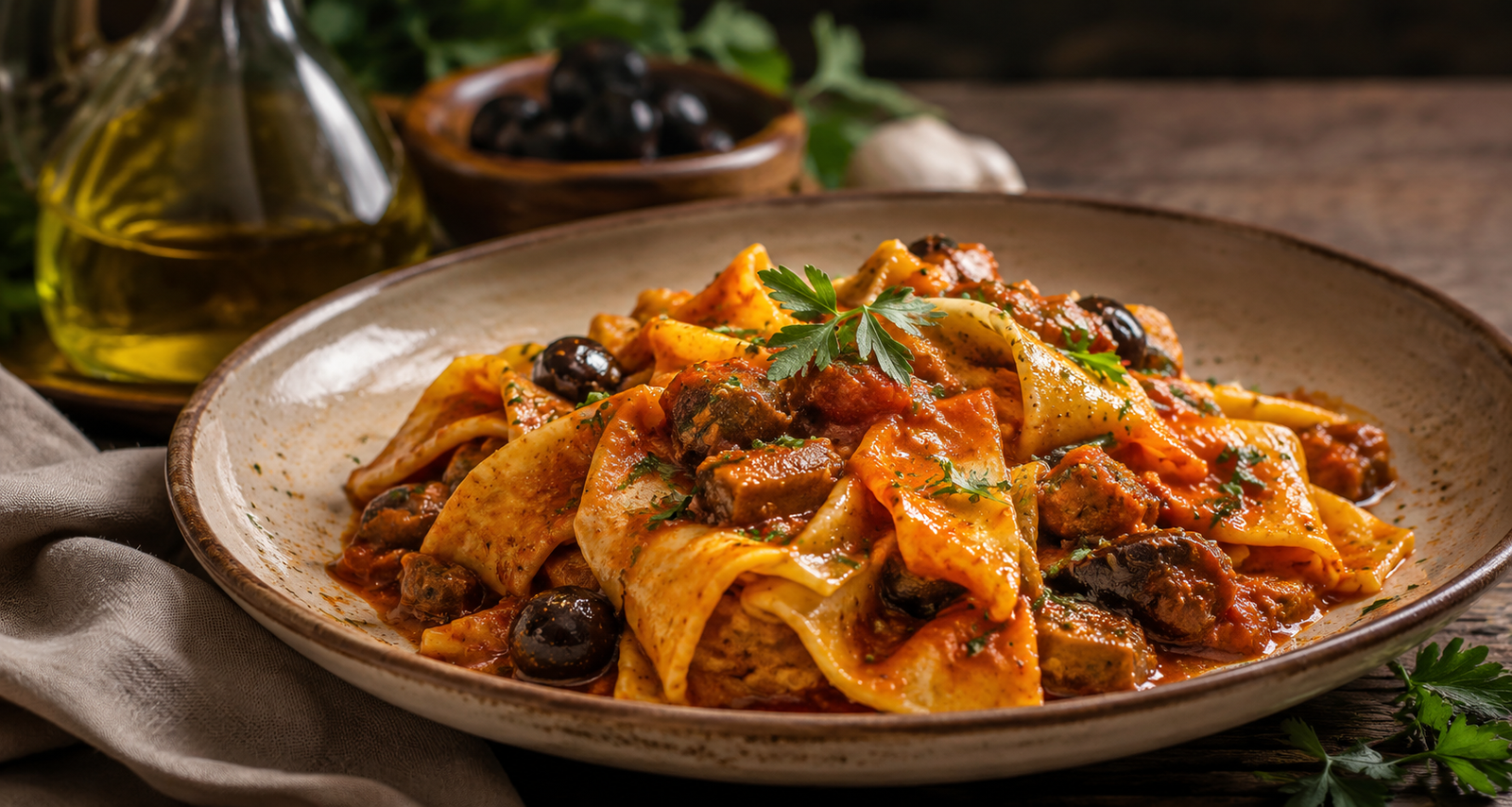
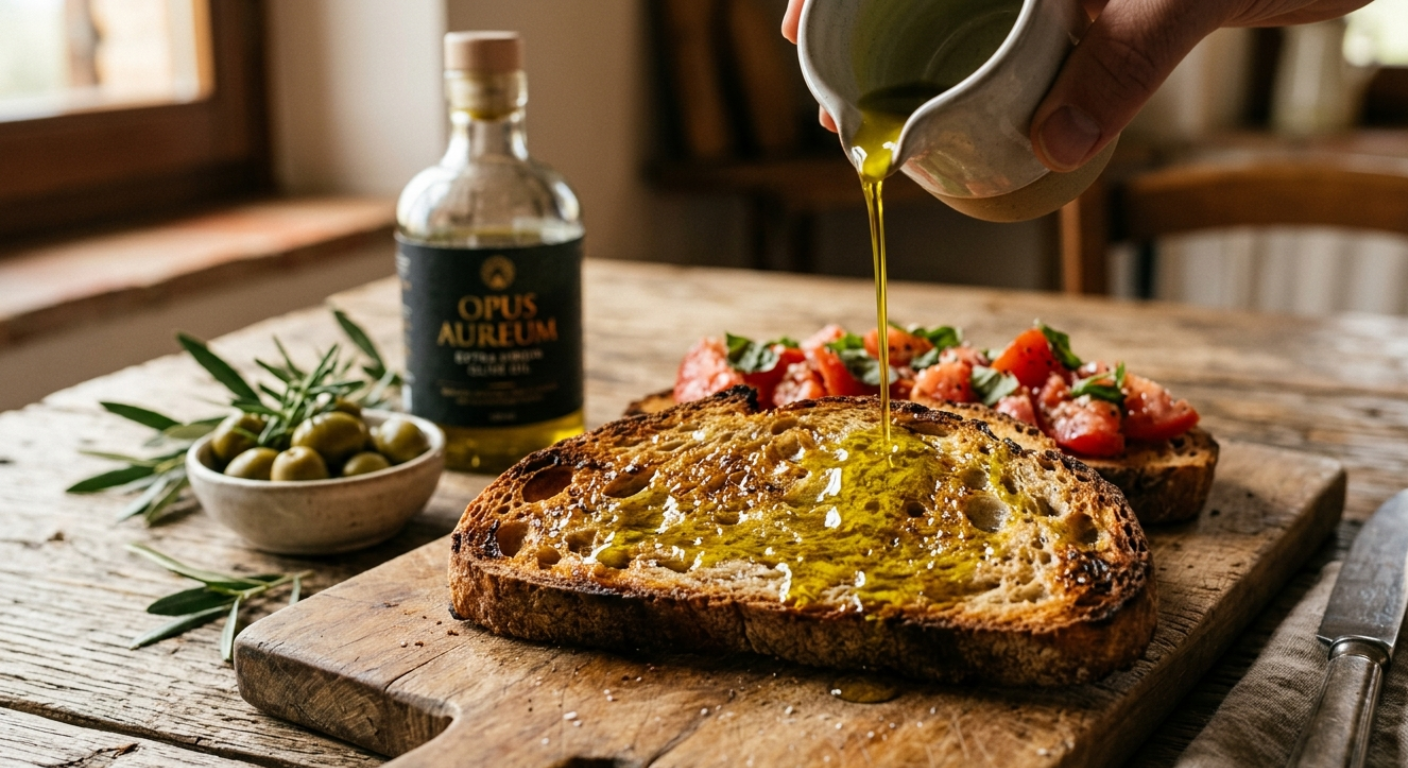
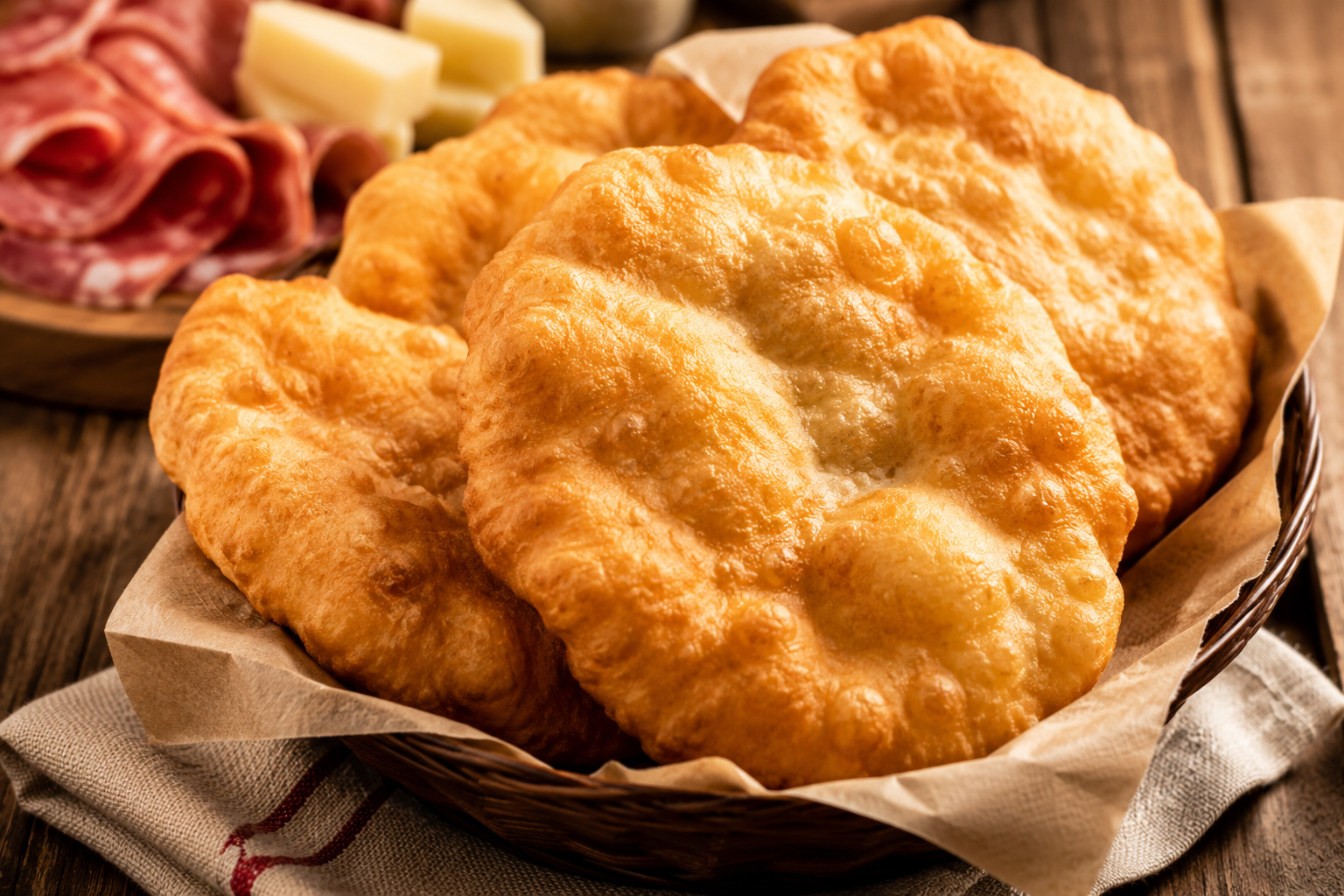
In Fara, handmade pasta, good olive oil and popular Sabina flavours come together.
In the village and nearby
Where to eat
A useful, up-to-date selection, ordered by relevance, quality and proximity.
Bar / Café
Montelibretti · 8,3 km
Bar Test 01
A welcoming meeting place in the heart of Sabina, ideal for a leisurely breakfast, a quick coffee or an aperitivo after a walk through historic lanes, scenic views…
 Restaurant
Monteflavio · 14,0 km
Pala del Palo
A test entry for a local restaurant.
Pizzeria
Castel di Tora · 19,4 km
Pizzeria Test 02
Pizza is always a delight, especially when it is made in the Neapolitan style.
The village in figures
Fara in Sabina,heart of the valley
A few essential figures for understanding the territory: elevation of the upper village, residents, municipal area and approximate driving time from Rome.
Elevation
above sea level
Residents
within the municipality
Area
of the municipal area
From Rome
approximate driving time
In the village and nearby
Where to stay
A useful, up-to-date selection, ordered by relevance, quality and proximity.
 Hotel
Hotel
Monteflavio · 14,0 km
Hotel Villa Prova
A test hotel entry.
FAQ about Fara in Sabina
Six practical answers for planning your visit, finding your way around the village and connecting the day with other places in Sabina.
What should you see in Fara in Sabina?
In the upper village, places worth visiting include the panoramic terrace, Piazza del Duomo, Palazzo Brancaleoni with the Archaeological Museum of the Tiber Sabina, the Museum of Silence and the Church of San Giacomo. Together they express the historic, cultural and spiritual identity of the main centre.
Where is Fara in Sabina?
Fara in Sabina is in Lazio, in the province of Rieti, between the Farfa Valley, the Tiber Sabina and the routes towards Rome. Its territory includes the upper village and numerous hamlets, including Farfa, Passo Corese, Canneto Sabino, Corese Terra, Talocci, Coltodino, Borgo Quinzio and Prime Case.
How do you get to Fara in Sabina?
Fara in Sabina is reached by car along the internal Sabina roads climbing towards the upper village. For travellers arriving from Rome, Passo Corese is the main gateway, served by Via Salaria and railway connections before the journey continues towards the historic centre and the hamlets.
Why visit Fara in Sabina?
Fara in Sabina is important because it combines ancient history, museums, spirituality, agricultural scenery and contemporary life. Its identity extends well beyond the main village: Farfa, Canneto Sabino and Passo Corese add services, businesses, olive groves and places of great interest.
Which flavours characterise Fara in Sabina?
The most representative flavours come from Sabina cooking: fregnacce alla sabinese, bruschetta with local extra virgin olive oil, fried pizza and simple traditional dishes. Olive groves and olive-oil culture play a central role, especially across the hamlets and countryside.
Will Fara in Sabina’s hamlets have dedicated pages?
Yes. Several hamlets have identities strong enough to deserve dedicated pages: Farfa, Passo Corese, Canneto Sabino, Corese Terra, Talocci, Coltodino, Borgo Quinzio and Prime Case will be presented as special destinations connected with the main Fara page, without being added to the general list of municipalities.

From this village a new itinerary begins
After the historic centre, connect your visit with another village, a local place to eat or a walking route and build a complete day in Sabina.