
Tiber Valley
Forano
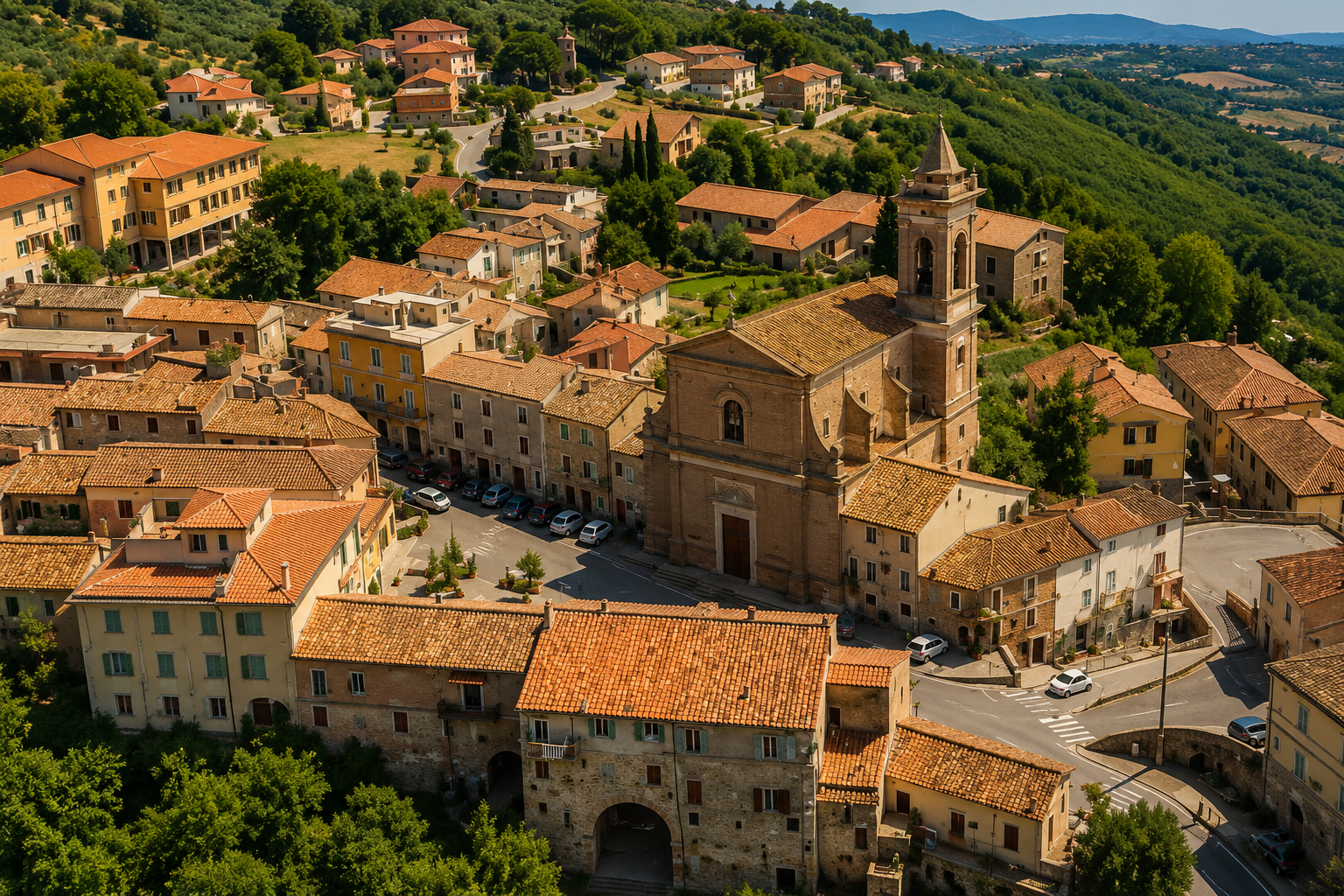
At Forano, the Tiber Valley forms the backdrop to a layered history in which Sabine memories, Roman traces and medieval development are woven into the village profile. The Castle of Forano, now the Ducal Palace, tells the story of the ancient centre, while the hamlet of Gavignano, the Church of the Santissima Trinità and the Church of San Sebastiano complete a territory connected with countryside, spirituality and village life.
Tiber Valley
ForanoCastles and the Tiber Valley
Overlooking the landscapes of the Tiber Valley, Forano preserves a layered history in which Sabine settlement, Roman memory and medieval transformation meet in the village profile. After the Roman conquest of Sabina under Manius Curius Dentatus, the territory entered Rome’s agricultural orbit, with rural villas, farming settlements and estates connected with patrician families.
The historic centre retains the medieval castle, also known as the Ducal Palace or Palazzo Savelli-Strozzi, built between the 10th and 11th centuries on the remains of a Roman villa and later transformed into a noble residence. Nearby, the hamlet of Gavignano preserves its own historic centre and castle, while the Santissima Trinità, San Sebastiano and Santa Maria Assunta stand out among the area’s religious sites.
On this page you can
- Discover the medieval castle, the Ducal Palace and Forano Vecchia
- Learn about the Santissima Trinità, San Sebastiano and the other religious sites
- Visit Gavignano, its castle and the traditions of the Tiber Valley
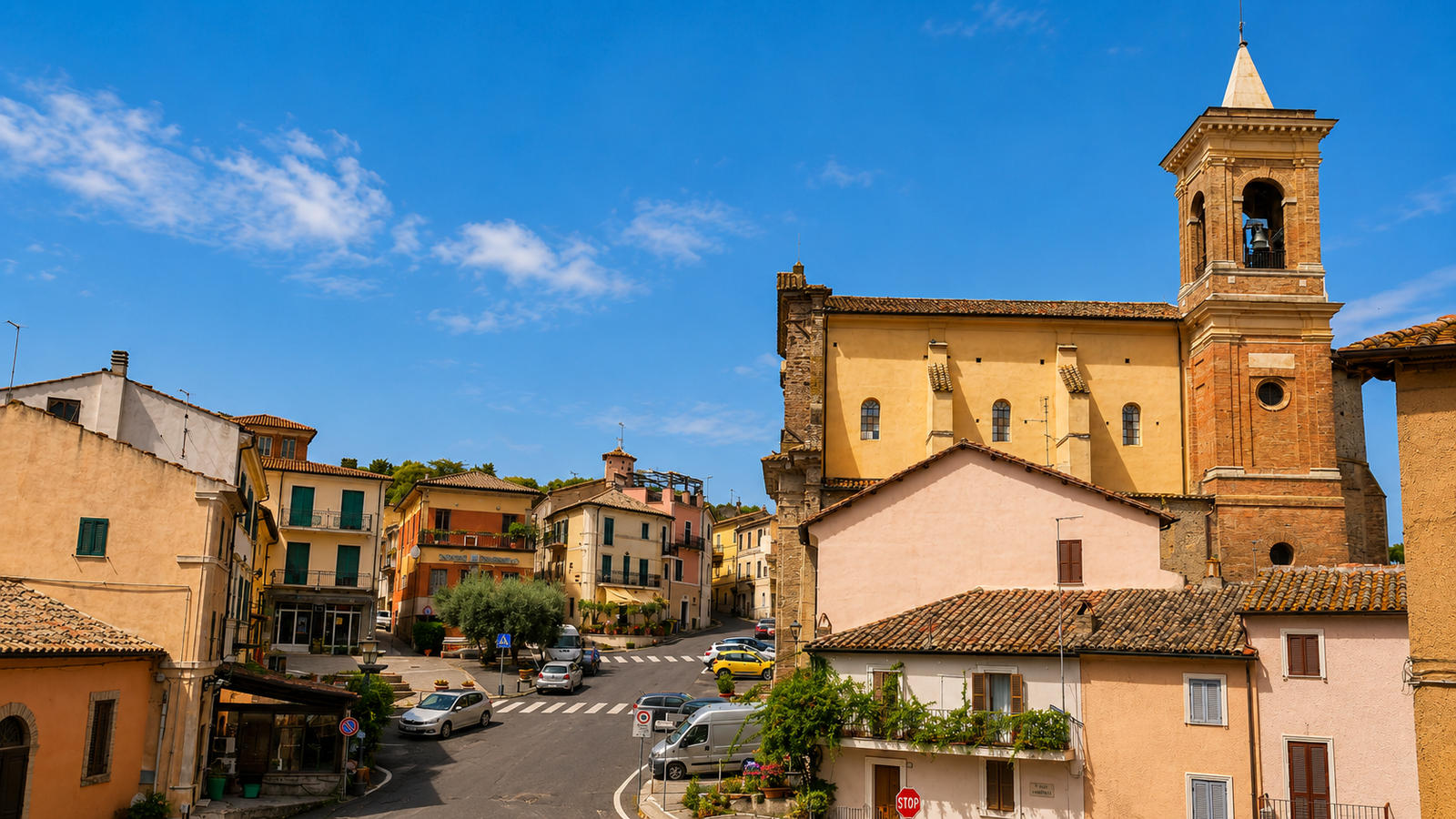

Ducal Palace
The village’s former medieval fortress, gradually transformed into an aristocratic residence by its noble families.
Santissima Trinità
A 17th-century church commissioned by the Strozzi family and one of the village’s most important religious monuments.
San Sebastiano
The church dedicated to the patron saint, recorded in local sources among the territory’s historic religious sites.
Gavignano
A historic hamlet with its own castle, lanes and traditions, forming an important part of the municipality’s identity.
What to see
Foranoto discover
Castles, churches and Sabine memories
Forano is a village whose historic centre preserves medieval memories, noble palaces and religious sites connected with community life. The visit brings together the castle, also known as the Ducal Palace, the Forano Vecchia district, historic churches and the hamlet of Gavignano, where traces of the former castle remain visible.
- Ducal Palace, Castle of Forano and views through Forano Vecchia
- Churches of the Santissima Trinità, San Sebastiano and Santa Maria Assunta
- Gavignano, its castle and the northern gate of the historic centre
- Palazzo Savelli-Strozzi, Chapel of Sant’Amanzia and Palazzo Pellegrini-Somma
In the village and nearby
Local producers
A useful, up-to-date selection, ordered by relevance, quality and proximity.
History and identity
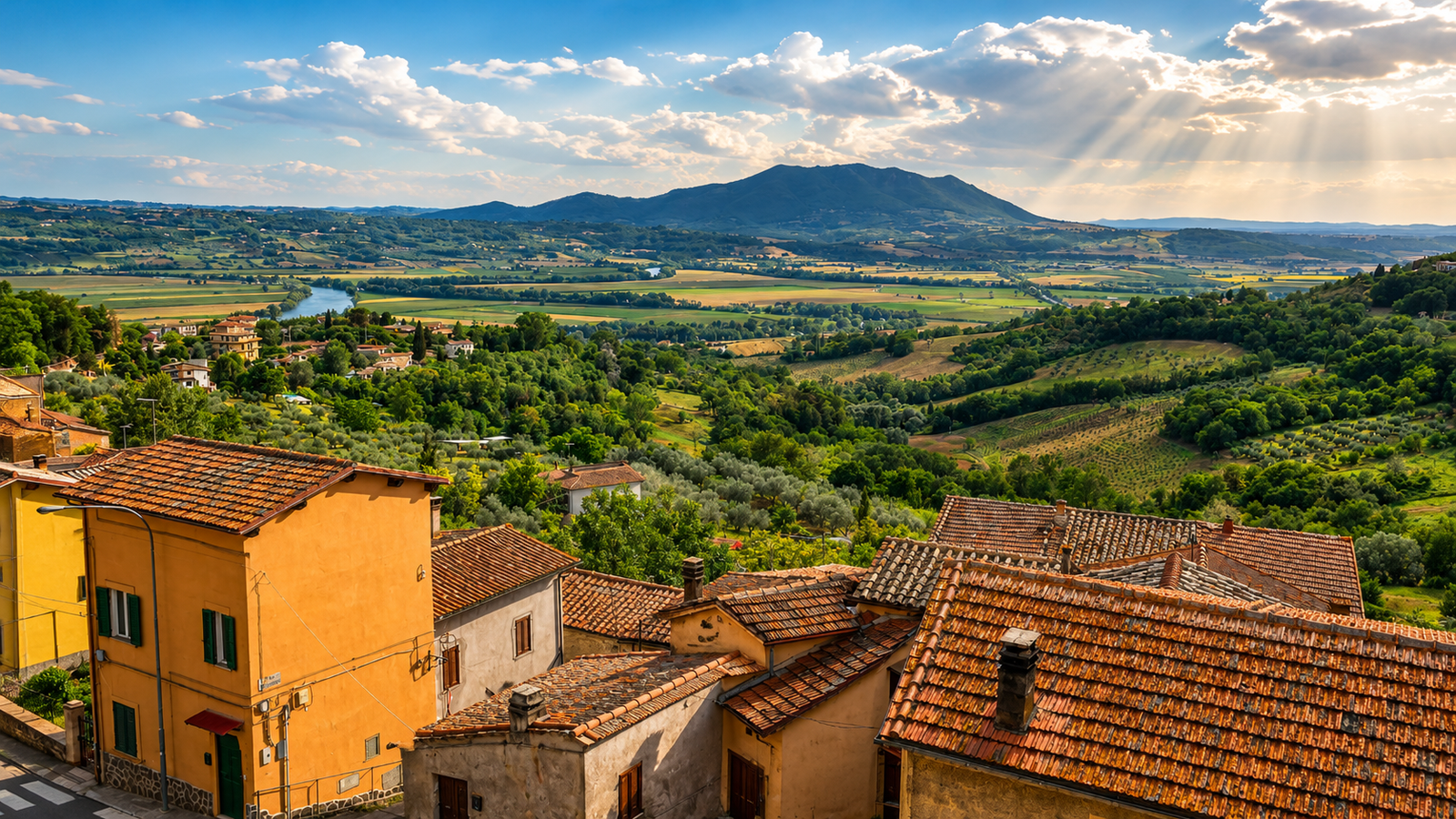
From Forum Janito the Ducal Palace
Forano preserves an ancient history connected with Sabina and the Tiber Valley. The area’s origins go back to Sabine settlement and the Roman period, when it became part of Rome’s agricultural system through rural villas and aristocratic estates. After the transformations of late antiquity, the territory entered the sphere of Farfa Abbey, and in 1262 Forano appears as a free commune.
The village’s historic character is defined by the medieval castle, now the Ducal Palace, built between the 10th and 11th centuries and gradually transformed from a defensive fortress into a noble residence. The Sant’Eustachio, Savelli and later Strozzi families left important traces in local history, together with the hamlet of Gavignano, the historic churches and the views through Forano Vecchia behind the palace.
- Ducal Palace
- Forano Vecchia
- Gavignano
- Tiber Valley
In the village and nearby
Local services
A useful, up-to-date selection, ordered by relevance, quality and proximity.
 Technical practice
Montelibretti · 22,2 km
Studio Tecnico Gobbi
Studio Tecnico Gobbi, led by surveyor Stefano Gobbi, is a trusted technical practice in Montelibretti for building design and planning, cadastral and administrative procedures. The practice works on…
Village events calendar
Events in Forano
Events, festivals and local initiatives selected for Forano.
Calendar being updated
No events published
New events will be added as soon as they become available.
Browse the full calendar→Authentic flavours
Foranoat the table
Fallone, Sabina PDO extra virgin olive oil and the Sagra della Pastasciutta express Forano’s connection with simple cooking, conviviality and the flavours of the Tiber Valley area of Sabina.
Fallone is the village’s most distinctive flavour: a rustic preparation made from bread dough and filled with vegetables, rooted in resourceful country cooking and the old rituals of home breadmaking. Alongside this speciality, Forano shares the culture of Sabina olive oil and preserves a strong convivial tradition, represented by the popular summer Sagra della Pastasciutta.

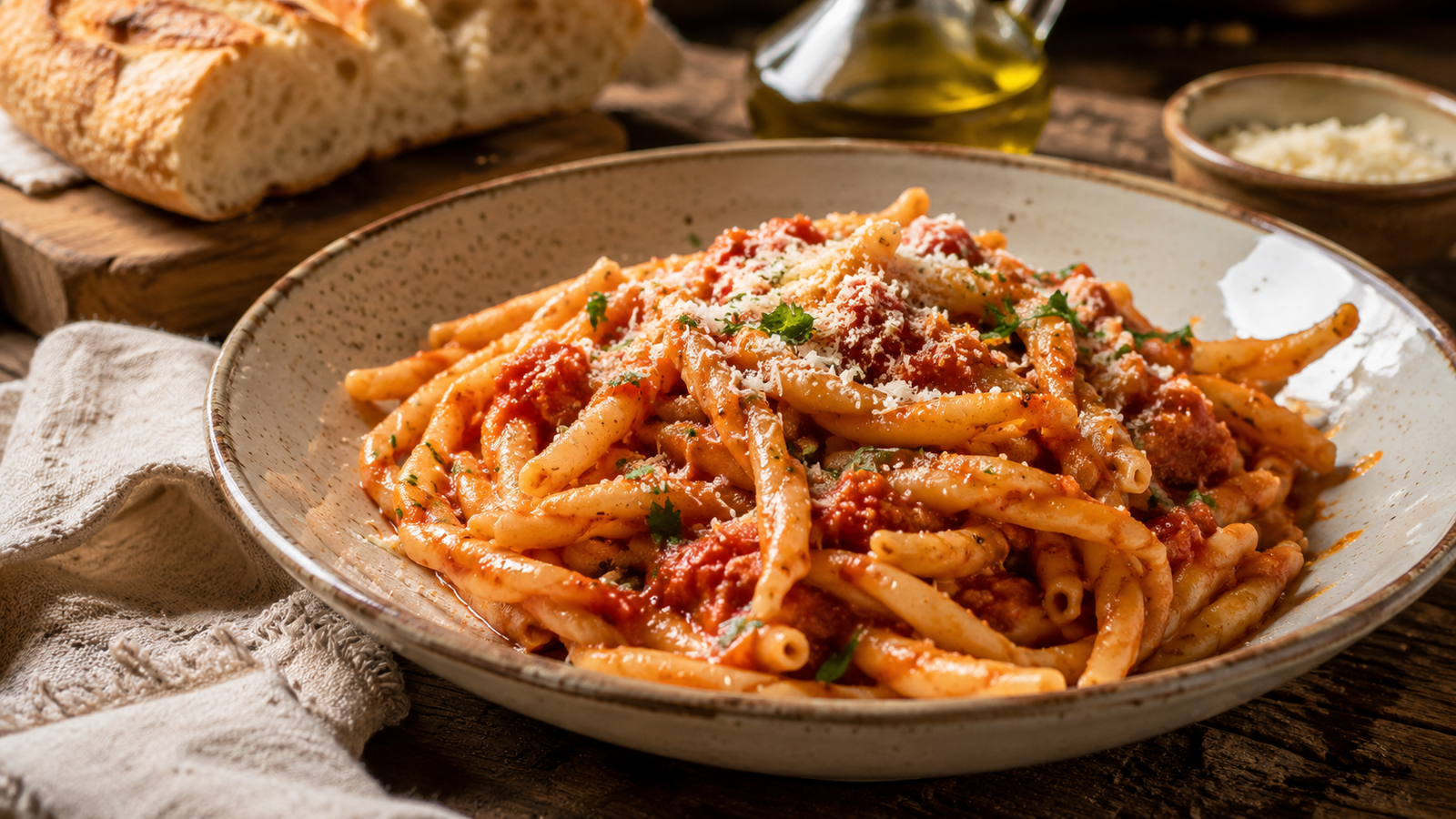
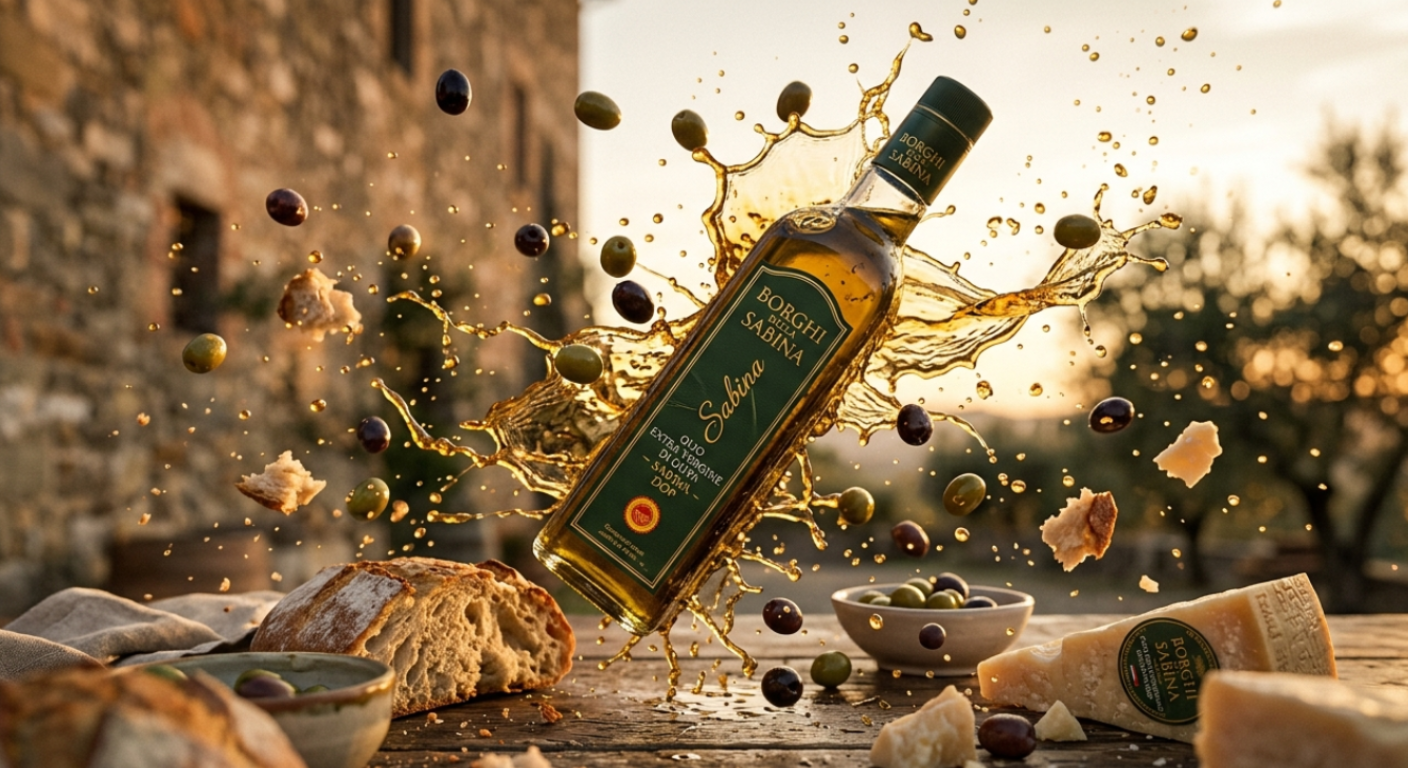
With fallone, pasta and Sabina olive oil, Forano preserves a simple, genuine cuisine deeply connected with the territory.
In the village and nearby
Where to eat
A useful, up-to-date selection, ordered by relevance, quality and proximity.
 Bar / Café
Montelibretti · 22,2 km
Bar Test 01
A welcoming meeting place in the heart of Sabina, ideal for a leisurely breakfast, a quick coffee or an aperitivo after a walk through historic lanes, scenic views…
The village in figures
Forano,between the Tiber and the Ducal Palace
A few essential figures to understand the area: a village in the Tiber Valley area of Sabina, in the province of Rieti, close to the river valley and the hamlet of Gavignano, with the castle known as the Ducal Palace, the Church of the Santissima Trinità, San Sebastiano and the historic memories of the old centre as its main landmarks.
Elevation
at the municipal centre
Residents
residents, ISTAT 2026 data
Area
of the municipal area
Highest elevation
of the municipal area
In the village and nearby
Where to stay
A useful, up-to-date selection, ordered by relevance, quality and proximity.
FAQ about Forano
Six practical answers for planning your visit, finding your way around the village and connecting the day with other places in Sabina.
What to see in Forano?
The main places to discover are the Castle of Forano, also known as the Ducal Palace, Forano Vecchia, the Church of the Santissima Trinità, the Church of San Sebastiano, the Church of Santa Maria Assunta, the historic centre of Gavignano, Palazzo Savelli-Strozzi with the Chapel of Sant’Amanzia and Palazzo Pellegrini-Somma.
Where is Forano?
Forano is in Lazio, in the province of Rieti, within the Tiber Valley area of Sabina. The village stands in hilly country close to the river valley and also includes the historic hamlet of Gavignano, connected with its castle, historic remains and local traditions.
How far is Forano from Rome?
Forano is about 56 km from Rome. It is therefore a good destination for a day trip into the Tiber Valley area of Sabina, especially for visitors looking for a village close to the river valley with a compact historic centre, religious monuments, historic palaces and local food traditions.
Why is the Ducal Palace important?
The Ducal Palace, also known as the Castle of Forano, dominates the village and is one of its most representative landmarks. The building belonged to noble families including the Sant’Eustachio, Savelli and Strozzi; the Strozzi transformed the former fortress into an aristocratic residence.
Which churches should you visit?
The most important churches include the Santissima Trinità, built by the Strozzi family in the 17th century, San Sebastiano, connected with the village’s patron saint, and Santa Maria Assunta. Together they reveal the religious and historic life of the Forano community.
Are there festivals or local events to know about?
One of the best-known events is the Sagra della Pastasciutta, held in August and drawing many visitors to the village. It expresses Forano’s popular and communal character, together with local celebrations and events that also enliven the hamlet of Gavignano.

From this village a new itinerary begins
After the historic centre, connect your visit with another village, a local place to eat or a walking route and build a complete day in Sabina.