
Tiber Valley
Magliano Sabina
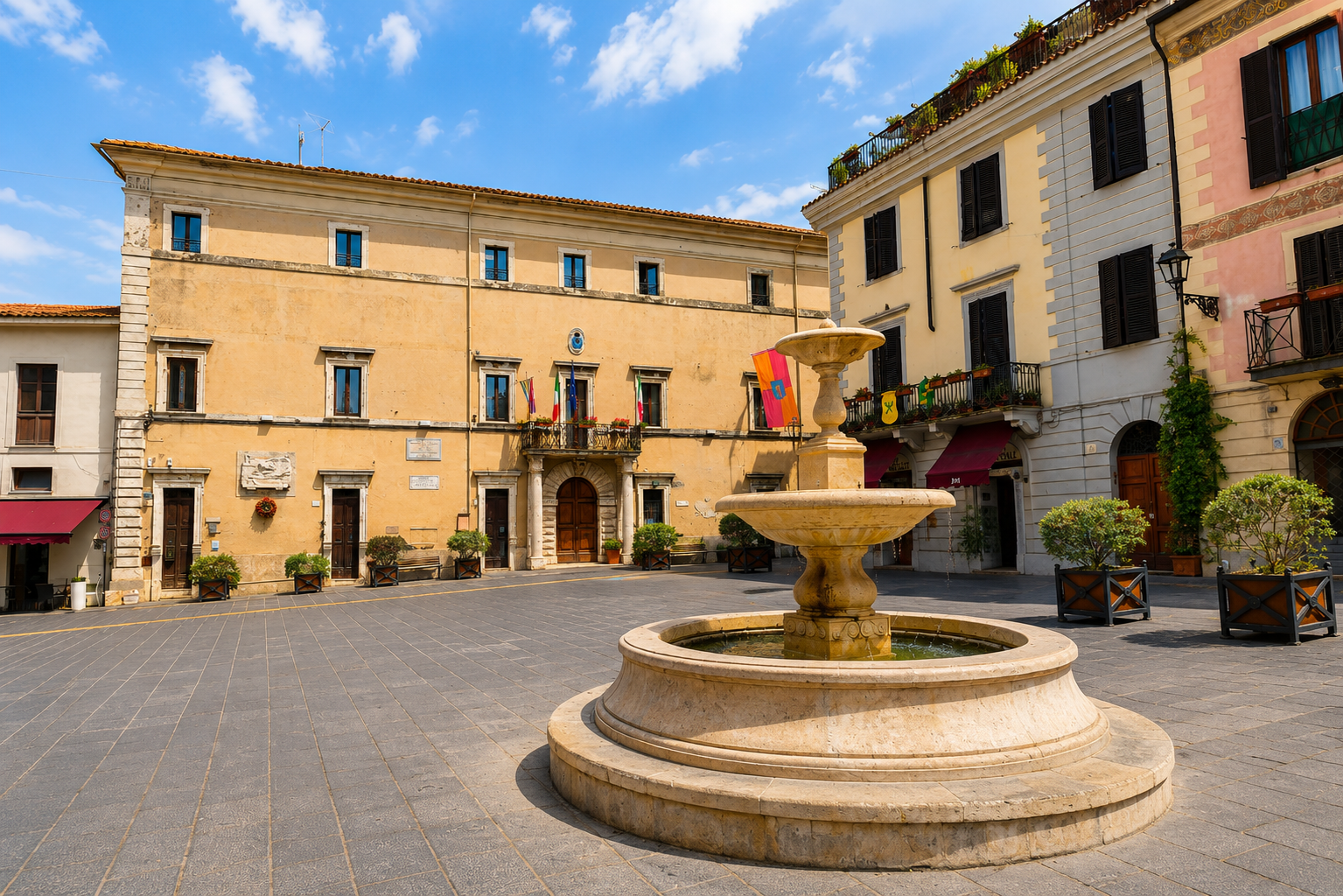
At Magliano Sabina the Tiber Valley opens like a great natural terrace, with Monte Soratte marking the horizon. The village’s history is connected with its strategic position and its former river port on the Tiber, which made it an important centre for trade, travel and relations with Rome. The historic centre preserves San Liberatore Cathedral, the “Sabines of the Tiber” Civic Archaeological Museum, the Romanesque Church of San Pietro and, nearby, the hamlet of Foglia.
Tiber Valley
Magliano SabinaAncient memory
Spread across a panoramic hill, Magliano Sabina overlooks the Tiber Valley towards Monte Soratte. Its position near ancient river connections and routes to Rome made the territory important from antiquity as a place of trade, settlement, farming and deep connections with the history of Lower Sabina.
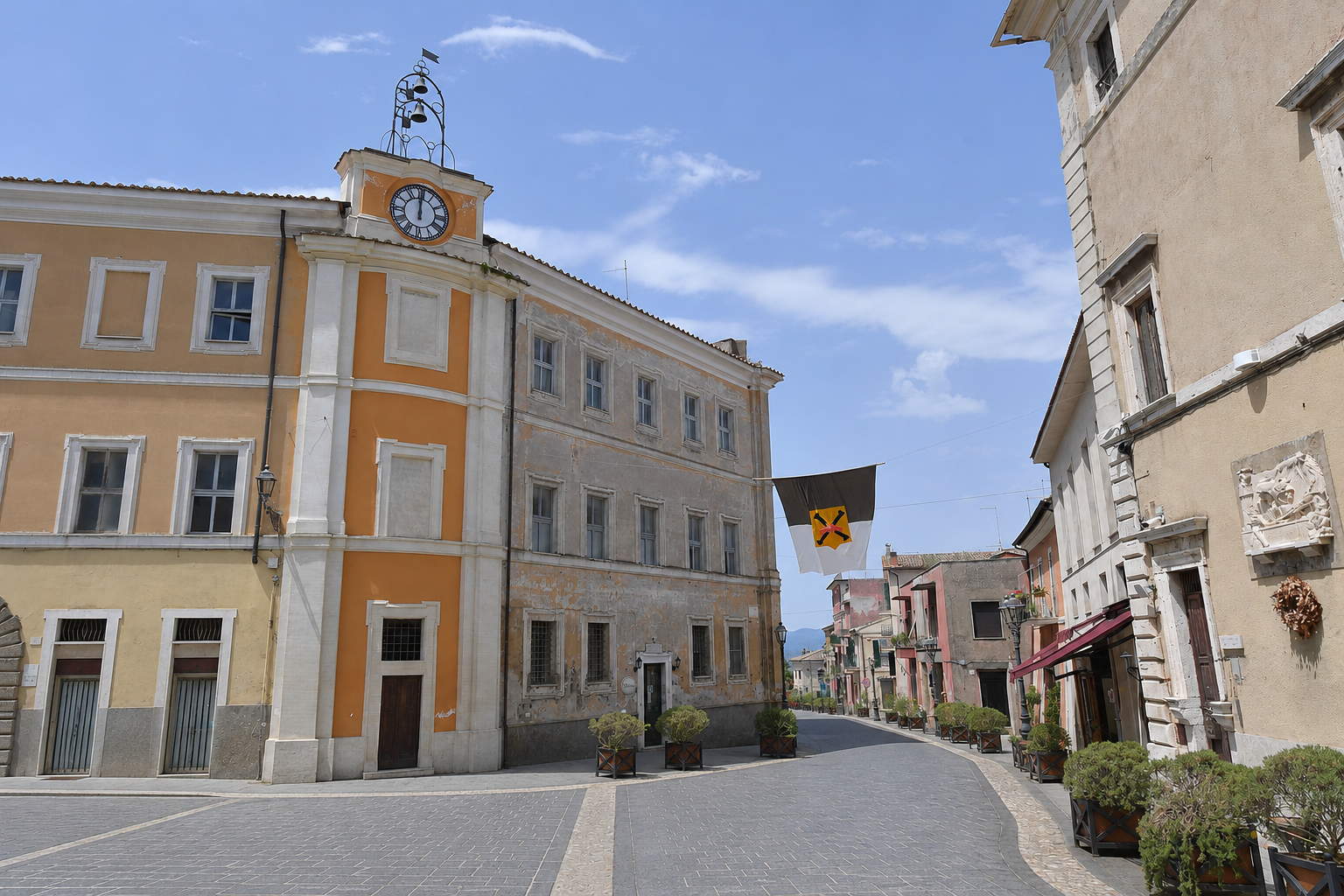
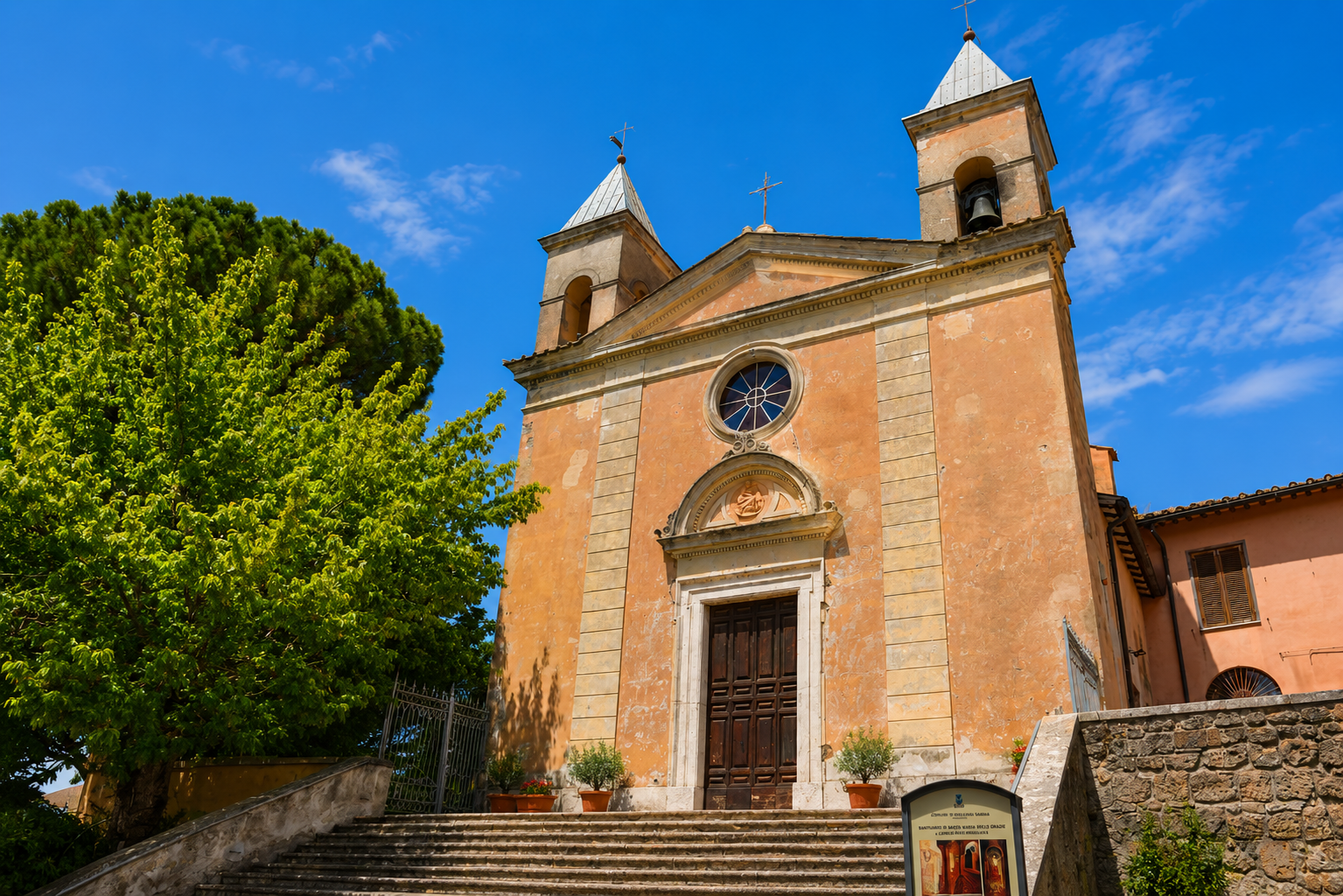
The historic centre retains a strong medieval and religious character: San Liberatore Cathedral, the Romanesque Church of San Pietro, the Sanctuary of Santa Maria delle Grazie and Palazzo Vannicelli tell centuries of civic and spiritual history. Nearby, the hamlet of Foglia overlooks the Tiber like a natural lookout, while the Civic Archaeological Museum preserves evidence of the Sabine, Faliscan and Roman past.
On this page you can
- Discover San Liberatore Cathedral, San Pietro and the historic heart of the village
- Learn about the Civic Archaeological Museum and the territory’s ancient remains
- Visit Foglia, a panoramic hamlet listed among Italy’s Most Beautiful Villages

San Liberatore
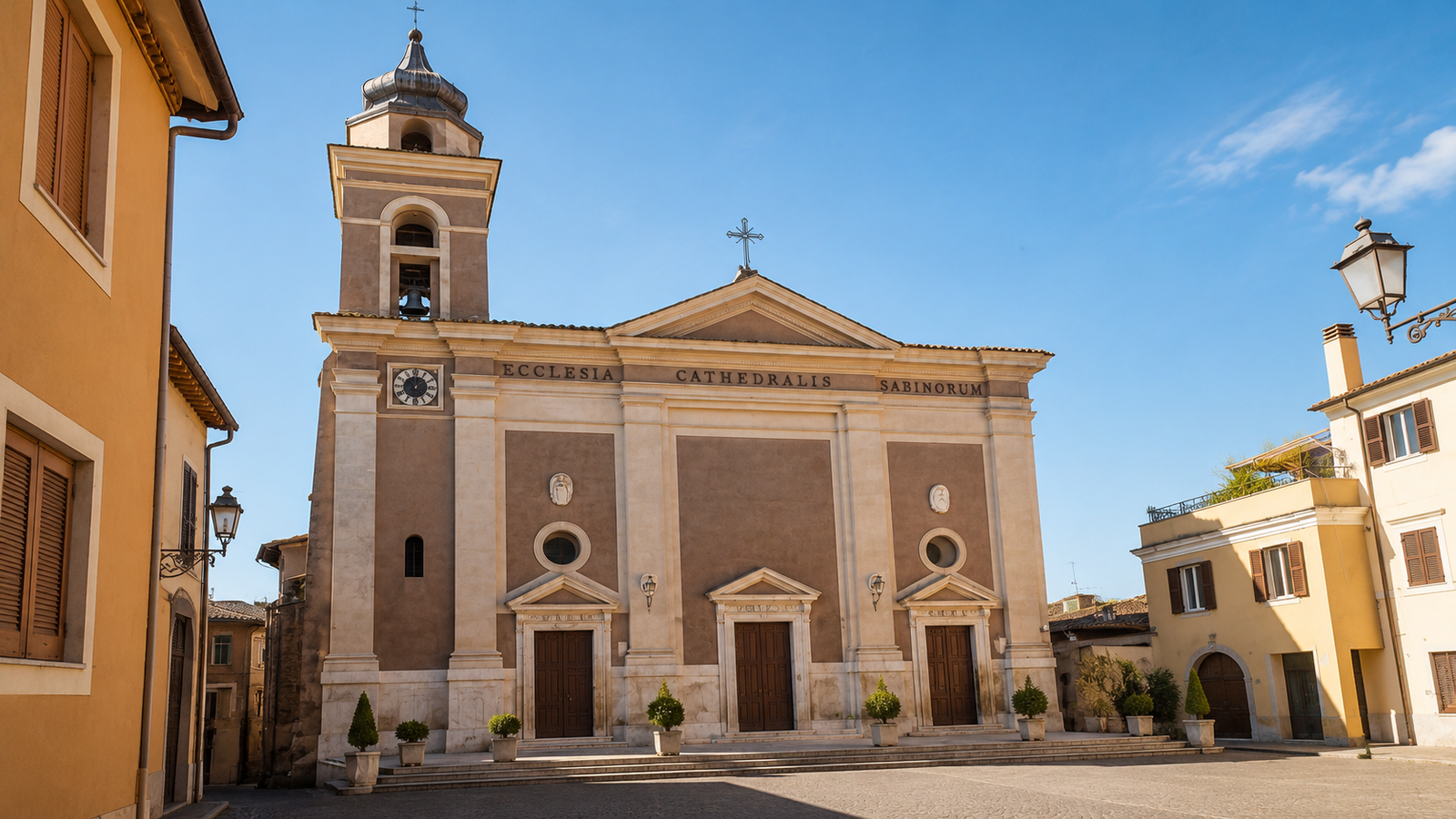
The village’s 15th-century cathedral, one of Magliano Sabina’s most important religious landmarks.
Archaeological Museum
It preserves finds and evidence connected with the Sabine, Faliscan and Roman history of the territory.
San Pietro
A 12th-century Romanesque church known for its three-aisled interior and medieval heritage.
Foglia
A historic hamlet overlooking the Tiber and listed among Italy’s Most Beautiful Villages.
What to see
Magliano Sabinato discover
Cathedral, Romanesque heritage and the Tiber
Magliano Sabina is one of the principal gateways to the Tiber Valley area of Sabina: a village overlooking the river valley, where the historic centre preserves religious sites, medieval memories, archaeological evidence and a deep connection with the Tiber. The itinerary includes San Liberatore Cathedral, the Romanesque Church of San Pietro, the Sanctuary of Madonna delle Grazie, the Civic Archaeological Museum and Foglia, a small lookout above the river.
- San Liberatore Cathedral, religious heart of the village
- Church of San Pietro, a Romanesque landmark in the historic centre
- Civic Archaeological Museum, with Sabine, Faliscan and Roman finds
- Foglia, a panoramic village overlooking the Tiber Valley
In the village and nearby
Local producers
A useful, up-to-date selection, ordered by relevance, quality and proximity.
History and identity
From the ancient Sabine settlementto the episcopal city
Magliano Sabina’s history is linked to its strategic position above the Tiber Valley, a crucial route for trade, seasonal livestock movement and connections between Sabina, Faliscan territory and Rome. Archaeological evidence reveals an ancient Sabine settlement on a defensible hill that controlled the river and the communication routes crossing this part of the valley.
During the Middle Ages Magliano gained increasing importance in the political affairs of Sabina, through relations with the Capitol, territorial conflicts and Papal intervention. In 1495 Pope Alexander VI Borgia chose it as the seat of the Sabina diocese and granted it the title of city, a period that left deep traces in its identity through San Liberatore Cathedral, the Bishop’s Palace, historic churches, civic buildings and the hamlet of Foglia above the Tiber.
- Episcopal city
- Tiber Valley
- Archaeological Museum
- Foglia
In the village and nearby
Local services
A useful, up-to-date selection, ordered by relevance, quality and proximity.
Village events calendar
Events in Magliano Sabina
Events, festivals and local initiatives selected for Magliano Sabina.
Calendar being updated
No events published
New events will be added as soon as they become available.
Browse the full calendar→Authentic flavours
MaglianoSabina at the table
Tagliolini with lardo and calamint, borage-and-ricotta ravioli, lamb with persuccia, olive oil and local wine express Magliano Sabina’s connection with the country cooking of the Tiber Valley area.
At Magliano Sabina, the table brings together homemade pasta, wild herbs, extra virgin olive oil, wine and country recipes. Tagliolini with lardo and calamint evoke direct, aromatic cooking; borage-and-ricotta ravioli reflect domestic skill and the use of local herbs; lamb with persuccia, or marjoram, brings the Sabine tradition of meat and Mediterranean aromas to the table.

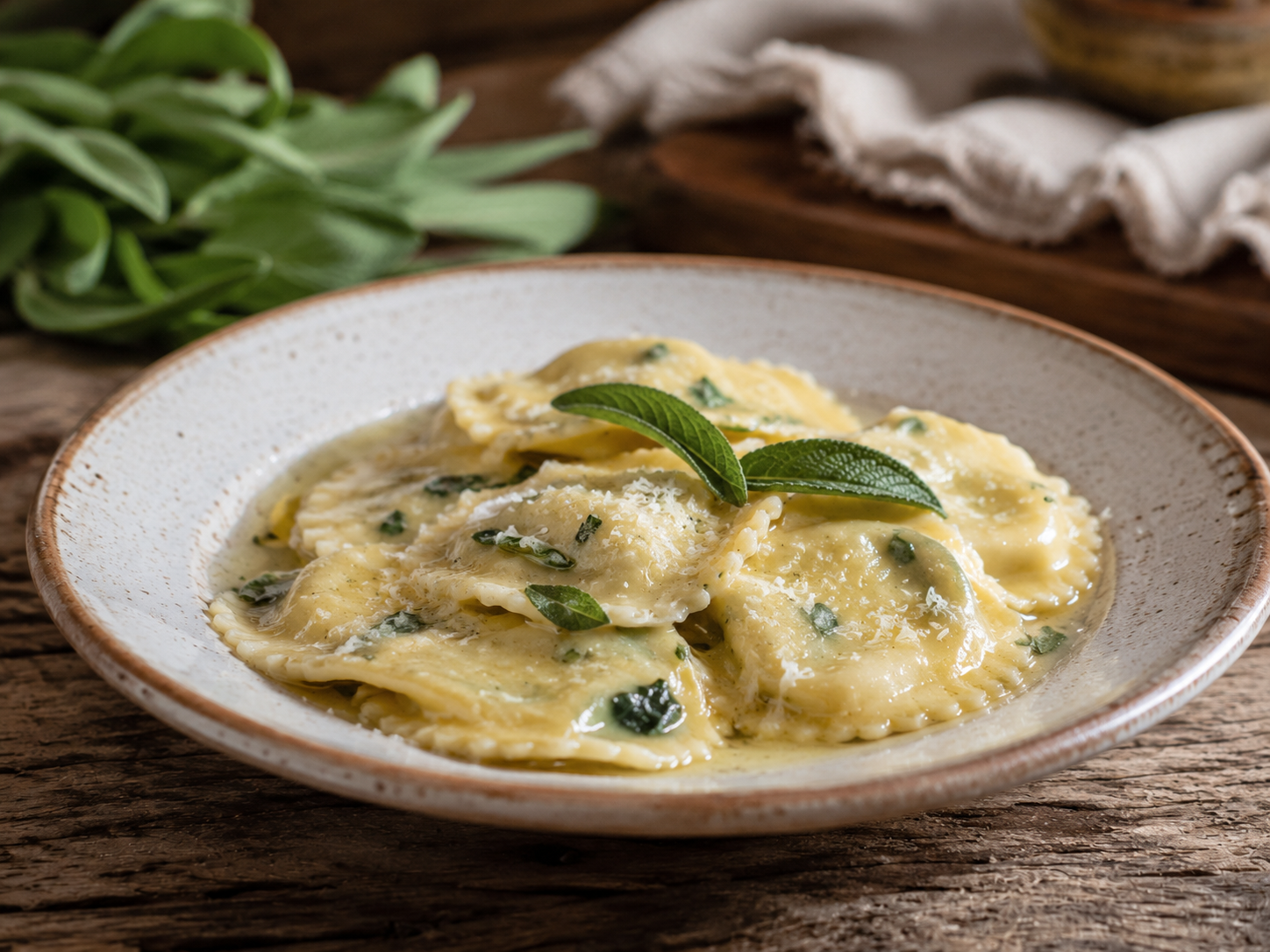
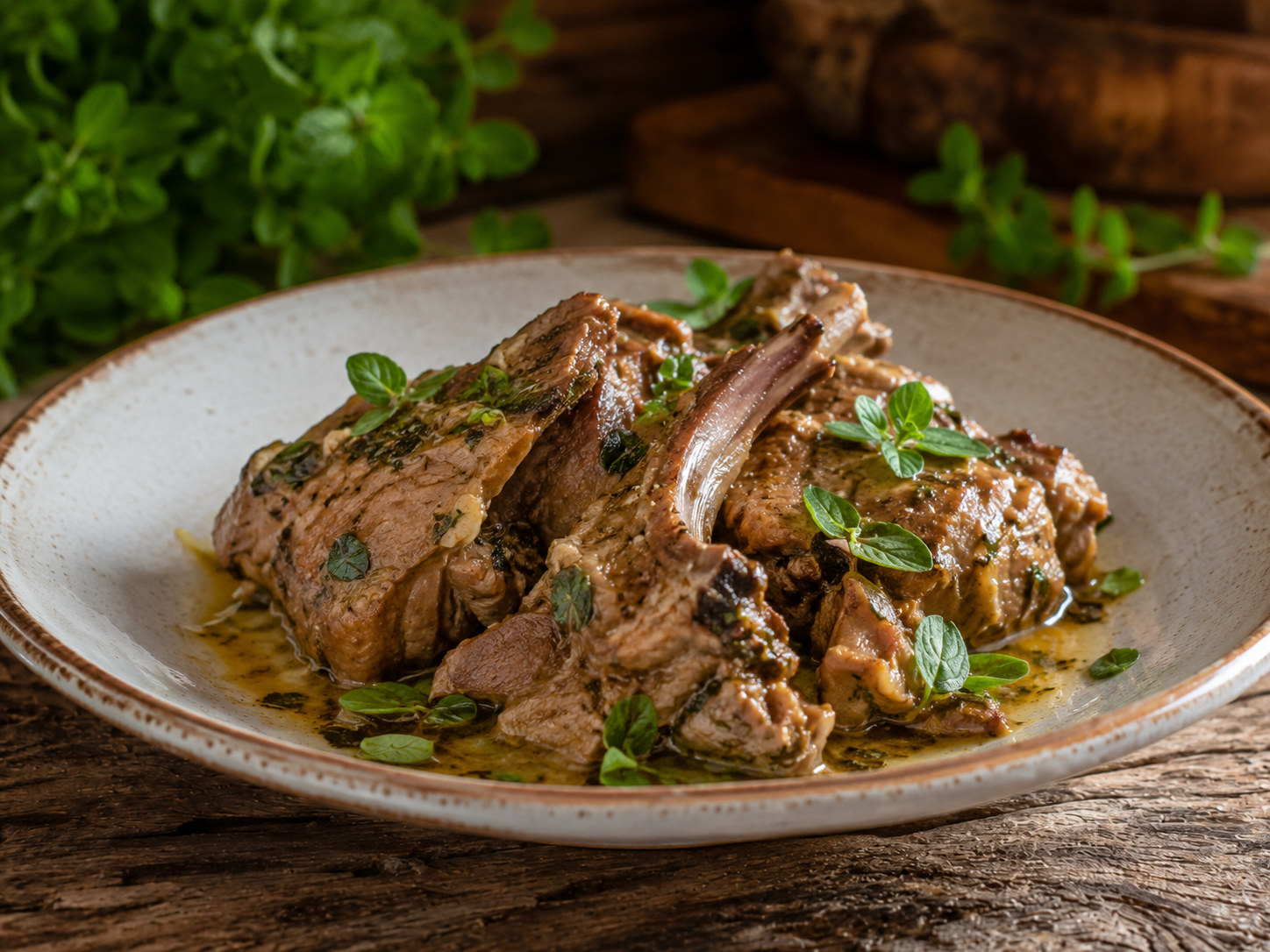
With homemade pasta, wild herbs and traditional meats, Magliano Sabina preserves a rich rural table deeply connected with its territory.
In the village and nearby
Where to eat
A useful, up-to-date selection, ordered by relevance, quality and proximity.
The village in figures
Magliano Sabina,between the Tiber and the episcopal city
A few essential figures to understand the area: a village in the Tiber Valley area of Sabina, in the province of Rieti, overlooking the river valley, with an identity connected with San Liberatore Cathedral, the Civic Archaeological Museum, the hamlet of Foglia and the title of episcopal city granted in 1495.
Elevation
at the municipal centre
Residents
residents, ISTAT 2026 data
Area
of the municipal area
Episcopal city
title granted in the 15th century
In the village and nearby
Where to stay
A useful, up-to-date selection, ordered by relevance, quality and proximity.
FAQ about Magliano Sabina
Six practical answers for planning your visit, finding your way around the village and connecting the day with other places in Sabina.
What to see in Magliano Sabina?
The main places to discover are San Liberatore Cathedral, the Romanesque Church of San Pietro, the Sanctuary of Santa Maria delle Grazie, the Civic Archaeological Museum, Palazzo Vannicelli, the Bishop’s Palace, the hamlet of Foglia and the Faliscan necropolis of Troilo in the Civita Vecchia area.
Where is Magliano Sabina?
It is in Lazio, in the province of Rieti, within the Tiber Valley area of Sabina. The village stands on a hill overlooking the river valley and Monte Soratte, in a position historically important for connections between Sabina, Faliscan territory, Umbria and Rome.
How far is Magliano Sabina from Rome?
Magliano Sabina is about 50 km from Rome as the crow flies, although journey times vary with route and traffic. It is a good destination for a day trip in the Tiber Valley area, especially for visitors wishing to combine a historic centre, archaeology, the river, panoramic views and local cooking.
Why is San Liberatore Cathedral important?
San Liberatore Cathedral is one of the village’s principal religious landmarks. Visit Lazio describes it as a 15th-century building with 18th-century frescoes, connected with the period when Magliano became a central place in the ecclesiastical history of Sabina.
Which churches should you visit?
Besides the cathedral, the Church of San Pietro is notable as a 12th-century Romanesque building with a three-aisled interior, while the Sanctuary of Santa Maria delle Grazie is remembered as a 13th-century place of worship with significant historic layers.
What does the Civic Archaeological Museum preserve?
The Civic Archaeological Museum tells the ancient history of the territory through evidence from the Sabine, Faliscan and Roman periods. It is a useful stop for understanding the importance of the Tiber Valley, its early settlements and the relationship between the village and the archaeological area of Poggio Sommavilla.

From this village a new itinerary begins
After the historic centre, connect your visit with another village, a local place to eat or a walking route and build a complete day in Sabina.