
Sabine Mountains
Montebuono
Montebuono is a Sabina village where traces of ancient Rome intertwine with medieval lanes, hills and open views. San Pietro ad Muricentum rises among the remains of a Roman villa traditionally linked with Agrippa, while Fianello and the Sanctuary of San Benedetto complete a territory rich in history and silence.
Sabine Mountains
Montebuonoin the land of Agrippa
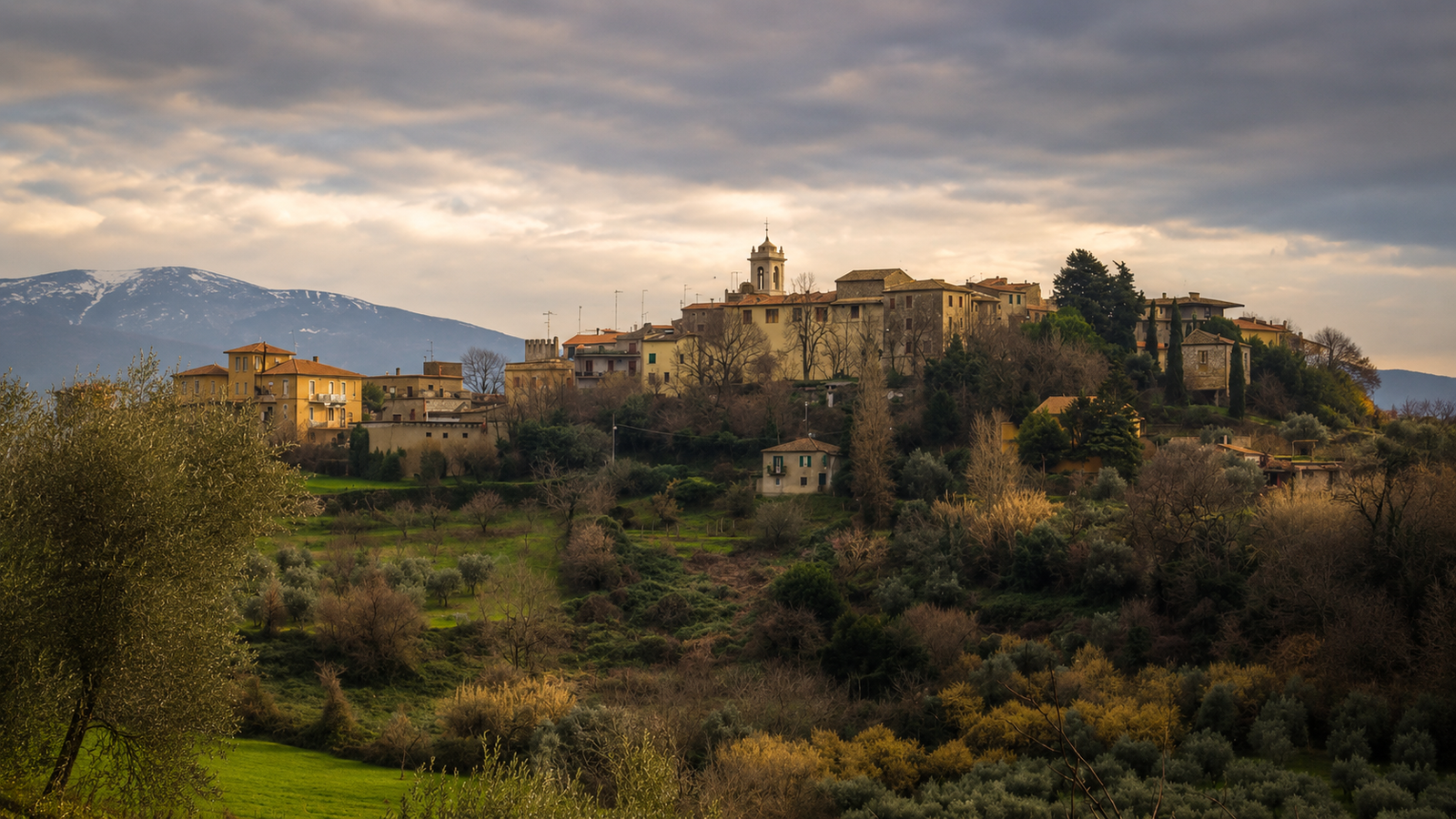
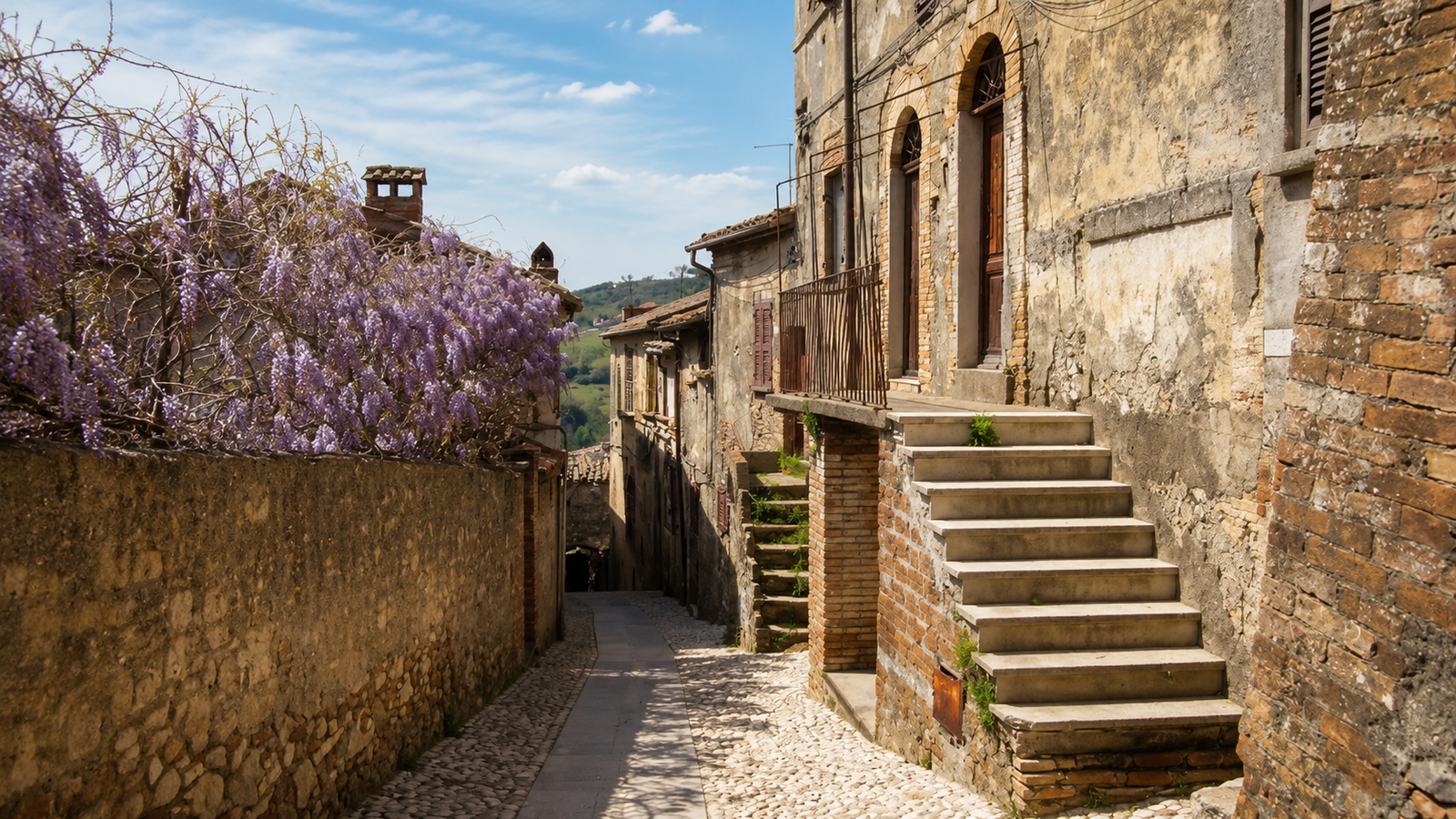
Montebuono stands among the Sabina hills, sheltered by Monte San Benedetto and surrounded by olive groves, woodland and broad views. Its historic centre preserves arches, lanes, balconies and small stairways within a compact structure that still recalls the plan of the ancient castrum.
The most surprising place is San Pietro ad Muricentum, a medieval church built over and beside the remains of a Roman villa traditionally known as the Baths of Agrippa. Nearby, Fianello adds a second stone village to the journey, secluded and almost suspended in time.
On this page you can
- Discover San Pietro ad Muricentum and traces of the Roman villa
- Walk through the village and reach the Sanctuary of San Benedetto
- Visit Fianello and Santa Maria Assunta through history and silence

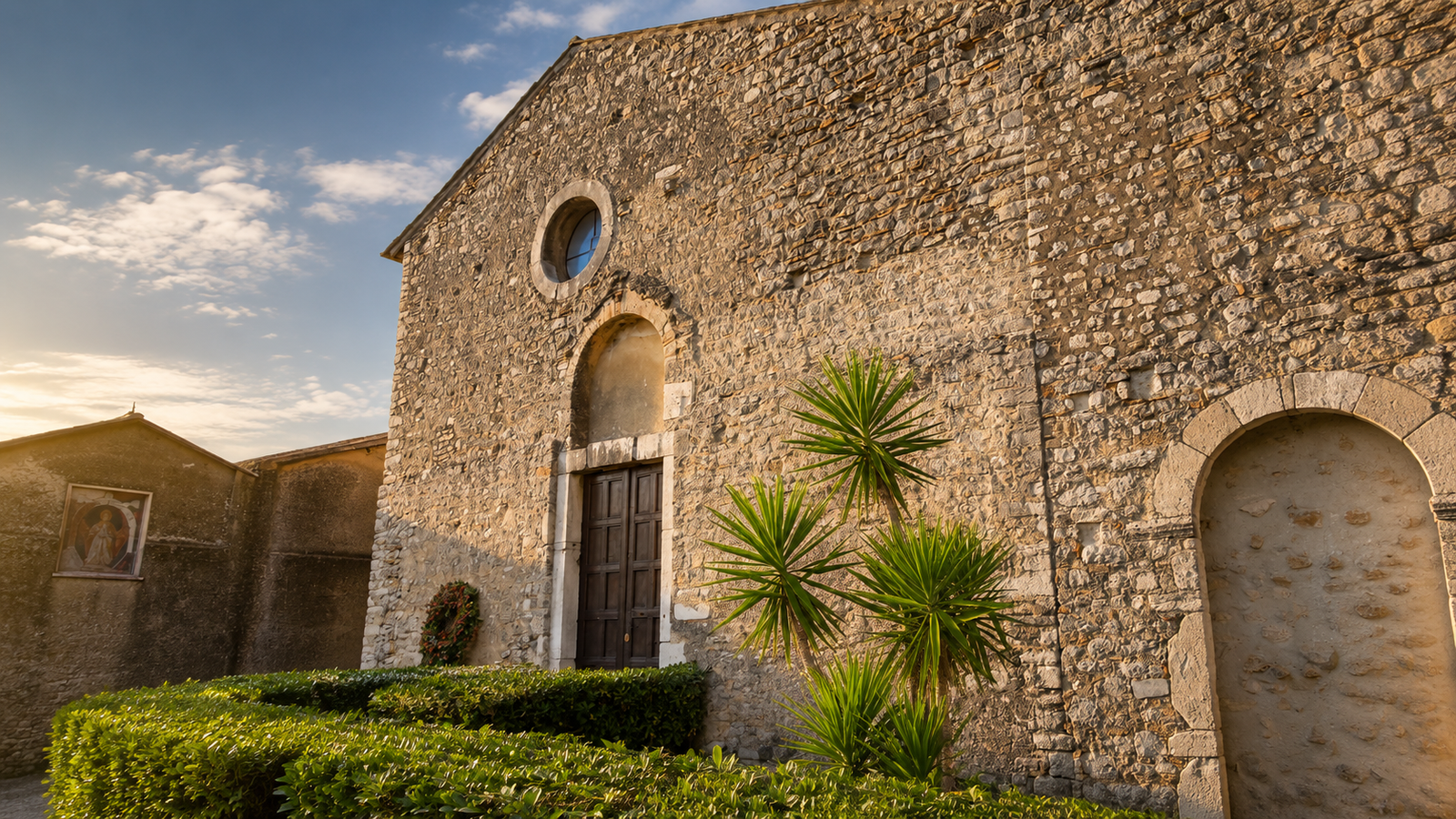
Villa of Agrippa
San Pietro stands among the remains of a large Roman villa.
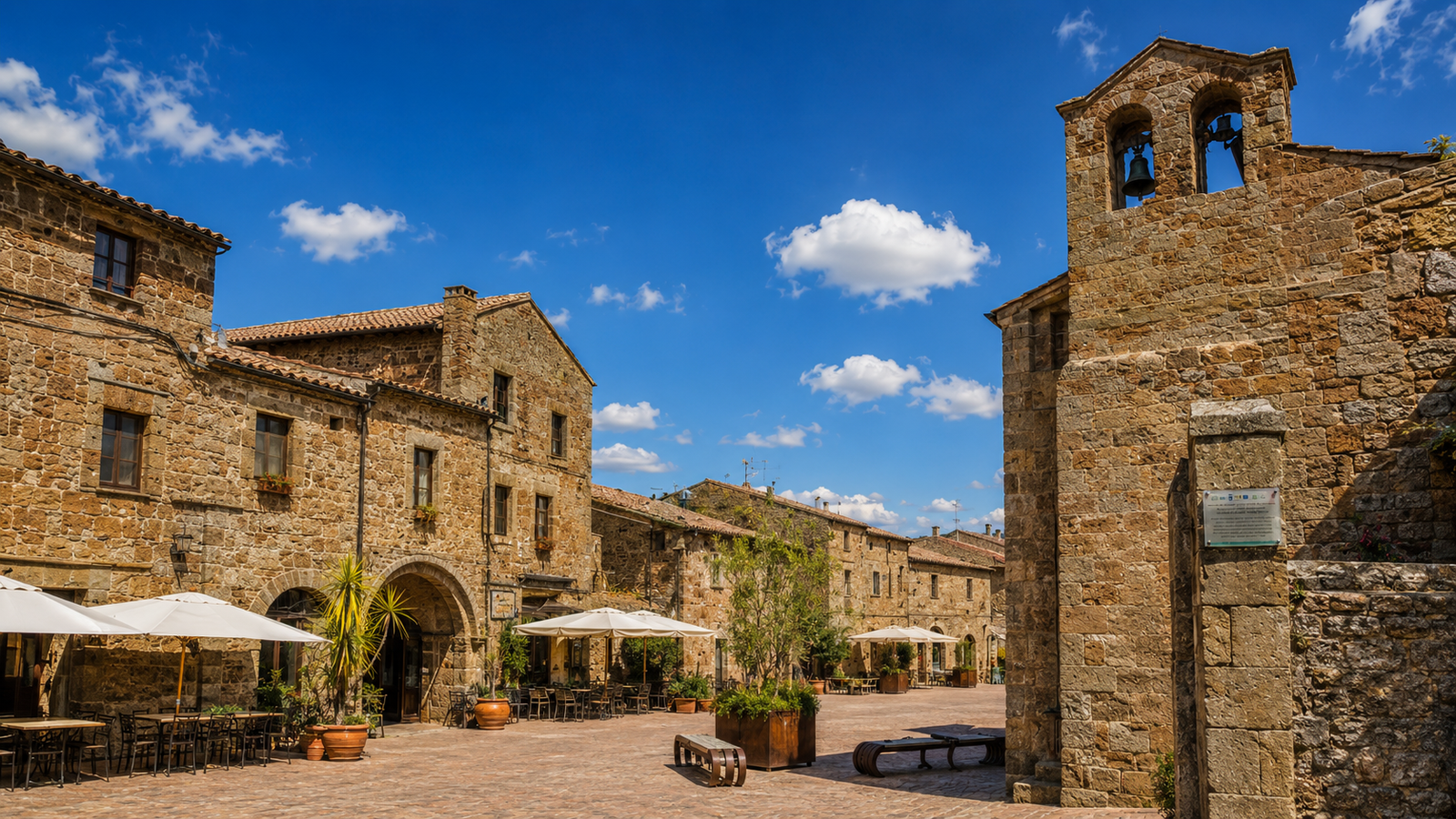
Village and viewpoint
Lanes, arches and open views across the Sabina hills.
San Benedetto
The sanctuary on the mountain combines spirituality, nature and panorama.
Fianello
A secluded medieval village, almost still in time.
What to see
Montebuonoto discover
Among Agrippa, villages and hills
Within only a few kilometres Montebuono combines very different periods and landscapes: a medieval church built among the remains of a Roman villa, the historic village overlooking Sabina, a sanctuary on the mountain and the hamlet of Fianello, a small stone settlement where time seems to have stopped.
- San Pietro ad Muricentum and the remains of the Roman villa
- Medieval village and viewpoint over the Sabina hills
- Sanctuary of San Benedetto on the mountain
- Fianello, a secluded village of towers, churches and silence
In the village and nearby
Local producers
A useful, up-to-date selection, ordered by relevance, quality and proximity.
History and identity
Montebuono,in the land of Agrippa
The territory of Montebuono preserves numerous traces of Roman villas. The best known stands near San Pietro ad Muricentum and is also called the Baths of Agrippa because inscriptions connected with the name of Marcus Agrippa were found there. The medieval church rises above and beside the ancient structures, creating one of Sabina’s most evocative complexes.
Fianello also preserves deep traces of the past: structures connected with another Roman villa have been identified near Santa Maria Assunta. In the main village, arches, cisterns and an almost rectangular plan recall the legacy of an ancient castrum, while the Middle Ages left lanes, stone houses and places of worship still central to local identity.
- Baths of Agrippa
- Roman villas
- Medieval Fianello
In the village and nearby
Local services
A useful, up-to-date selection, ordered by relevance, quality and proximity.
Village events calendar
Events in Montebuono
Events, festivals and local initiatives selected for Montebuono.
Calendar being updated
No events published
New events will be added as soon as they become available.
Browse the full calendar→Authentic flavours
Montebuonoscented with bread and olive oil
Montebuono’s most authentic cooking comes from the oven, bread dough and Sabina olive oil. Lo Schiacciato di Montebuono
Schiacciato recalls the public oven and shared preparations; falloni enclose seasonal vegetables and herbs in rustic dough, while extra virgin olive oil completes the story with the most recognisable flavour of the Sabina hills.
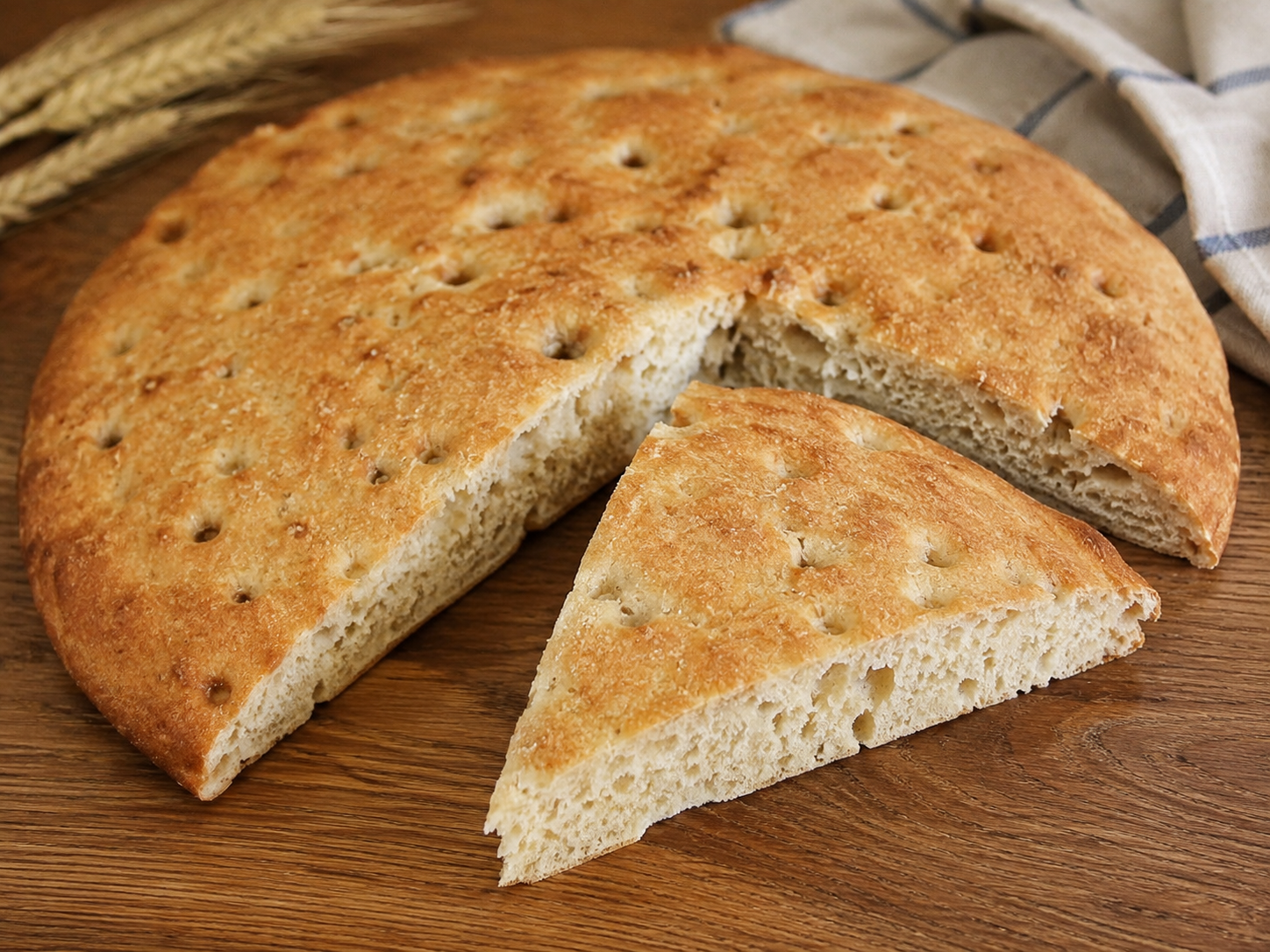
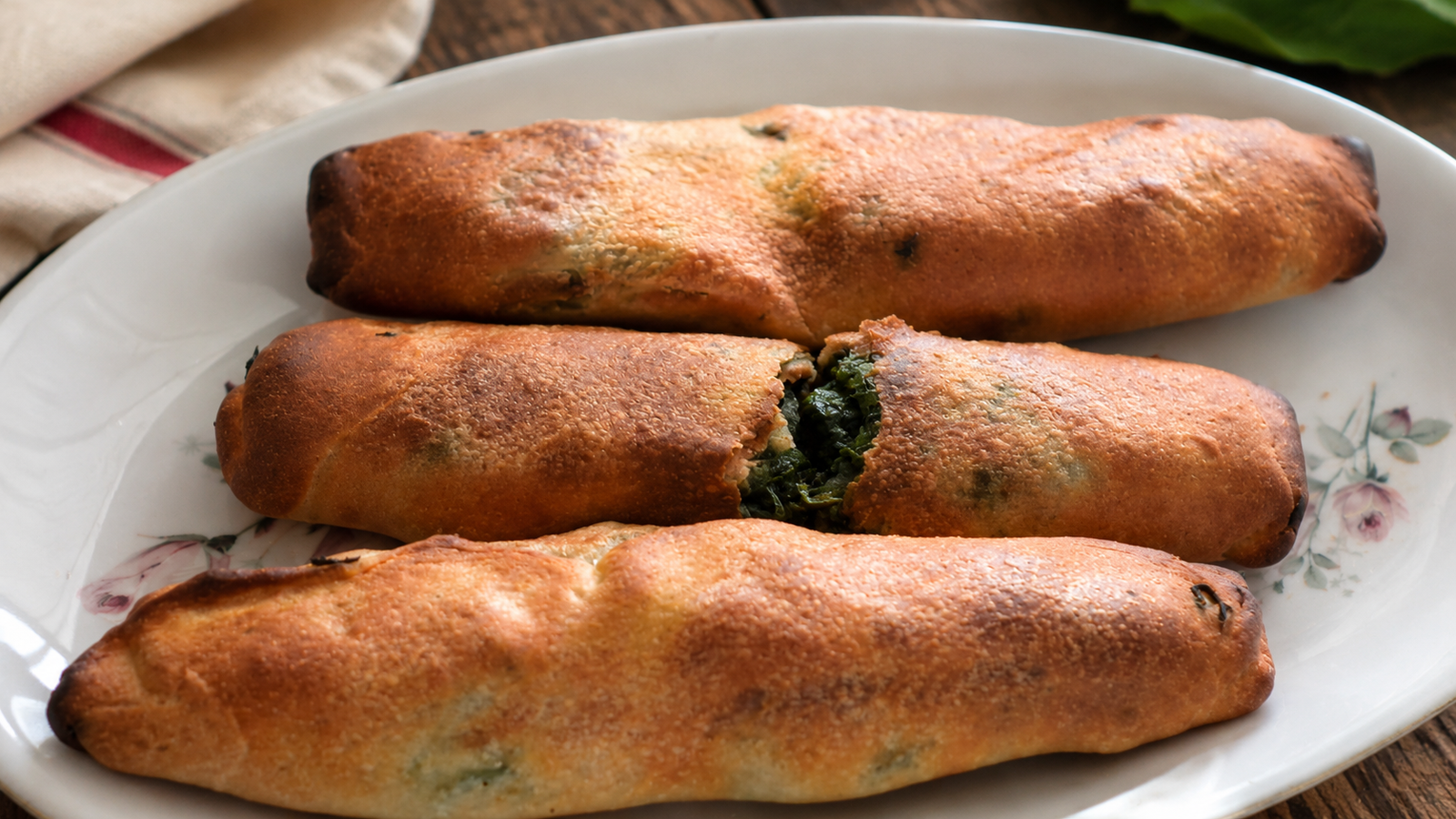
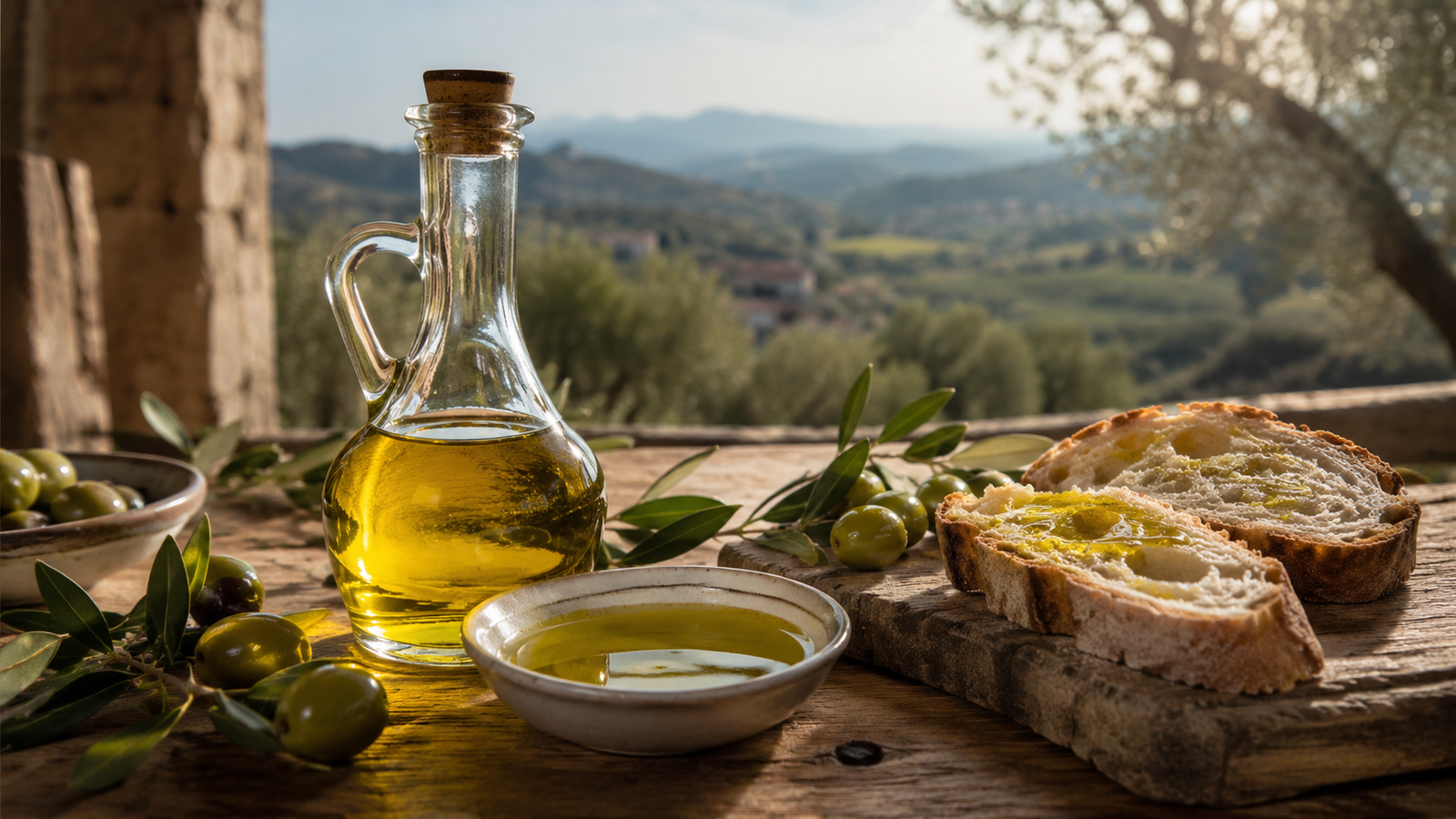
In Montebuono, the oven, bread and olive oil tell the simplest and most genuine side of local tradition.
In the village and nearby
Where to eat
A useful, up-to-date selection, ordered by relevance, quality and proximity.
The village in figures
Montebuono,among hills and history
A few essential figures for understanding the territory: elevation, residents, municipal area and approximate travel time to Rieti.
Elevation
above sea level
Residents
within the municipality
Area
of the municipal area
From Rieti
approximate driving time
In the village and nearby
Where to stay
A useful, up-to-date selection, ordered by relevance, quality and proximity.
FAQ about Montebuono
Six practical answers for planning your visit, finding your way around the village and connecting the day with other places in Sabina.
What should you see in Montebuono?
The main places are San Pietro ad Muricentum and the Roman villa known as the Baths of Agrippa, the medieval village with its viewpoint, the Sanctuary of San Benedetto, the village of Fianello and the Church of Santa Maria Assunta in Fianello.
Where is Montebuono?
Montebuono is in the province of Rieti, in the Sabine Mountains. The village stands among hills, olive groves and ridges, close to the Tiber Valley and surrounded by broad views across Sabina.
How do you get to Montebuono?
The easiest way to reach Montebuono is by car. From Rieti the journey takes a little over forty minutes. The historic centre is easily explored on foot, while Fianello and other places outside the village require a separate drive.
What is Montebuono’s connection with Marcus Agrippa?
Near San Pietro ad Muricentum are the remains of a Roman villa traditionally known as the Baths of Agrippa. The name comes from epigraphic evidence connected with Marcus Vipsanius Agrippa, although the site is now presented above all as an important Roman archaeological complex.
Is Fianello worth visiting?
Yes. Fianello is one of the most distinctive stops in the Montebuono area: a secluded medieval village with stone houses and a suspended atmosphere. At its entrance stands Santa Maria Assunta, connected with an area containing Roman remains.
What are Montebuono’s traditional flavours?
The flavours chosen to represent Montebuono are Schiacciato di Montebuono, falloni and Sabina PDO olive oil. They are rooted in oven traditions, bread dough and the agricultural culture of the Sabina hills.

From this village a new itinerary begins
After the historic centre, connect your visit with another village, a local place to eat or a walking route and build a complete day in Sabina.