

Roman Sabina
Moricone
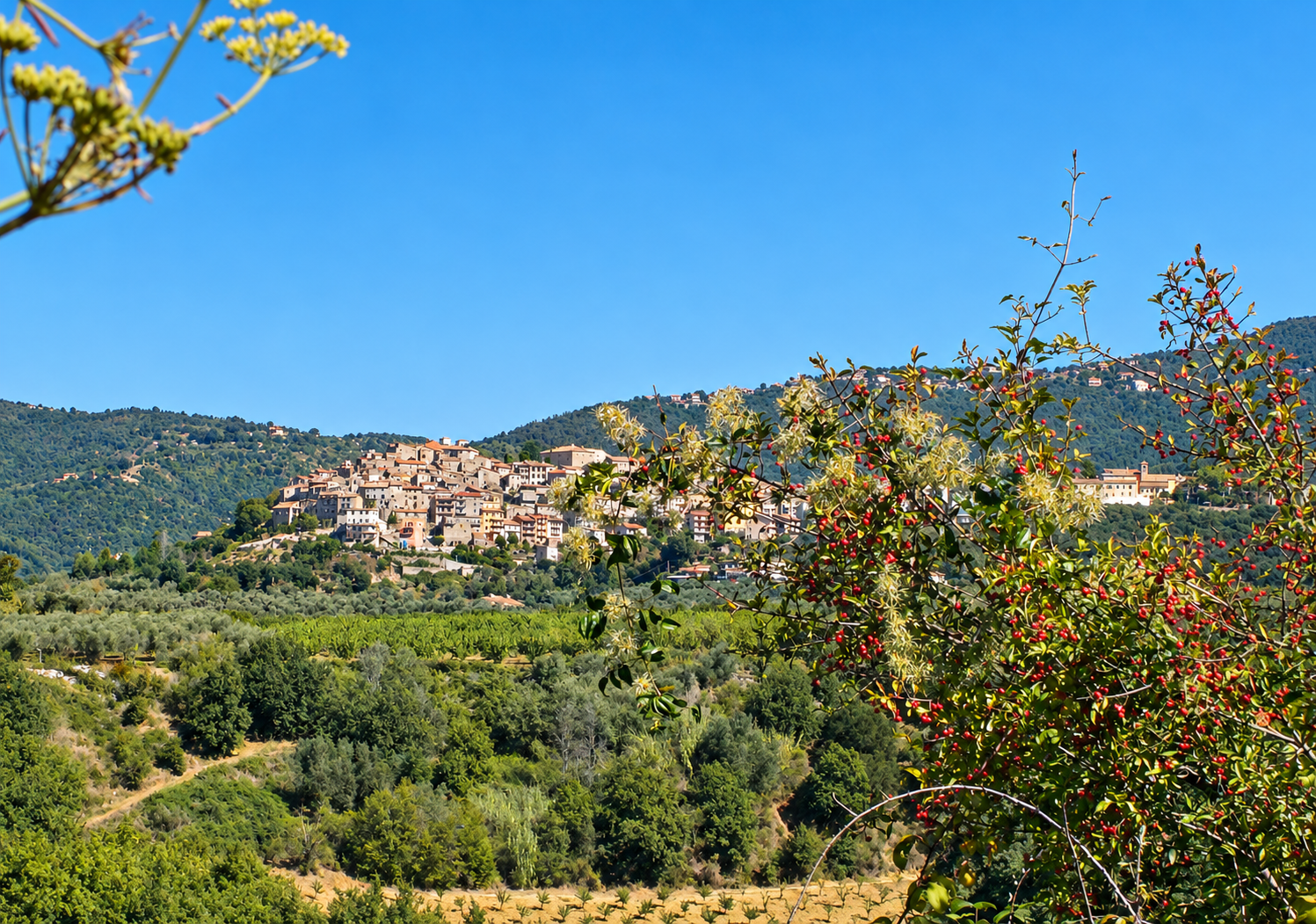
Moricone is a Roman Sabina village overlooking the Tiber Valley from the slopes of the Lucretili Mountains. It preserves Castello Savelli, medieval memories, views across the Sabina agricultural landscape and a strong connection with olive growing, also presented in the Olive Oil Landscape Museum.
Roman Sabina
Moriconebetween the castle and olive oil
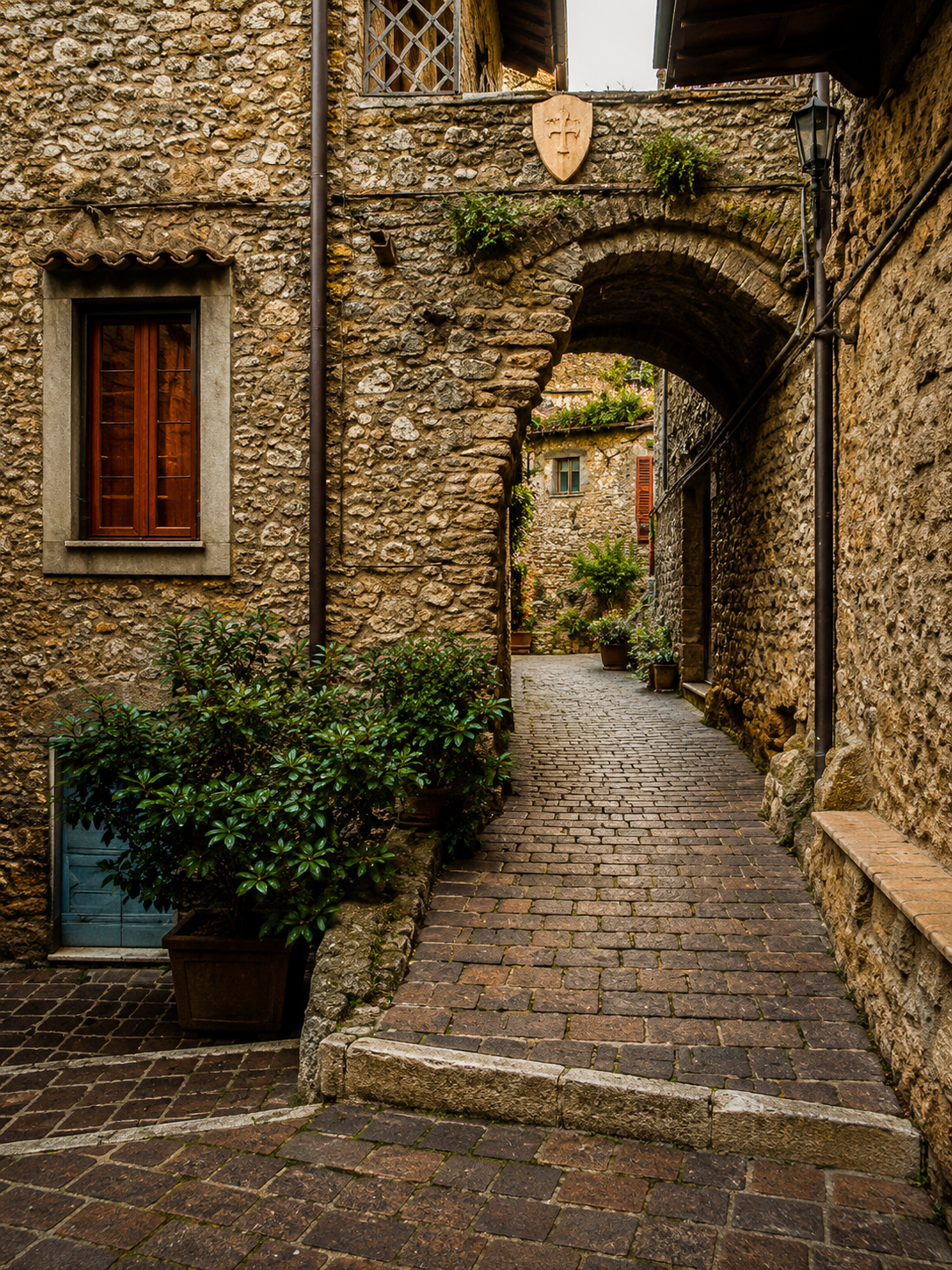
Moricone is a Roman Sabina village overlooking the Tiber Valley from the slopes of the Lucretili Mountains. Its skyline is defined by Castello Savelli, the historic fabric gathered around the old centre and an agricultural landscape connecting the village with olive cultivation.
The village reveals a Sabina of stone, views and rural culture. Alongside its medieval heritage, Moricone hosts the Olive Oil Landscape Museum, devoted to the history of olive trees, oil production and the relationship between the community, countryside and territory.
On this page you can
- Discover Castello Savelli, the historic centre and views towards the Tiber Valley
- Learn about the village’s connection with olive trees, olive oil and the agricultural landscape of Sabina
- Find your way among cultural sites, local traditions and the nature of the Lucretili Mountains

Castello Savelli
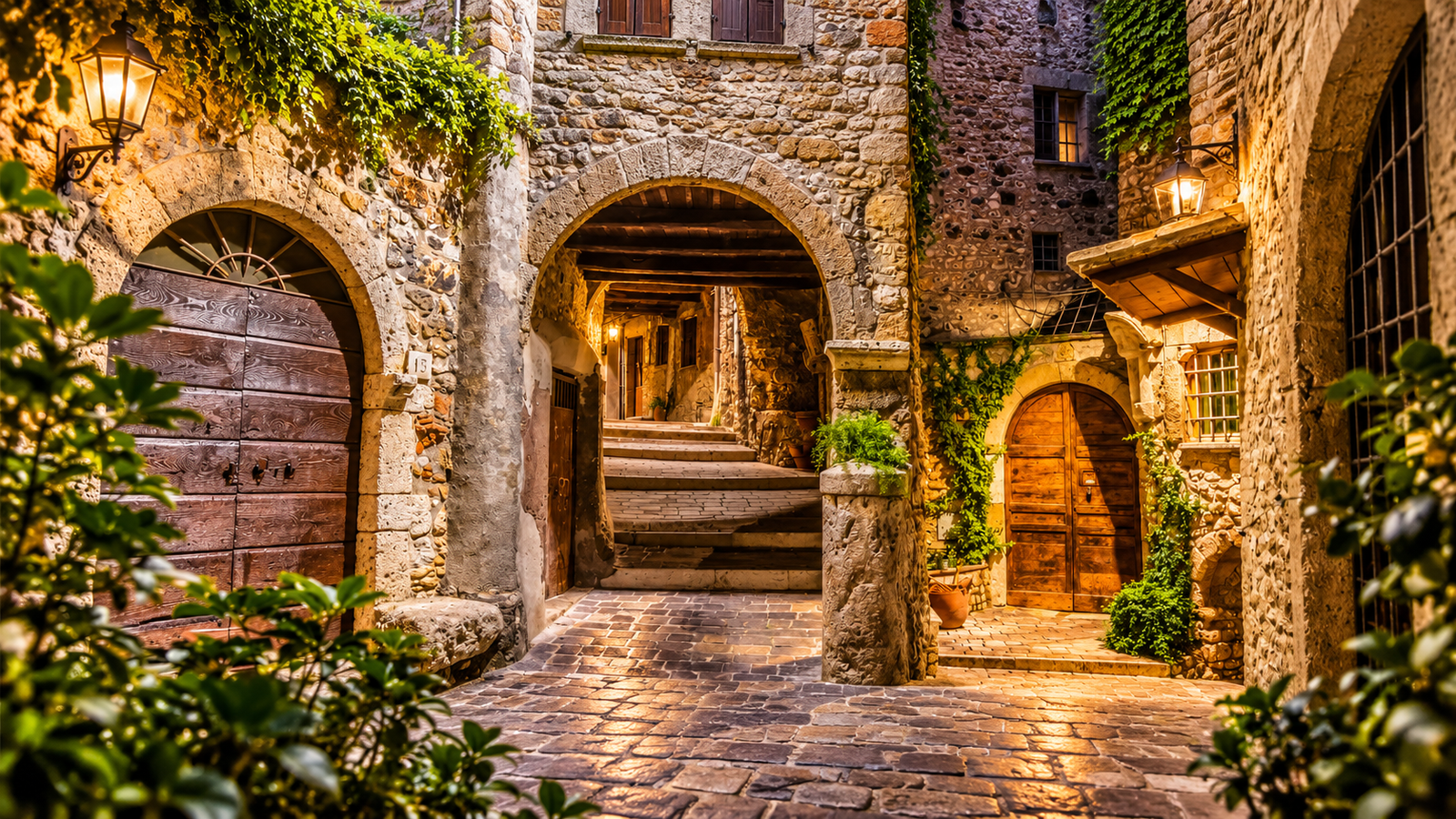
The village’s most recognisable historic landmark, standing in the upper part of the old centre.
Olive Oil Museum
A route devoted to olive trees, olive-oil production and local agricultural culture.
Tiber Valley
The village overlooks the Tiber landscape from an open and distinctive position.
Lucretili Mountains
Moricone stands at the edge of the Lucretili natural area, between countryside and mountain slopes.
What to see
Moriconeto discover
Castle, churches, olive oil and natural phenomena
Moricone presents a direct and distinctive side of Sabina: Castello Savelli dominates the old village, the Church of Santa Maria Assunta and the Passionist Sanctuary preserve its religious memory, while the Olive Oil Museum and Pozzo Fornillo reveal the relationship between agricultural landscapes and local nature.
- Castello Savelli, the historic landmark of the old village
- Church of SS. Maria Assunta in Cielo, religious heart of the historic centre
- Pozzo Fornillo, a karst cavity associated with an unusual natural phenomenon
- Passionist Convent and Sanctuary, part of the village’s spiritual heritage
- Olive Oil Landscape Museum, devoted to olive trees and rural culture
In the village and nearby
Local producers
A useful, up-to-date selection, ordered by relevance, quality and proximity.
Montelibretti · 4,7 km
Antico Casale Falconieri
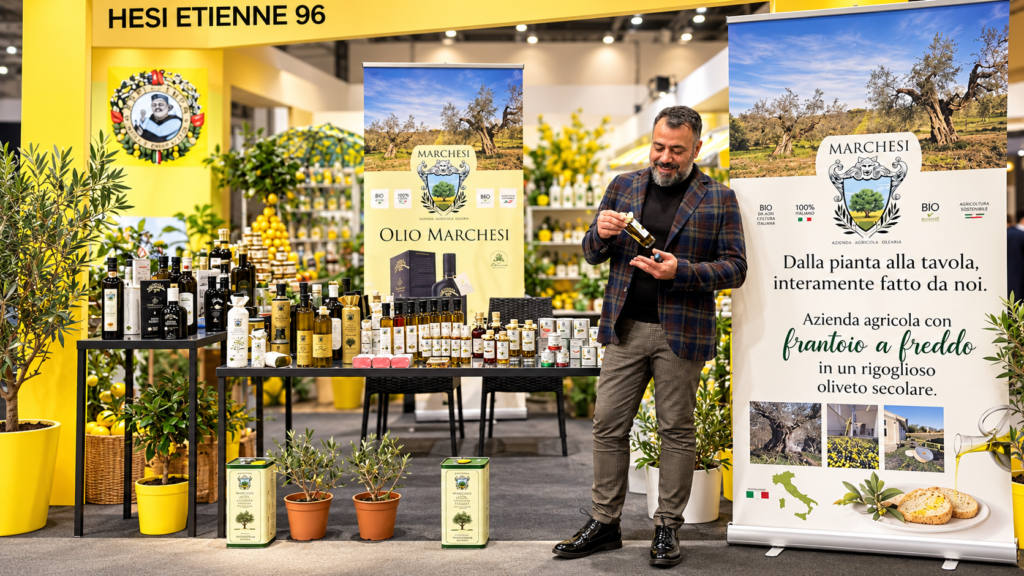
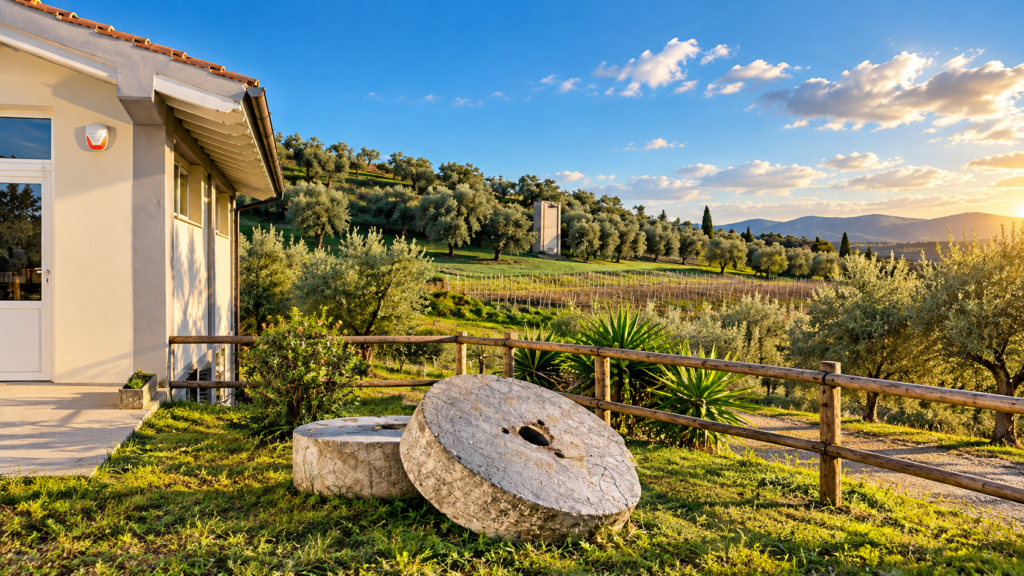
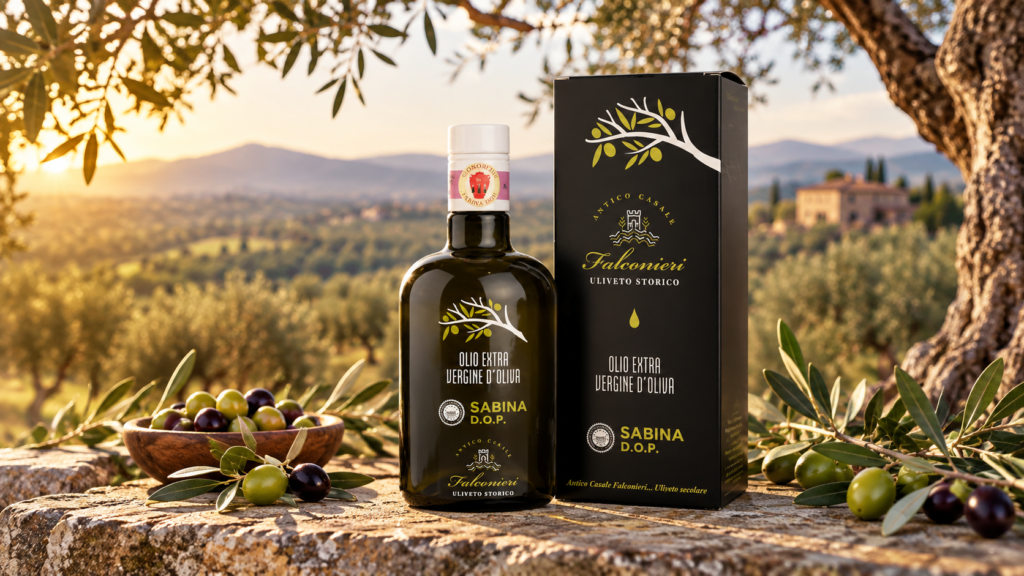
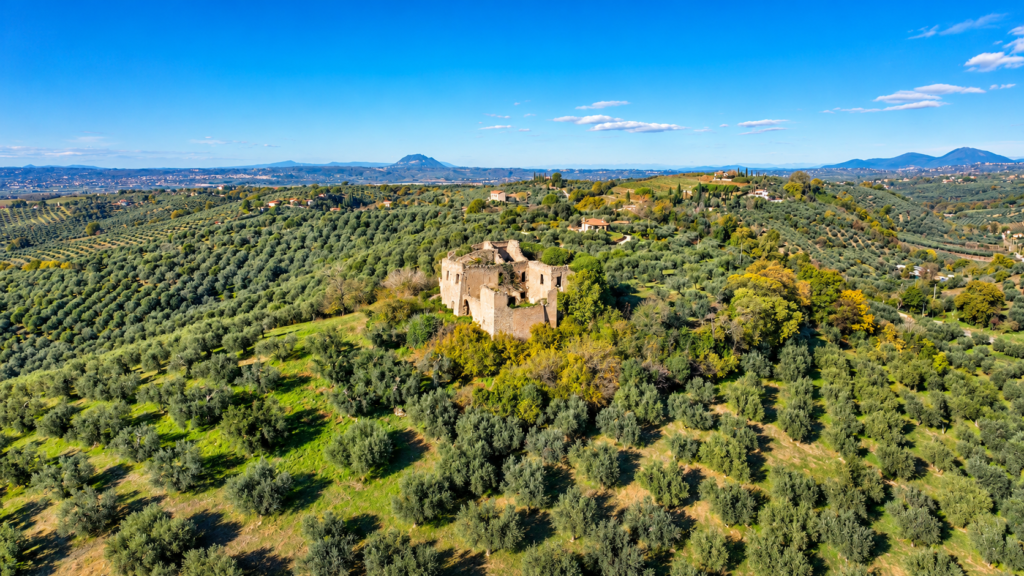
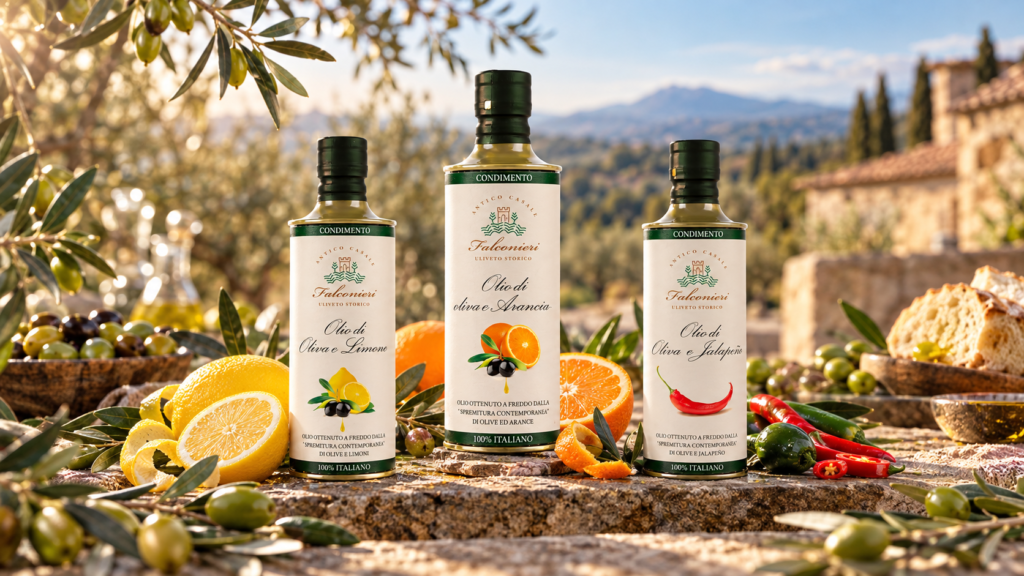
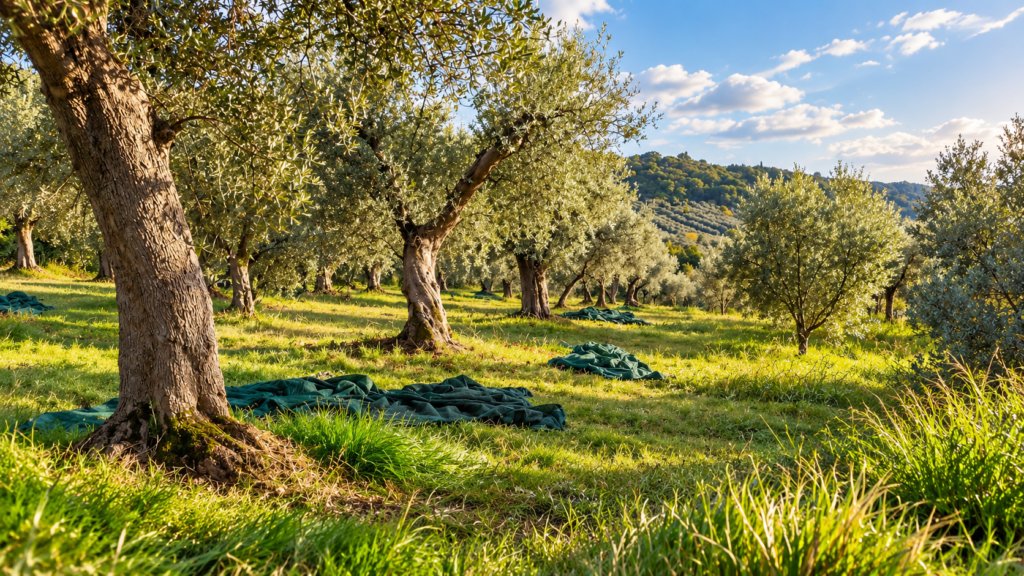
In the heart of Sabina, in Montelibretti, Antico Casale Falconieri preserves the olive-growing tradition of Azienda Agricola Marchesi, founded in 1996. Surrounded by centuries-old olive trees and featuring its own olive mill, the estate produces high-quality extra virgin olive oil, including Sabina PDO, Roma PGI, organic and single-varietal oils, as well as flavored olive oils. A true expression of the region's excellence, combining tradition and innovation while offering olive oil tourism experiences, guided mill tours, and tastings that reveal the flavors and heritage of Sabina.
Montelibretti · 3,8 km
Azienda Agricola Gerli
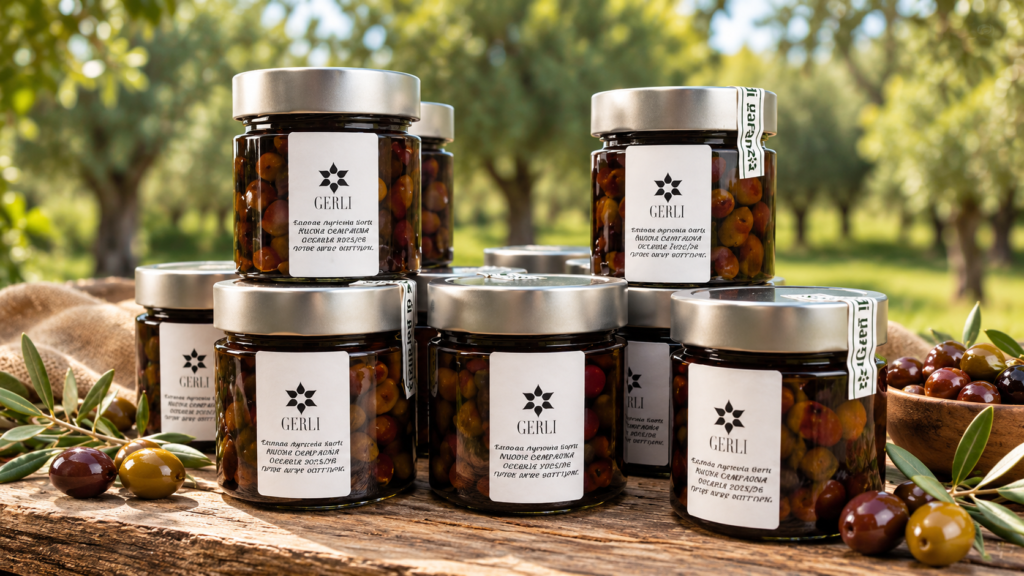
Tra gli uliveti di Montelibretti, l’Azienda Agricola Gerli porta avanti una tradizione agricola fondata sull’esperienza familiare, sulla passione per la terra e sull’attenzione alla qualità. Su circa nove ettari di uliveto, l’azienda si dedica alla produzione di olio extravergine d’oliva e alla coltivazione di frutta di stagione, valorizzando i prodotti genuini del territorio. Una realtà agricola che coniuga tradizione e innovazione, mantenendo un forte legame con la Sabina e con le sue eccellenze agroalimentari.
Montelibretti · 3,8 km
Macelleria Eusepi
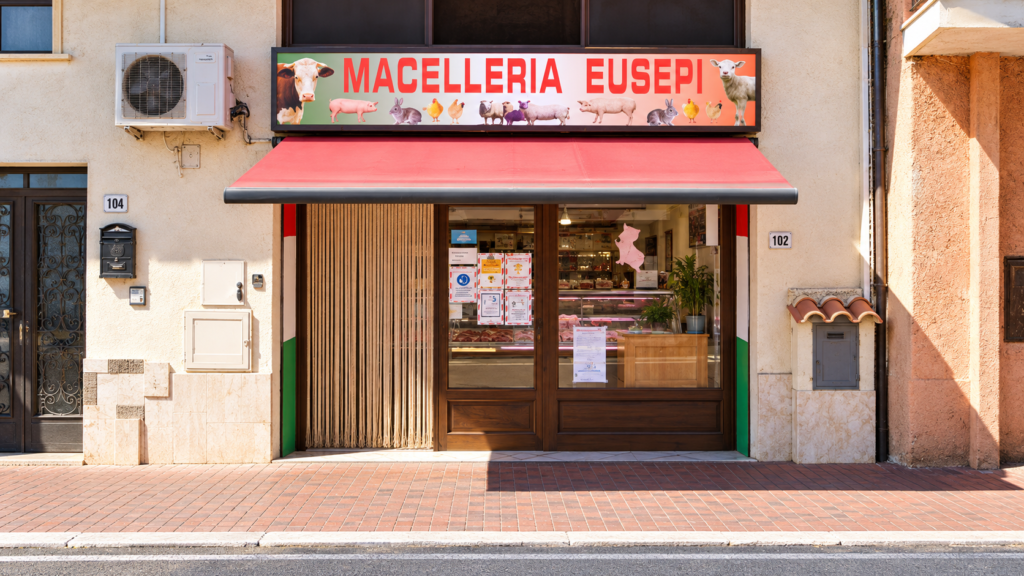
Una buona ricetta comincia dalla scelta degli ingredienti, soprattutto quando la carne è protagonista. A Montelibretti, la Macelleria Eusepi propone carni fresche e tagli adatti a ogni occasione, dalle bistecche da cuocere alla griglia agli arrosti della domenica, fino alla carne per ragù, spezzatini e piatti casalinghi. Il banco della macelleria offre la possibilità di scegliere il taglio più adatto alle proprie ricette, riscoprendo il piacere della spesa quotidiana. Un'attività dedicata a chi ama cucinare e portare in tavola piatti gustosi, tra tradizione gastronomica italiana e sapori familiari.
History and identity
From Rocca Savellito the olive-oil landscape
Moricone is a Roman Sabina village founded on a hill on the north-western slopes of the Lucretili Mountains, open towards the Tiber Valley. Its historic core retains a recognisable medieval character dominated by the fortress and Castello Savelli, landmarks reflecting the fortified past of the village and its control over the surrounding territory.
Alongside the memory of the old village, Moricone preserves a strong agricultural identity linked to olive trees and Sabina PDO olive oil. This relationship with the countryside is also presented in the Olive Oil Landscape Museum, housed in the deconsecrated Chiesa Vecchia, where the history of olive cultivation becomes part of the village’s cultural story.
- Castello Savelli
- Tiber Valley
- Olive Oil Museum
- Sabina PDO
In the village and nearby
Local services
A useful, up-to-date selection, ordered by relevance, quality and proximity.

Montelibretti · 3,9 km
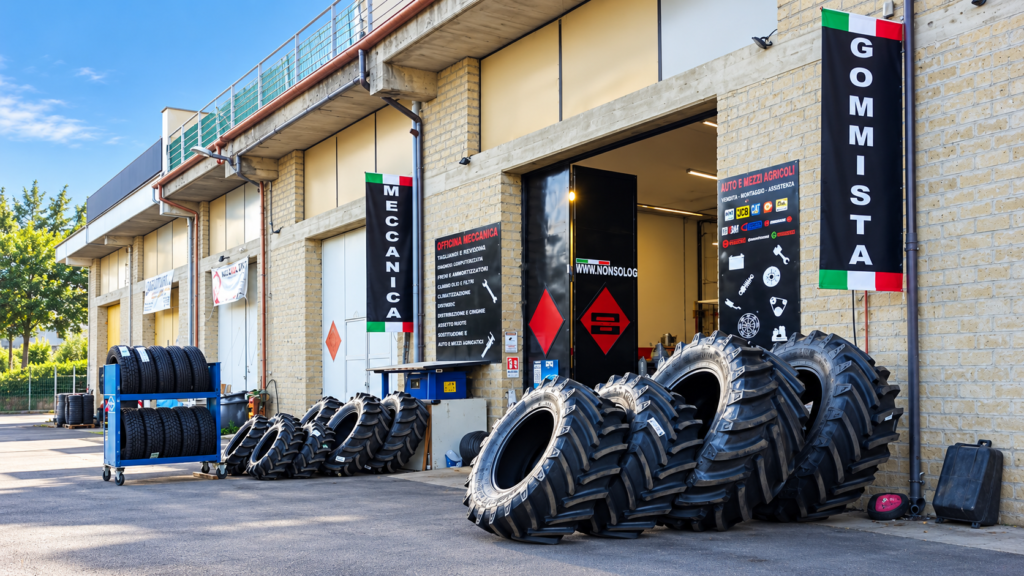
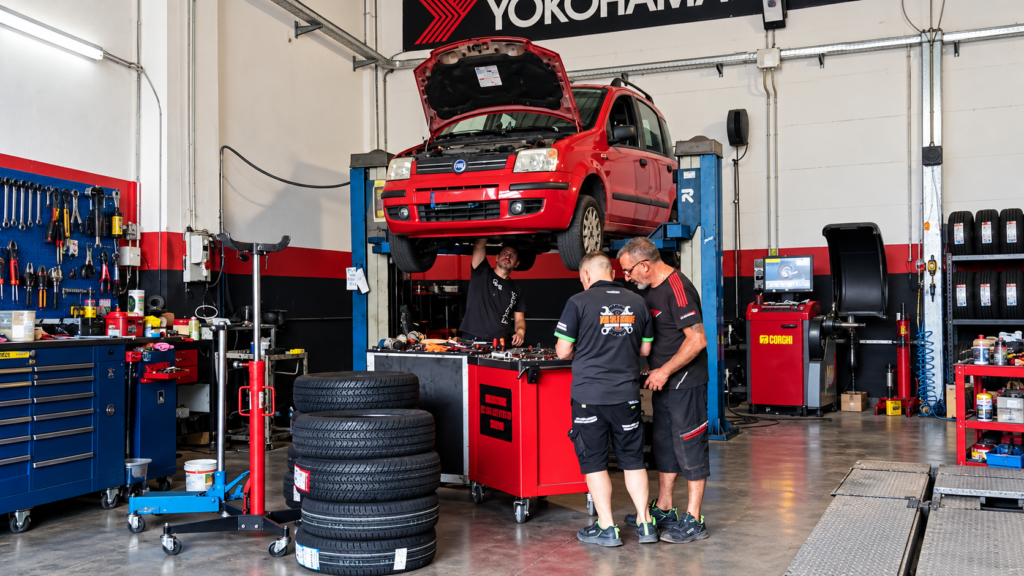
Non Solo Gomme
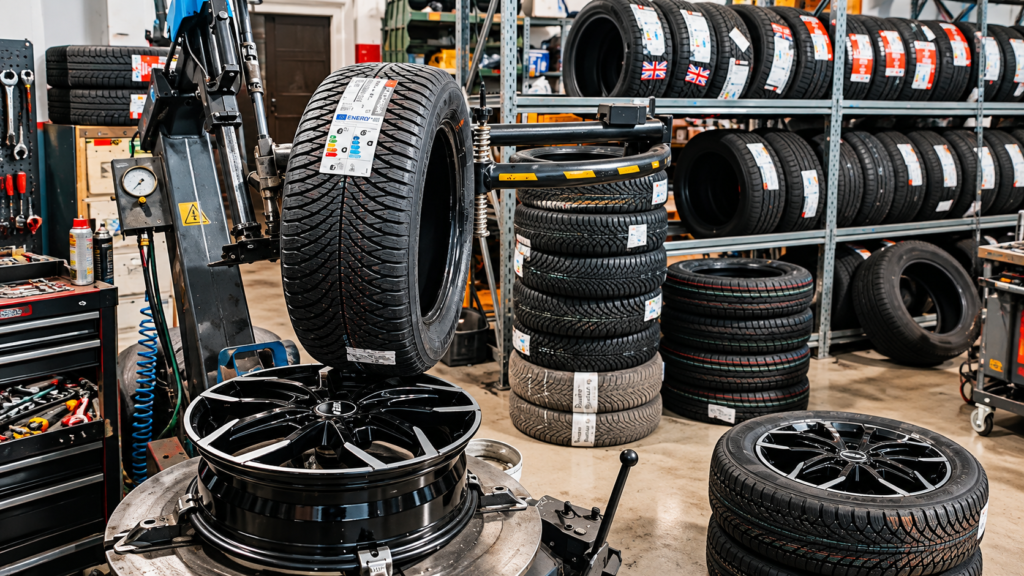
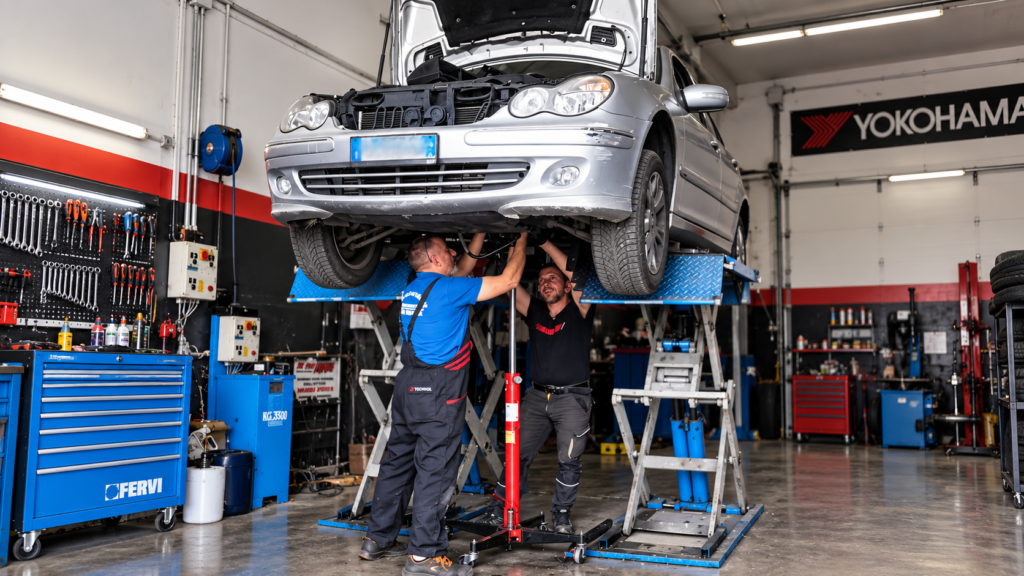
Da oltre 70 anni, Non Solo Gomme è un’autofficina e gommista a Montelibretti per auto e moto. Offre sostituzione pneumatici, equilibratura e calibratura, riparazioni meccaniche, manutenzione del veicolo, autolavaggio, autoricambi e assistenza completa. Un centro full-service con esperienza, affidabilità e attenzione alla qualità del servizio.
Village events calendar
Events in Moricone
Events, festivals and local initiatives selected for Moricone.
Calendar being updated
No events published
New events will be added as soon as they become available.
Browse the full calendar→Authentic flavours
Moriconeat the table
Moricone’s flavours grow from the agricultural landscape surrounding the village: extra virgin olive oil, local fruit, wine and produce from the land express a practical Sabina connected with the Tiber Valley and the Lucretili Mountains.
The most distinctive product is Sabina PDO extra virgin olive oil, a central feature of the territory and the Olive Oil Landscape Museum. Alongside olive growing, local events celebrate popular flavours such as snails, while cherries and peaches reveal the seasonal agricultural character of the village.
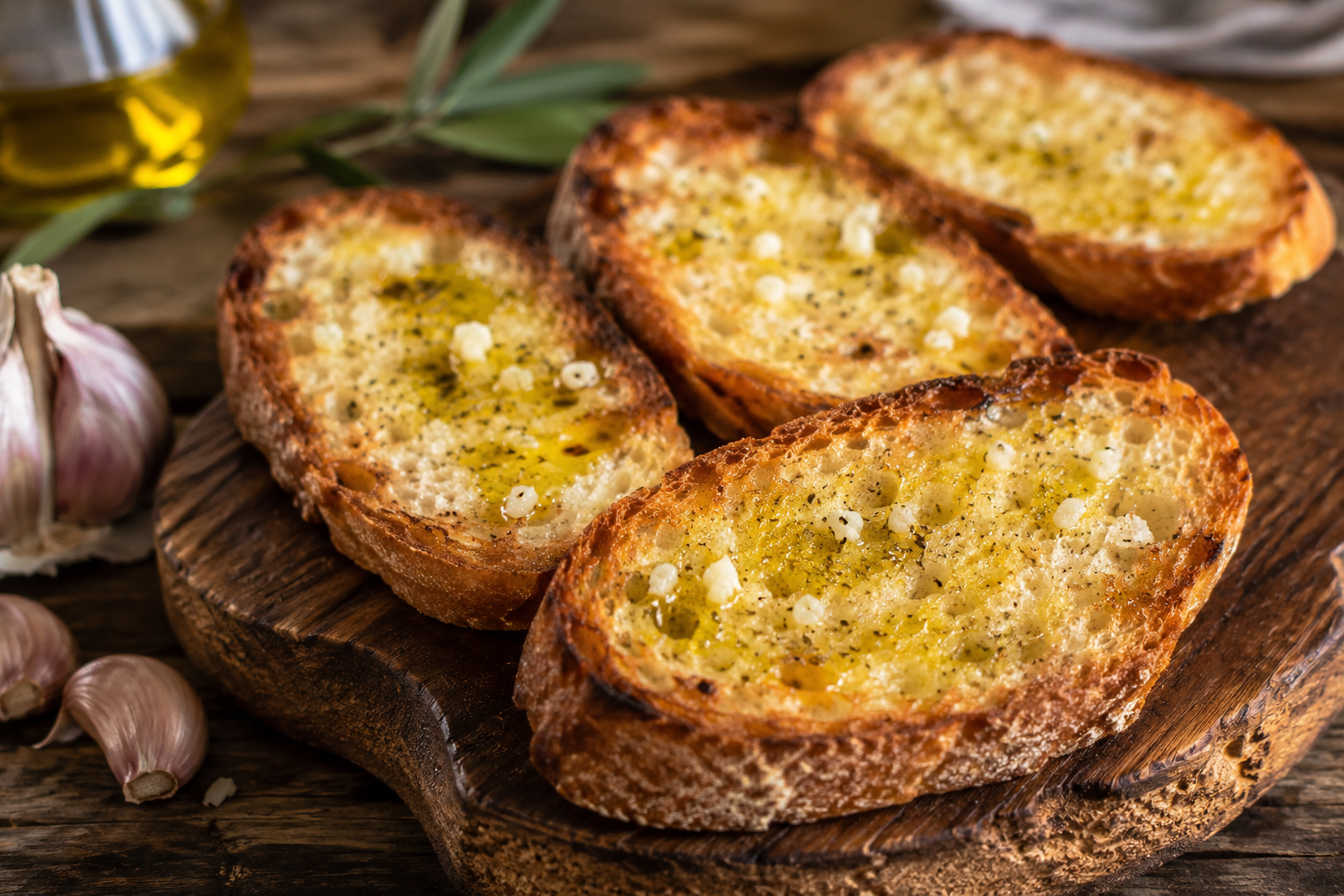
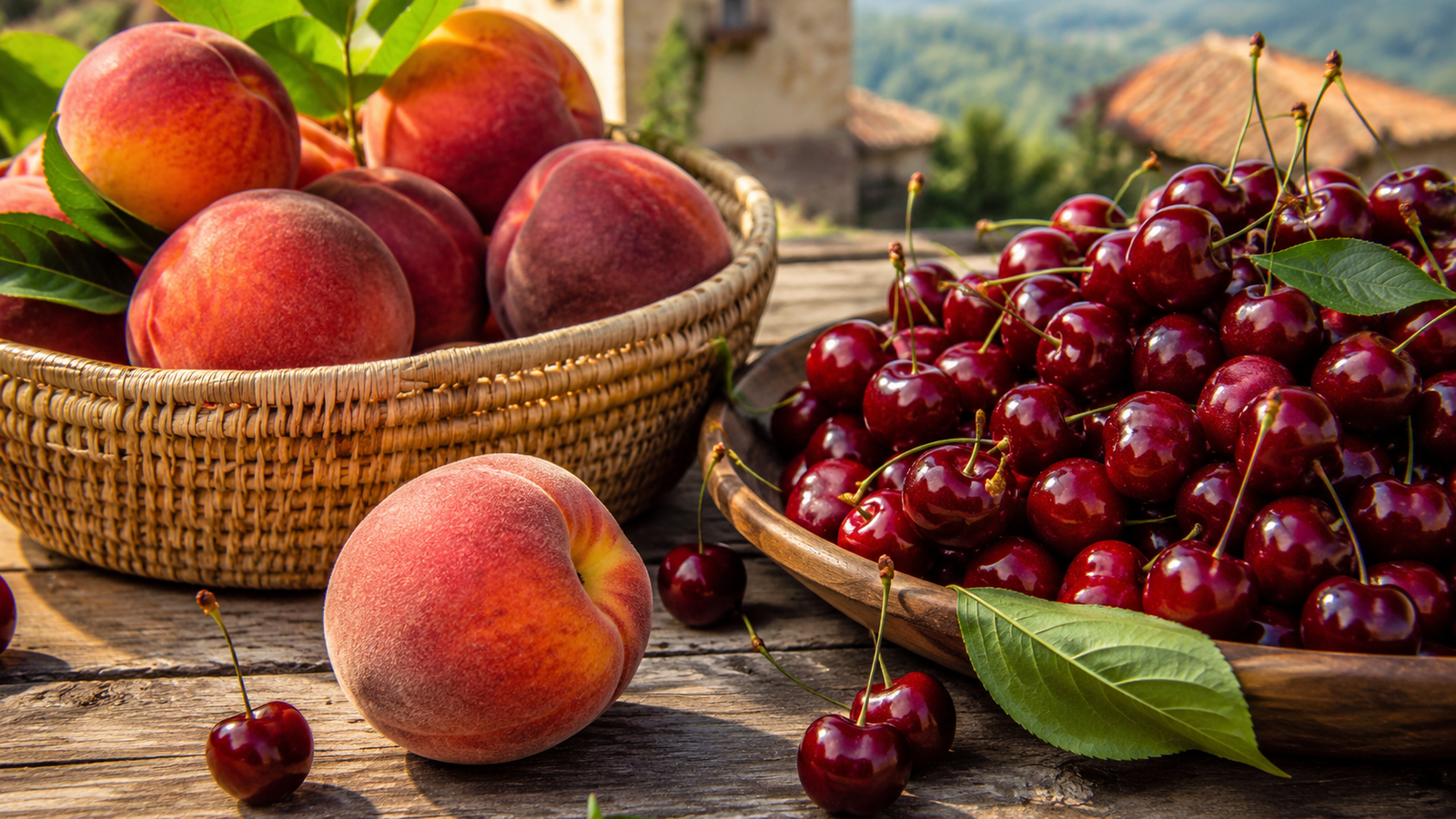
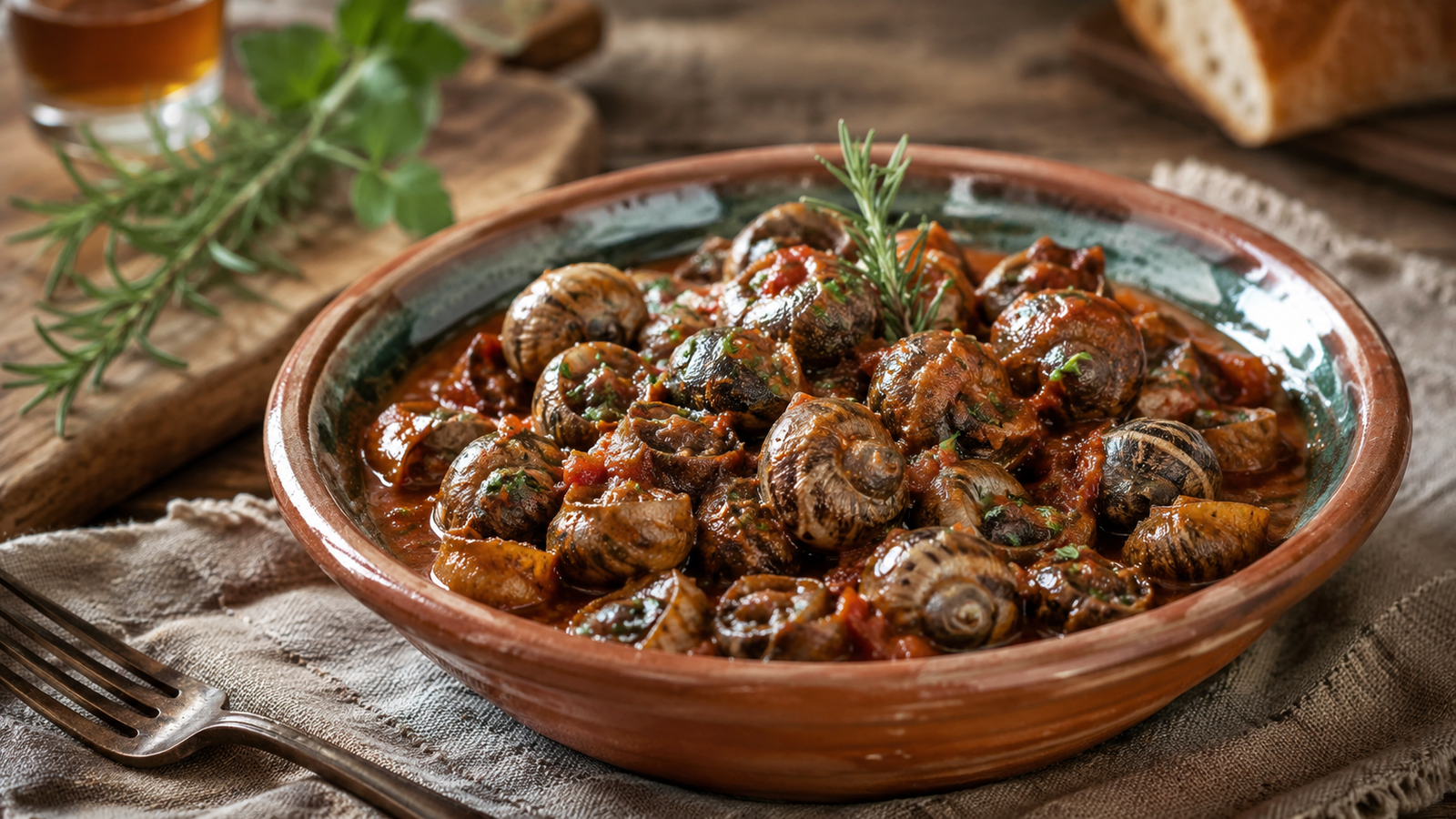
Olive oil, fruit and festival flavours reveal the village’s agricultural character.
In the village and nearby
Where to eat
A useful, up-to-date selection, ordered by relevance, quality and proximity.

Nerola · 5,3 km
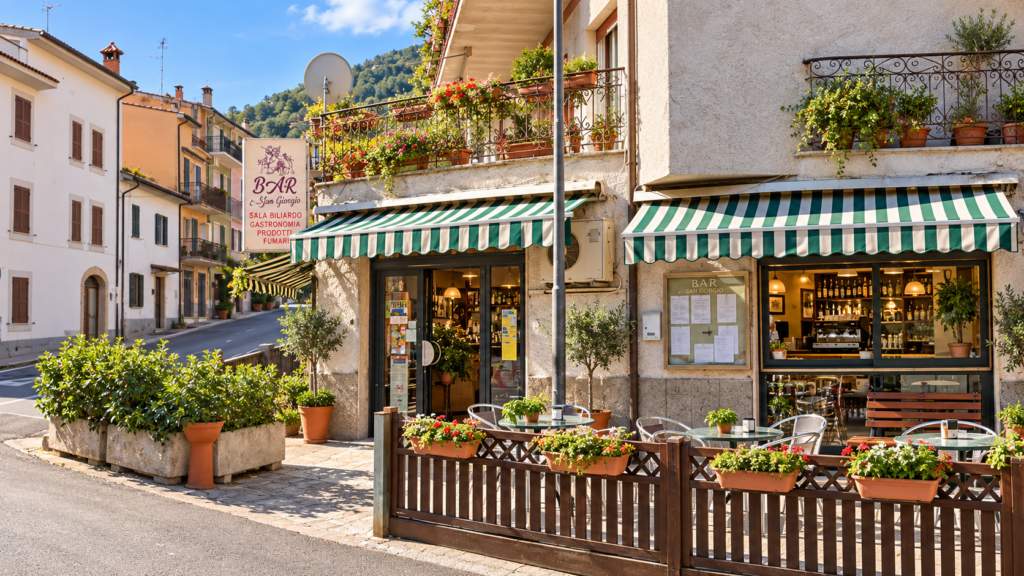
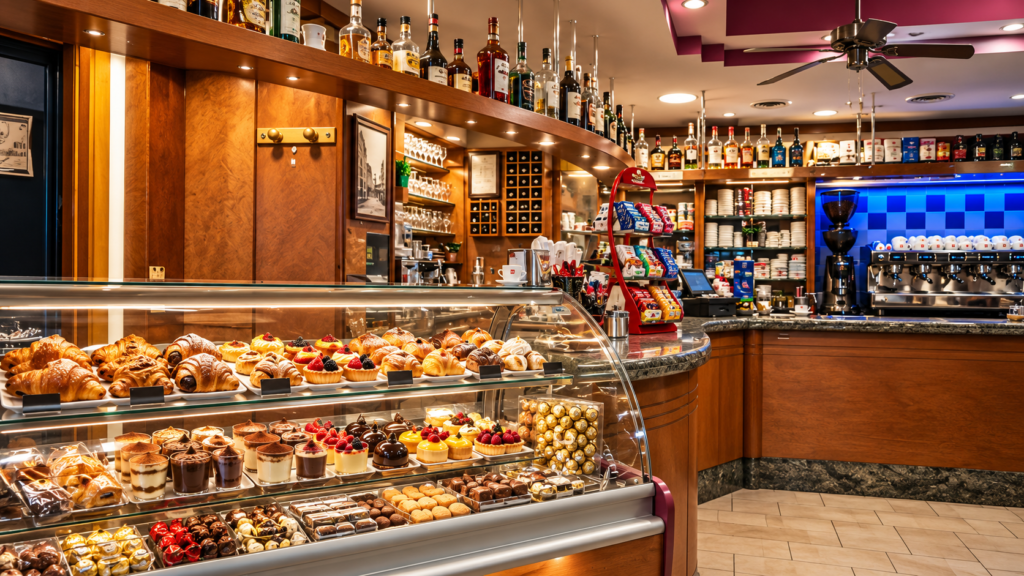
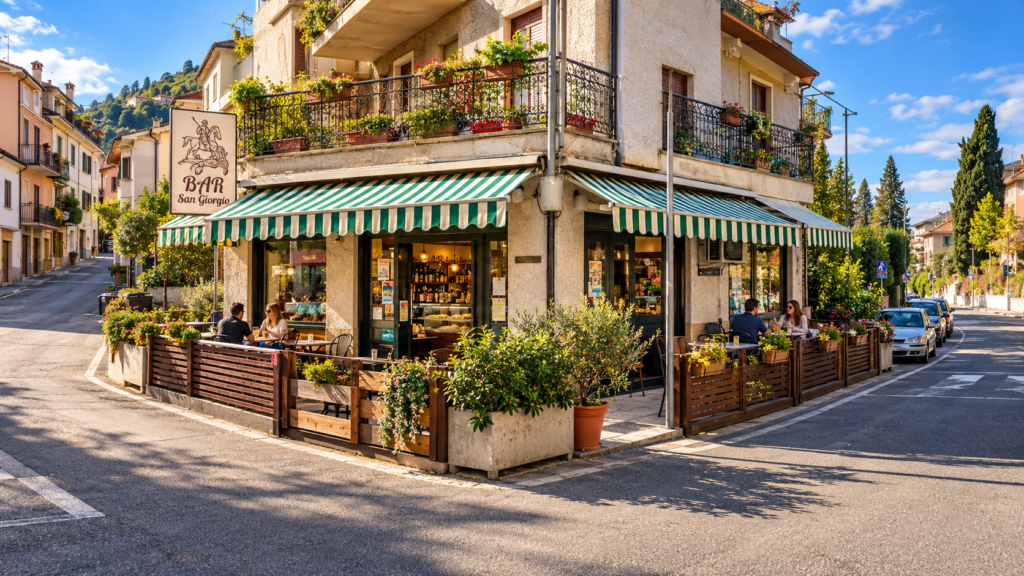
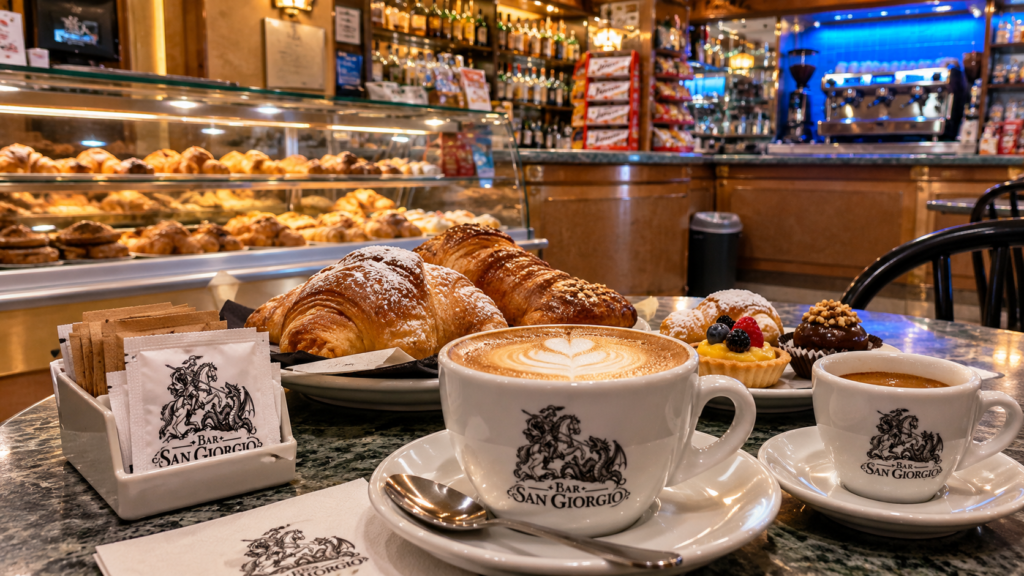
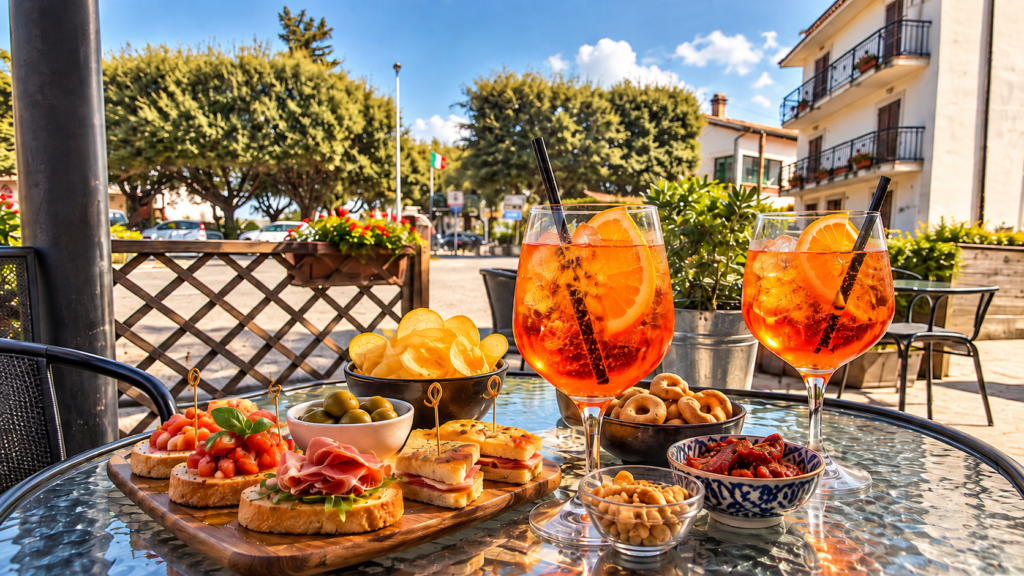
Bar San Giorgio
Bar San Giorgio è uno storico punto di ritrovo nel cuore di Nerola, a pochi passi dalla strada che conduce al castello. Un locale accogliente dove iniziare la giornata con una bella colazione, un caffè, cappuccino e cornetti, concedersi una pausa durante la visita al borgo oppure fermarsi per un aperitivo accompagnato da stuzzichini. Il bar offre anche servizio di rivendita tabacchi e dispone di tavoli all’aperto, in un’atmosfera informale e conviviale ideale per incontrarsi, rilassarsi e vivere un momento della quotidianità del paese.

Montelibretti · 4,6 km
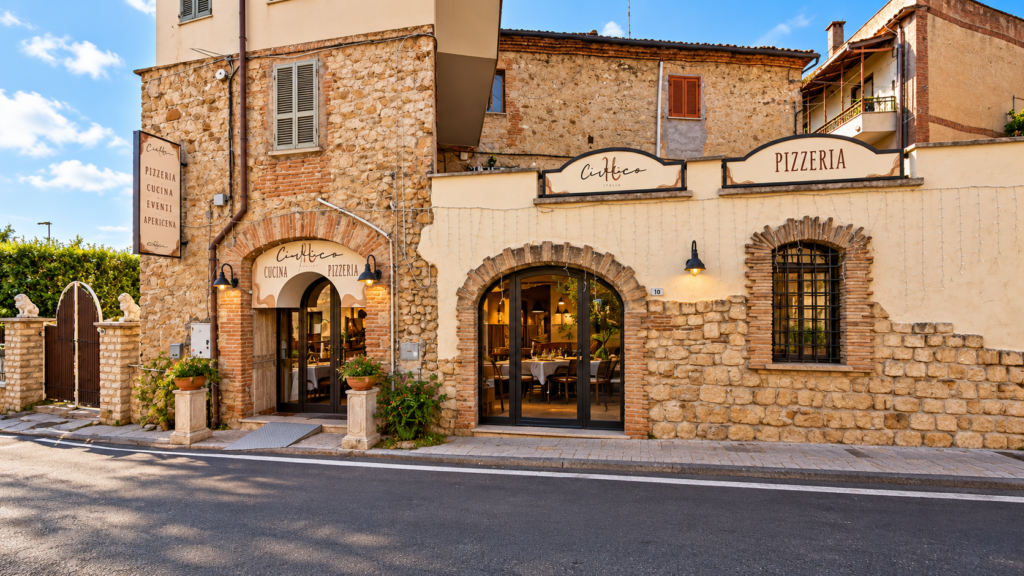
Civico 16
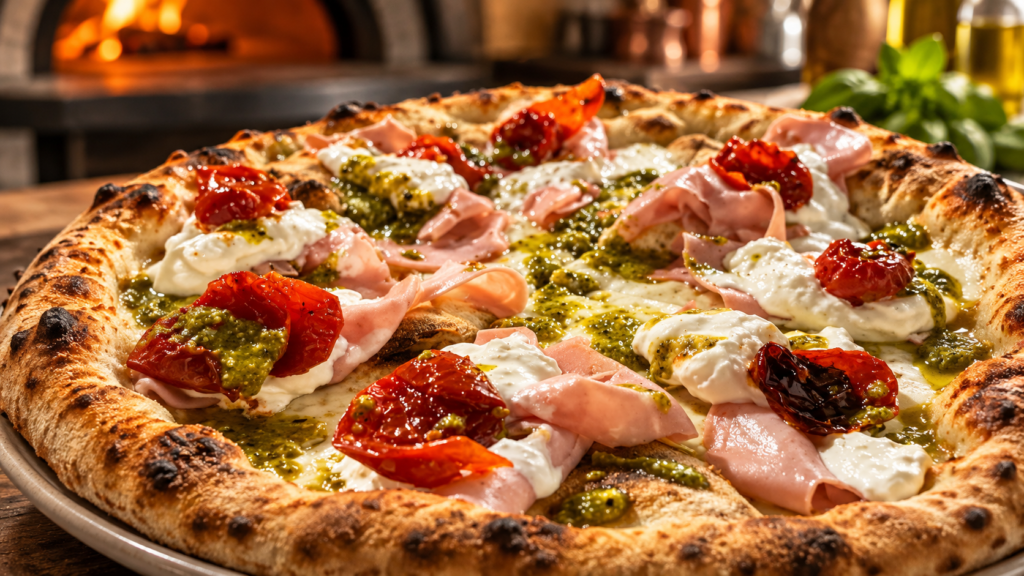
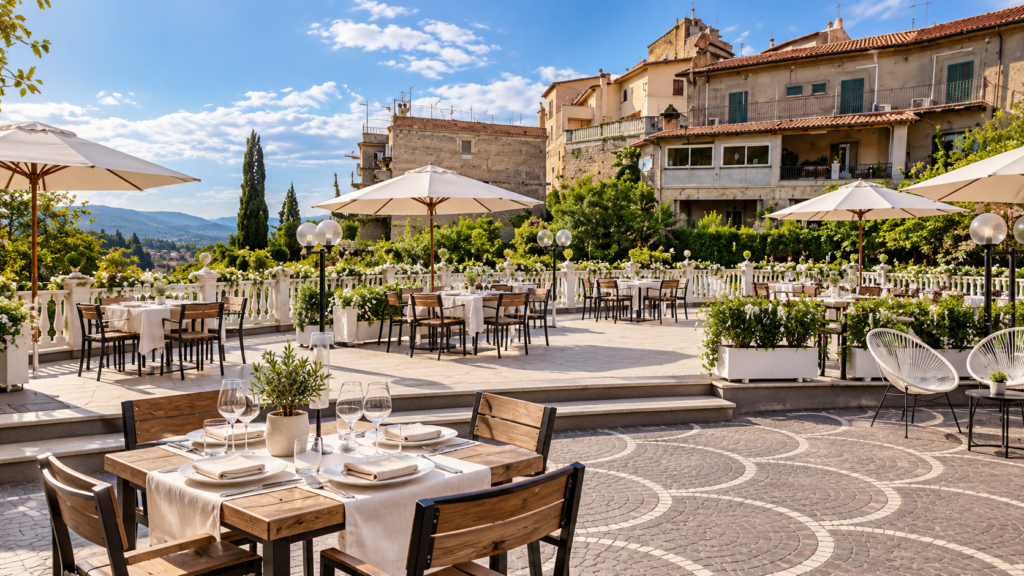
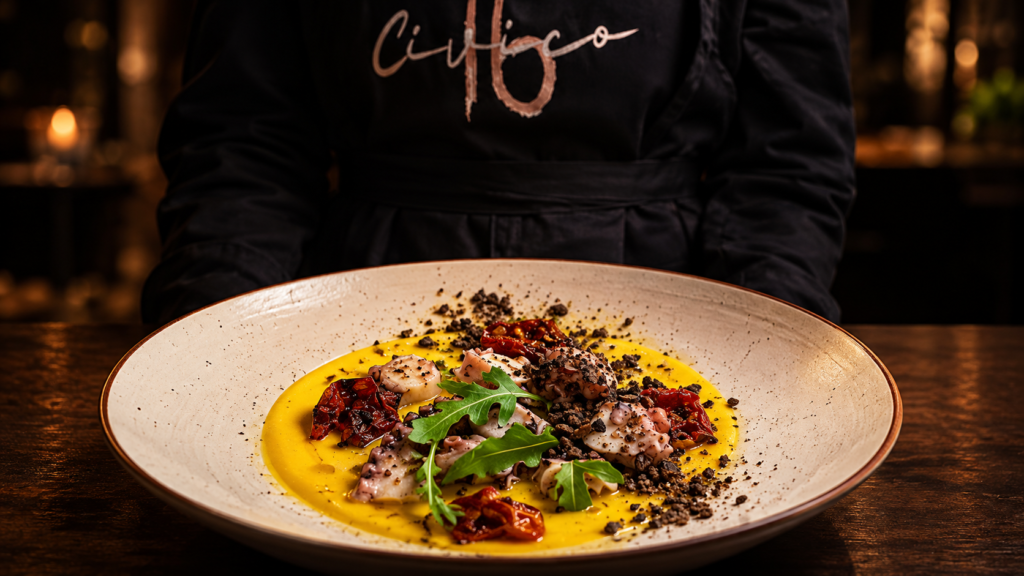
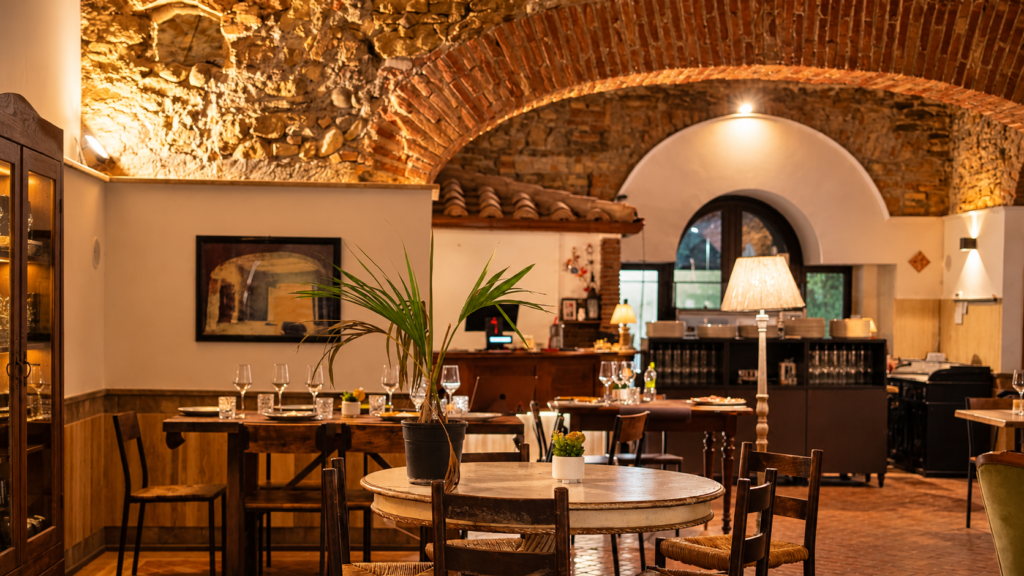
In the heart of Montelibretti, Civico Sedici is a restaurant and pizzeria that combines the charm of a rustic setting with the creativity of contemporary Italian cuisine. Featuring beautiful brick-vaulted interiors, traditional dishes with a modern twist, and both Roman-style and Neapolitan-style pizzas, it offers a dining experience focused on authentic flavors and quality ingredients. One of its highlights is the stunning panoramic terrace overlooking the Tiber Valley and Mount Soratte, especially beautiful at sunset. A welcoming place to enjoy dinner, share a delicious pizza, and discover the flavors of Sabina.
The village in figures
Moricone,between olive oil and the Lucretili Mountains
A few essential figures to understand the area: a Roman Sabina village on the slopes of the Lucretili Mountains, with an agricultural landscape shaped by olive oil, local fruit and the Tiber Valley.
Elevation
at the municipal centre
Residents
residents, recent ISTAT data
Area
of the municipal area
Highest elevation
of the municipal area
In the village and nearby
Where to stay
A useful, up-to-date selection, ordered by relevance, quality and proximity.
FAQ about Moricone
Six practical answers for planning your visit, finding your way around the village and connecting the day with other places in Sabina.
What to see in Moricone?
The main places include Castello Savelli, the Church of SS. Maria Assunta in Cielo, the Passionist Convent and Sanctuary, the Olive Oil Landscape Museum and Pozzo Fornillo, a karst cavity known for releasing vapour during the colder months.
Where is Moricone?
Moricone is in Roman Sabina, within the Metropolitan City of Rome Capital, on the north-western slopes of the Lucretili Mountains. The village overlooks the Tiber Valley and lies in an agricultural territory strongly connected with olive trees, local fruit and the Sabina landscape.
How far is Moricone from Rome?
The approximate distance from Rome is 42 km, depending on the starting point and route. Moricone can therefore form part of a short Roman Sabina itinerary, especially for visitors wishing to combine a historic village, agricultural landscapes and cultural sites.
Why is the Olive Oil Museum important?
The Olive Oil Landscape Museum explains the relationship between Moricone, olive trees and Sabina’s rural culture. Housed in the deconsecrated Chiesa Vecchia, its displays explore botanical, historic, artistic and ethnographic themes connected with olive cultivation and oil production.
What is Pozzo Fornillo?
Pozzo Fornillo is a karst cavity in the Moricone area. It is one of the village’s most unusual places because, especially in winter, small clouds of vapour may rise from the ground.
What are Moricone’s traditional flavours?
The most distinctive product is Sabina PDO extra virgin olive oil, also enjoyed on bruschetta. Moricone is also connected with crops such as cherries, peaches, grapes and olives. Snails are celebrated during local events, particularly the Sagra della Lumaca.

From this village a new itinerary begins
After the historic centre, connect your visit with another village, a local place to eat or a walking route and build a complete day in Sabina.