

Rieti Plain and Valle Santa
Morro Reatino
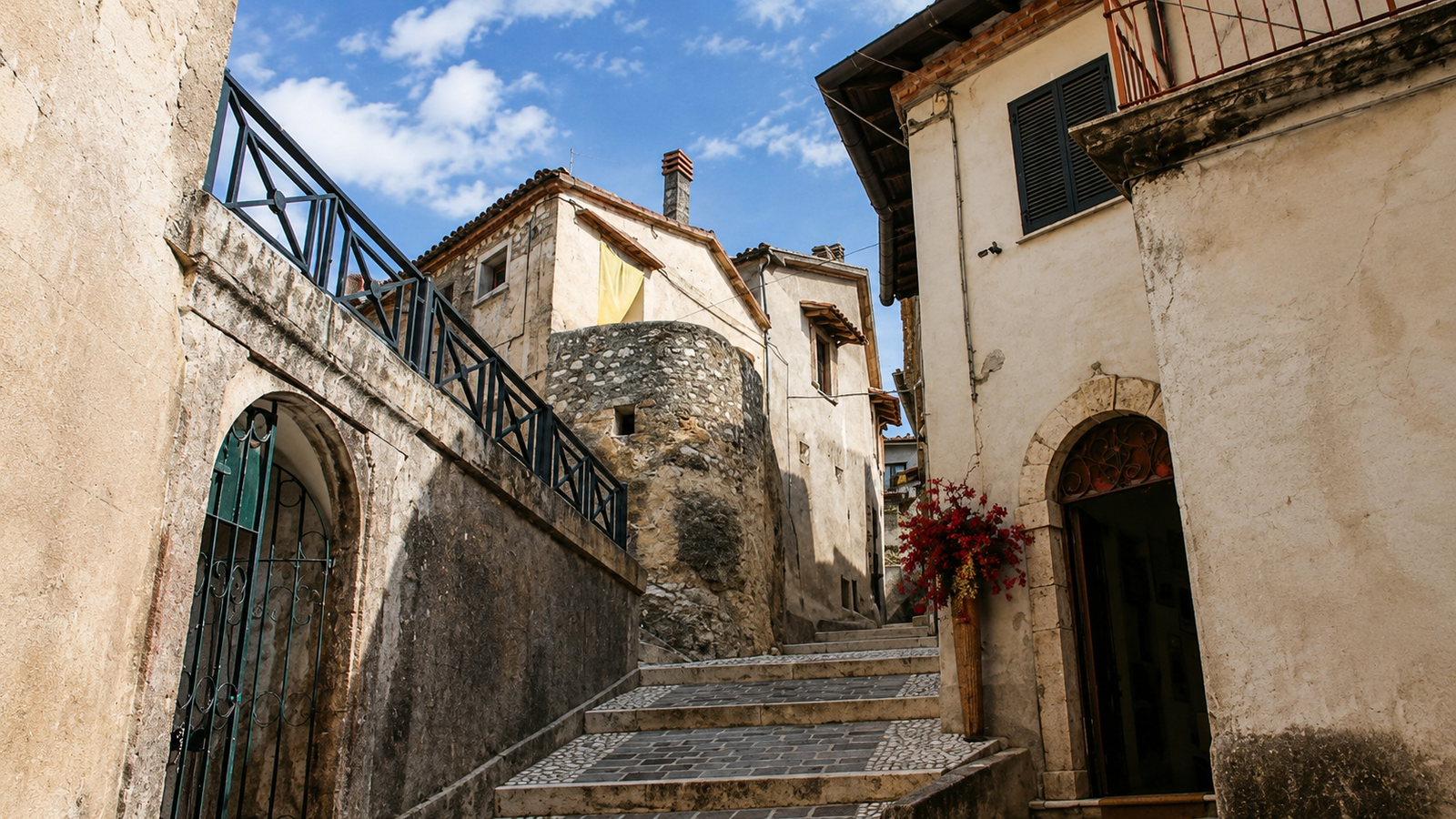
Morro Reatino is a medieval village perched on a rocky spur between the Rieti Plain and the Umbrian border. Porta Castellana, walls and towers recall its defensive past, while the woods of Coste Lignano contain the rock-hewn Hermitage of San Michele Arcangelo.
Rieti Plain and Valle Santa
Morro Reatinobetween fortress and sacred woods
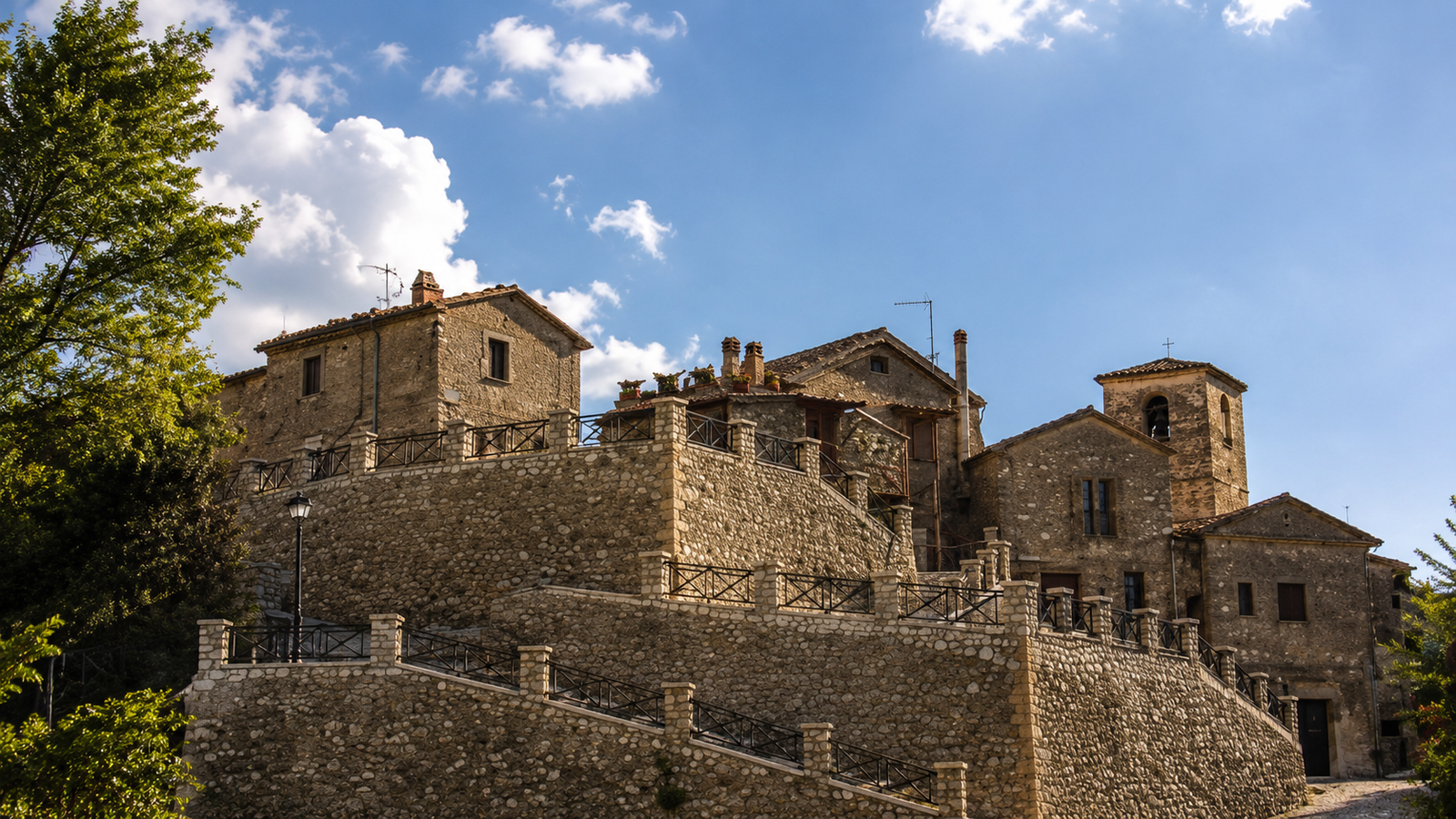
Morro Reatino stands on a rocky spur about 744 metres above sea level, with the old centre arranged around the former castle. Porta Castellana, the walls and towers still express the defensive character of this medieval village in the Rieti Plain.
The Church of San Lorenzo preserves the popular story of the Madonna Mozzapiedi, while the oak and chestnut woods of Coste Lignano contain the Hermitage of San Michele Arcangelo, a natural cave transformed into a place of worship and decorated with frescoes from the 15th and 16th centuries.
On this page you can
- Discover the medieval village, Porta Castellana, walls and towers
- Learn the legend of the Madonna Mozzapiedi and visit the Church of San Lorenzo
- Find your way between the Hermitage of San Michele, Coste Lignano and the crag
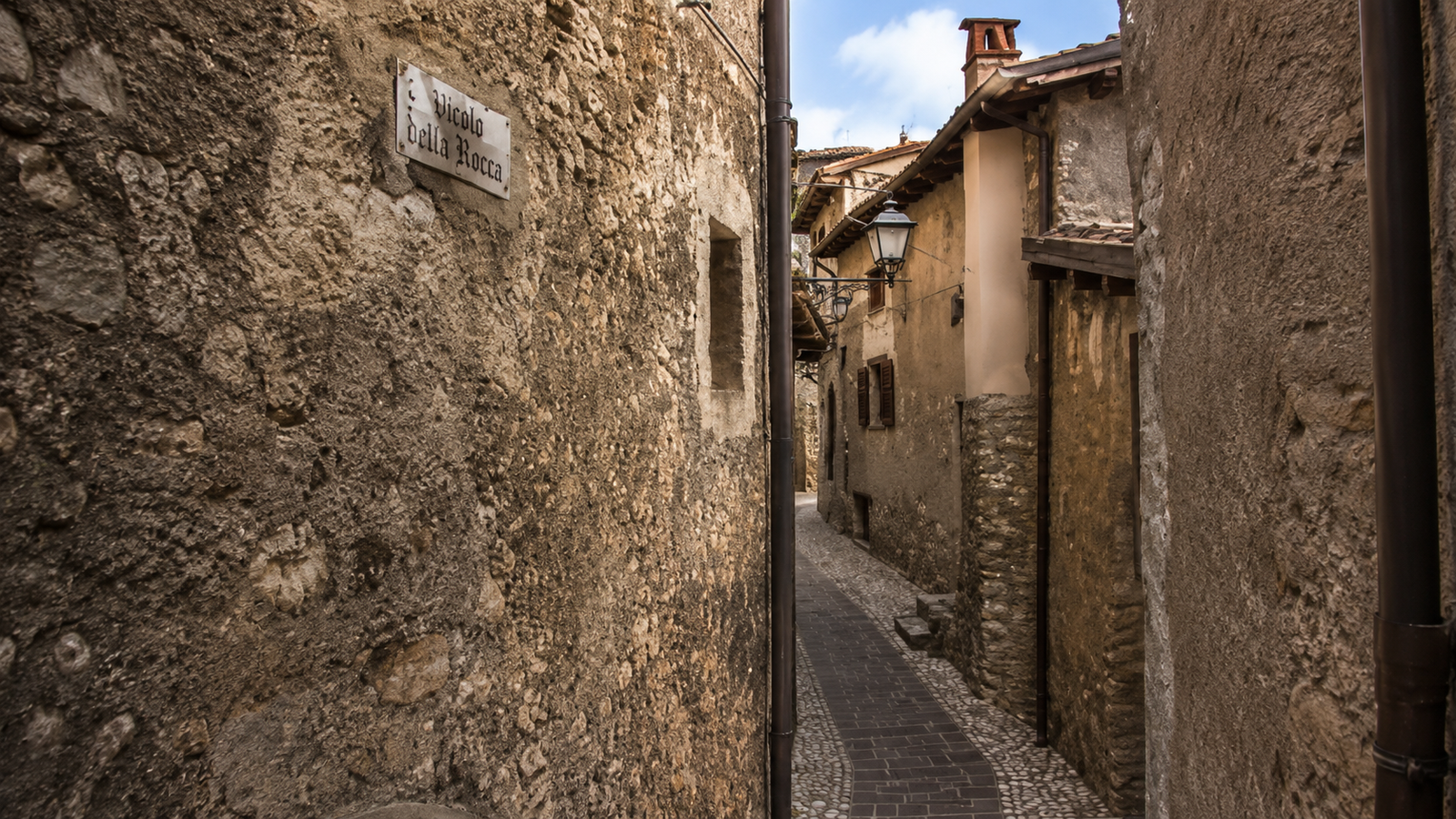

Porta Castellana
The historic entrance to the village, between walls, towers and medieval memory.
Madonna Mozzapiedi
The legend preserved in the Church of San Lorenzo expresses local devotion.
Hermitage of San Michele
A natural cave transformed into a church among oaks, chestnuts and ancient frescoes.
Coste Lignano
Woodland, paths and a natural crag complete the outdoor character of the territory.
What to see
Morro Reatinoto discover
Walls, legends and sacred woodland
Within a few kilometres Morro Reatino brings together a fortified village, places of popular devotion and a remarkably authentic mountain landscape. From the medieval centre the route continues to the story of the Madonna Mozzapiedi, the Hermitage of San Michele Arcangelo and the woods of Coste Lignano, where nature and rock take centre stage.
- Porta Castellana, walls and lanes of the medieval centre
- San Lorenzo and the tradition of the Madonna Mozzapiedi
- The Hermitage of San Michele Arcangelo set into the rock
- Woodland and natural cliffs in the Coste Lignano area
In the village and nearby
Local producers
A useful, up-to-date selection, ordered by relevance, quality and proximity.
History and identity
Morro Reatino, a stone fortressbetween walls and legends
Morro Reatino developed as a fortified village during the castle-building process that transformed the Rieti Plain around the year 1000. Its existence is documented from the 12th century: Porta Castellana, crenellated walls and round and square towers still recall the defensive purpose of the fortress.
The village’s history is also intertwined with spirituality. In the Church of San Lorenzo, the image of the Madonna Mozzapiedi recalls the legend of the miraculous protection of Morro, while in the woods of Coste Lignano the rock-hewn Hermitage of San Michele Arcangelo preserves frescoes and centuries of devotion.
- Medieval fortress
- Porta Castellana
- Madonna Mozzapiedi
In the village and nearby
Local services
A useful, up-to-date selection, ordered by relevance, quality and proximity.
Village events calendar
Events in Morro Reatino
Events, festivals and local initiatives selected for Morro Reatino.
Calendar being updated
No events published
New events will be added as soon as they become available.
Browse the full calendar→Village flavours
at the tableto discover
Madonna Mozzapiedi
Rock hermitage
Three flavours express the mountain table of Morro Reatino: Pappardelle alla Garibaldina, served with a rosé sauce and peas, Pizzola, fried bread dough eaten sweet or savoury, and lamb with black olives, slowly cooked with aromatic herbs.
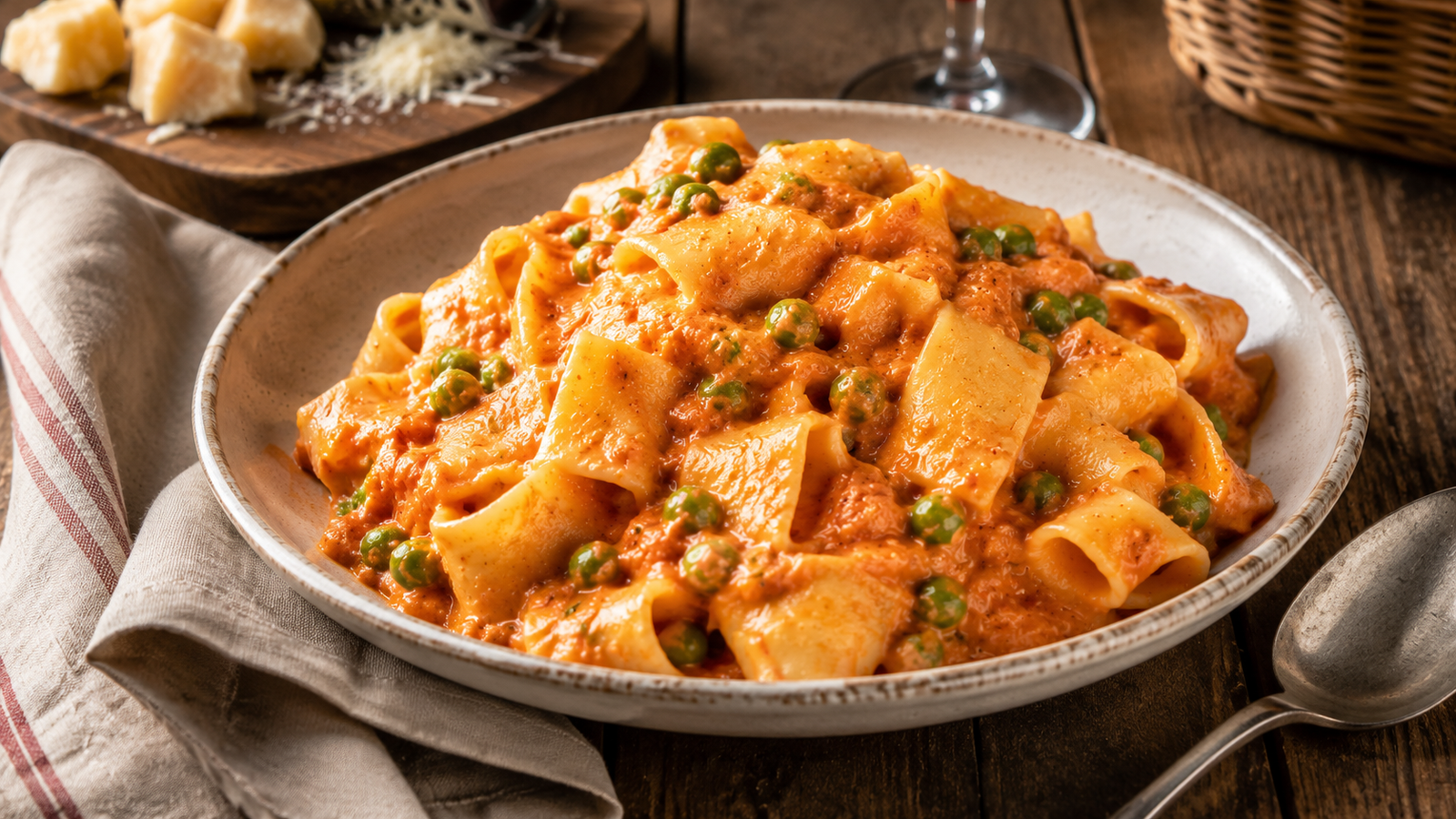
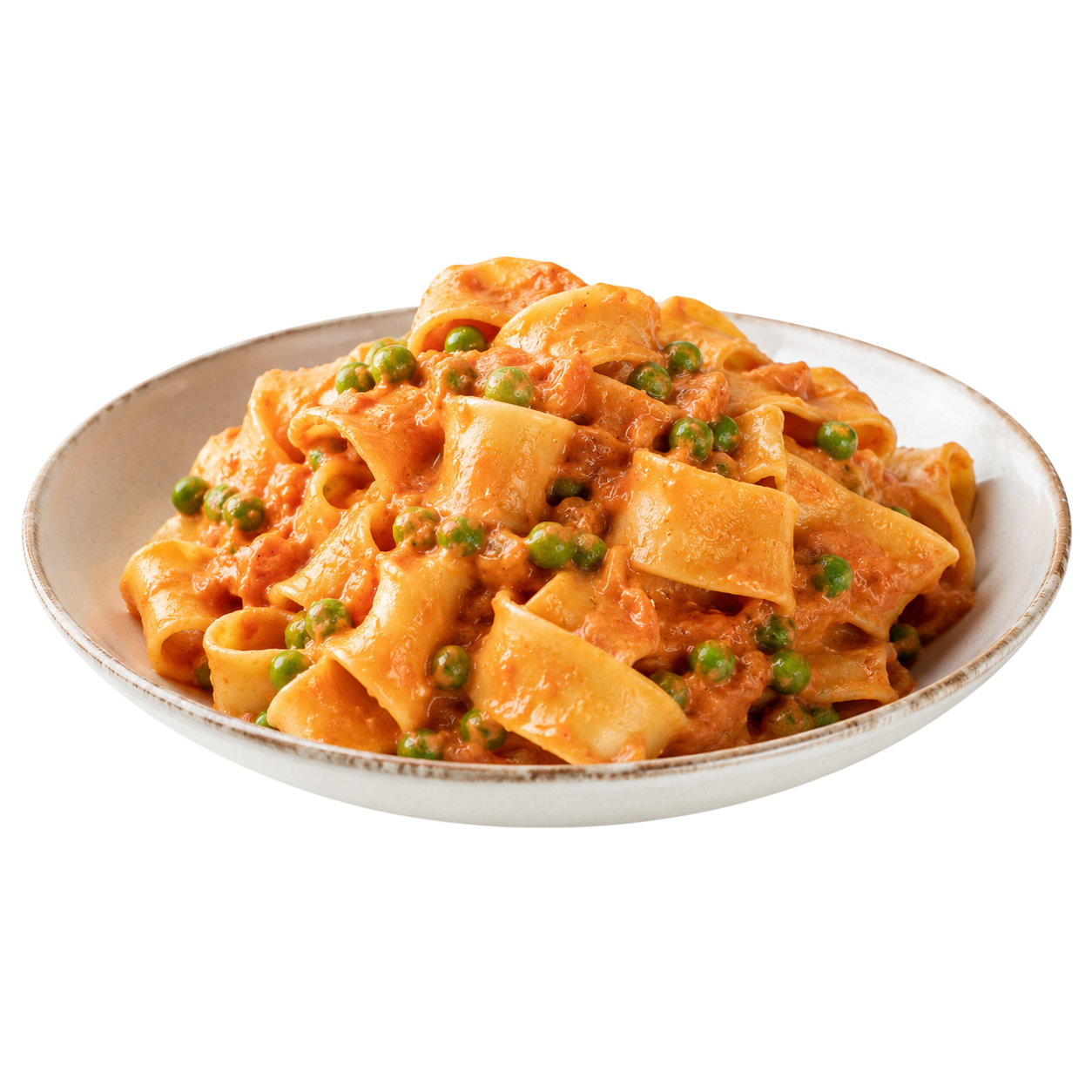 First coursePappardelleRosé sauce and peas for the most characteristic first course on the Morro table.
 TraditionPizzolaFried bread dough, golden and fragrant, served either sweet or savoury.
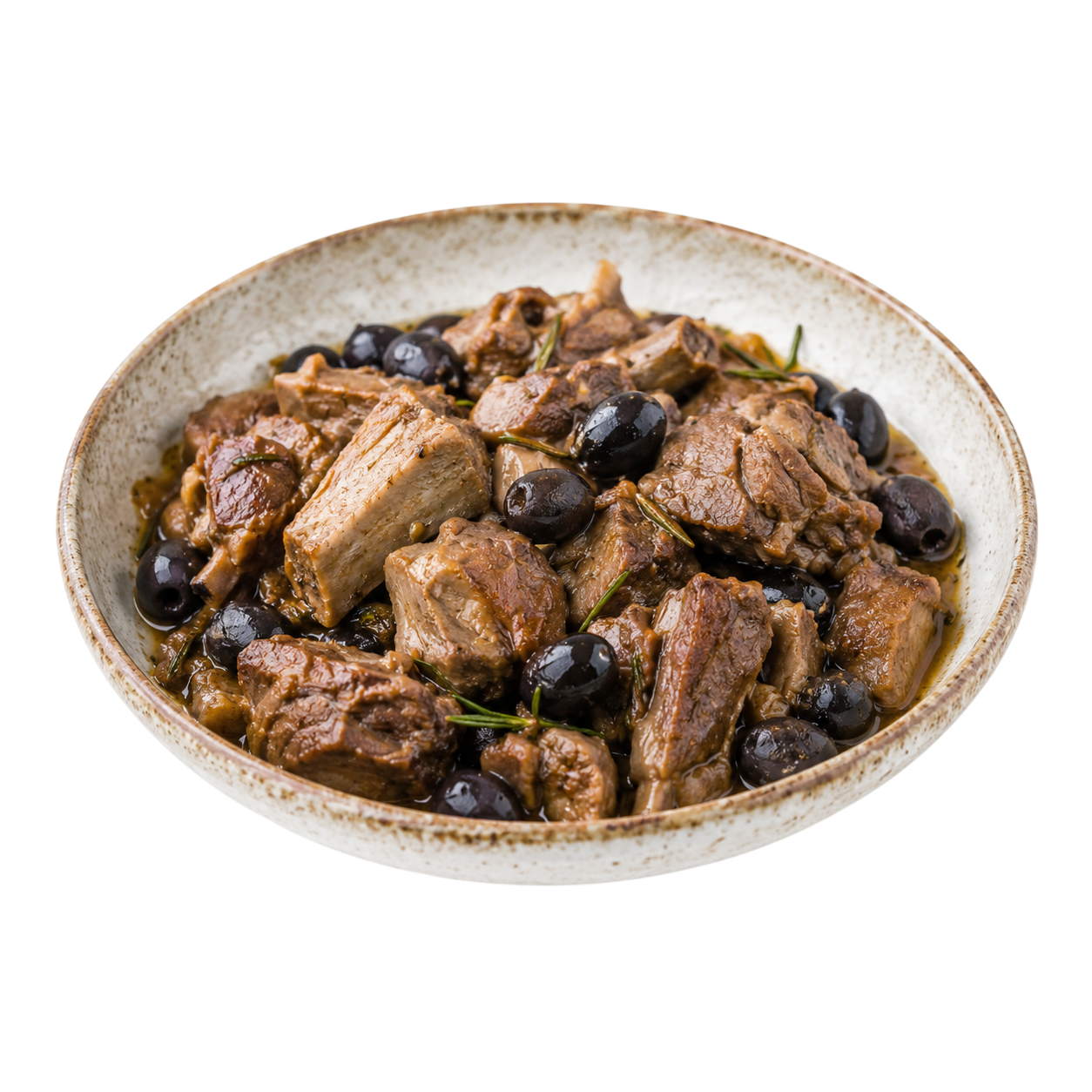 Main courseAgnello alle oliveSlow-cooked lamb with black olives and traditional aromatic herbs.
Flavours of Morro Reatino
Ingredients
Method
In the village and nearby
Where to eat
A useful, up-to-date selection, ordered by relevance, quality and proximity.
The village in figures
Morro Reatino,between fortress and woodland
A few essential figures for understanding the area: elevation, population, municipal area and approximate distance from Rieti.
Elevation
above sea level
Residents
within the municipality
Area
of the municipal area
From Rieti
approximate driving time
In the village and nearby
Where to stay
A useful, up-to-date selection, ordered by relevance, quality and proximity.
FAQ about Morro Reatino
Six practical answers for planning your visit, finding your way around the village and connecting the day with other places in Sabina.
What should I see in Morro Reatino?
Main sights are the medieval village with Porta Castellana, walls and towers, the Church of San Lorenzo with the painting associated with the Madonna Mozzapiedi, the Church of Madonna della Torricella, the Hermitage of San Michele Arcangelo and the Coste Lignano crag.
Where is Morro Reatino?
Morro Reatino is in the province of Rieti, in the northern part of the Rieti Plain and Valle Santa, close to the border with Umbria. The historic centre stands on a rocky spur about 744 metres above sea level.
How do I get to Morro Reatino?
The easiest way is by car. From Rieti the journey is about 20 kilometres and usually takes around half an hour along local roads. Once there, the historic centre is best explored on foot.
Why visit Morro Reatino?
Morro Reatino combines a fortified village, a strong religious identity and a very green natural environment within a few kilometres. It suits visitors looking for medieval lanes, popular stories, woodland, walking routes and rock-hewn sites away from crowded tourist circuits.
What is the legend of the Madonna Mozzapiedi?
Tradition says that in the 15th century the Madonna saved the village from soldiers attempting to attack the keep at night by causing them to fall from the hill. In 1480 the women of Morro commemorated the event by commissioning the image preserved in the Church of San Lorenzo.
What can I do in the Coste Lignano woods?
Coste Lignano is the natural heart of the territory. Here you can reach the Hermitage of San Michele Arcangelo among oaks and chestnuts and discover the natural crag equipped for climbing. It is ideal for combining cultural exploration, a woodland walk and outdoor activity.

From this village a new itinerary begins
After the historic centre, connect your visit with another village, a local place to eat or a walking route and build a complete day in Sabina.