


Navegna and Cervia Nature Reserve
Nespolo
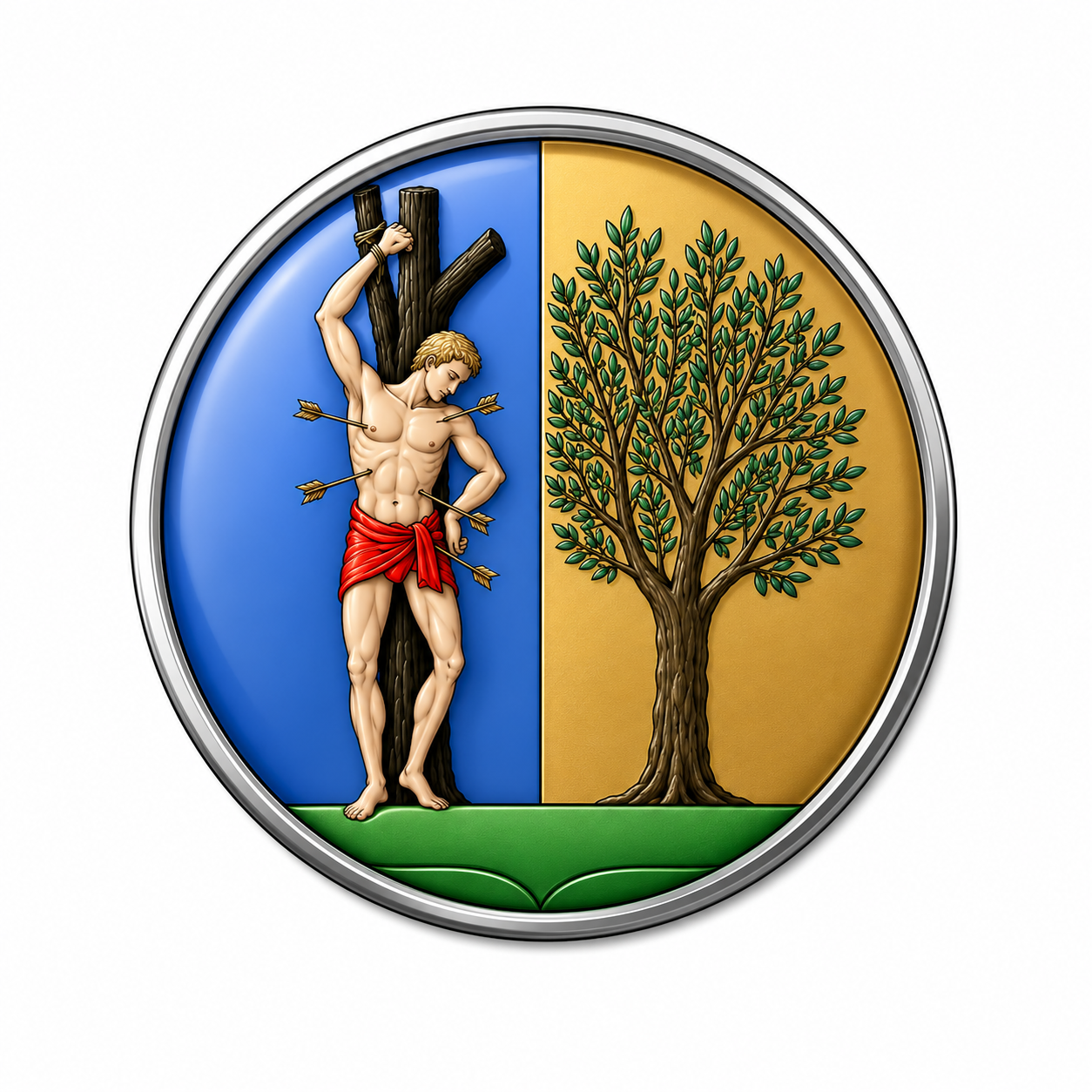
Nespolo is a small mountain village in the province of Rieti, standing more than eight hundred metres above sea level among the mountains of the Rieti area and the greenery of the Monte Navegna and Monte Cervia Nature Reserve. Formed around the thirteenth century from scattered settlements, it retains a compact centre, oak woodland and the Church of San Sebastiano, built between the thirteenth and fourteenth centuries and dedicated to the village patron.
Abruzzo border
Nespolohilltop village
Nespolo is a small mountain village in the province of Rieti, set more than eight hundred metres above sea level among the mountains of the Rieti area and the Monte Navegna and Monte Cervia Nature Reserve. It occupies a secluded position on the Abruzzo border, among oak woodland, nature trails and highland scenery.
The village dates to around the thirteenth century, when several scattered settlements joined on the summit of a hill. Its main landmarks include the Church of San Sebastiano, patron saint of Nespolo, the remains of the medieval fortress and Big Bench 365, a viewpoint opened in 2024 overlooking the reserve’s mountain chain.
On this page you can
- Explore Nespolo’s historic centre, the Church of San Sebastiano and its medieval heritage
- Discover the Monte Navegna and Monte Cervia Reserve among woodland, trails and highland views
- Find your way among Big Bench 365, the medieval fortress, local traditions and regional food

Nature reserve
The village lies within the Monte Navegna and Monte Cervia Nature Reserve.
San Sebastiano
The patron saint’s church preserves a baptismal font and a sixteenth-century painting.
Medieval fortress
The area preserves the remains of the fortress and the memory of the earlier settlement.
Big Bench 365
The giant panoramic bench overlooks the Navegna and Cervia mountain chain.
What to see
Nespoloto discover
Churches, watermill and views in the reserve
Nespolo is a mountain village surrounded by the Monte Navegna and Monte Cervia Nature Reserve. A visit brings together the historic centre, the Church of San Sebastiano built between the thirteenth and fourteenth centuries, the old Mola di Nespolo watermill, small religious sites such as Sant’Antonio and the highland views of Monte Piano. Big Bench 365, opened in 2024, adds one of the area’s most recognisable viewpoints.
- Church of San Sebastiano, landmark of the village and its patron saint
- Mola di Nespolo, a restored historic watermill among the vegetation
- Big Bench 365, viewpoint over the Navegna and Cervia mountain chain
- Monte Piano, a natural area for walks, picnics and trails in the reserve
- Church of Sant’Antonio and the village’s smaller religious sites
In the village and nearby
Local producers
A useful, up-to-date selection, ordered by relevance, quality and proximity.

History and identity
Nespolo,between fortresses and mountains
Nespolo is a mountain village in the province of Rieti, formed around the thirteenth century when small scattered settlements joined on a hilltop. Its history is tied to its elevated position, control of the surrounding land and the life of mountain communities, in a landscape now protected by the Monte Navegna and Monte Cervia Nature Reserve.
In the village, medieval memory is intertwined with popular devotion. The Church of San Sebastiano, patron saint of Nespolo, was built between the thirteenth and fourteenth centuries and restored in 1521. Around the settlement, traces of the medieval fortress, smaller religious sites and paths to Monte Piano reveal Nespolo’s greener highland character.
- Medieval village
- San Sebastiano
- Navegna and Cervia Nature Reserve
In the village and nearby
Local services
A useful, up-to-date selection, ordered by relevance, quality and proximity.
Village events calendar
Events in Nespolo
Events, festivals and local initiatives selected for Nespolo.
Calendar being updated
No events published
New events will be added as soon as they become available.
Browse the full calendar→Village flavours
at the tablefood traditions to discover
Food in Nespolo speaks the language of Alta Sabina: handmade pasta, pulses, homemade preserves and celebration sweets. Alongside cecamariti, local traditions include gnocchetti with beans, sagne strappate, green tomato jam and Serpentone, a traditional Christmas sweet.
Cecamariti
In Nespolo, cecamariti continue the rustic pasta tradition of Alta Sabina: a simple, substantial handmade shape associated with village cooking and sauces of tomato, garlic and chilli.
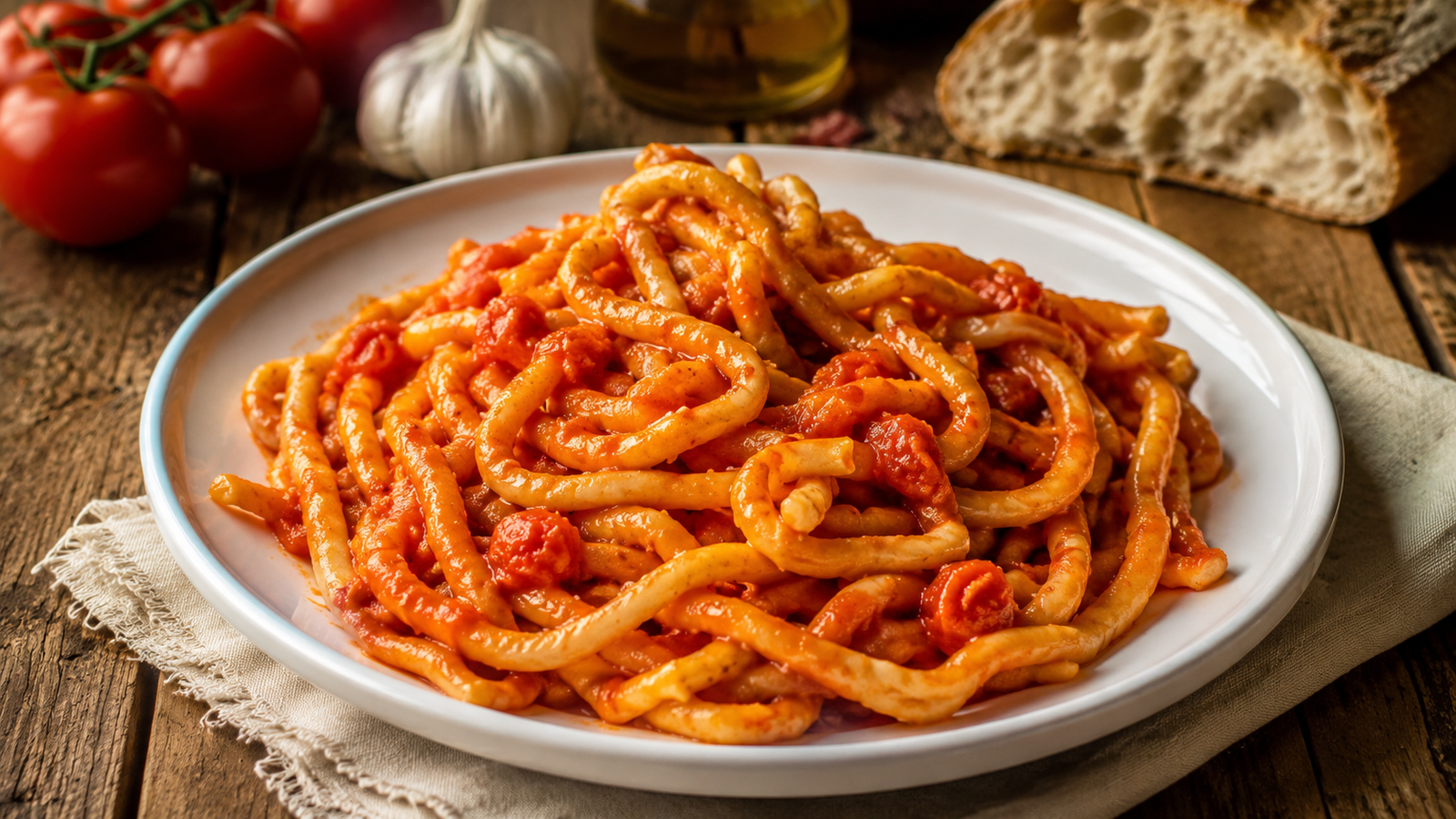
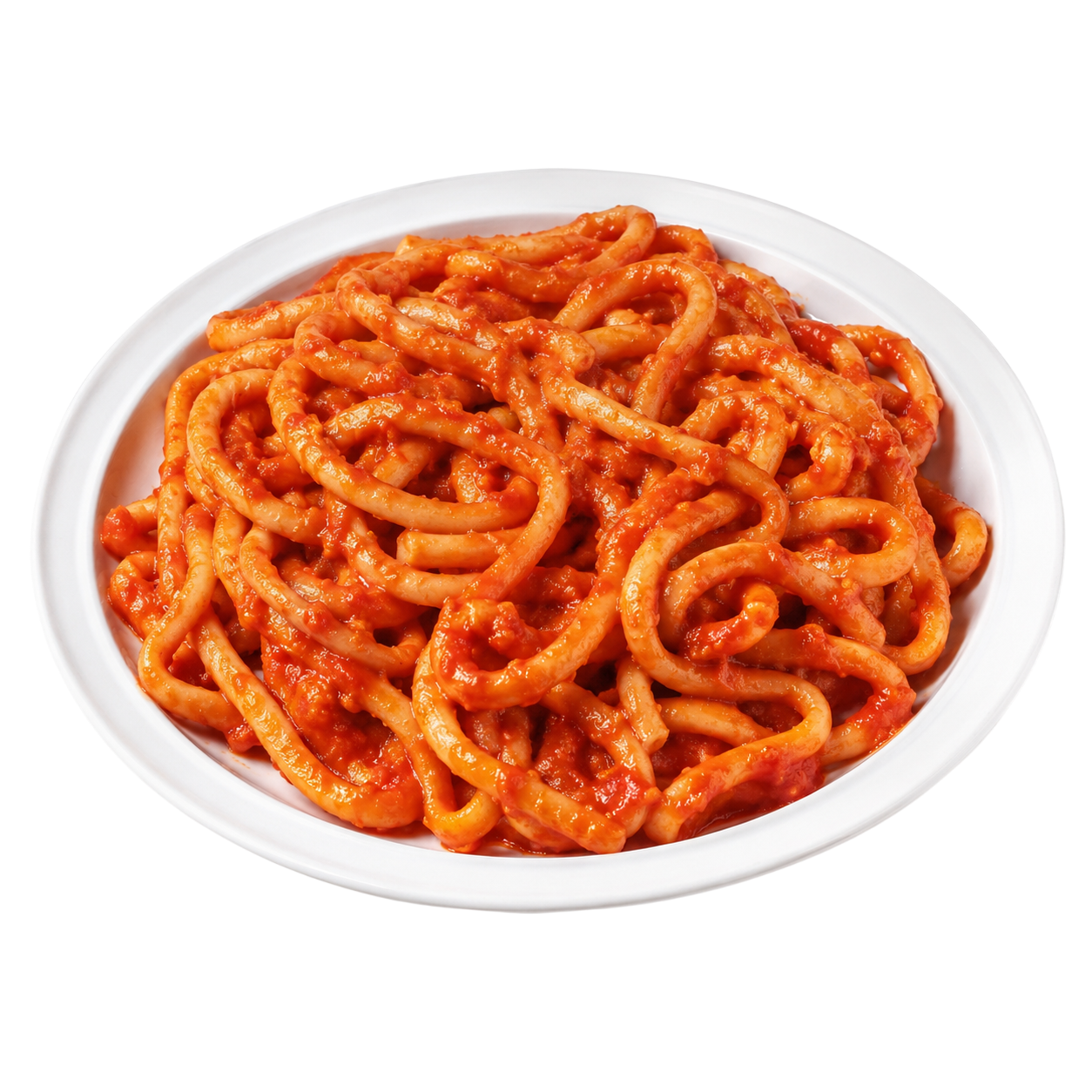 First courseCecamaritiTraditional handmade Sabina pasta with a simple, full-flavoured sauce.
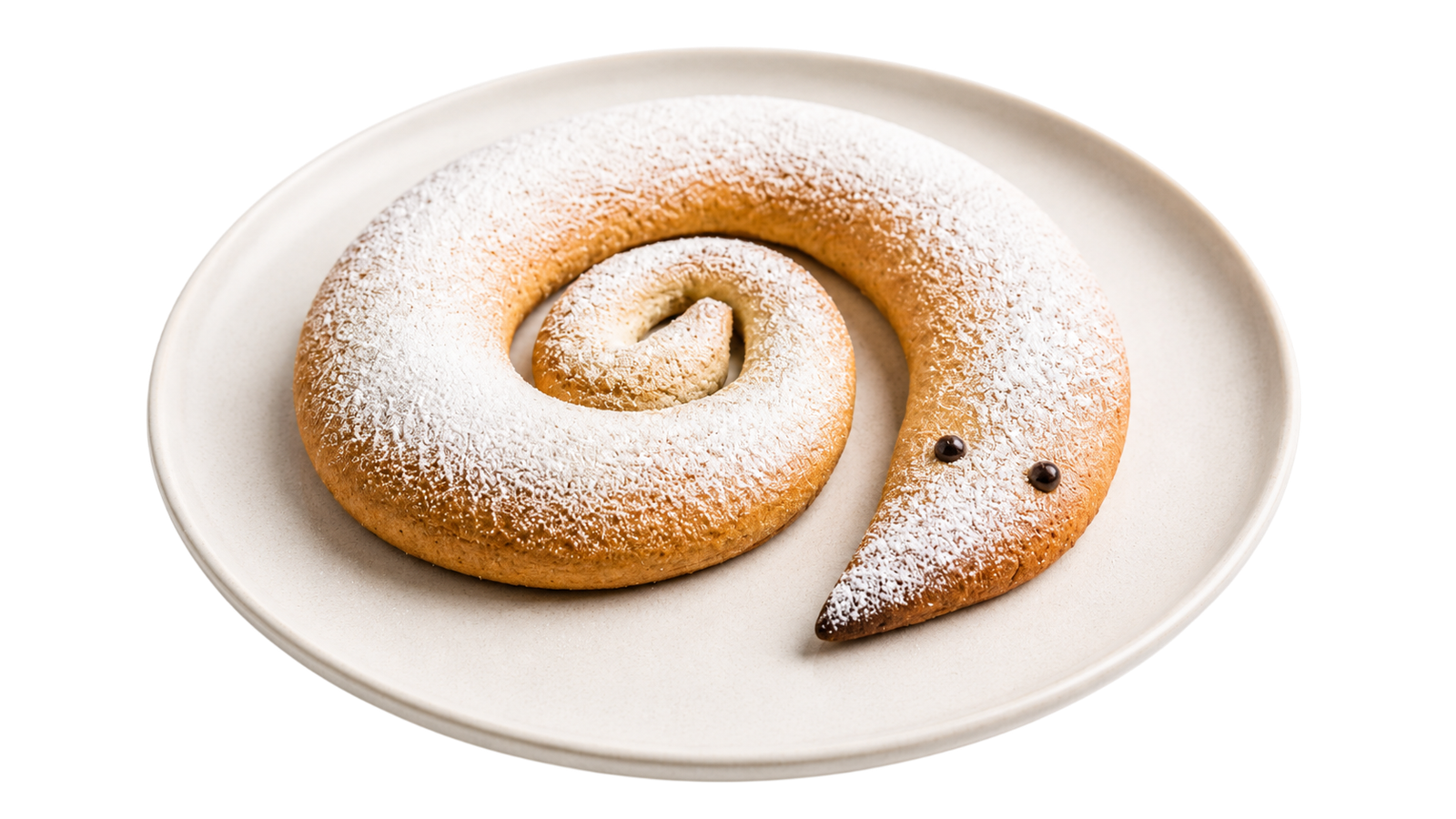 SweetSerpentoneA traditional celebration sweet with a distinctive spiral shape.
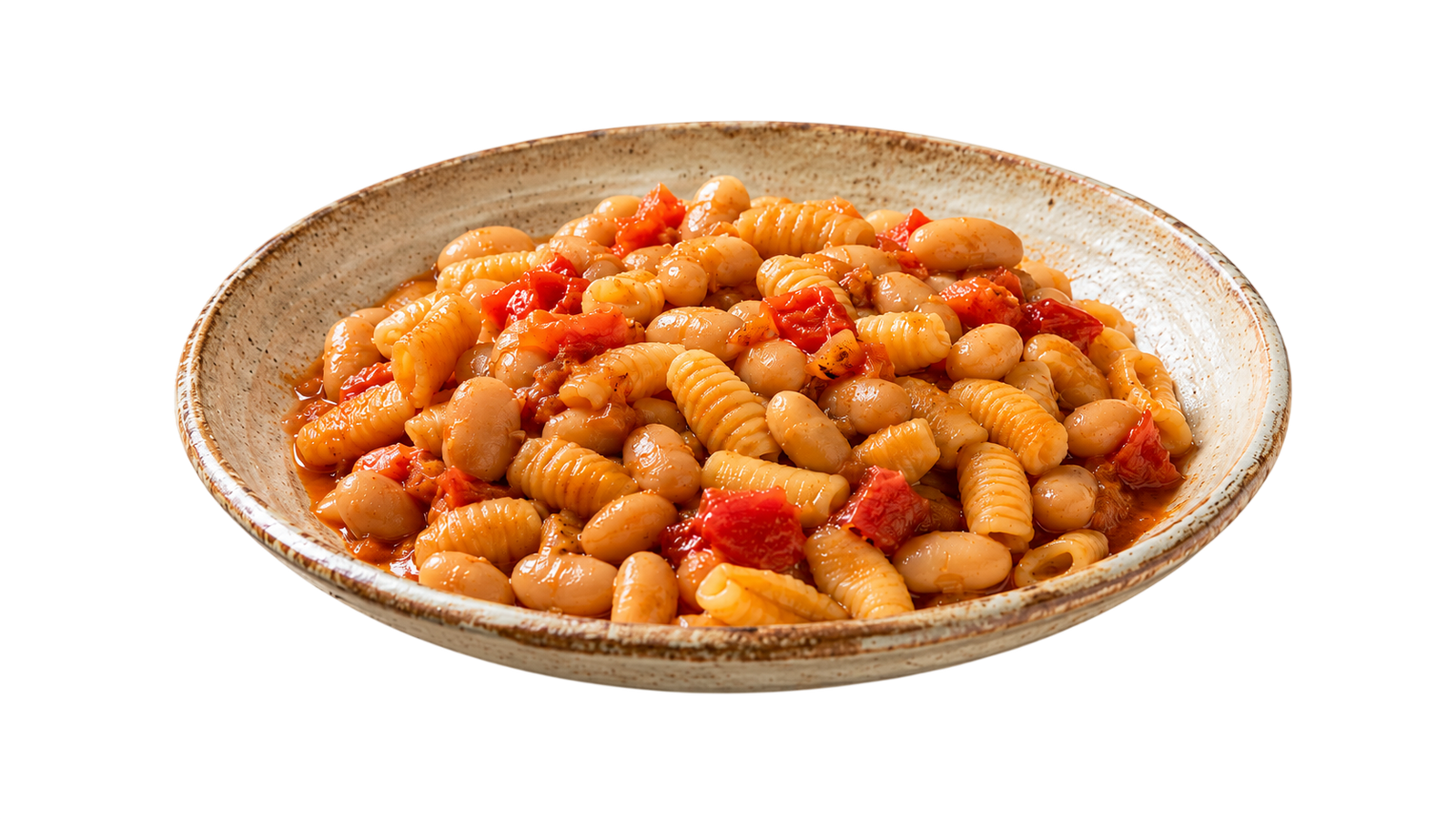 First courseGnocchetti with beansA warming rustic dish of pasta and pulses, deeply rooted in the area.
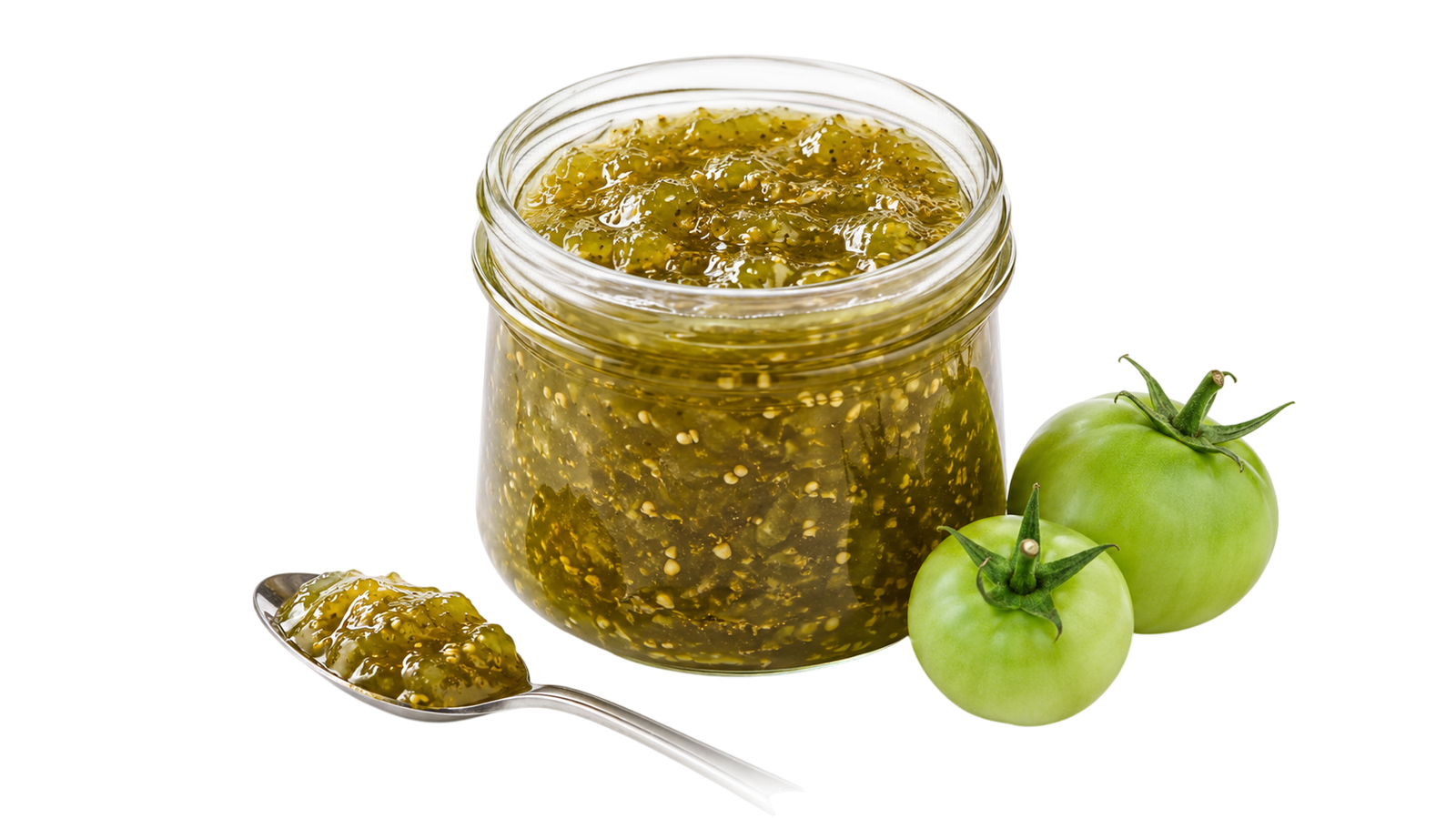 PreserveGreen tomato jamAn unusual homemade preserve connected with kitchen gardens and the seasons.
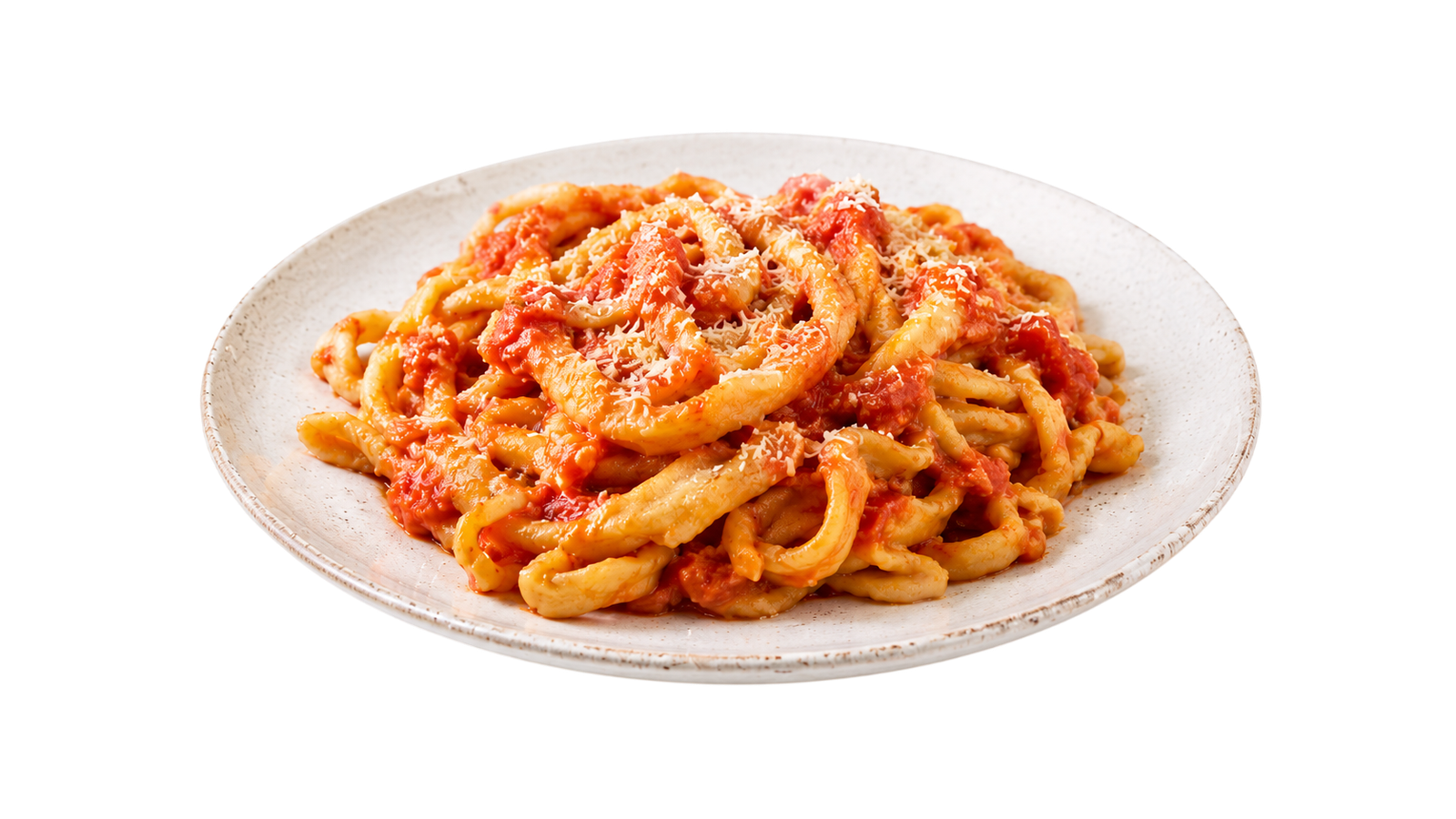 First courseSagne strappateRustic handmade village pasta dressed with simple, genuine sauces.
Flavours of Nespolo
Ingredients
Method
In the village and nearby
Where to eat
A useful, up-to-date selection, ordered by relevance, quality and proximity.
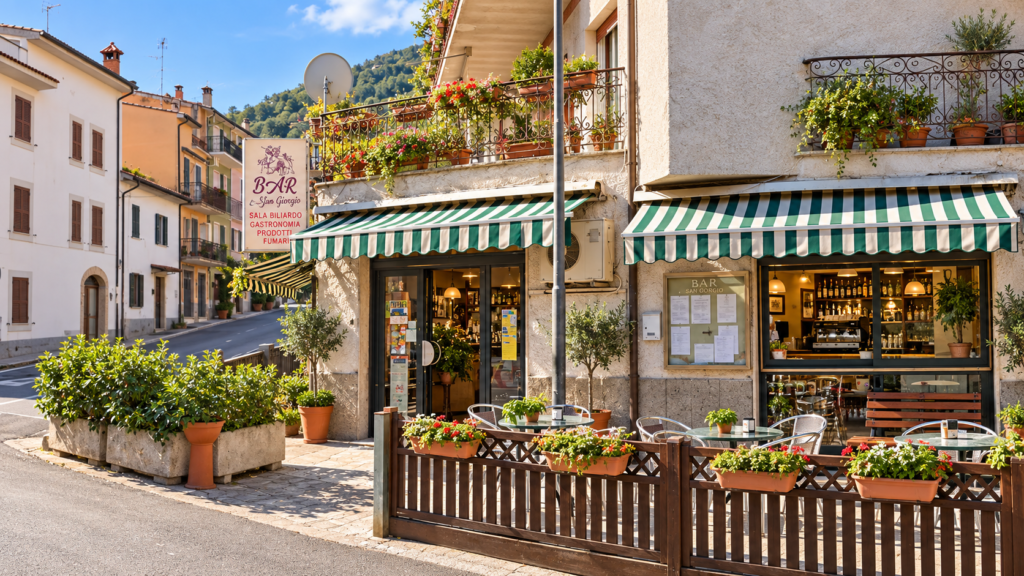
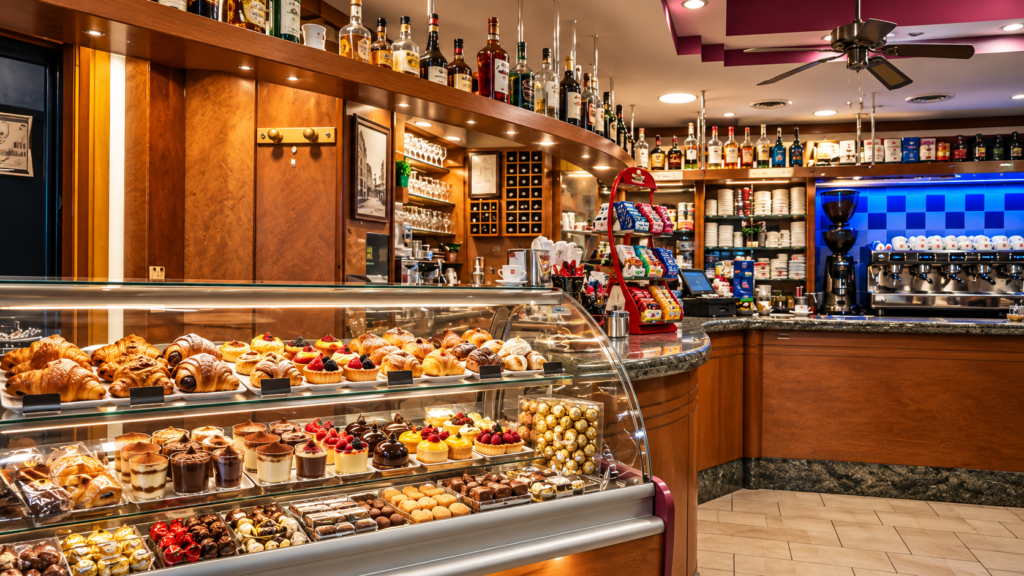
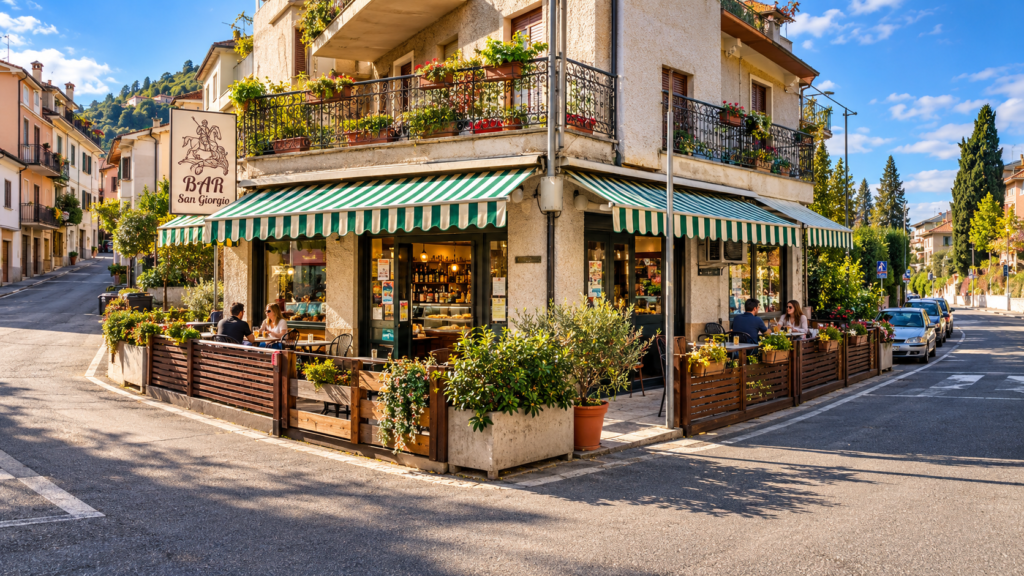
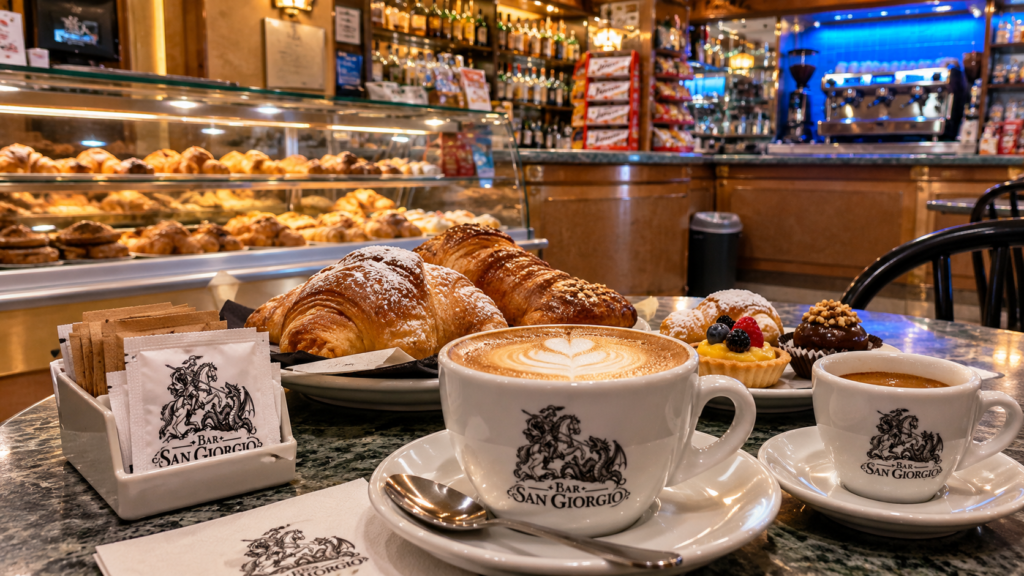

Nerola · 23,4 km
Bar San Giorgio
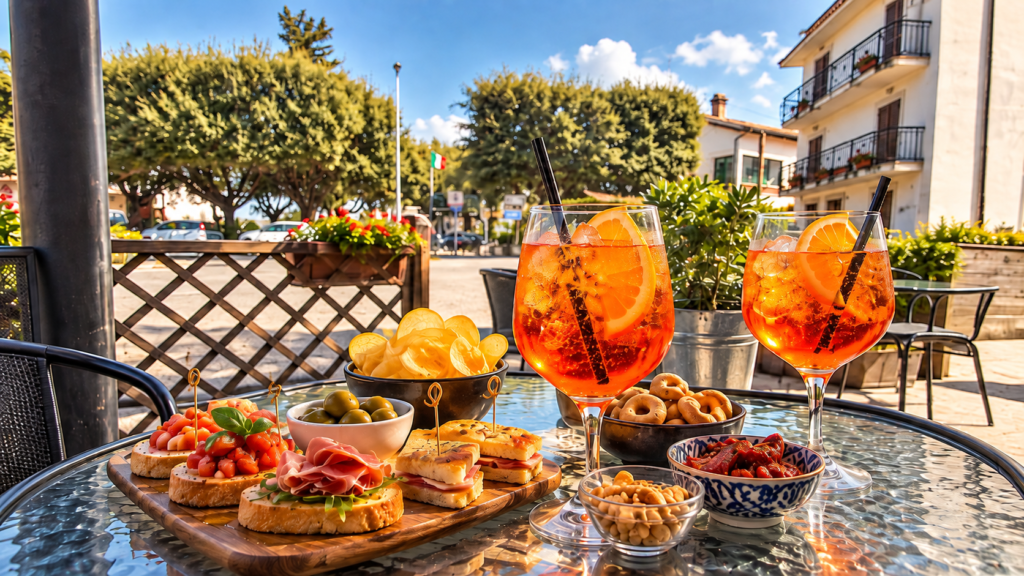
Bar San Giorgio è uno storico punto di ritrovo nel cuore di Nerola, a pochi passi dalla strada che conduce al castello. Un locale accogliente dove iniziare la giornata con una bella colazione, un caffè, cappuccino e cornetti, concedersi una pausa durante la visita al borgo oppure fermarsi per un aperitivo accompagnato da stuzzichini. Il bar offre anche servizio di rivendita tabacchi e dispone di tavoli all’aperto, in un’atmosfera informale e conviviale ideale per incontrarsi, rilassarsi e vivere un momento della quotidianità del paese.
The village in figures
Nespolo,hilltop village
A few essential figures for understanding the area: elevation, population, municipal area and approximate straight-line distance from Rieti.
Elevation
at the municipal centre
Residents
within the municipality
Area
of the municipal area
From Rieti
approximate distance from the provincial capital
In the village and nearby
Where to stay
A useful, up-to-date selection, ordered by relevance, quality and proximity.
FAQs about Nespolo
Six practical answers for planning your visit, finding your way around the village and connecting the day with other places in Sabina.
What should I see in Nespolo?
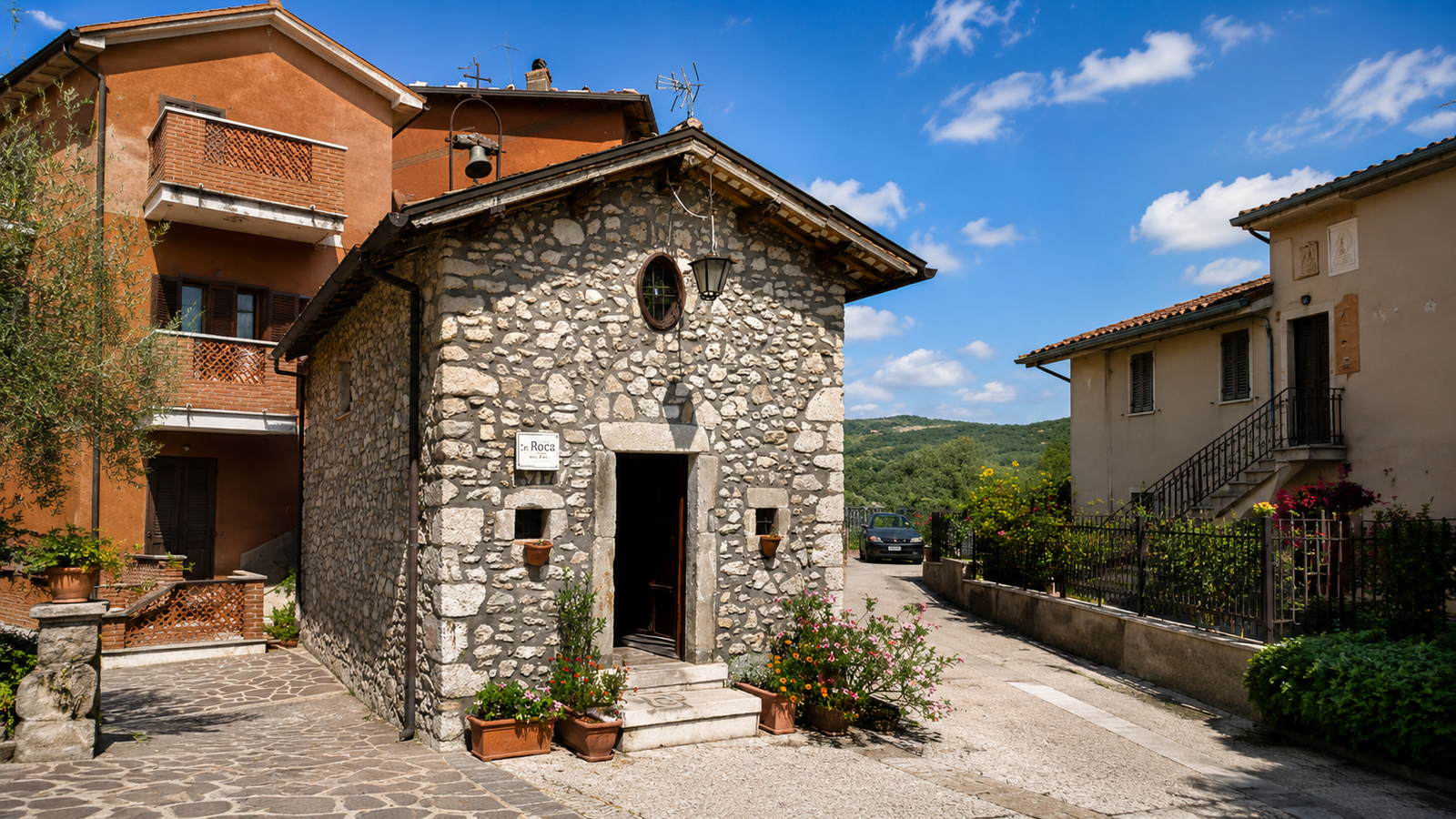
In Nespolo, visit the Church of San Sebastiano, dedicated to the village patron, the restored Mola di Nespolo watermill, Big Bench 365, Monte Piano and the Church of Sant’Antonio. The village also preserves traces of its medieval fortress and smaller religious sites such as the stone chapel dedicated to San Rocco.
Where is Nespolo?
Nespolo is in the province of Rieti, in mountainous Sabina on the Abruzzo border. It stands more than 800 metres above sea level within the Monte Navegna and Monte Cervia Nature Reserve, among woodland, peaks, trails and highland scenery.
How do I get to Nespolo?
The most practical way to reach Nespolo is by car along the inland roads of the province of Rieti towards the mountains on the Abruzzo border. Once there, the centre and Church of San Sebastiano are easily explored on foot. Follow local signs uphill for Monte Piano and Big Bench 365.
Why visit Nespolo?
Nespolo is ideal for travellers seeking a small, authentic village shaped by mountain life. A visit combines medieval history, popular devotion and nature, from the Church of San Sebastiano and the old watermill to the trails of the Monte Navegna and Monte Cervia Reserve and Big Bench 365, one of the area’s most recognisable viewpoints.
Which foods are associated with Nespolo?
Nespolo’s food belongs to the cooking of Alta Sabina: cecamariti with garlic, olive oil and chilli or local truffle, gnocchetti with beans, sagne strappate, green tomato jam and Christmas Serpentone. These simple dishes are based on handmade pasta, pulses, homemade preserves and festive traditions.
What can I do around Nespolo?
Around Nespolo you can explore the trails of the Monte Navegna and Monte Cervia Nature Reserve, reach Monte Piano, stop at Big Bench 365 and visit nearby villages in the Turano and Alta Sabina areas, including Collalto Sabino, Collegiove, Paganico Sabino, Ascrea and Castel di Tora.

From this village a new itinerary begins
After the historic centre, connect your visit with another village, a local place to eat or a walking route and build a complete day in Sabina.