
Rieti Plain and Valle Santa
Rieti
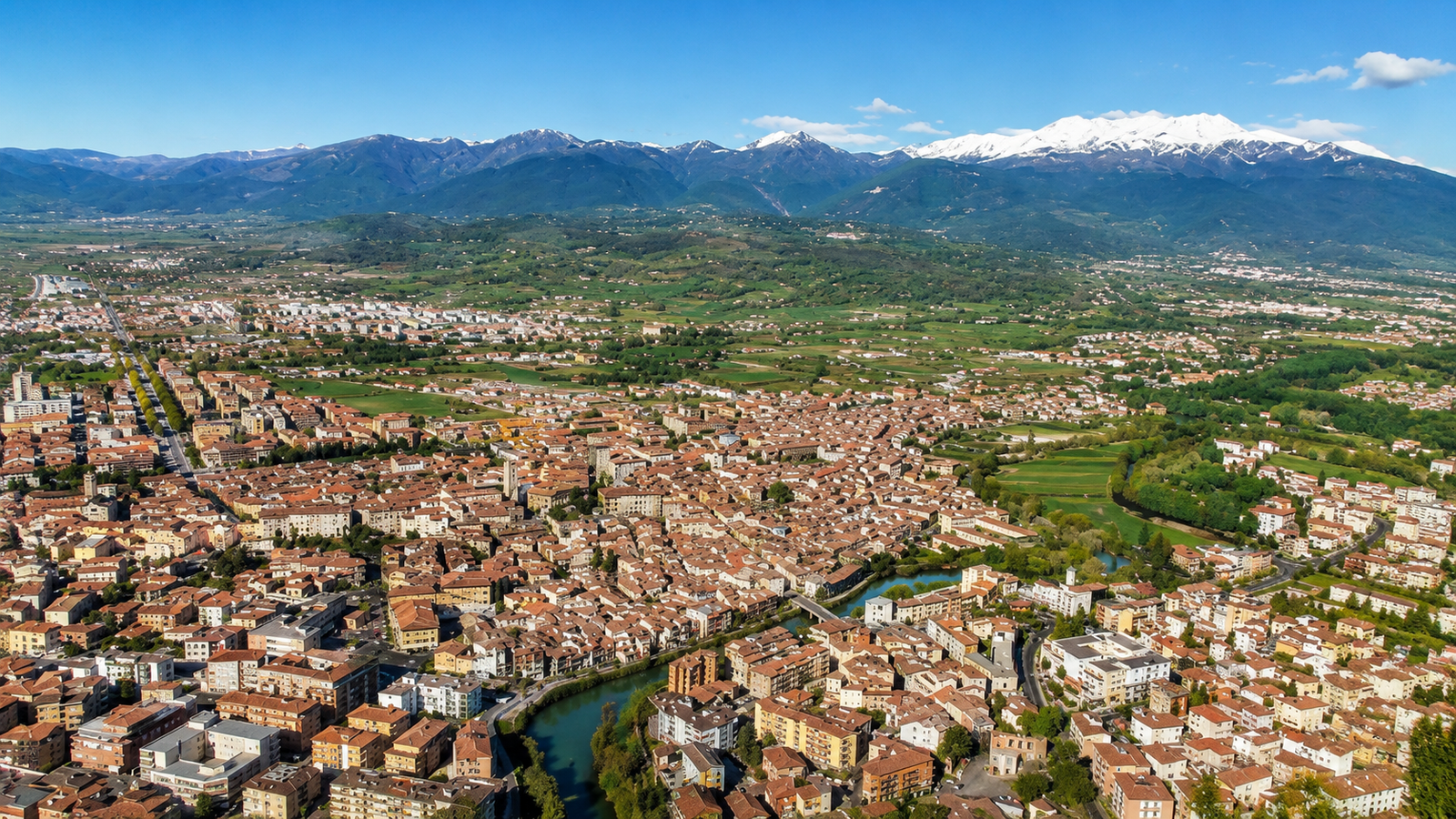
Rieti rises in the plain crossed by the Velino, at the geographical and symbolic heart of Italy. Beneath the centre, ancient Reate preserves the viaduct of the Via Salaria, while squares, medieval walls and papal buildings connect the city with Terminillo and Valle Santa.
Rieti Plain and Valle Santa
Rietiin the heart of Italy
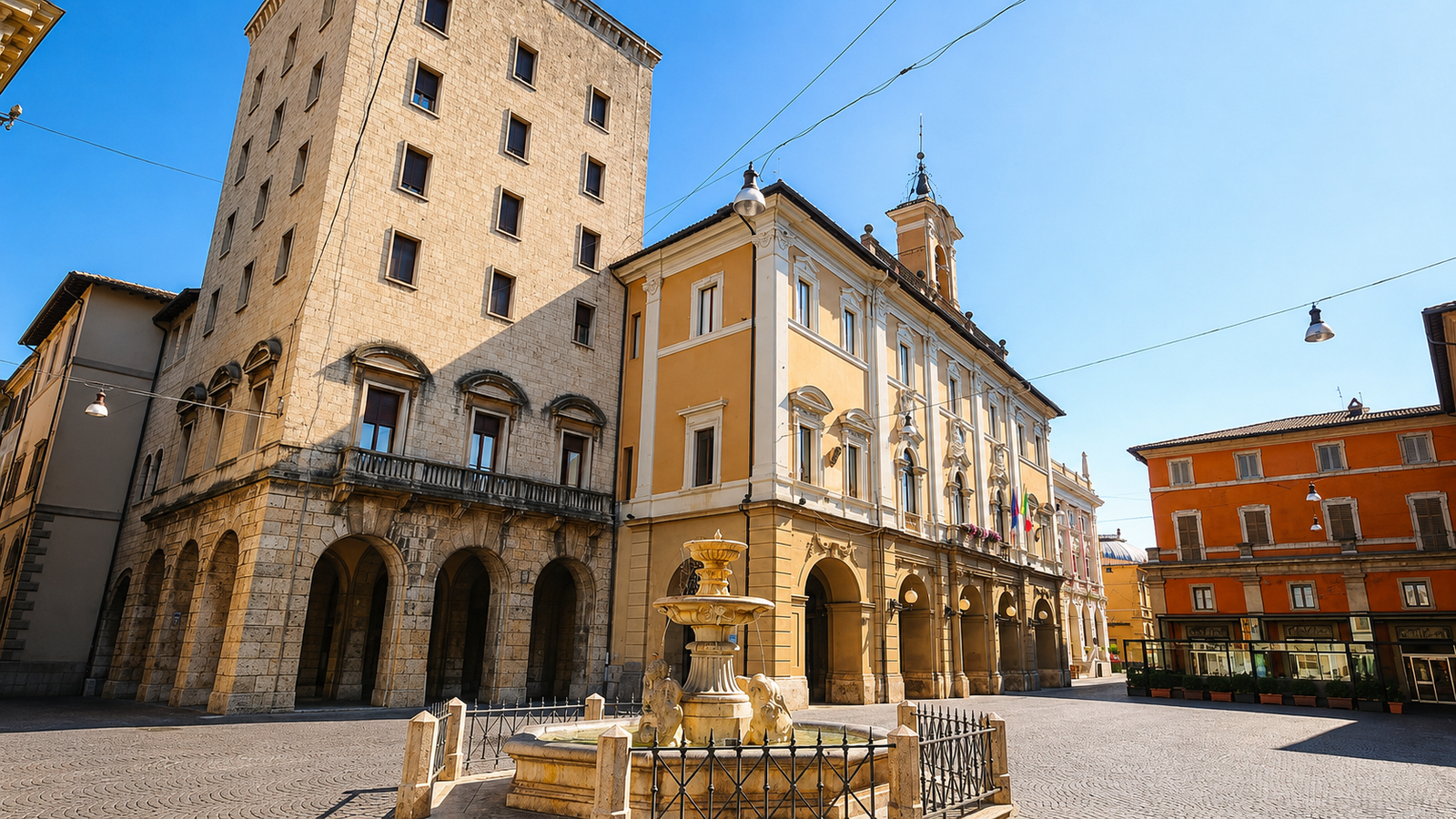
Rieti spreads across the plain crossed by the River Velino, 405 metres above sea level, in the heart of Sabina. The historic centre, enclosed by medieval walls, squares and palaces, contains the Umbilicus Italiae, symbol of the tradition that identifies the city as the geographical centre of Italy.
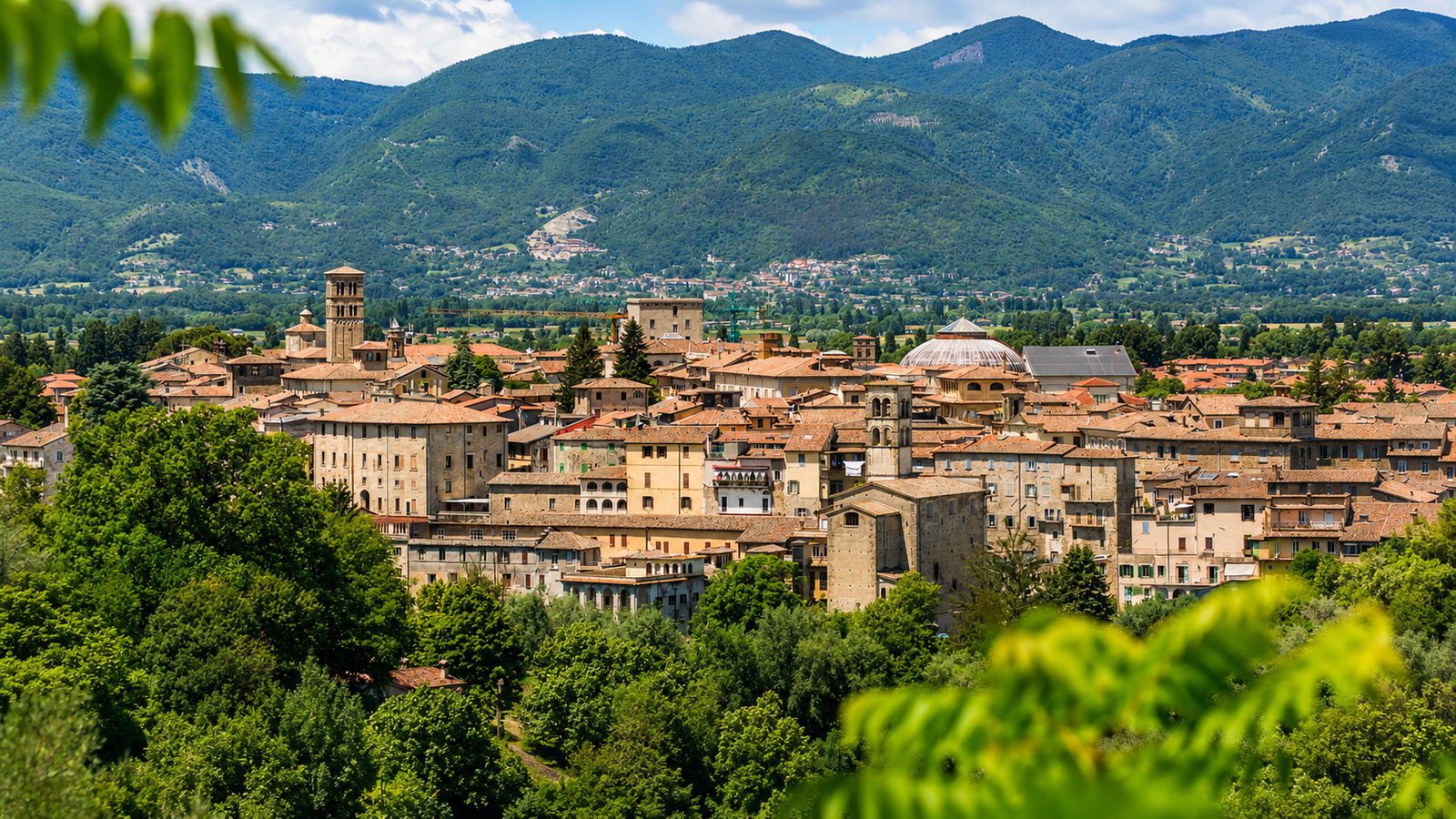
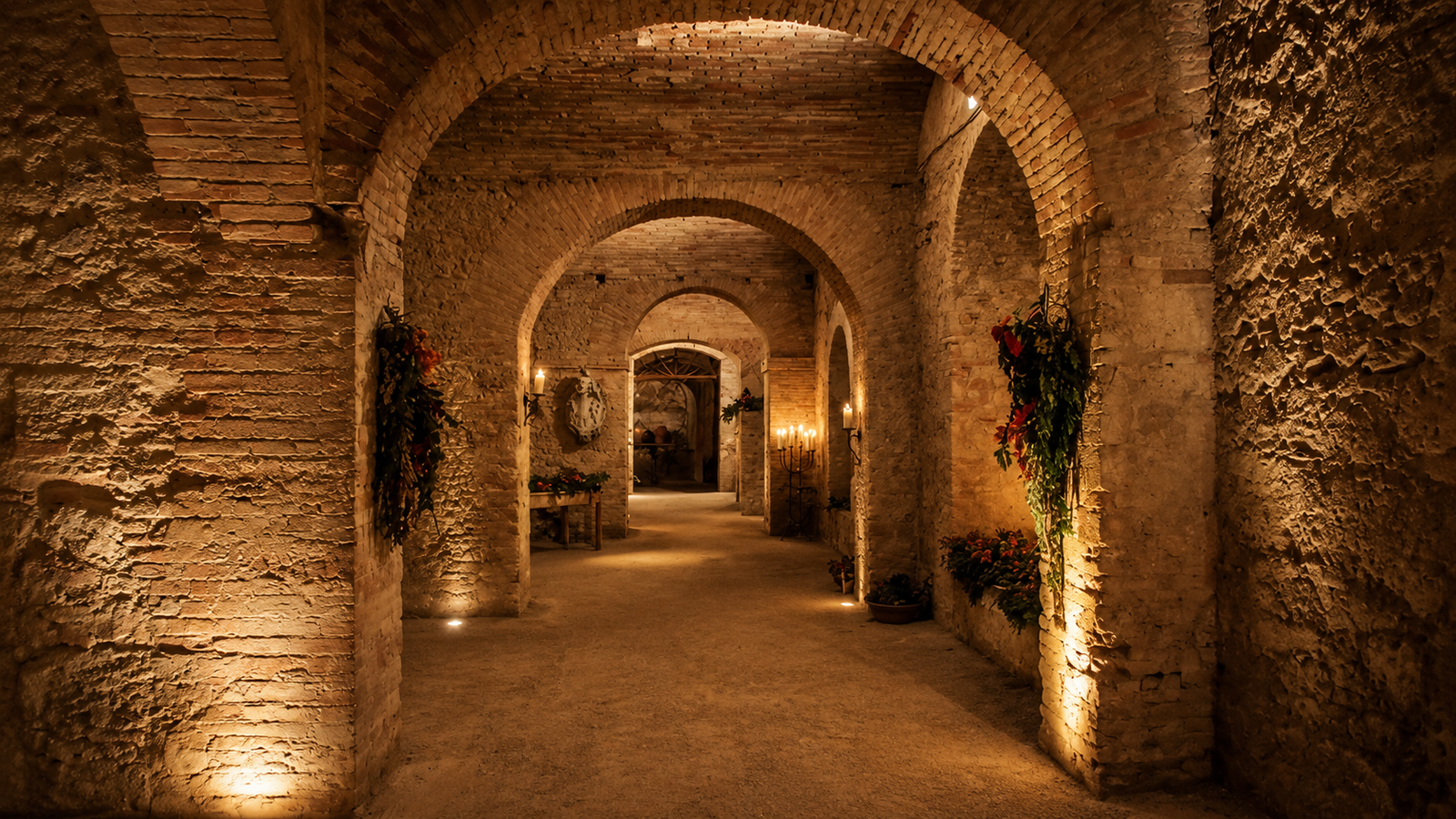
Beneath the streets survives the great Roman viaduct of the Via Salaria, now explored through Rieti Underground. Above ground, the Cathedral of Santa Maria Assunta, the Papal Palace and the Flavio Vespasiano Theatre tell centuries of history, while Terminillo opens the city towards the mountains and the Apennines.
On this page you can
- Discover the historic centre, the Umbilicus Italiae and Rieti Underground
- Explore the Cathedral, the Papal Palace and the city’s main landmarks
- Find your way between the Velino, Valle Santa and Monte Terminillo
Centre of Italy
Piazza San Rufo and the Umbilicus Italiae express the symbolic heart of the city.
Rieti Underground
The Roman viaduct of the Via Salaria re-emerges beneath the historic centre.
Papal city
The Cathedral and Papal Palace reveal medieval Rieti.
Monte Terminillo
Rieti’s mountain completes the journey through nature, trails and views.
What to see
Rietito discover
History, the centre of Italy and the mountains
Rieti tells centuries of history in the heart of Sabina: the Via Salaria re-emerges beneath the streets, squares and palaces recall the medieval and papal city, and Terminillo dominates the skyline. This section guides you through archaeology, monuments, culture and nature.
- Rieti Underground and the remains of the ancient Via Salaria
- The Umbilicus Italiae in the heart of the historic centre
- Cathedral, Papal Palace and the city’s major architecture
- Terminillo, Rieti’s great mountain
In the village and nearby
Local producers
A useful, up-to-date selection, ordered by relevance, quality and proximity.
History and identity
Rieti, from ancient Reateto the heart of Sabina
Ancient Reate was one of the most important centres of Sabine territory and grew along the Via Salaria in Roman times. The bridge across the Velino and the great square-block viaduct, still preserved beneath Via Roma, reveal the city’s relationship with the salt road and the waters of the Rieti Plain.
In the Middle Ages Rieti became an important religious and political city, linked to the presence of popes and to the Cathedral and Papal Palace complex. After centuries of change, in 1927 it became the capital of the new province; today its identity brings together the historic centre, River Velino, Valle Santa and the great mountain of Terminillo.
- Roman Reate
- Papal city
- Capital of Sabina
In the village and nearby
Local services
A useful, up-to-date selection, ordered by relevance, quality and proximity.
Village events calendar
Events in Rieti
Events, festivals and local initiatives selected for Rieti.
Calendar being updated
No events published
New events will be added as soon as they become available.
Browse the full calendar→Village flavours
at the tableto discover
Three specialities express Rieti’s culinary identity: Fregnacce alla Reatina, Pizzicotti made from bread dough and Terzetti, rustic biscuits with an unmistakable shape. It is direct, popular cooking, deeply rooted in family traditions.
Fregnacce alla Reatina
Wide, irregular pieces of homemade pasta, dressed simply but with plenty of flavour. The best-known Rieti version combines tomato, black olives and aromatic herbs: a rustic first course that captures the honesty of local cooking.
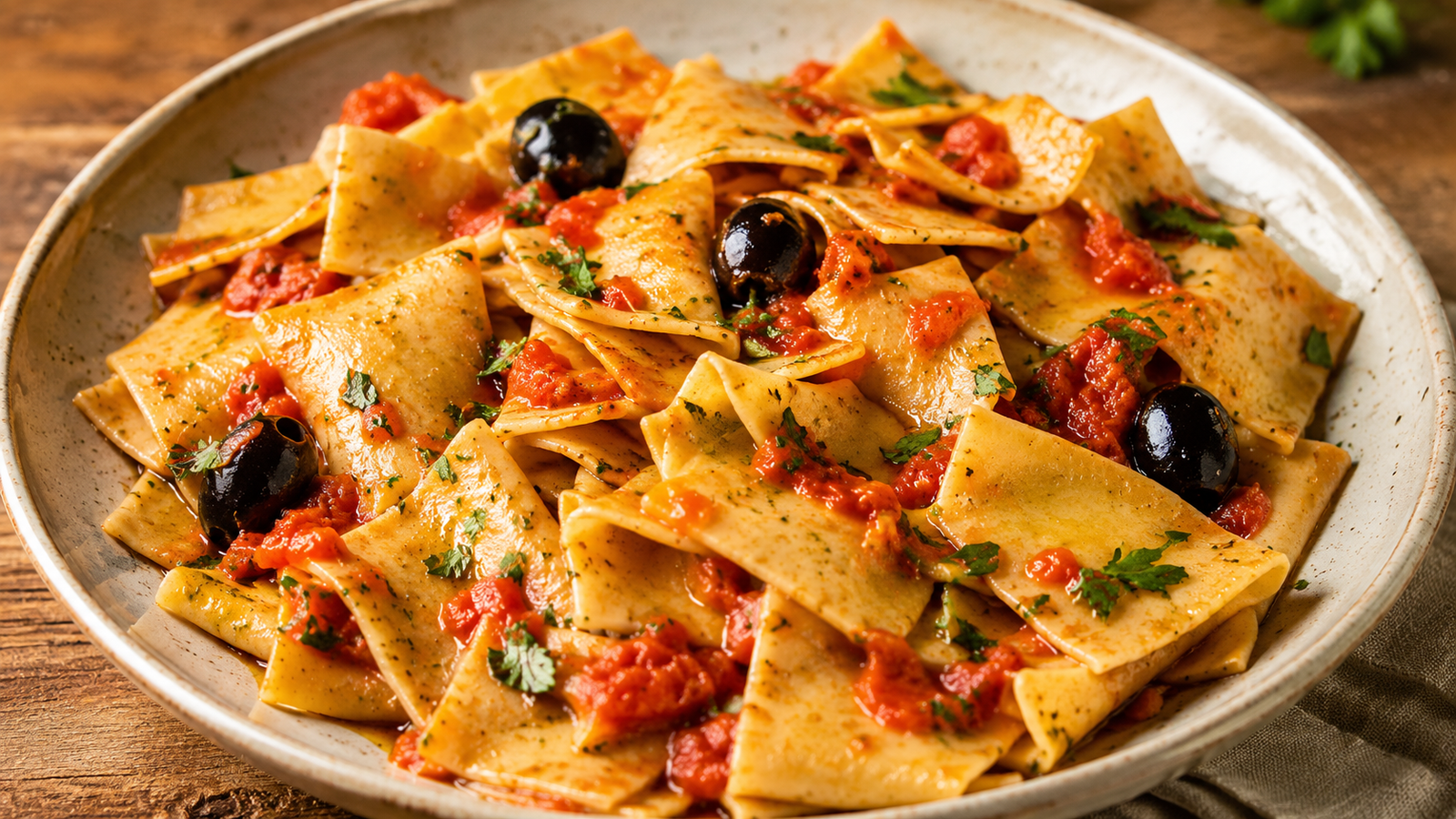
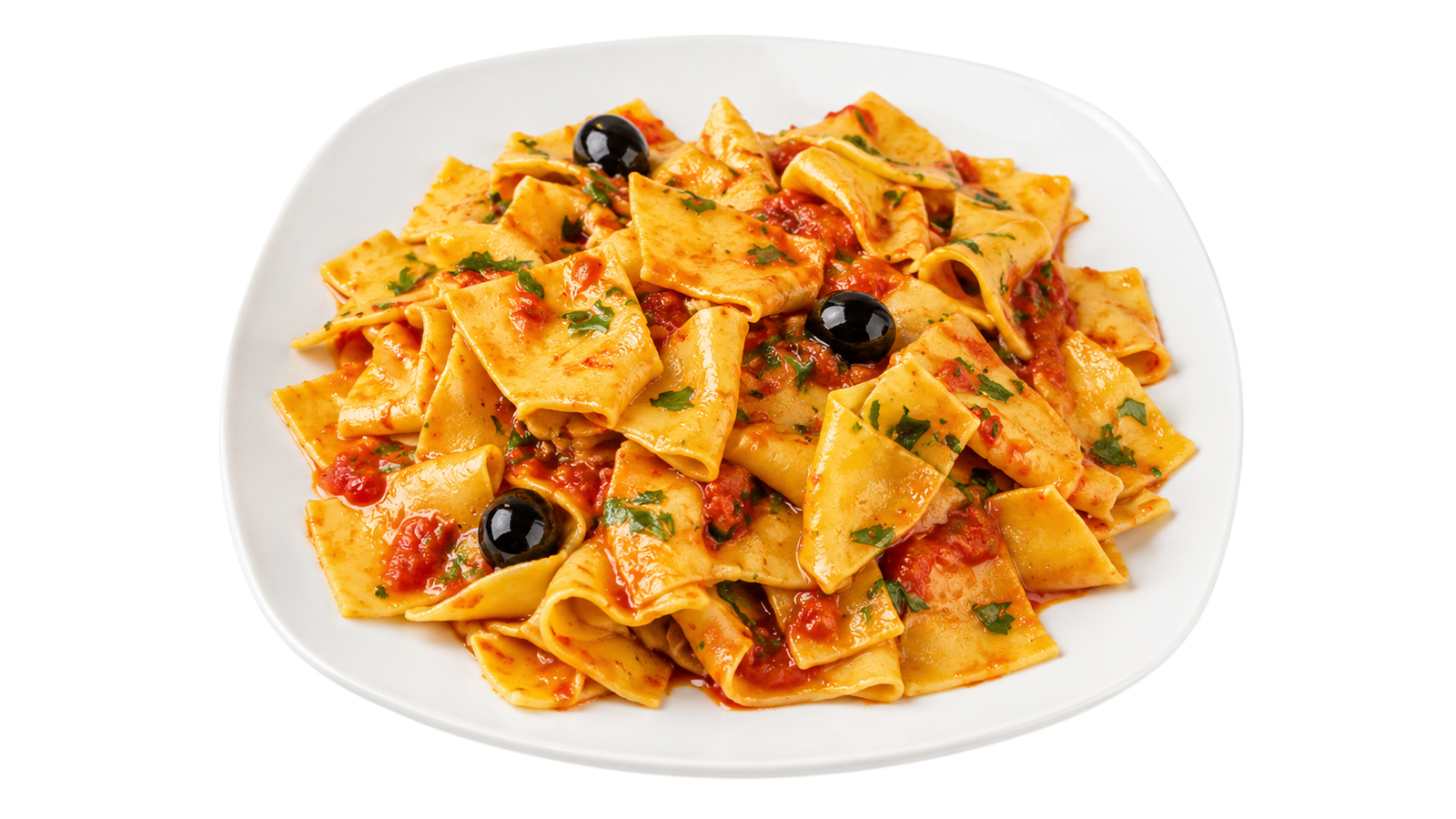 Traditional first courseFregnacceWide, irregular pasta with tomato, black olives and aromatic herbs.
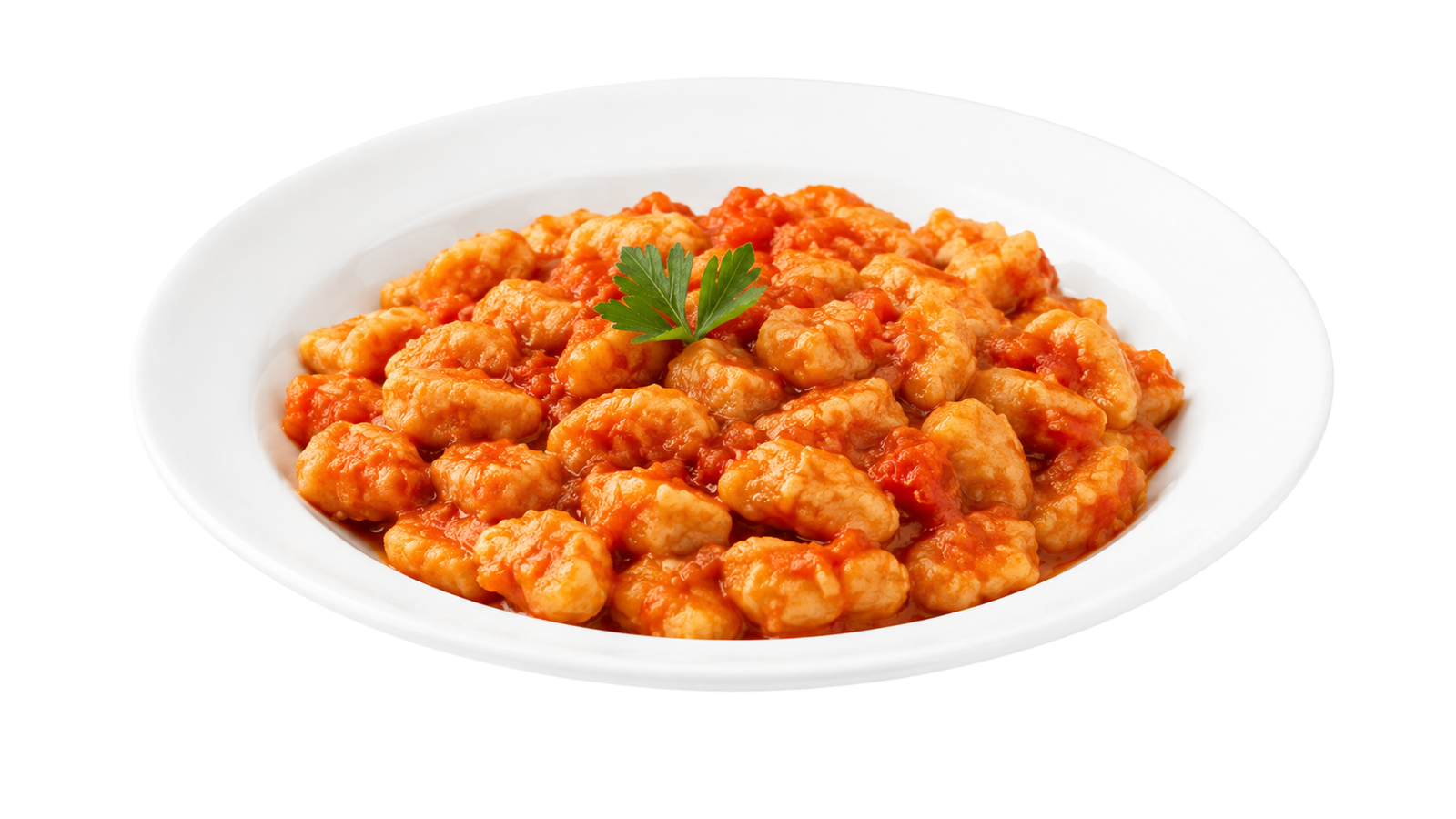 Bread doughPizzicottiHand-pinched pieces of bread dough served with a rustic sauce.
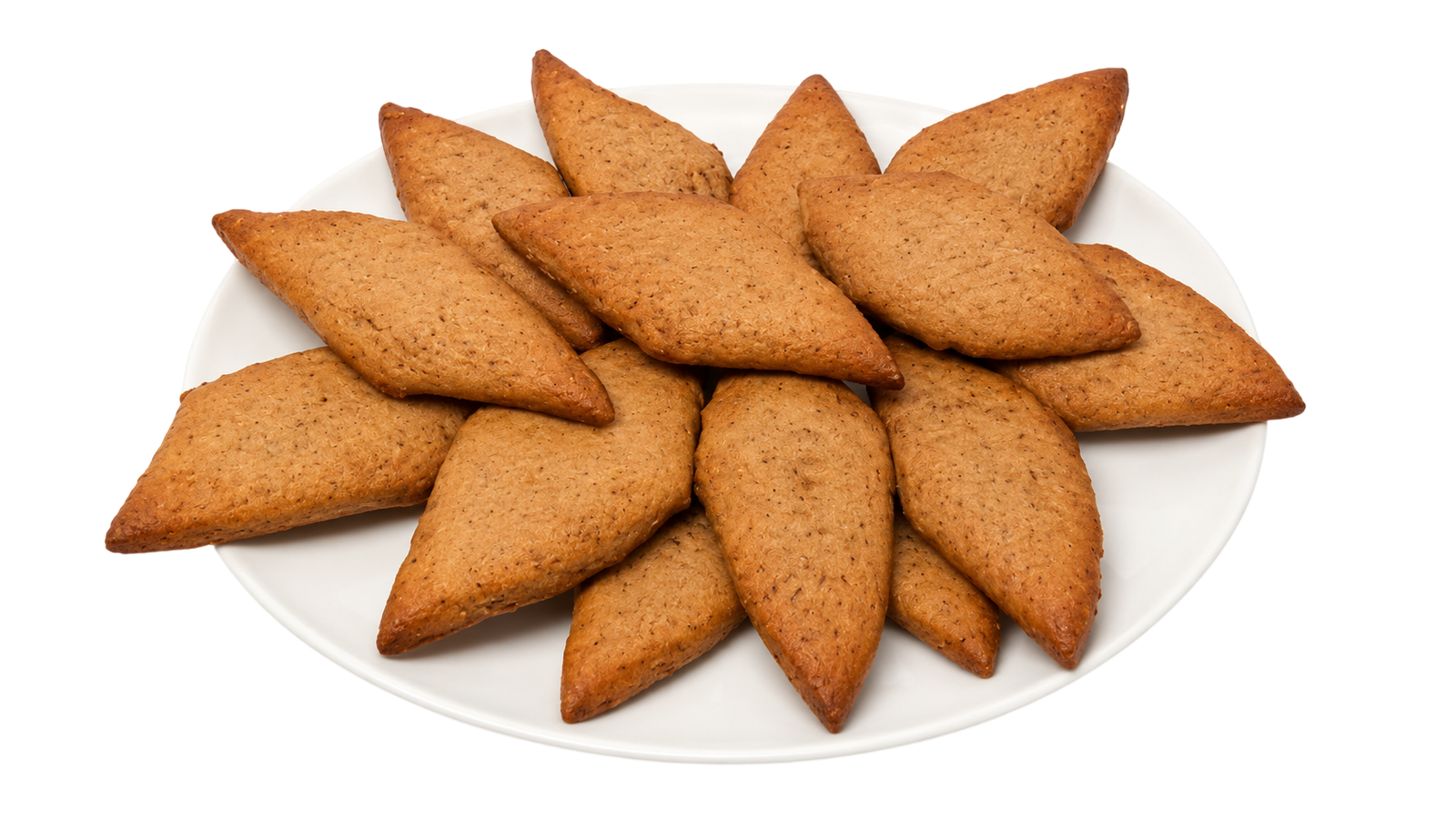 SweetTerzettiDiamond-shaped rustic biscuits with walnuts, honey and the scent of orange zest.
Flavours of Rieti
Ingredients
Method
In the village and nearby
Where to eat
A useful, up-to-date selection, ordered by relevance, quality and proximity.
 Pizzeria
Castel di Tora · 22,3 km
Pizzeria Test 02
Pizza is always a delight, especially when it is made in the Neapolitan style.
The village in figures
Rieti,between Velino and Terminillo
A few essential figures to understand the territory: the city’s elevation, population, municipal area and the height of the Terminillo summit.
Elevation
above sea level
Residents
within the municipality
Area
of the municipal area
Monte Terminillo
summit elevation
In the village and nearby
Where to stay
A useful, up-to-date selection, ordered by relevance, quality and proximity.
FAQ about Rieti
Six practical answers for planning your visit, finding your way around the village and connecting the day with other places in Sabina.
What should I see in Rieti?
Highlights include Rieti Underground and the remains of the Roman Bridge, the historic centre with the Umbilicus Italiae, the Cathedral of Santa Maria Assunta and Papal Palace, Flavio Vespasiano Theatre and Monte Terminillo.
Where is Rieti?
Rieti is in Lazio, in the Rieti Plain and Valle Santa, crossed by the River Velino and surrounded by the Apennines. It is the capital of the province of the same name and stands about 405 metres above sea level.
Why is Rieti called the centre of Italy?
Tradition identifies Rieti as the geographical heart of the Italian peninsula. In Piazza San Rufo, in the historic centre, the Umbilicus Italiae has become the clearest symbol of this identity and one of the city’s most unusual sights.
How should I visit Rieti’s historic centre?
The historic centre is easy to explore on foot, linking Piazza Vittorio Emanuele II, Piazza San Rufo, the Cathedral, the Papal Palace and Flavio Vespasiano Theatre. For Rieti Underground, check opening times and visit arrangements in advance.
What are Rieti’s traditional dishes?
Typical flavours include Fregnacce alla Reatina, wide irregular pasta served according to local tradition, Pizzicotti alla Reatina made from bread dough, and Terzetti Reatini, rustic biscuits with their characteristic elongated shape.
What can I do around Rieti?
Nearby you can reach Monte Terminillo, the landscapes of Valle Santa and the Franciscan sites of the Rieti area. The city is also an excellent base for routes through nature, walking trails, villages and the Apennine mountains.

From this village a new itinerary begins
After the historic centre, connect your visit with another village, a local place to eat or a walking route and build a complete day in Sabina.