

Central Sabina
Roccantica
Roccantica is a medieval village in Central Sabina, gathered on the slopes of Monte Pizzuto. Stone lanes and stairways climb towards the Tower of Nicholas II, while woodland, the Hermitage of San Leonardo and the Revotano sinkhole reveal the territory’s wilder and more surprising face.
Central Sabina
Roccanticabetween stone and woodland
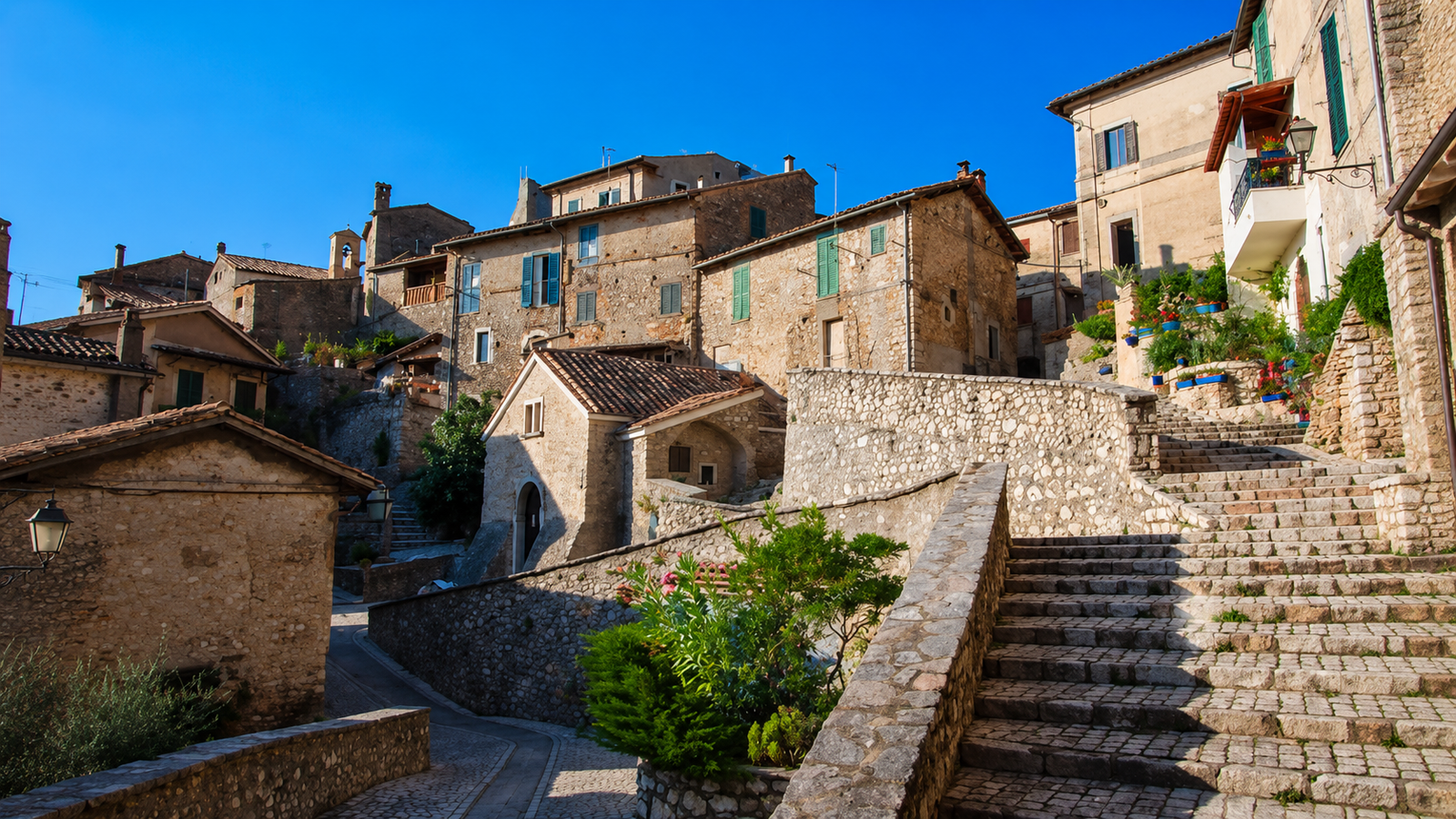
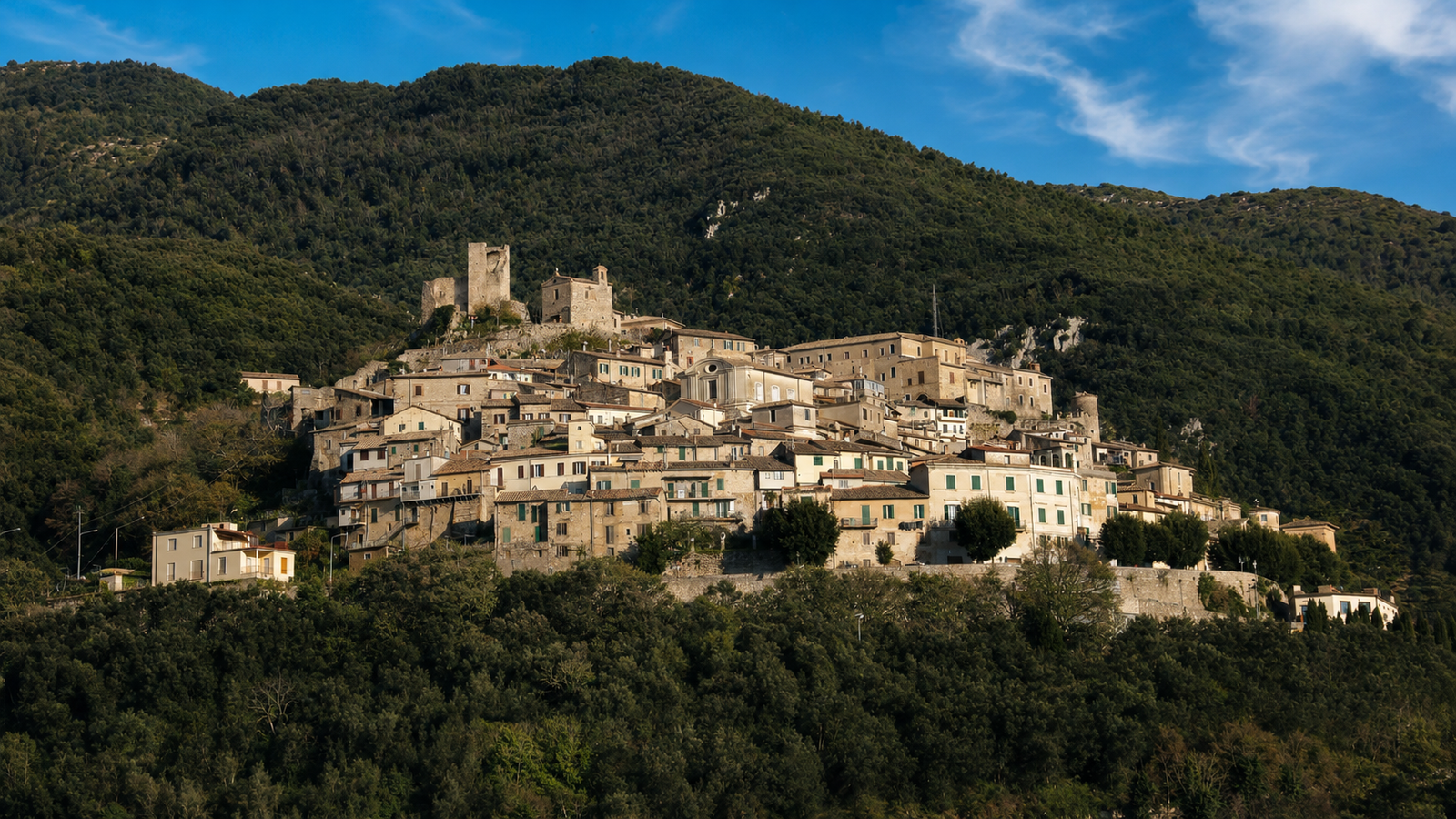
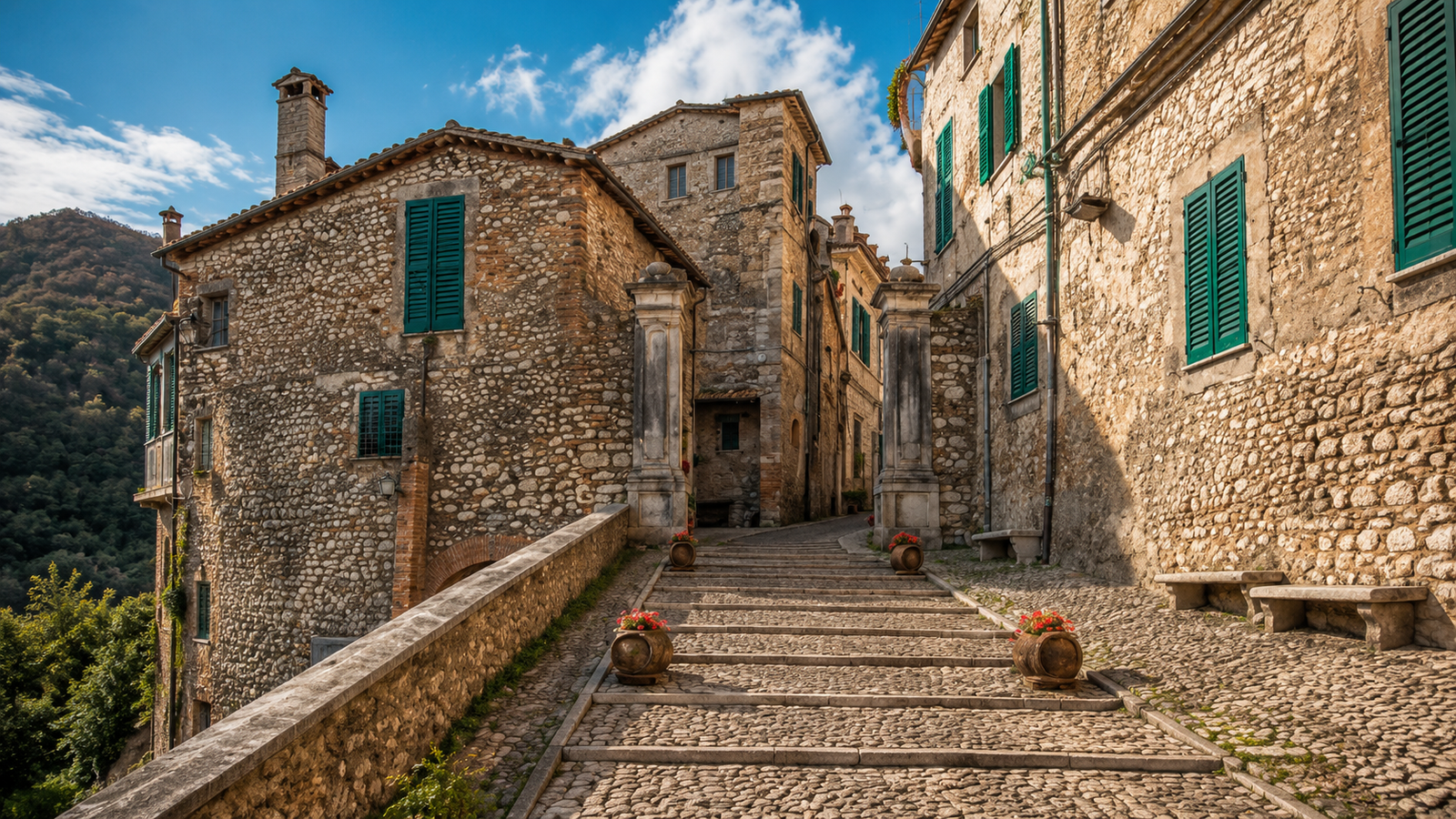
Roccantica stands at 457 metres on the slopes of Monte Pizzuto. The historic centre climbs through stone houses, winding lanes and long stairways to the upper village, dominated by the Tower of Nicholas II and views across the Sabina landscape.
Documented origins reach back at least to the 8th century, and the village’s history is connected with the fortification of its oldest nucleus and the memory of Pope Nicholas II. Outside the walls, the Hermitage of San Leonardo, the Revotano sinkhole and the Vacunae Rosae rose garden reveal a territory where history and nature continually meet.
On this page you can
- Discover the medieval village, the Tower of Nicholas II and its stone lanes
- Explore Santa Caterina, the Hermitage of San Leonardo and local memory
- Find your way among the Revotano, the woodland of the Sabine Mountains and Vacunae Rosae
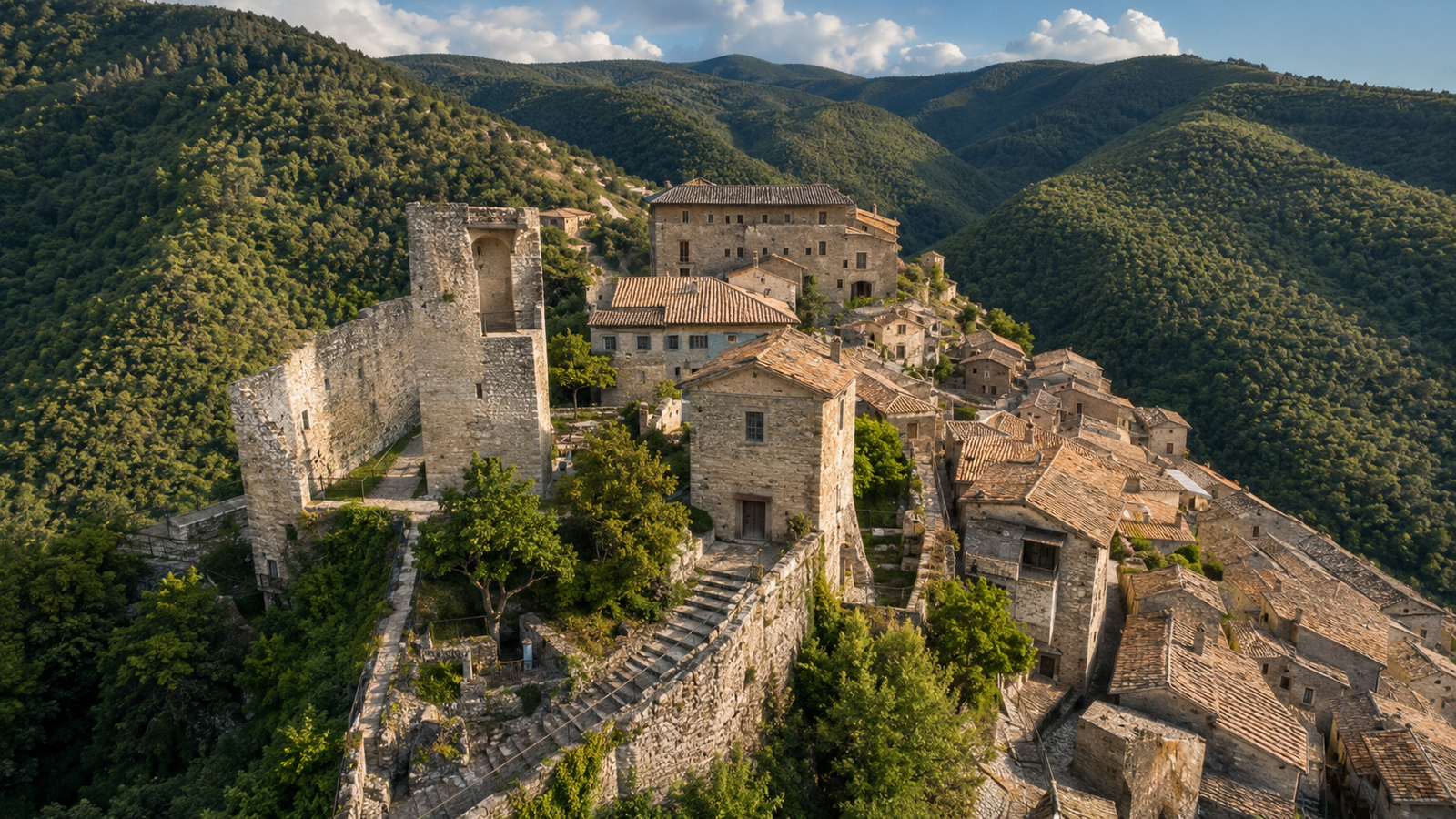
Tower of Nicholas II
The medieval landmark dominating the highest part of the village.
San Leonardo
A hermitage embedded in the rock and reached through the woodland.
Revotano
The great karst sinkhole making the natural landscape unique.
Vacunae Rosae
A vast rose garden at the foot of the Sabine Mountains.
What to see
Roccanticato discover
Stone, hermitages and nature
Roccantica is a compact medieval village in the Sabine Mountains, where stone lanes, ancient towers and places of worship meet woodland, rock faces and surprising natural scenery. This section guides visitors through the historic centre, the Hermitage of San Leonardo, the Revotano sinkhole and the celebrated Vacunae Rosae rose garden.
- Medieval village and Tower of Nicholas II in the oldest nucleus
- Hermitage of San Leonardo embedded in the rock face
- The Revotano sinkhole, a great karst depression in the woodland
- Santa Caterina d’Alessandria and the Vacunae Rosae rose garden
In the village and nearby
Local producers
A useful, up-to-date selection, ordered by relevance, quality and proximity.
History and identity
Roccantica, the ancient fortressof the Sabine Mountains
Roccantica’s documented origins reach back at least to 792, when the Church of San Valentino appears in the Regesto Farfense. The ancient Fundus Antiquum was fortified after the Saracen incursions of the 9th century, creating the medieval stronghold from which the village takes its name.
In 1059 the memory of the village became connected with Pope Nicholas II, who took refuge here during his conflict with the Crescenzi. In later centuries Roccantica passed under the Orsini and then the Vicentini. Today towers, walls, churches and the Medioevo in Festa re-enactment keep this long history alive.
- Origins · 792
- Pope Nicholas II
- Orsini and Vicentini
In the village and nearby
Local services
A useful, up-to-date selection, ordered by relevance, quality and proximity.
 Technical practice
Montelibretti · 21,1 km
Studio Tecnico Gobbi
Studio Tecnico Gobbi, led by surveyor Stefano Gobbi, is a trusted technical practice in Montelibretti for building design and planning, cadastral and administrative procedures. The practice works on…
Village events calendar
Events in Roccantica
Events, festivals and local initiatives selected for Roccantica.
Calendar being updated
No events published
New events will be added as soon as they become available.
Browse the full calendar→Authentic flavours
Roccanticamemories of flavour
Between the medieval village and the woodland of the Sabine Mountains, Roccantica tells of simple, convivial cooking connected with popular festivals, extra virgin olive oil and the most authentic flavours of local tradition.
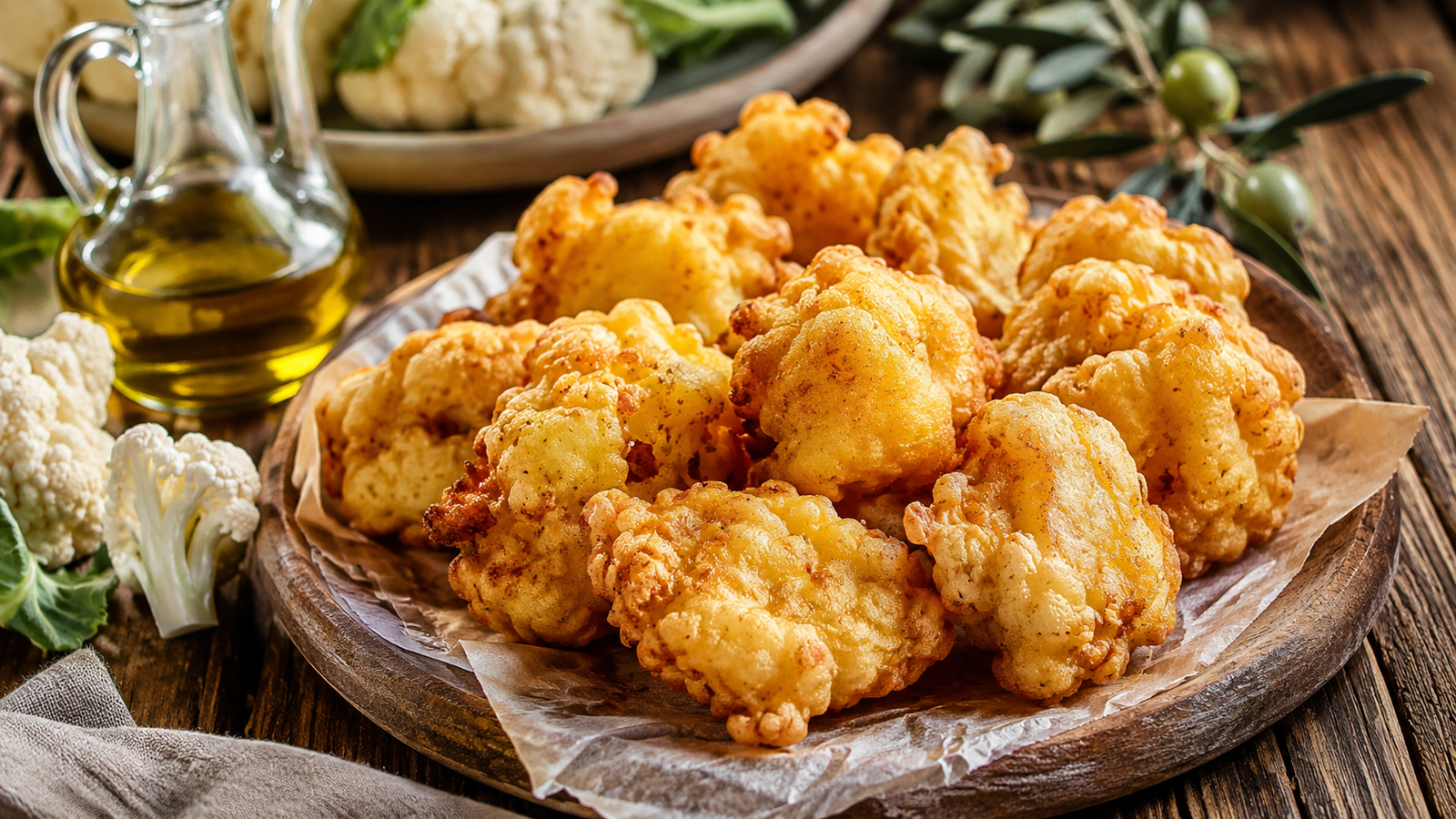
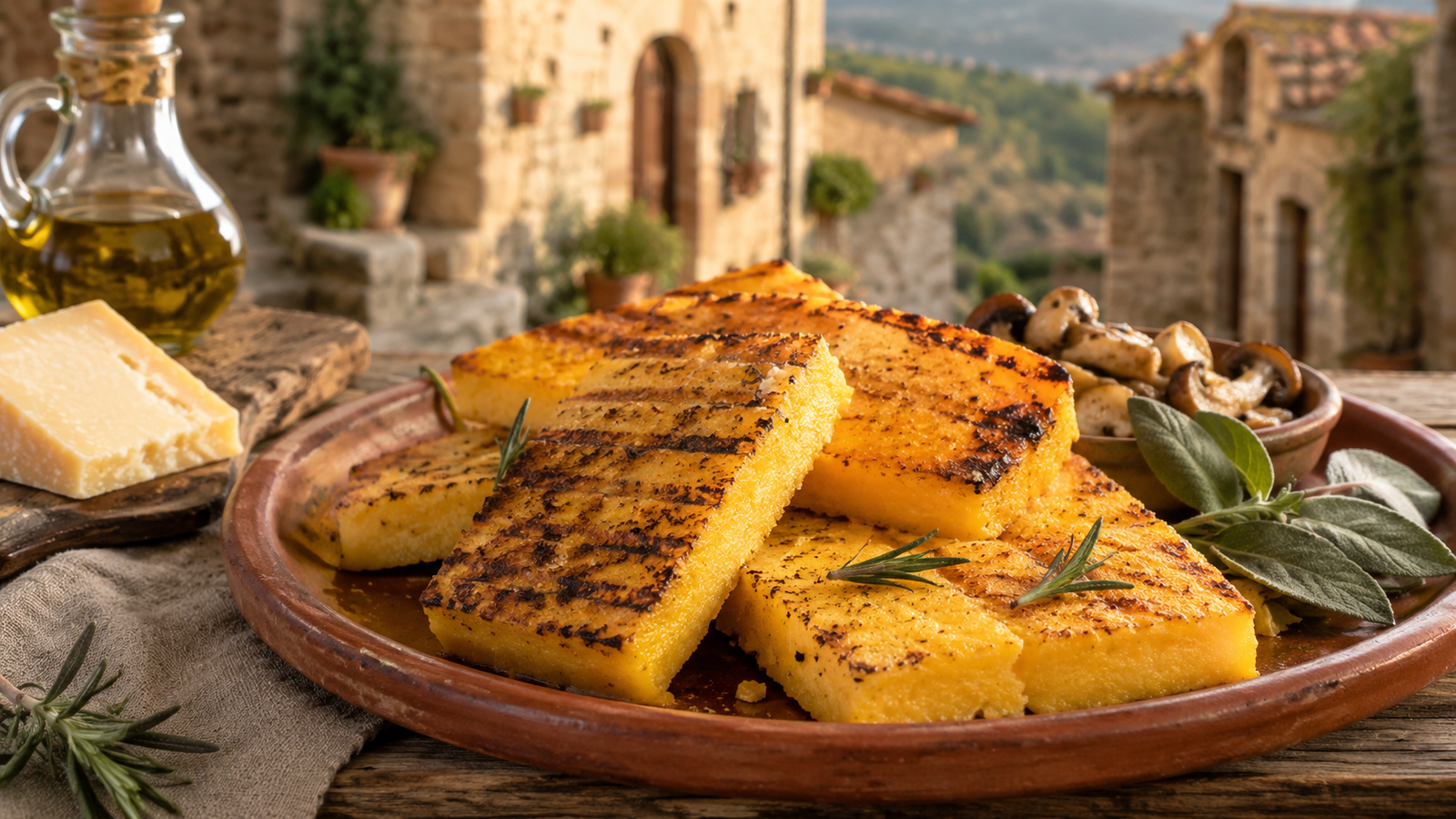
The Frittelli di San Giuseppe are the village’s most distinctive food symbol, joined by grilled polenta and bruschetta with Sabina PDO olive oil: essential, genuine flavours deeply connected with village conviviality.
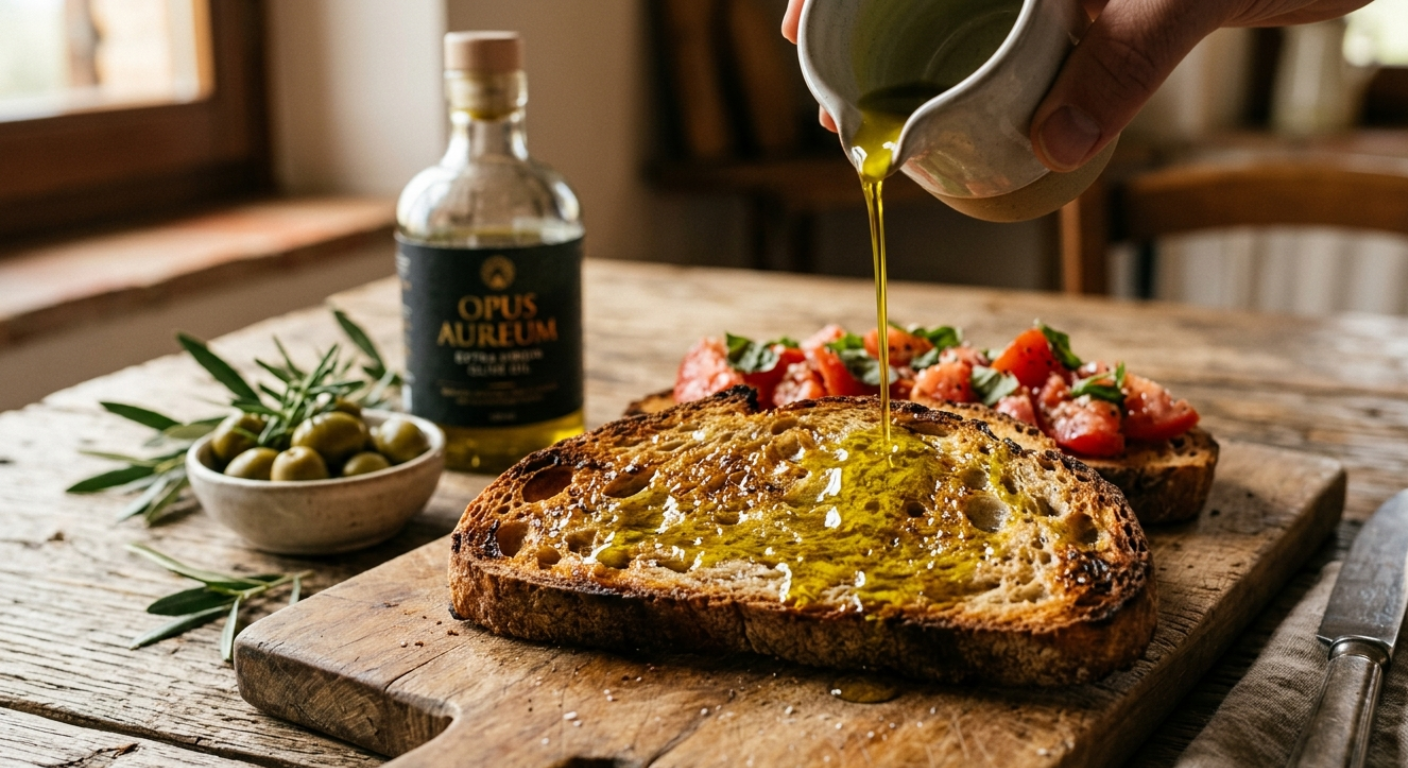
Every flavour tells of festivals, olive oil and village memory.
In the village and nearby
Where to eat
A useful, up-to-date selection, ordered by relevance, quality and proximity.
 Bar / Café
Montelibretti · 21,1 km
Bar Test 01
A welcoming meeting place in the heart of Sabina, ideal for a leisurely breakfast, a quick coffee or an aperitivo after a walk through historic lanes, scenic views…
The village in figures
Roccantica,between stone and woodland
A few essential figures for understanding the area: elevation, population, municipal area and approximate travel time from Rieti.
Elevation
above sea level
Residents
within the municipality
Area
of the municipal area
From Rieti
approximate driving time
In the village and nearby
Where to stay
A useful, up-to-date selection, ordered by relevance, quality and proximity.
FAQ about Roccantica
Six practical answers for planning your visit, finding your way around the village and connecting the day with other places in Sabina.
What should you see in Roccantica?
Places worth visiting include the medieval village and Tower of Nicholas II, the Church of Santa Caterina d’Alessandria, the Hermitage of San Leonardo, the Revotano sinkhole and the Vacunae Rosae rose garden. The historic centre is a web of lanes, stairways and stone houses gathered on the slopes of Monte Pizzuto.
Where is Roccantica?
Roccantica is in the province of Rieti, in Central Sabina, on the slopes of Monte Pizzuto. The village stands at 457 metres and is surrounded by the woodland and ridges of the Sabine Mountains.
How do you get to Roccantica?
The easiest way to reach Roccantica is by car. From Rieti the journey takes roughly 45 minutes, with the final stretch climbing through Sabina’s interior landscape. The historic centre is then explored mainly on foot.
Why visit Roccantica?
Within only a few kilometres Roccantica combines a highly scenic medieval village, 15th-century art, rock-cut hermitages and natural phenomena such as the Revotano. It suits visitors interested in photography, history, trails, small villages and wooded landscapes.
Which traditions characterise Roccantica?
The most recognisable traditions include Medioevo in Festa, the re-enactment connected with Pope Nicholas II, and the historic Frittello di San Giuseppe festival. Cauliflower fritters, coated in batter and fried in extra virgin olive oil, are among the village’s signature flavours.
What can you do around Roccantica?
Nearby routes lead to the Hermitage of San Leonardo and the Revotano sinkhole, through the woodland of the Sabine Mountains and towards other Central Sabina villages such as Casperia, Poggio Catino and Montasola. Vacunae Rosae adds a particularly evocative botanical stop.

From this village a new itinerary begins
After the historic centre, connect your visit with another village, a local place to eat or a walking route and build a complete day in Sabina.