
Tiber Valley
Selci
Selci is a small village in the Tiber Valley area of Sabina where the medieval centre meets contemporary art. Porta Castru Silice, Rocca Castri, compact lanes and the murals of the PUBBLICA project reveal a place suspended between memory, colour and the traditions of the Sabine countryside.
Tiber Valley
Selcibetween stone and colour
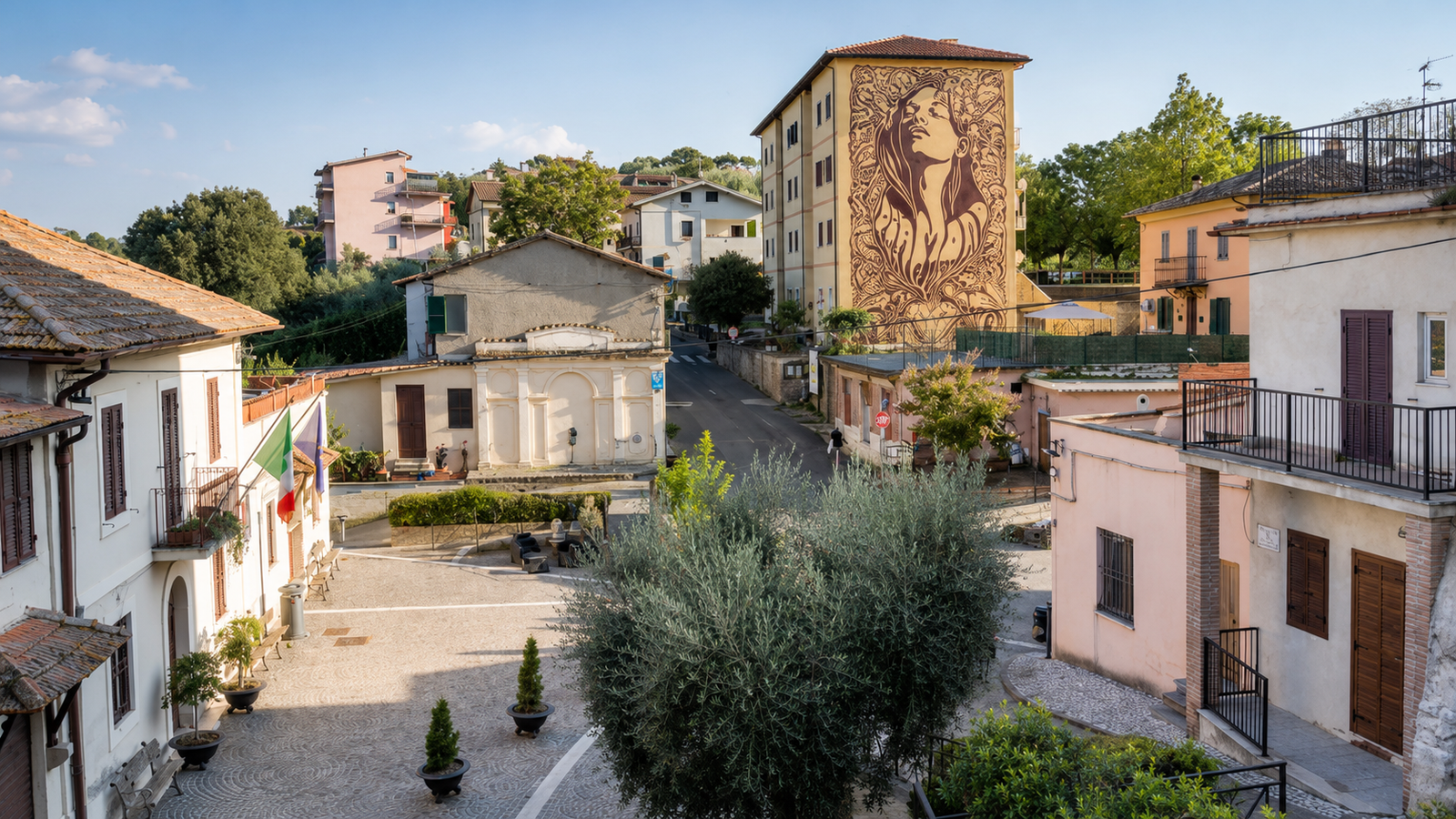
Selci stands on a small hill in the Tiber Valley area of Sabina. The historic centre retains a compact form behind the old Porta Castru Silice, opening into a network of lanes, passages and houses leading towards Rocca Castri and the Church of the Santissimo Salvatore.
Alongside its medieval heritage, Selci has created a contemporary identity through PUBBLICA, an urban-art project that transformed walls and buildings into open-air works. Local tradition remains connected with Porchetta Selciana, fallone and the culture of Sabina olive oil.
On this page you can
- Discover Porta Castru Silice, the medieval lanes and Rocca Castri
- Follow the route between Santissimo Salvatore, Santo Stefano and urban art
- Learn about Porchetta Selciana, fallone and the tradition of Sabina PDO olive oil
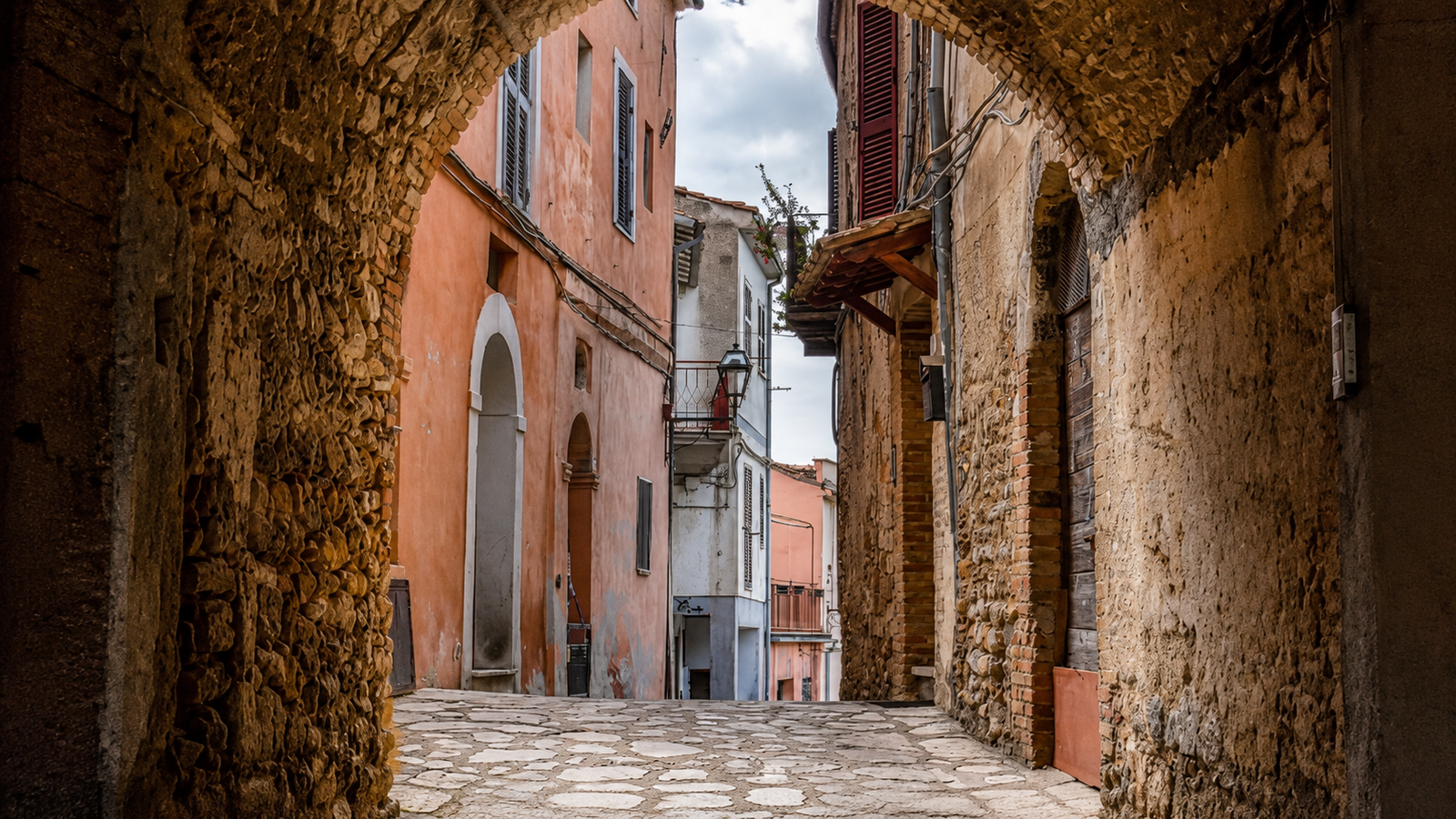

Castru Silice
The old gate leads directly into the heart of the historic centre.
Rocca Castri
The medieval tower dominates the old settlement and preserves its fortified memory.
Street art
The PUBBLICA murals bring contemporary art into the village streets.
Porchetta Selciana
The village’s signature flavour, together with fallone and Sabina olive oil.
What to see
Selcito discover
Middle Ages, art and tradition
Selci is a small village in the Tiber Valley area of Sabina where the medieval structure of the historic centre meets a surprisingly contemporary side. From Porta Castru Silice and Rocca Castri to the murals of the PUBBLICA project, the visit alternates stone, urban art and places of religious tradition.
- Porta Castru Silice and the lanes of the medieval village
- Rocca Castri and the village’s fortified memory
- Santissimo Salvatore and the Church of Santo Stefano
- Contemporary street art from the PUBBLICA project
In the village and nearby
Local producers
A useful, up-to-date selection, ordered by relevance, quality and proximity.
History and identity
Selci, from the castrumto walls of art
Selci’s origins are placed between the 10th and 12th centuries, during the period of castle-building. The settlement developed on a hill and was protected by walls, while its name recalls the ancient Roman road paved with flint stones that crossed the territory.
After connections with Farfa Abbey and control by the Holy See, Selci was governed over time by the Orsini, Cesi and Vaini families. Today Porta Castru Silice and Rocca Castri preserve medieval memory, while the PUBBLICA murals add an unexpected contemporary identity.
- Castle-building period
- Orsini, Cesi and Vaini
- Street art
In the village and nearby
Local services
A useful, up-to-date selection, ordered by relevance, quality and proximity.
 Technical practice
Montelibretti · 22,7 km
Studio Tecnico Gobbi
Studio Tecnico Gobbi, led by surveyor Stefano Gobbi, is a trusted technical practice in Montelibretti for building design and planning, cadastral and administrative procedures. The practice works on…
Village events calendar
Events in Selci
Events, festivals and local initiatives selected for Selci.
Calendar being updated
No events published
New events will be added as soon as they become available.
Browse the full calendar→Authentic flavours
Selcitells a story of tradition
Among medieval lanes, Sabine countryside and old village festivals, Selci preserves popular cooking based on strong flavours, handed-down recipes and simple ingredients rooted in country tradition.
Porchetta Selciana is the village’s gastronomic symbol, accompanied by fallone, a historic filled bread dough, and Sabina PDO olive oil. These three flavours express conviviality, local festivals and the most authentic identity of the Selci table.
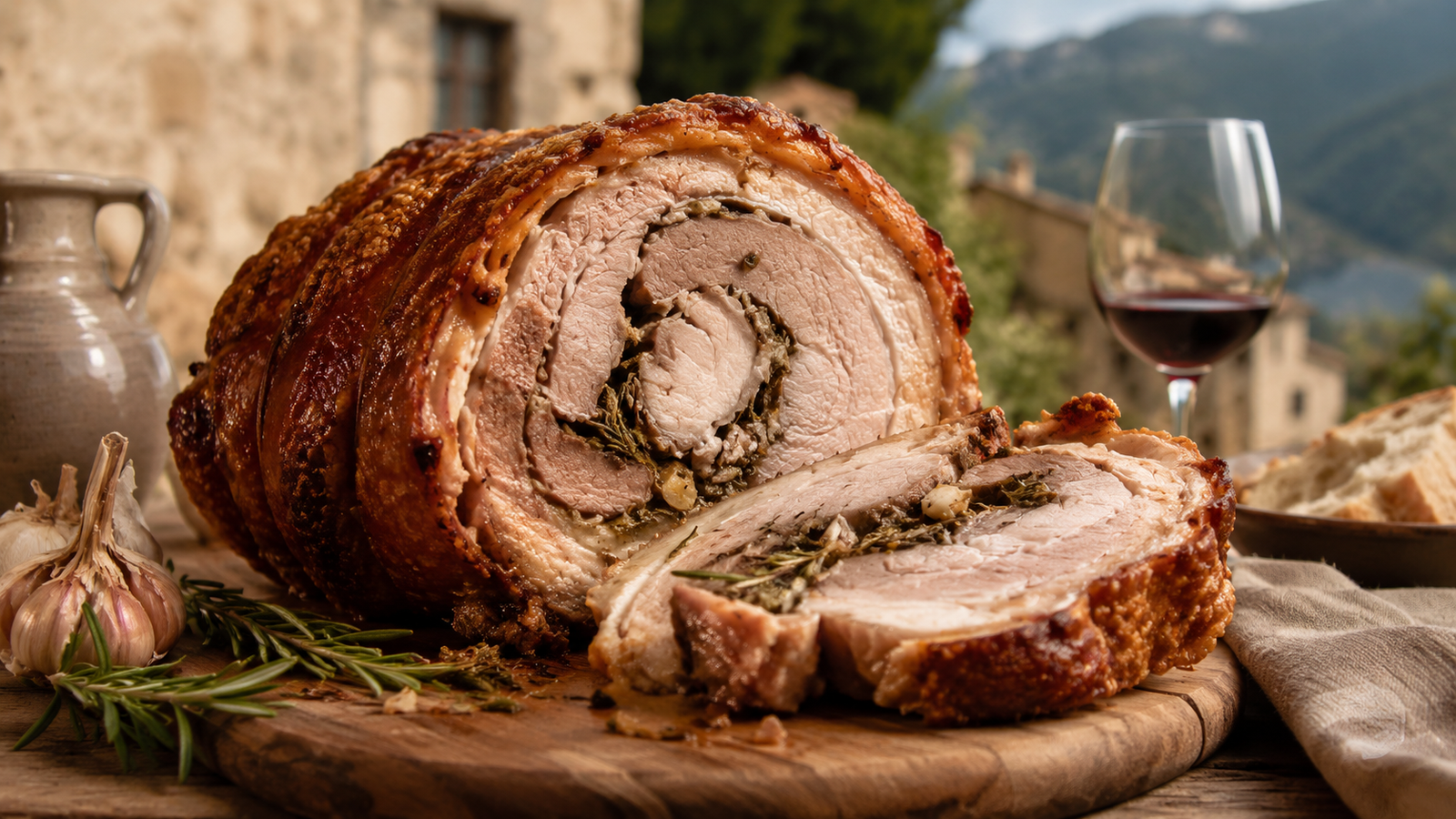
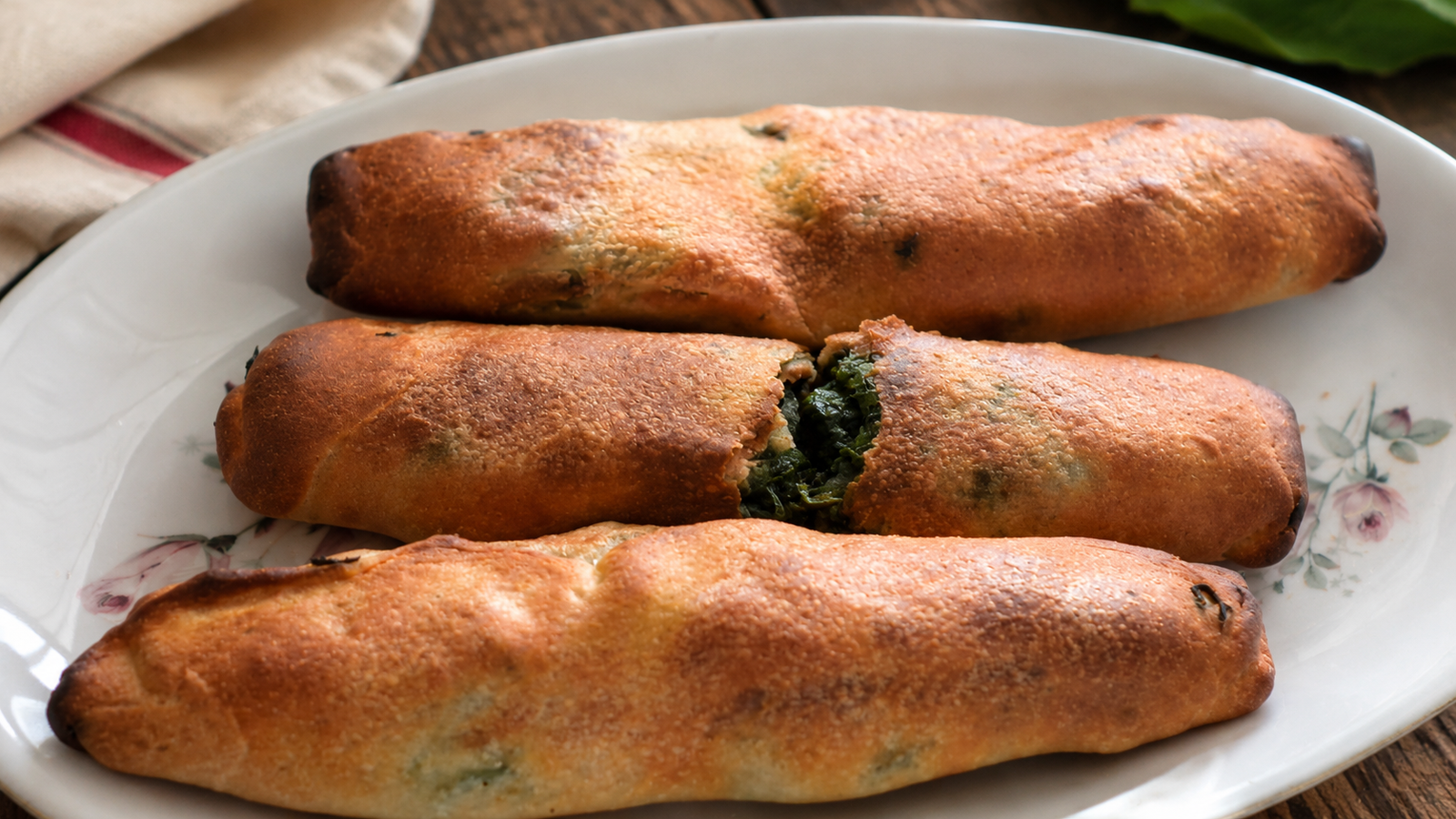
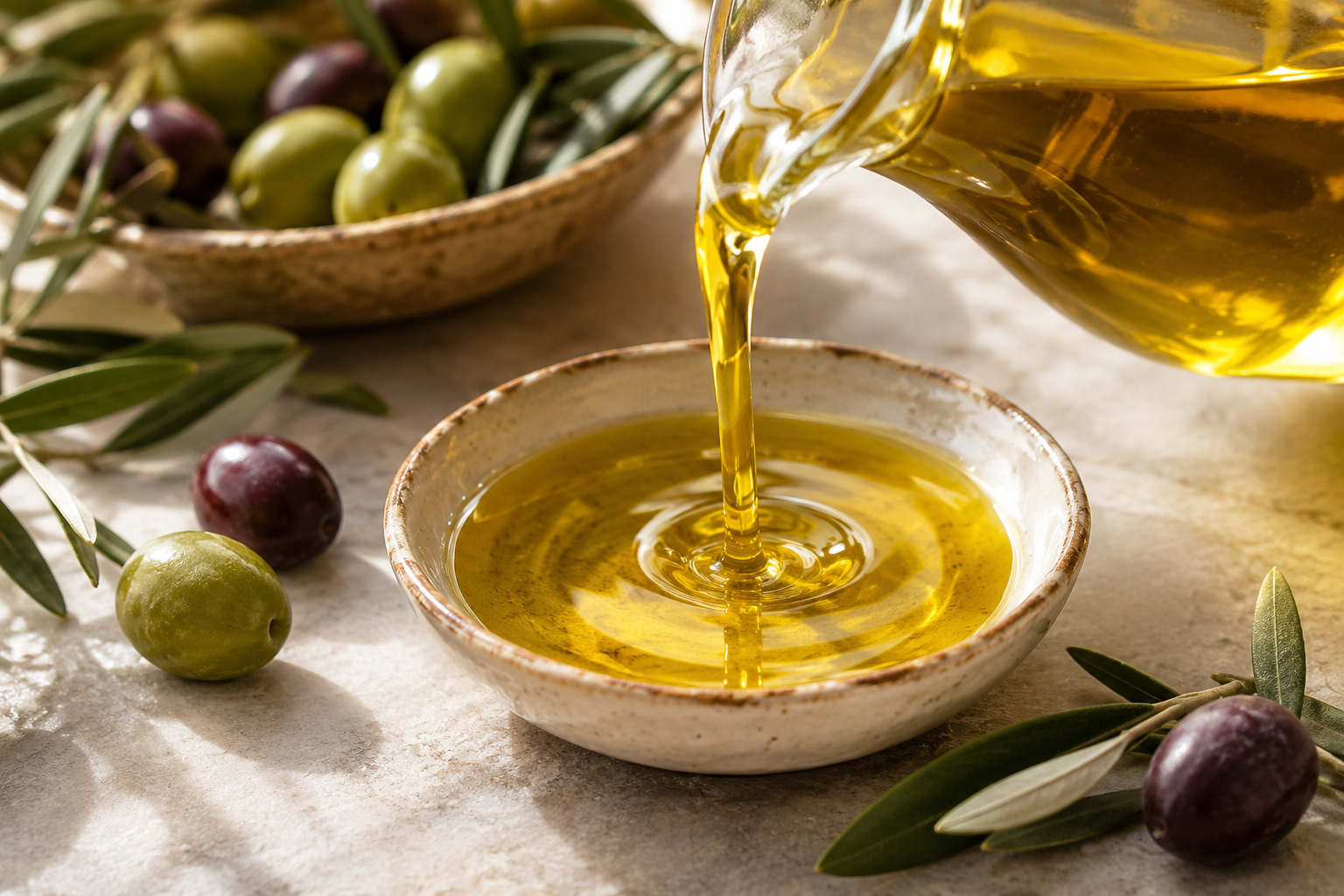
Every flavour tells a story of celebrations, families and Selci tradition.
In the village and nearby
Where to eat
A useful, up-to-date selection, ordered by relevance, quality and proximity.
 Bar / Café
Montelibretti · 22,7 km
Bar Test 01
A welcoming meeting place in the heart of Sabina, ideal for a leisurely breakfast, a quick coffee or an aperitivo after a walk through historic lanes, scenic views…
The village in figures
Selci,between stone and murals
A few essential figures to understand the area: elevation, residents, municipal area and approximate distance from Rieti.
Elevation
above sea level
Residents
within the municipality
Area
of the municipal area
From Rieti
approximate driving time
In the village and nearby
Where to stay
A useful, up-to-date selection, ordered by relevance, quality and proximity.
FAQ about Selci
Six practical answers for planning your visit, finding your way around the village and connecting the day with other places in Sabina.
What to see in Selci?
Places worth visiting include the medieval village with Porta Castru Silice, Rocca Castri, the Church of Santissimo Salvatore, the murals of the PUBBLICA project and the Church of Santo Stefano. The historic centre is small and easy to explore on foot through lanes, passages and little squares.
Where is Selci?
Selci is in the province of Rieti, within the Tiber Valley area of Sabina. The village stands on a small hill close to Cantalupo in Sabina, Forano, Casperia and Roccantica, in a landscape of countryside, olive groves and small historic centres.
How do you reach Selci?
The easiest way to reach Selci is by car. From Rieti the journey usually takes just under an hour. Once there, the compact medieval centre is best explored on foot.
Why visit Selci?
Selci offers an unusual contrast between a small medieval centre and a contemporary urban-art route. The visit brings together Porta Castru Silice and Rocca Castri with the large murals that have transformed several village buildings.
Which flavours and traditions define Selci?
The most distinctive flavour is Porchetta Selciana, accompanied by fallone, a speciality of popular tradition, and Sabina PDO olive oil. Santo Stefano, the village’s patron saint, also has an important place among local religious celebrations.
What can you see around Selci?
Nearby destinations include Roccantica, Casperia, Poggio Catino, Cantalupo in Sabina and other villages of the Tiber Valley area of Sabina. The complex of Santa Maria di Vescovio, one of the territory’s most important historic sites, is also a short distance away.

From this village a new itinerary begins
After the historic centre, connect your visit with another village, a local place to eat or a walking route and build a complete day in Sabina.