

Sabine Mountains
Vacone
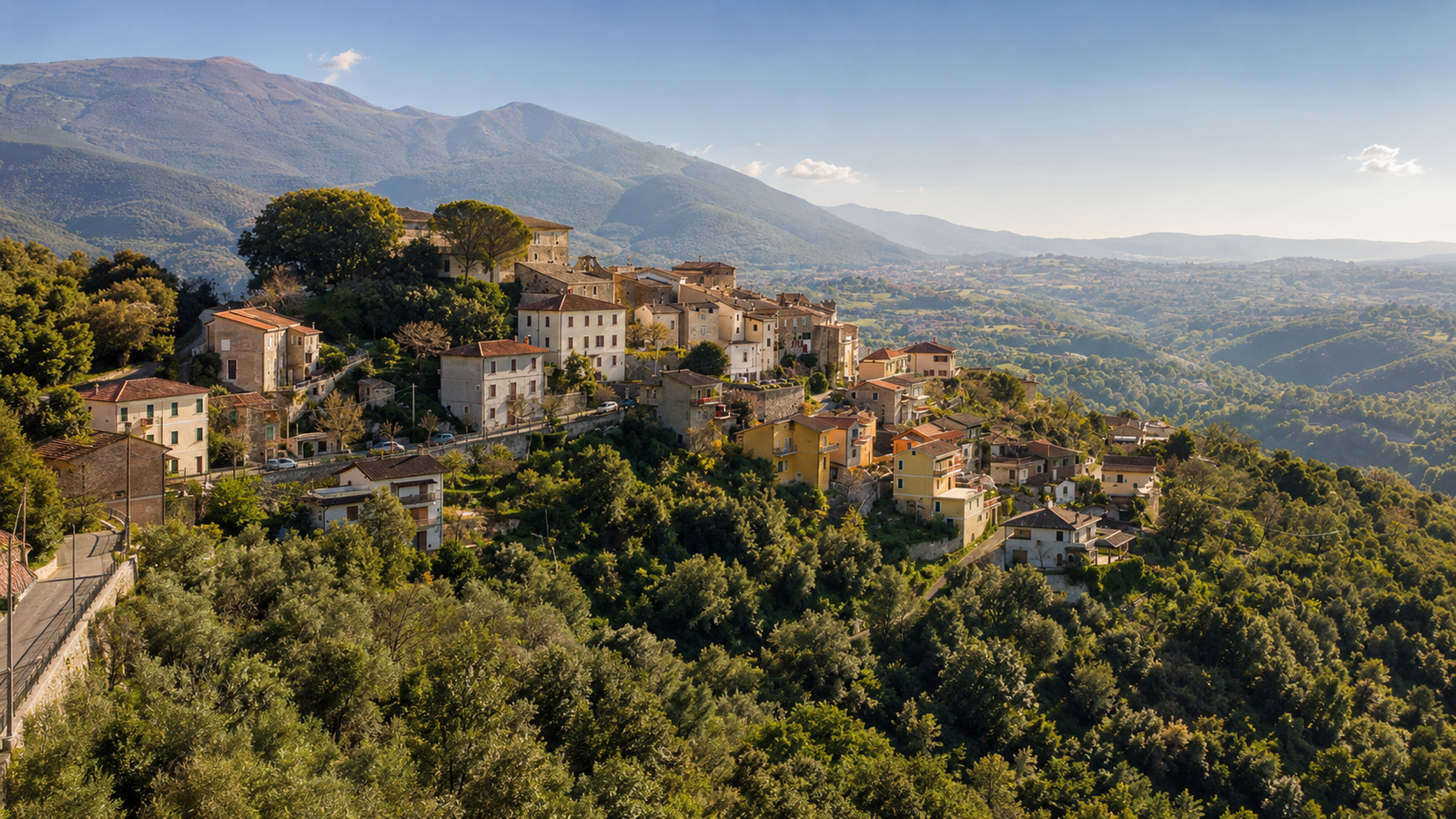
Vacone is a small village in the Sabine Mountains, perched on the slopes of Monte Cosce and open towards woodland and valleys. Between the medieval castle, Roman villa, Sacred Wood of the Pago and the memory of the goddess Vacuna, the village intertwines archaeology, nature and history within a compact and surprising territory.
Sabine Mountains
Vaconebetween history and myth
Vacone stands at 518 metres on the slopes of Monte Cosce, in a territory of woodland, olive groves and broad views across Sabina. The historic centre gathers around the castle and the Church of San Giovanni Evangelista, within a weave of stone, lanes and panoramas that has earned the village the name “Terrace of Sabina”.
Just outside the village, excavations begun in 2012 revealed a large Roman villa from the late Republican and Imperial periods, with mosaics and an important area for olive-oil production. Tradition has connected it with Horace, although this identification is unproven. The Sacred Wood of the Pago and the Hermitage of Sant’Orsola complete a landscape where archaeology, nature and the memory of the goddess Vacuna continue to interact.
On this page you can
- Discover the medieval village, castle and Church of San Giovanni Evangelista
- Learn about the Roman villa and the tradition connecting it with the memory of Horace
- Explore the Sacred Wood of the Pago and routes towards the Hermitage of Sant’Orsola
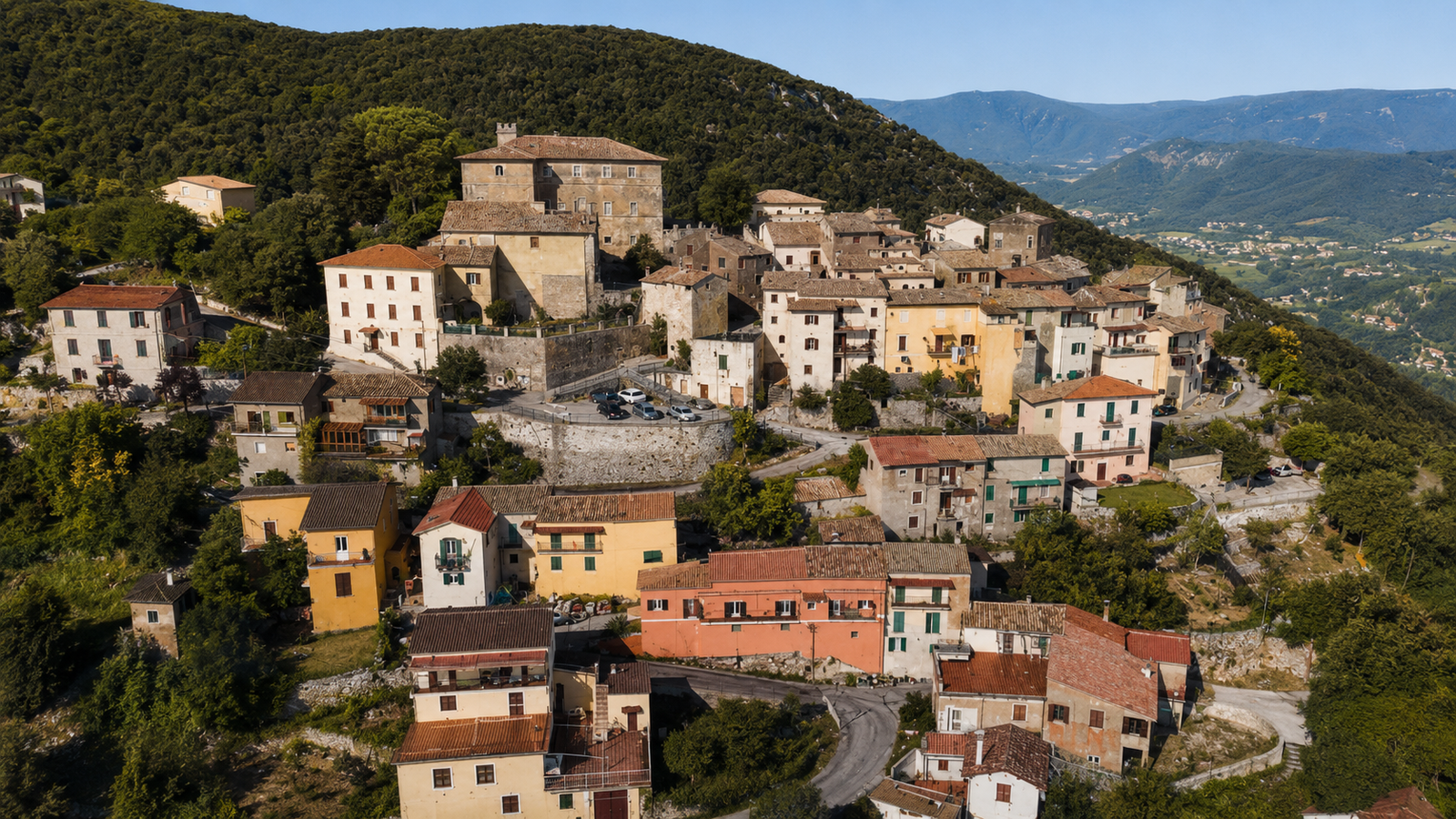

Village and castle
The medieval nucleus dominates the landscape and preserves the historic heart of Vacone.
Roman villa
Mosaics, residential rooms and a large ancient installation for olive-oil production.
Wood of the Pago
The sacred woodland connected with the memory of the goddess Vacuna and the local community.
Hermitage of Sant’Orsola
A secluded place in the woods, along paths climbing the slopes of Monte Cosce.
What to see
Vaconeto discover
Horace, Vacuna and sacred woodland
Vacone is a small Sabina village where archaeology, myth and landscape meet. From the medieval nucleus dominated by the castle, the route continues to the great Roman villa, the Sacred Wood of the Pago connected with the goddess Vacuna, and places of silence and spirituality immersed in greenery.
- Medieval village, castle and views from the Terrace of Sabina
- Roman villa traditionally associated with the memory of Horace
- Sacred Wood of the Pago, between nature and the cult of Vacuna
- Hermitage of Sant’Orsola and Church of San Giovanni Evangelista
In the village and nearby
Local producers
A useful, up-to-date selection, ordered by relevance, quality and proximity.
History and identity
Vacone, between the castrumand the memory of Vacuna
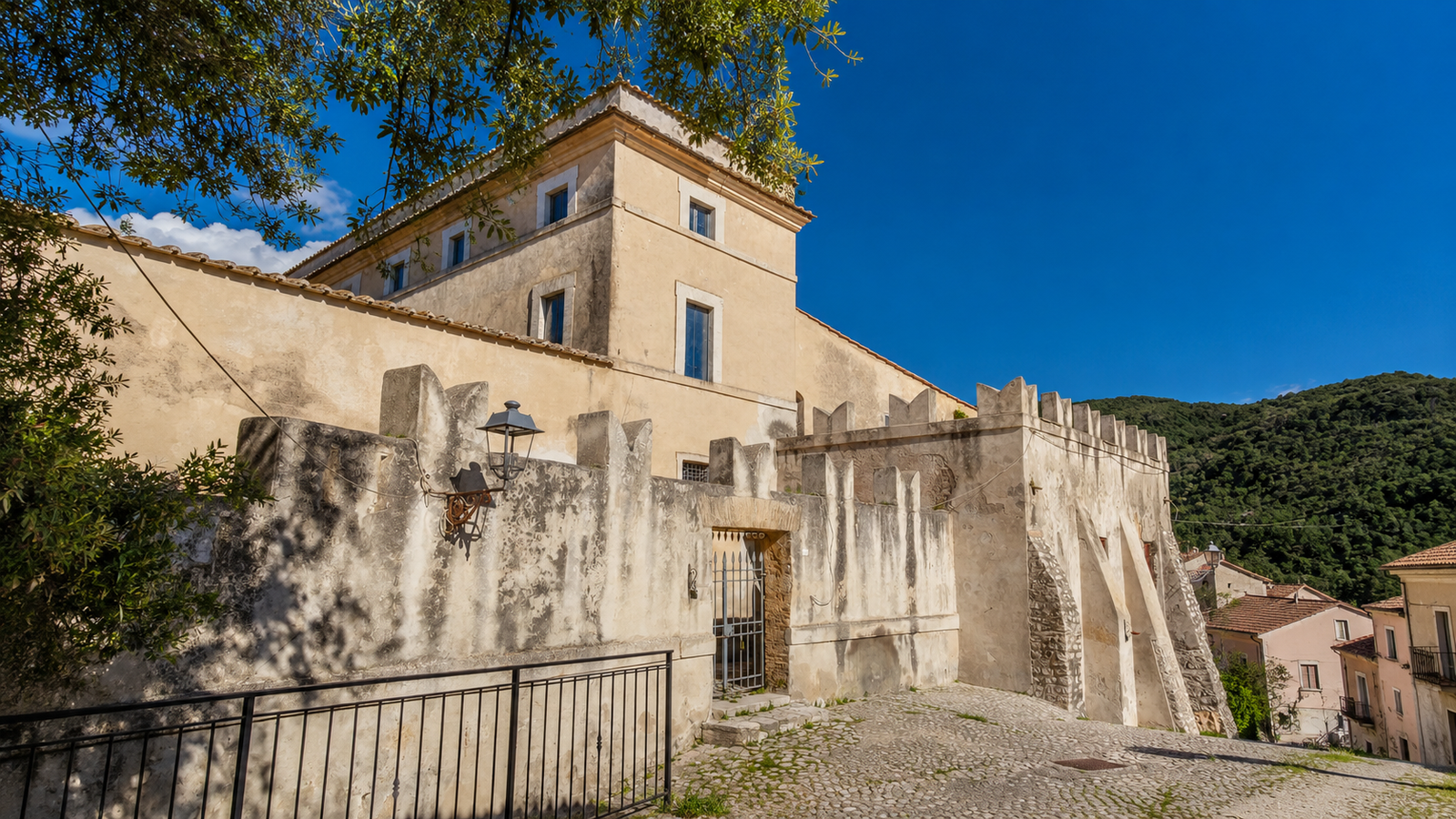
The earliest documentary references to Vacone date to 1027 and concern properties of Farfa Abbey. In 1237 the castrum is mentioned, signalling the full transformation of the place into a fortified settlement. Over the centuries the castle passed through several feudal families, until the Clarelli renounced their feudal rights in 1816.
Vacone’s history, however, reaches much further back. The large Roman villa, built on an artificial terrace and developed between the Republican and Imperial periods, preserves mosaics, residential rooms and one of the most important ancient olive-oil production installations discovered in central Italy. Tradition associates it with Horace, without definitive proof, while the Sacred Wood of the Pago continues to preserve the memory of the goddess Vacuna.
- 1027: earliest records
- Roman villa
- Goddess Vacuna
In the village and nearby
Local services
A useful, up-to-date selection, ordered by relevance, quality and proximity.
Village events calendar
Events in Vacone
Events, festivals and local initiatives selected for Vacone.
No events found
Try changing the selected filters.
Authentic flavours
Vaconescent of mentuccia
Between the village, olive groves and woodland connected with the goddess Vacuna, Vacone preserves honest, fragrant cooking made from simple doughs, aromatic herbs, home sauces and hearty dishes of country tradition.
Fregnacce with mentuccia, strozzapreti with sauce and padellaccia express the most authentic side of Vacone’s table: home recipes, bold flavours and preparations born from essential ingredients, handed down in village families.
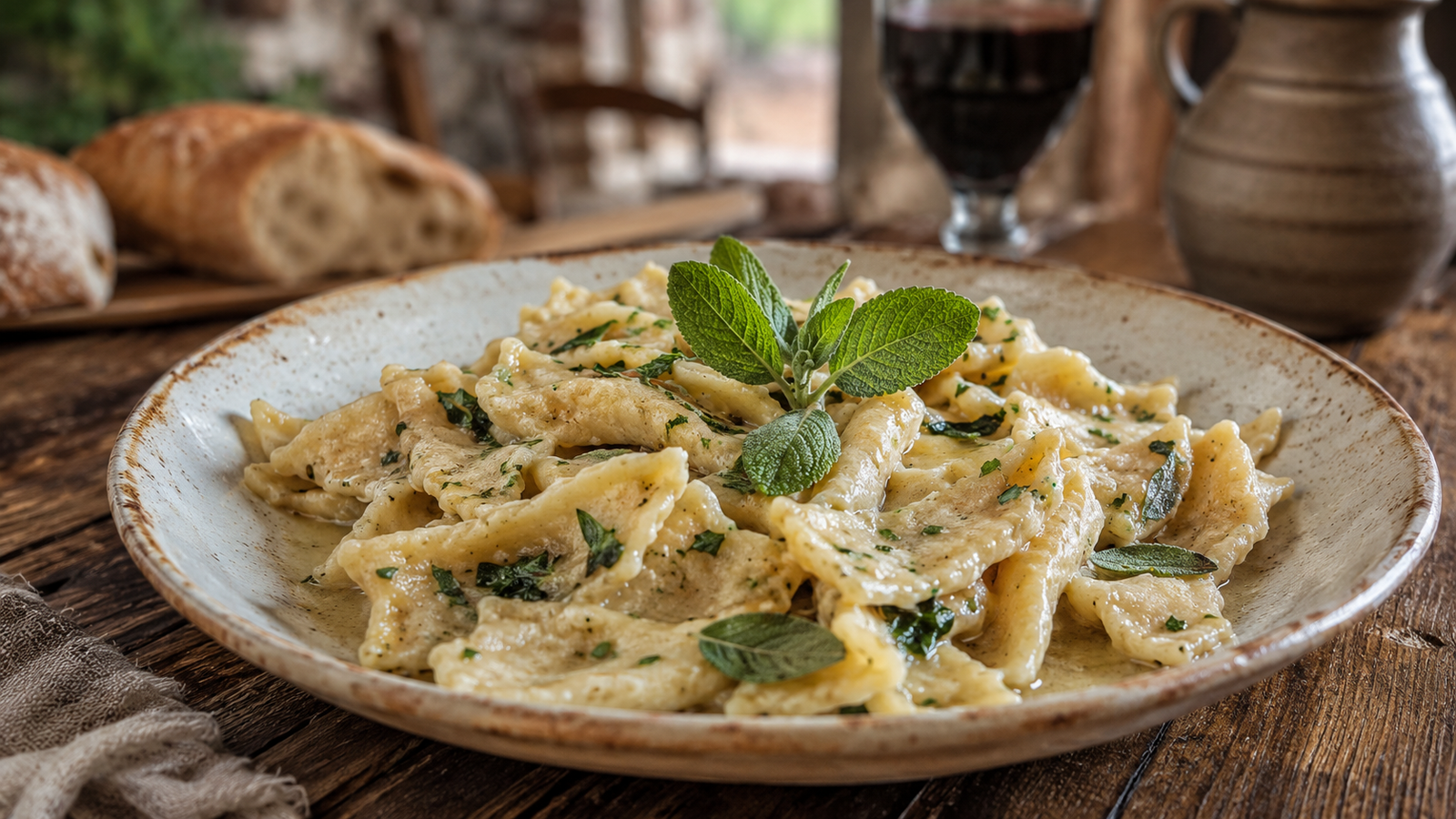
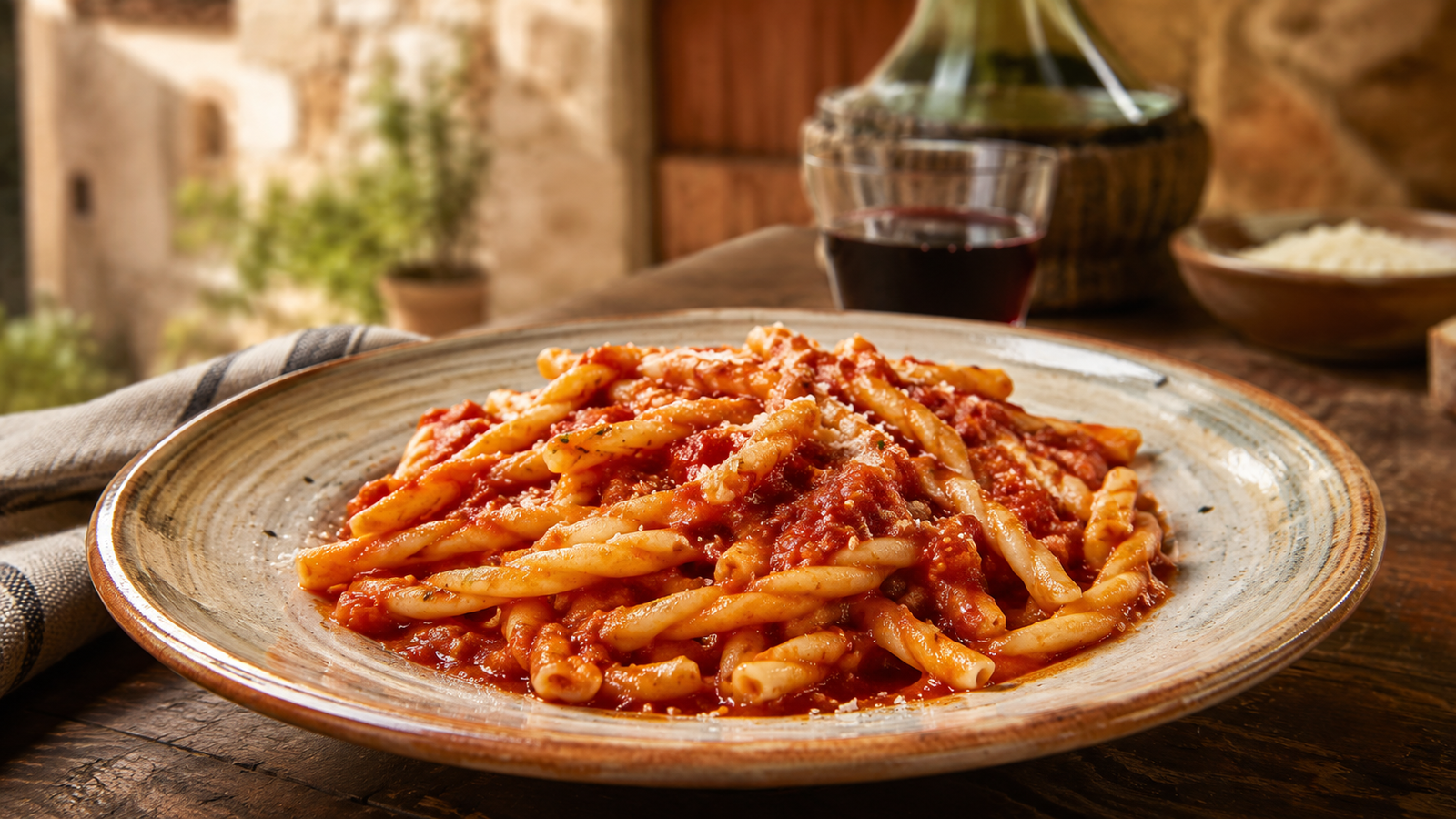
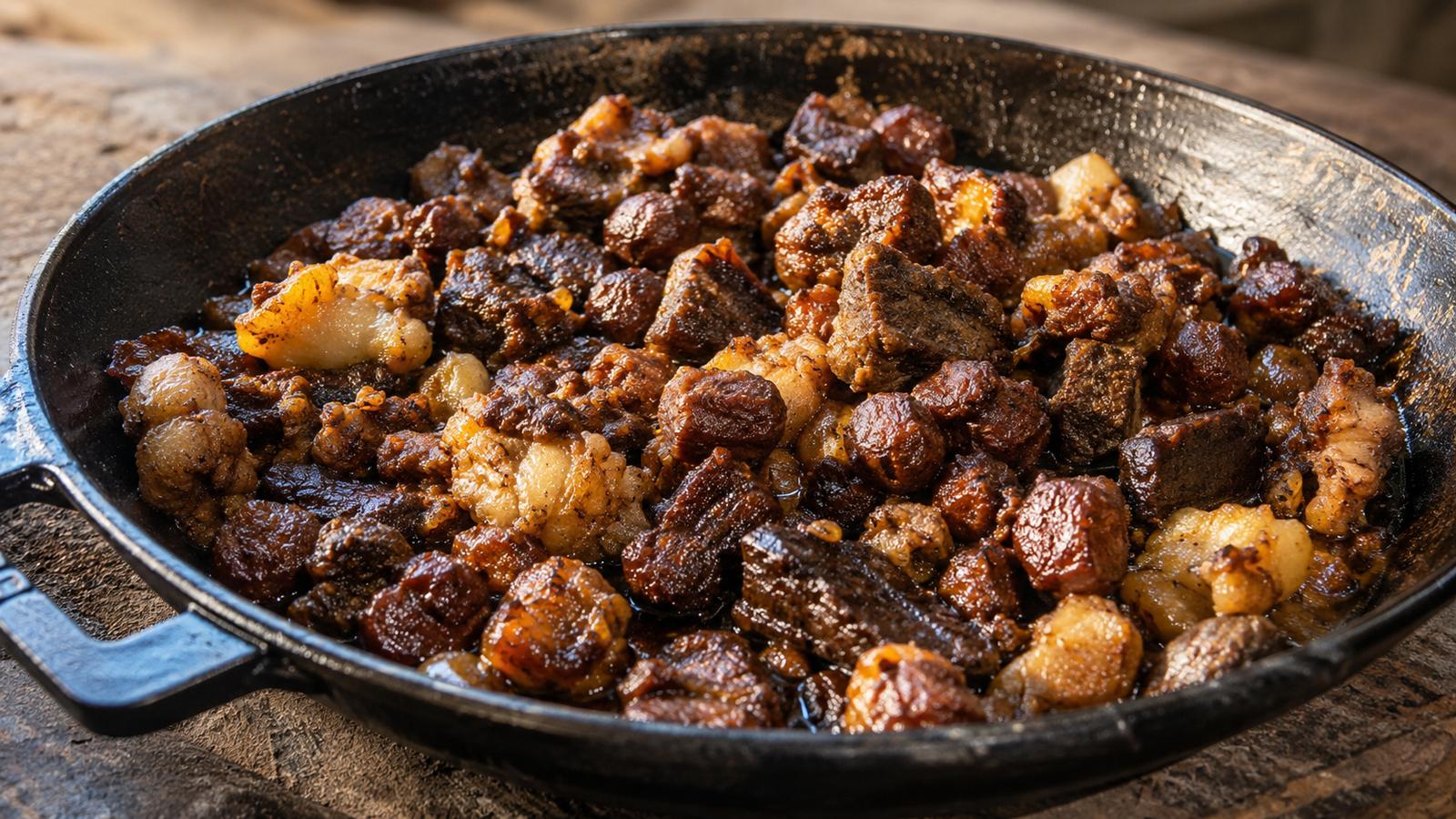
In Vacone the cooking is scented with mentuccia, slow-cooked sauce and country memory.
In the village and nearby
Where to eat
A useful, up-to-date selection, ordered by relevance, quality and proximity.
The village in figures
Vacone,between history and woodland
A few essential figures for understanding the area: elevation, population, municipal area and approximate travel time from Rieti.
Elevation
above sea level
Residents
ISTAT data as of 1 January 2026
Area
of the municipal area
From Rieti
approximate road distance
In the village and nearby
Where to stay
A useful, up-to-date selection, ordered by relevance, quality and proximity.
FAQ about Vacone
Six practical answers for planning your visit, finding your way around the village and connecting the day with other places in Sabina.
What should you see in Vacone?
Places worth visiting include the medieval village with its castle, the Roman Villa, the Sacred Wood of the Pago, the Hermitage of Sant’Orsola and the Church of San Giovanni Evangelista. Though very different, together they explain the village’s relationship with archaeology, nature, spirituality and history.
Where is Vacone?
Vacone is in the province of Rieti, in the Sabine Mountains. The village stands at 518 metres on the slopes of Monte Cosce, in a territory of woodland, olive groves and broad views across Sabina.
How do you get to Vacone?
The easiest way to reach Vacone is by car, following the local roads through the Sabine Mountains. Once there, the historic centre is well suited to a visit on foot, while reaching the more distant sites requires planning the drives around the chosen itinerary.
Why visit Vacone?
Vacone is ideal for visitors seeking a small village with a strong identity. Within a compact territory are a medieval centre, a great Roman villa, woodland connected with the goddess Vacuna and routes immersed in nature. It suits travellers interested in archaeology, photography, landscapes and uncrowded places.
What are Vacone’s traditional flavours?
Characteristic flavours include fregnacce with mentuccia, strozzapreti with sauce and padellaccia. These simple, rustic preparations are connected with home cooking, local aromatic herbs and country tradition.
What can you do around Vacone?
Nearby routes explore the trails of Monte Cosce, local woodland and the Vescovio area with the remains of ancient Forum Novum. Vacone can also form part of an itinerary through the villages of the Sabine Mountains, alternating archaeology, nature and small historic centres.

From this village a new itinerary begins
After the historic centre, connect your visit with another village, a local place to eat or a walking route and build a complete day in Sabina.