

Recipes from Sabina
Pizza di Pasqua salata
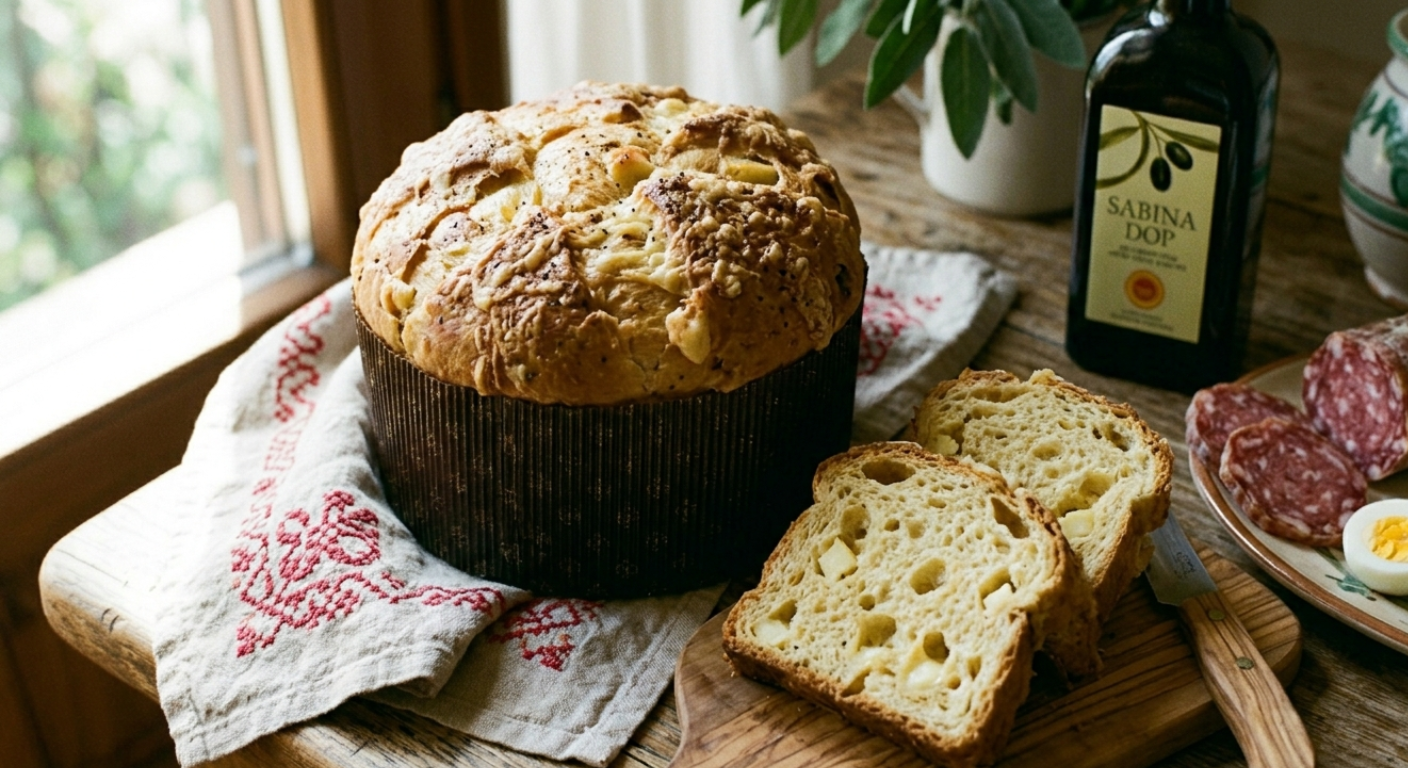
A rich and fragrant savoury bread associated with Sabina’s Easter tables: a soft dough, cheeses, eggs and bold flavours come together in a festive recipe that is simple in tradition yet generous in taste.
The recipe
Savoury bread for Easter
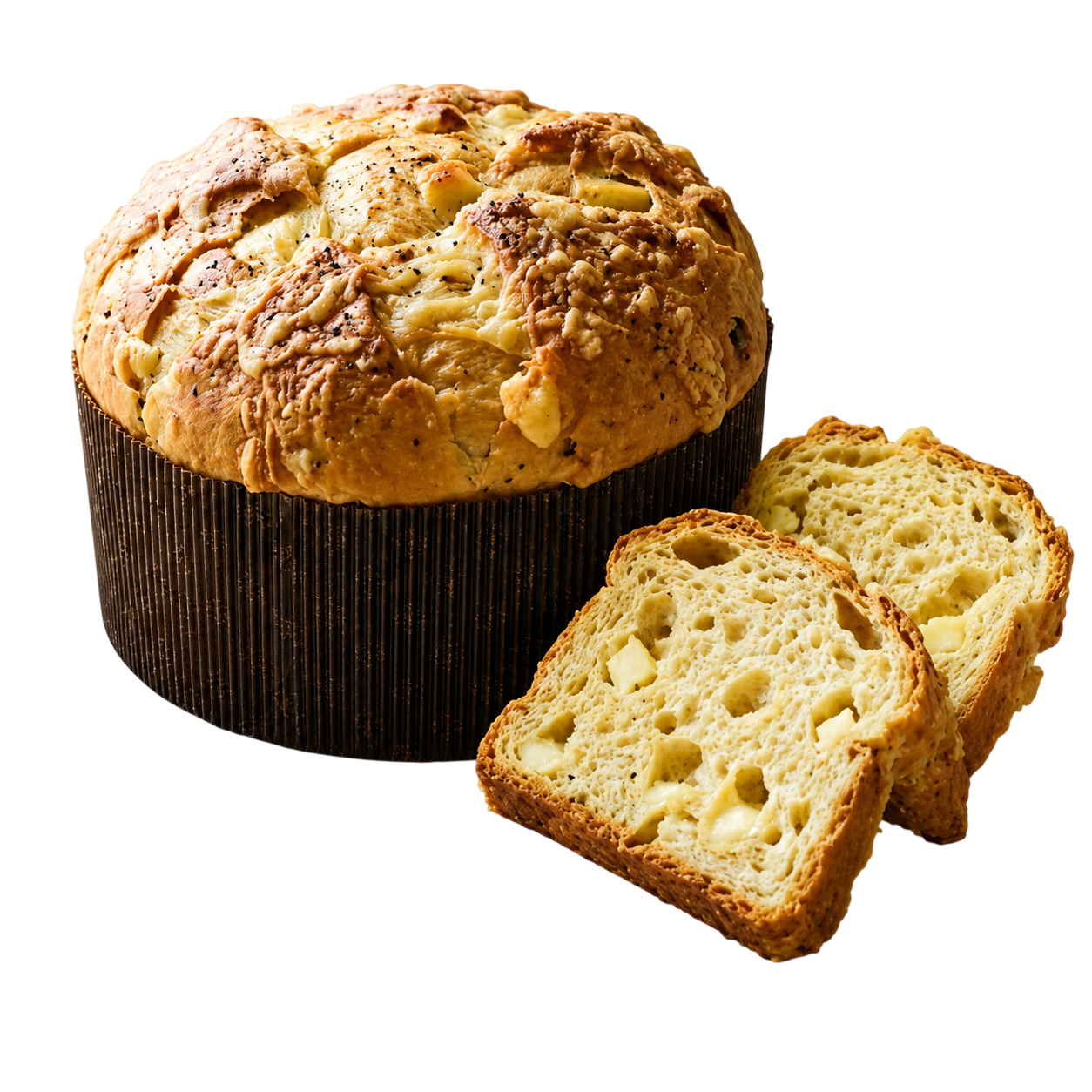
Pizza di Pasqua salata is a rich and fragrant recipe made with a soft, savoury dough enriched with cheeses, eggs and simple traditional ingredients.
It is one of the breads most closely associated with festive tables: it is often served at Easter alongside cured meats, cheeses and local produce. Its aroma tells the story of family cooking, patient proving and authentic flavours.
Impasto soffice
Formaggi saporiti
Lievitazione lenta
Cucina di festa
Ricetta pasquale
Consiglio della tradizione
Allow the dough to rest properly before baking: patient proving makes the pizza taller, softer and more fragrant.
Rich, soft and fragrant
Flour, eggs, cheeses and extra virgin olive oil combine in a bold savoury bread that perfectly expresses Sabina’s Easter tradition.
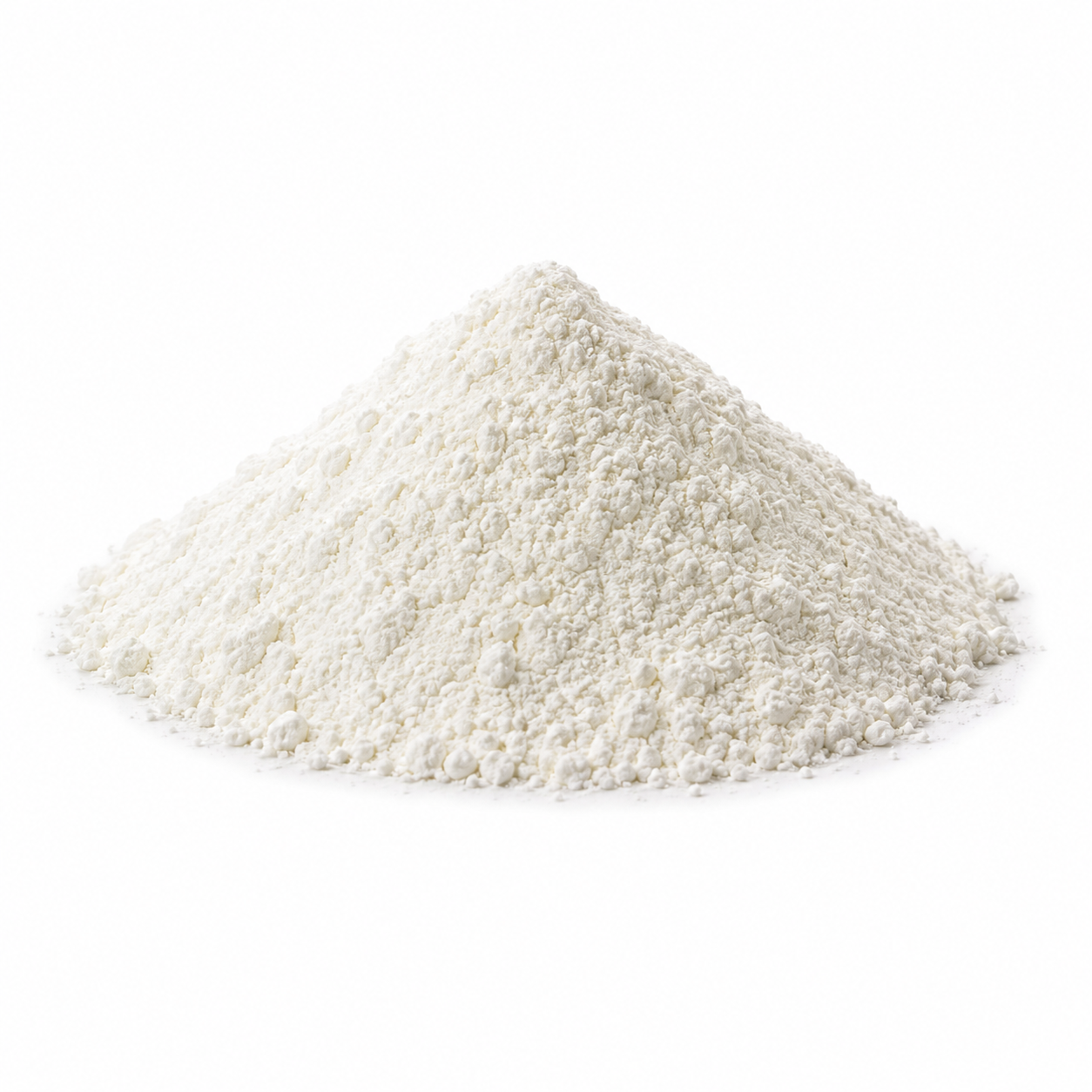
Type 0 and Manitoba flour
500 g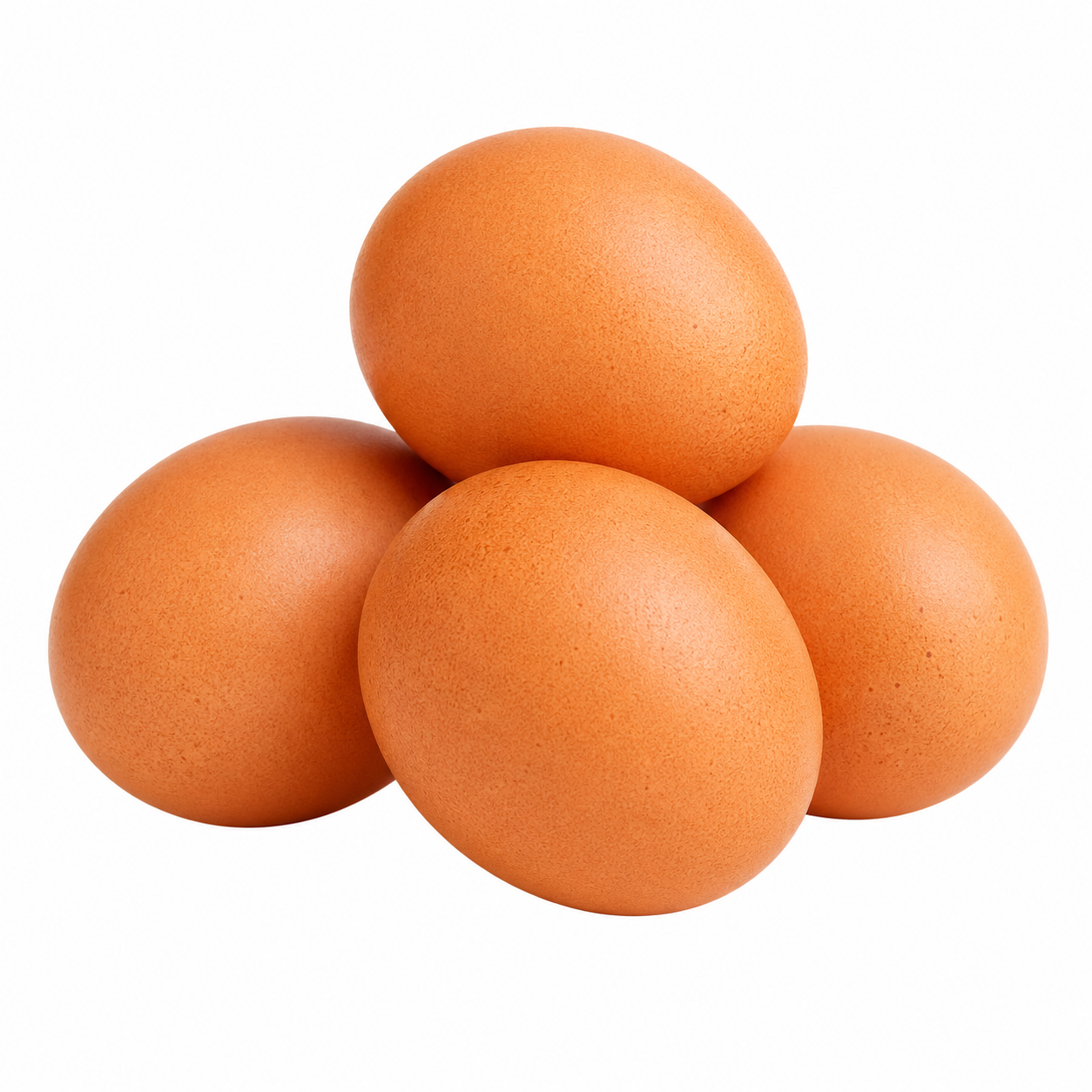
Large eggs
4
Sabina DOP extra virgin olive oil
100 ml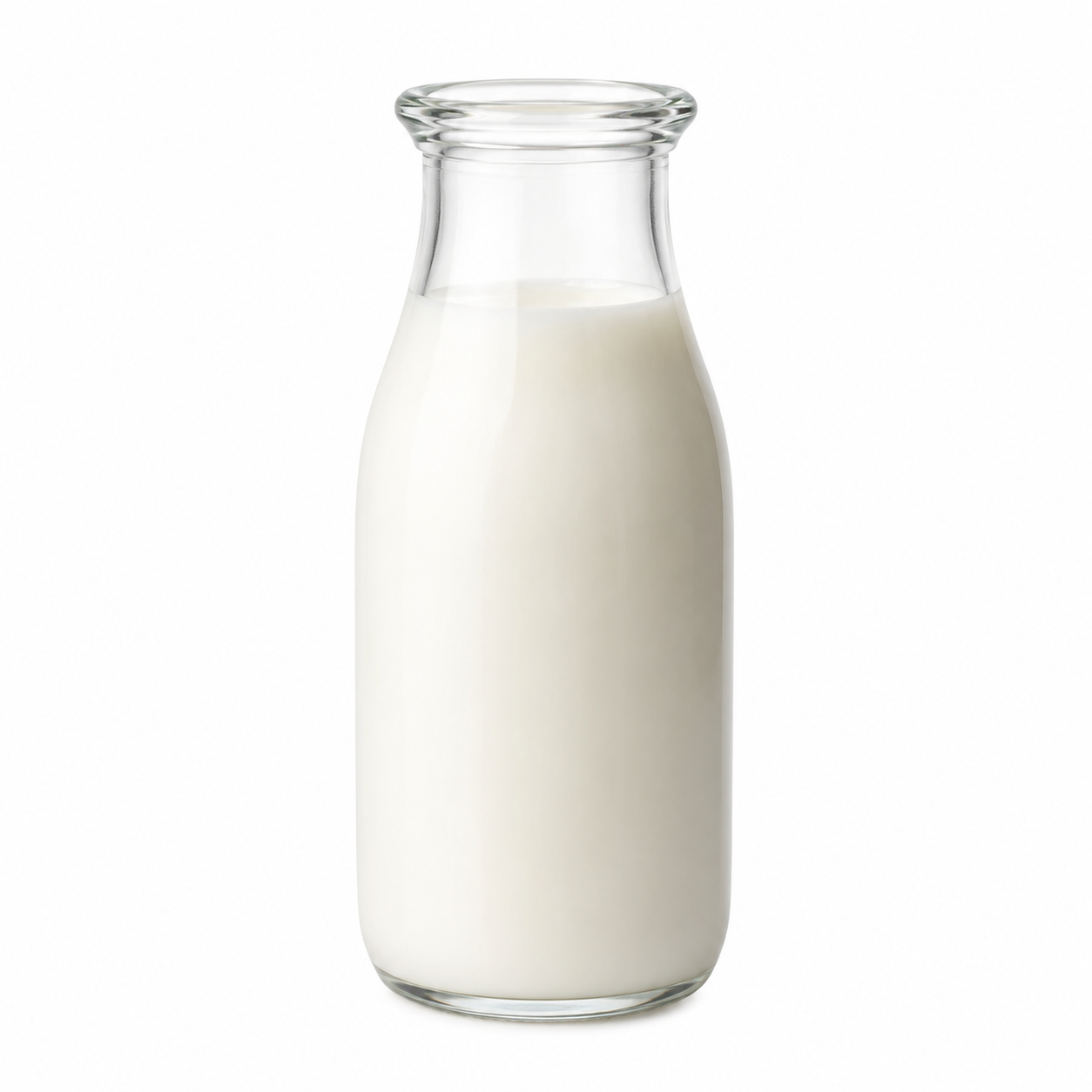
Warm milk
100 ml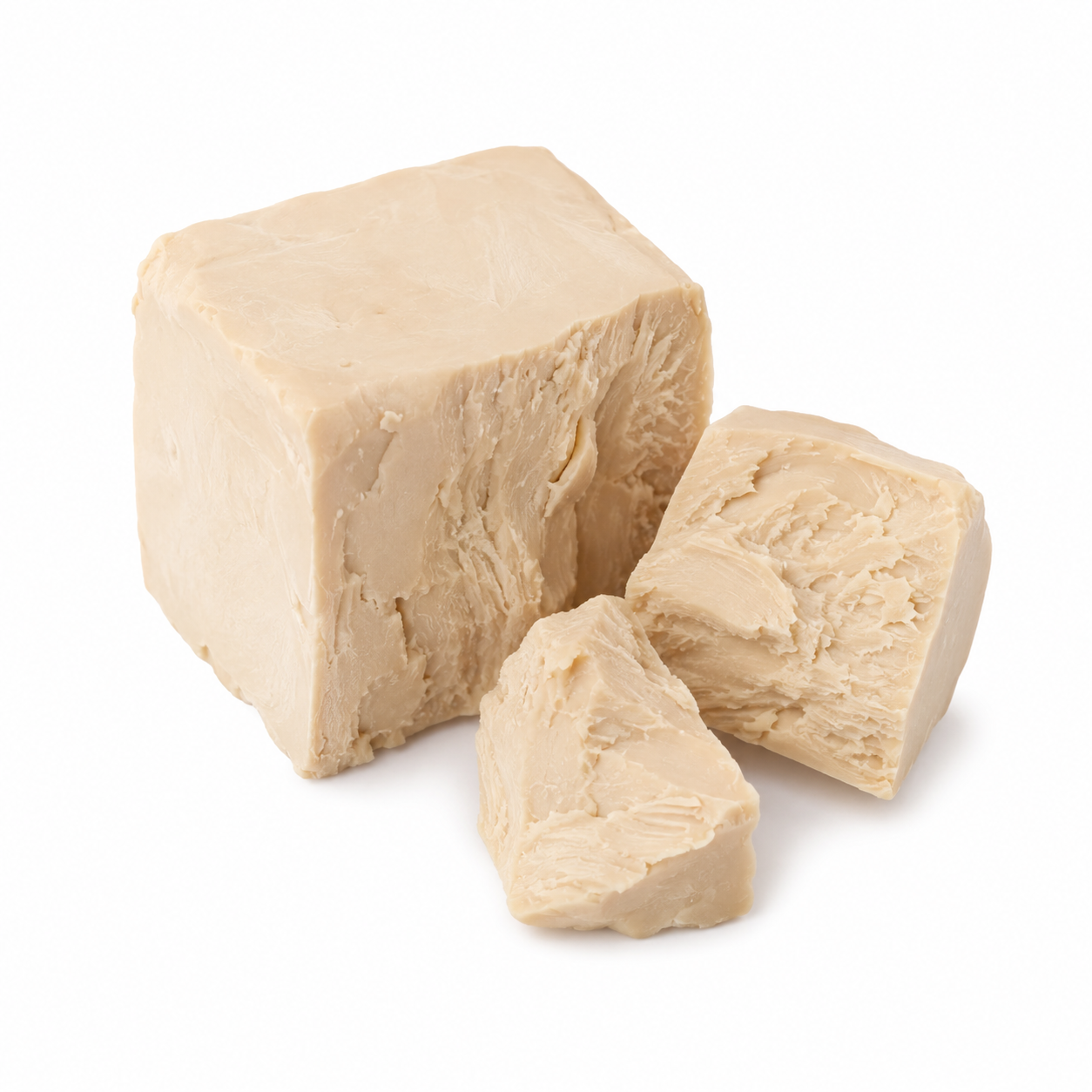
Fresh brewer’s yeast
25 g
Sugar
1 teaspoon
Salt
10 g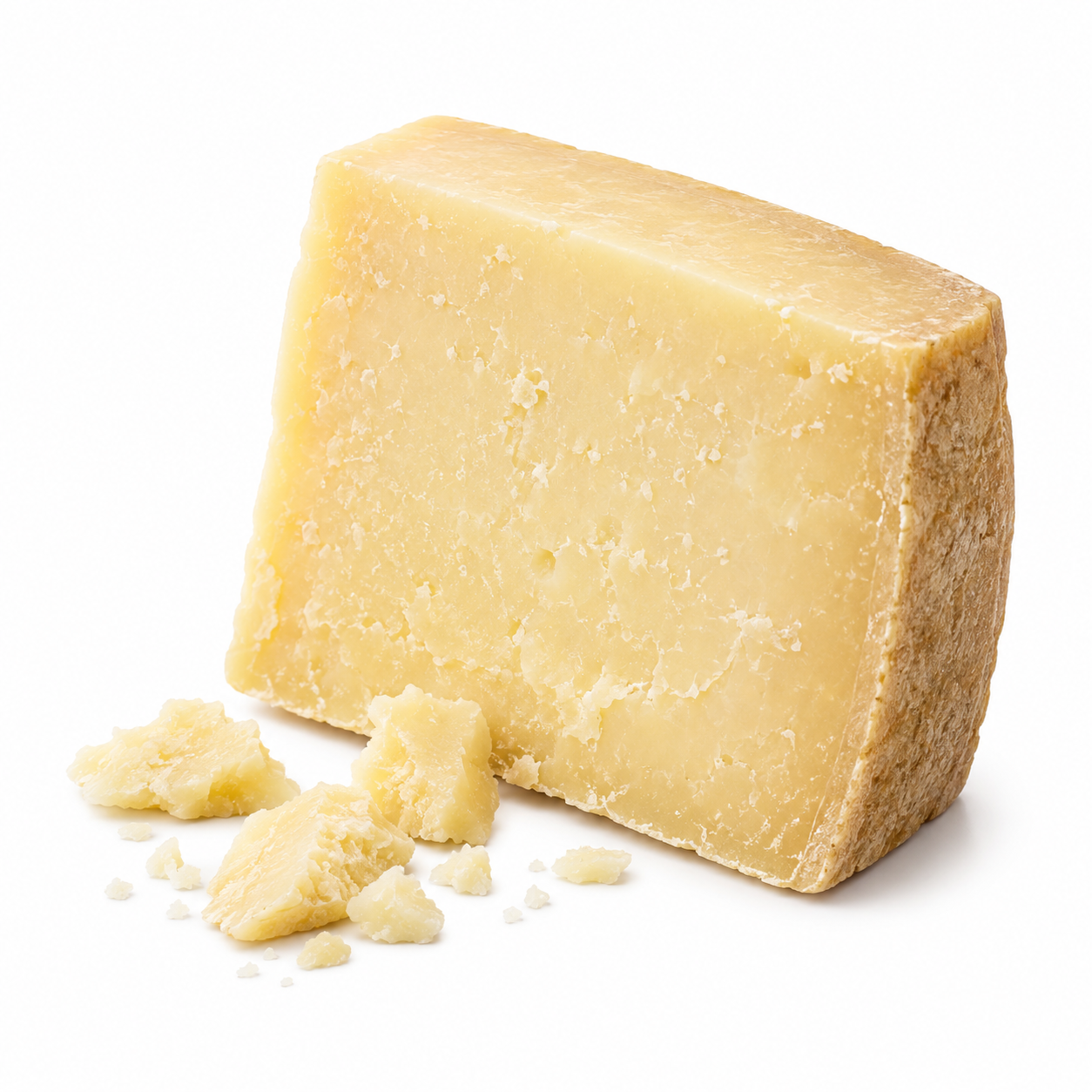
Grated pecorino
150 g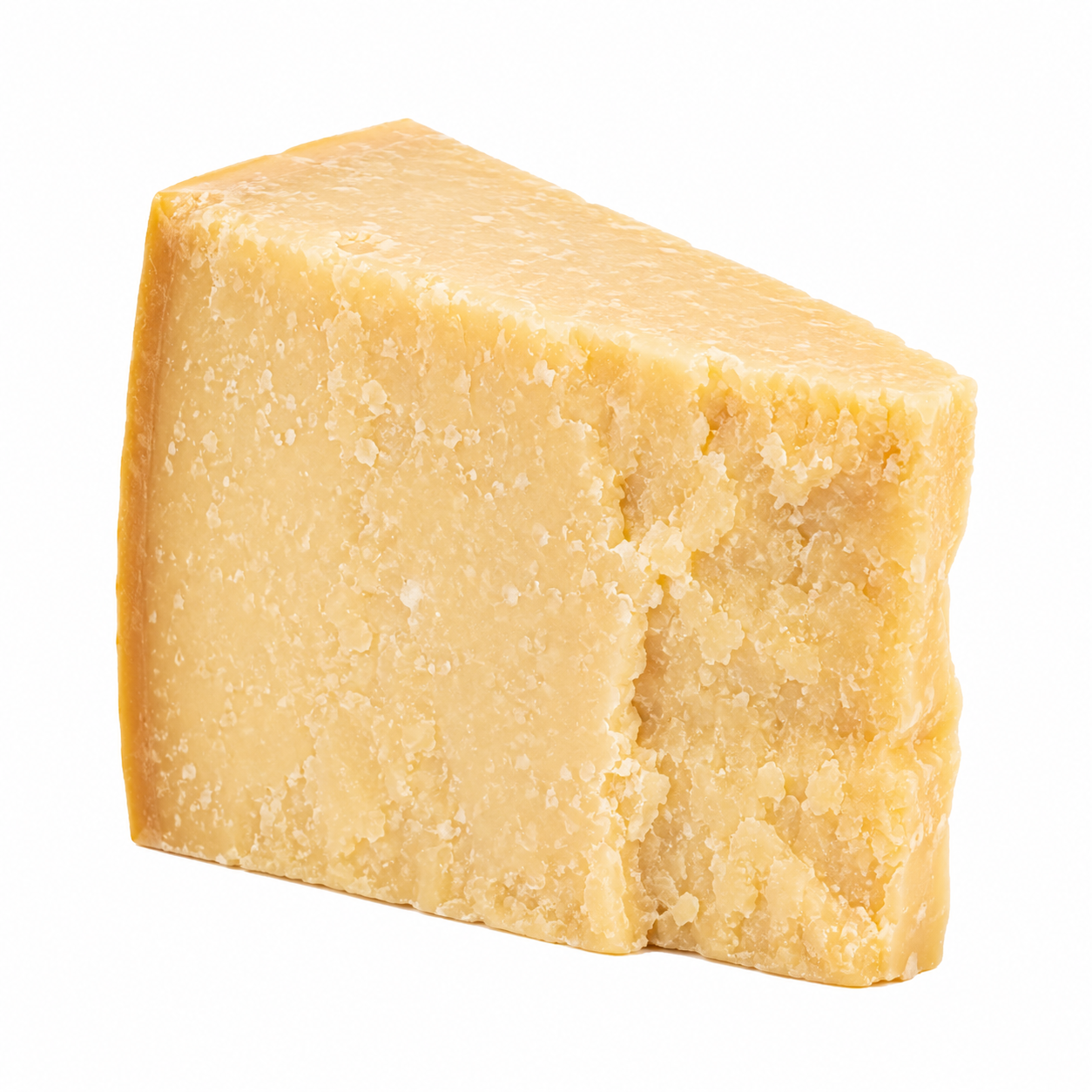
Parmigiano Reggiano
100 g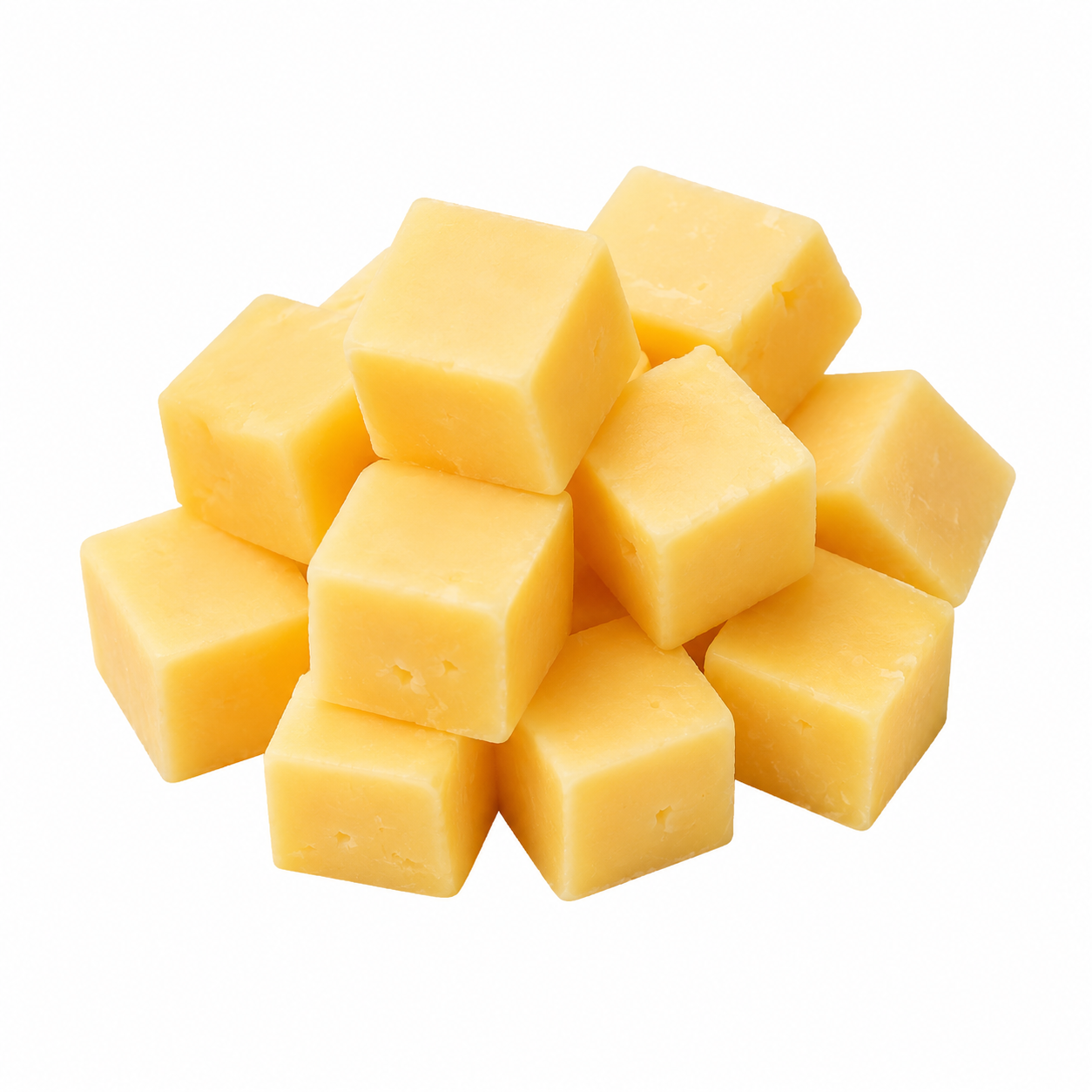
Diced cheese
100 g
Black pepper
generouslyThe secret is to respect the proving times: the better the dough rests, the taller, softer and more fragrant the Pizza di Pasqua salata will be.
Step by step
From yeast dissolved in milk to the double proving: a slow, fragrant and generous method designed to produce a tall, soft Pizza di Pasqua salata rich in cheese.
01
Yeast
Prepare the yeast
Dissolve the brewer’s yeast in the warm milk with the sugar and leave it to rest for about 10 minutes, until a light foam begins to form.
Use now
Yeast
Milk
Sugar
Yeast
Milk
Sugar
02
Impasto
Knead the ingredients
Place the flour in a large bowl, add the eggs, extra virgin olive oil, the milk and yeast mixture, and the black pepper. Begin kneading until the dough is smooth.
Use now
Flour
Eggs
Extra virgin olive oil
Milk
Pepper
Flour
Eggs
Extra virgin olive oil
Milk
Pepper
03
Formaggi
Add the cheeses
Work in the pecorino, Parmigiano and salt. Continue kneading for about 15 minutes, until the dough is soft, elastic and deeply fragrant.
Use now
Pecorino
Parmigiano
Salt
Pecorino
Parmigiano
Salt
04
Diced cheese
Add the diced cheese
Fold the diced cheese evenly into the dough so that every slice has a soft, flavourful centre.
Use now
Diced cheese
Diced cheese
05
Lievitazione
First proving
Cover the dough with a cloth and leave it to rise in a warm place until doubled in volume.
Variable time: wait until the dough has fully doubled.
06
Stampo
Transfer to the tin
Place the dough in a tall buttered tin and leave it to rise again until it nearly reaches the rim. This second rest helps the pizza become tall and soft.
Leave room in the tin: the dough will continue to rise before baking.
07
Servizio
Bake and serve
Bake in a preheated oven at 180°C for about 45 minutes, until the surface is deeply golden. Leave to cool slightly before slicing and serving.
Remember
Extra virgin olive oil
Cheese
Pepper
Extra virgin olive oil
Cheese
Pepper
Frequently asked questions
Recipe FAQ
Six practical answers about the ingredients, preparation, serving and storage of Pizza di Pasqua salata.
What is Pizza di Pasqua salata?
It is a traditional Easter preparation made with a tall, soft dough enriched with cheeses, eggs and simple ingredients. In Sabina cooking it is often served for Easter breakfast or at festive lunches.
What ingredients are used?
The main ingredients are flour, eggs, yeast, extra virgin olive oil, warm milk, salt, black pepper and grated cheeses. Many family versions use pecorino, Parmigiano and diced cheese to make the dough richer.
When is it prepared?
It is mainly prepared in the days leading up to Easter, when families organise the traditional recipes for the festive table. It is associated with celebrations, but it can also be enjoyed at other times of year as a rustic savoury cake.
How is it served?
It is served in slices, often with cured meats, cheeses, hard-boiled eggs and other Easter specialities. Its soft texture and rich flavour make it ideal both for Easter breakfast and for starters or convivial tables.
How should it be stored?
It keeps for a few days in a cool, dry place, well wrapped or sealed in a suitable container. To preserve its softness, protect it from the air and warm it gently before serving to revive its aroma and texture.
Si può preparare in anticipo?
Sì. Può essere preparata il giorno precedente, lasciata raffreddare completamente e conservata ben avvolta. Prima di servirla si può scaldare appena per ravvivarne profumo e morbidezza.

Recipes from Sabina
Sabina comes to the table
Handmade pasta, olive oil, pulses, festive sweets and family recipes: keep exploring the flavours born in Sabina’s villages and kitchens.